

























































World Cup 2026 in Mexico? Why Iran is Petitioning FIFA to Relocate Its Matches

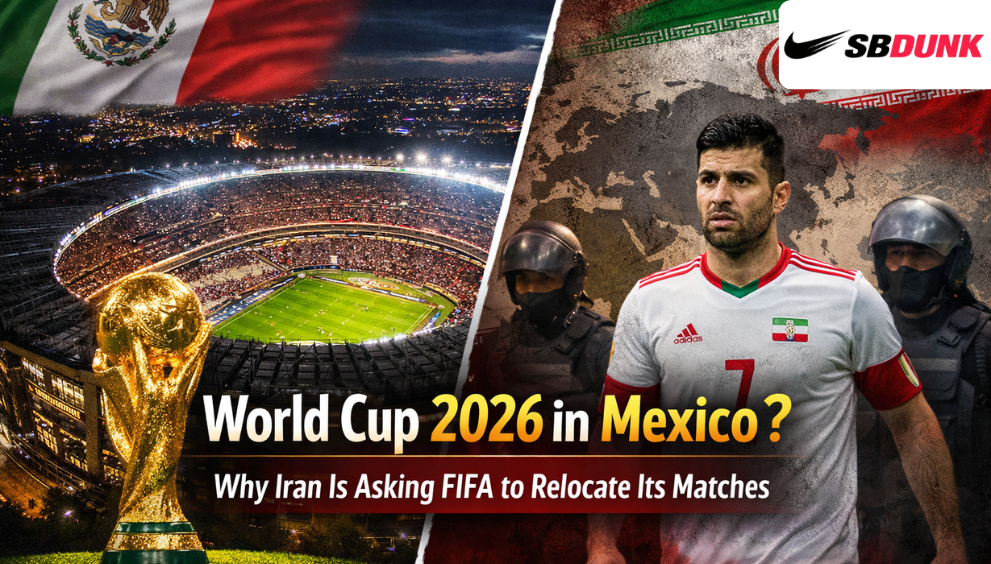
The 2026 World Cup was supposed to be a “United” party across North America. But right now, it feels more like a geopolitical standoff. As warships sit in the Gulf and “Operation Epic Fury” continues, soccer has hit a wall of sovereign friction.
The Iranian Football Federation (FFIRI) has officially asked FIFA to move their games from the U.S. (Los Angeles and Seattle) to Mexico. They aren’t just looking for better weather; they are trying to escape a diplomatic nightmare that could ruin the tournament before it even starts.
The “Welcome” that Felt Like a Warning
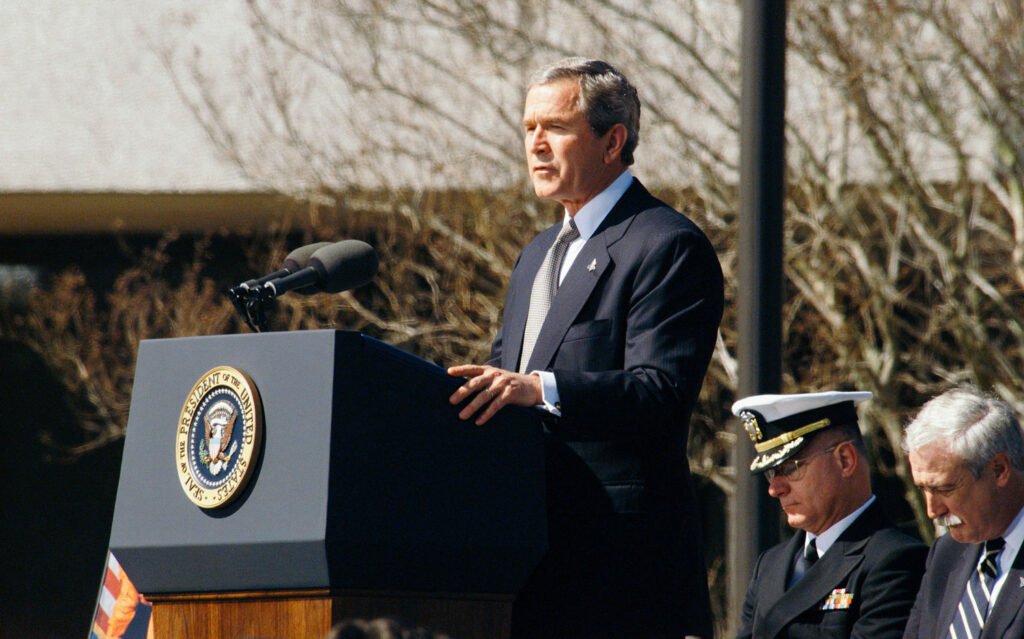
The drama started when President Trump gave a blunt update on the situation:
“The Iran national soccer team is welcome to the World Cup, but I really don’t believe it is appropriate that they be there for their own life and safety. They are welcome to play, but they better bring their own security and their own fuel.”
While it might sound like a joke, it’s a huge problem for logistical inertia. Usually, a host country promises to keep every team safe. By telling Iran to “bring their own security,” the U.S. is basically saying the usual rules don’t apply. For Iran, this wasn’t a friendly invite, it was a red flag that their players wouldn’t be safe on American soil.
SPECIAL BULLETIN: TRAVEL STATUS (MARCH 2026)
- The Players: Can get visas but face “extreme vetting” and constant monitoring.
- The Fans: Most Iranian citizens are completely banned from entering the U.S. under the current 19-country travel ban.
- The Logistics: No U.S. embassy in Iran is open. Fans have to travel to third countries like Oman or Turkey just to apply for a visa they likely won’t receive.
- The Risk: High concerns about “non-refoulement”—meaning players might try to stay in the U.S. as refugees instead of going home, which complicates diplomatic exits.
The Visa Iron Curtain
FIFA wants to stay “neutral,” but the reality is what we call the Visa Iron Curtain.
Fairness: It’s hard to call a game “fair” when one team is essentially banned from bringing its “12th man,” the fans.
Empty Stands: If Iranian fans can’t get in, “Team Melli” plays in a ghost town.
Hostile Environment: Without their own supporters, the players would be surrounded by a public that is currently at odds with their government.
The Azteca Solution
Mexico’s Estadio Azteca is legendary, and Mexico City has said it is willing to take the games. Unlike the U.S., Mexico still has a working relationship with Iran. It seems like the perfect fix, but it creates a massive logistical nightmare:
- Broken Contracts: Stadiums in L.A. and Seattle have signed deals to host these games. Moving them could lead to billion-dollar lawsuits.
- TV Chaos: Global TV schedules are already set. Changing a game’s time or location messes up million-dollar ad deals in Asia and Europe.
- Ticket Confusion: Over 140,000 people already have tickets for the games in the U.S. Moving them to Mexico would leave fans stranded.
- Border Problems: The “United” bid was supposed to be about easy travel. Moving games because one host is “unsafe” proves the three countries aren’t as “united” as they claimed.
The Venue Race: Mexico’s Triple Threat
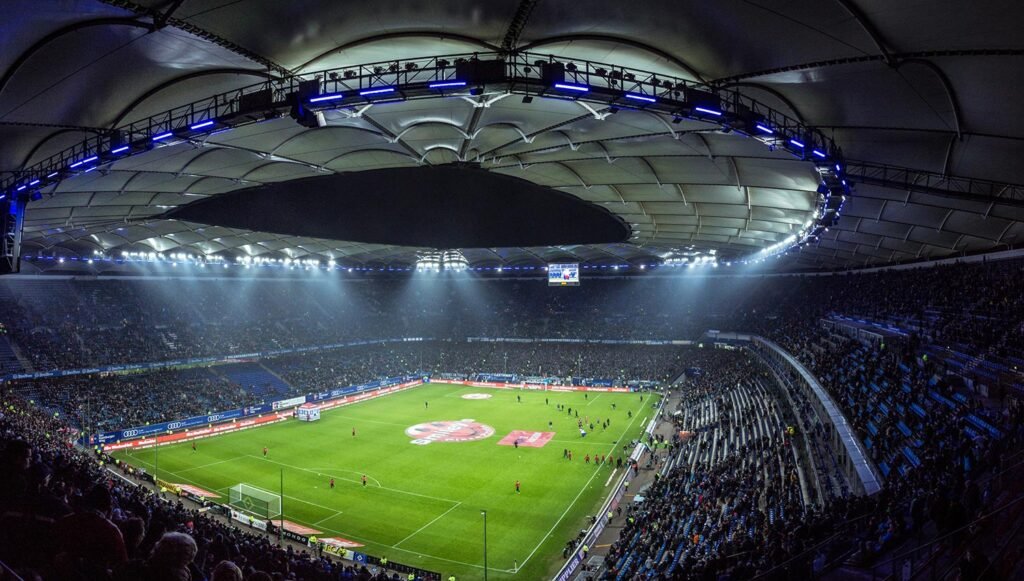
If FIFA pulls the trigger on the relocation, they won’t just be looking at the Estadio Azteca. While the “Cathedral of Soccer” in Mexico City is the obvious choice with its 87,000-seat capacity, it is currently in a “race against time” to finish renovations before June. This makes Mexico’s other two gems, Estadio Monterrey and Estadio Guadalajara, critical backup options.
- Estadio Monterrey (The Steel Giant): With a capacity of 53,500, this is the most modern stadium in Latin America. It already has the high-tech drainage and VIP infrastructure FIFA demands.
- Estadio Guadalajara (The Volcano): This 48,000-seat venue is famous for its unique “grass-covered hill” design. It offers the tight, loud atmosphere that could give Iran the “neutral ground” they desperately crave.
Moving the games here isn’t just about finding a field; it’s about choosing a city that can handle the sudden arrival of thousands of fans and media teams. Mexico has the stadiums ready, but the question remains: is the world ready for the first-ever “politically relocated” World Cup?
The Financial Fallout: A Multi-Billion Dollar Dispute
If FIFA moves Iran’s matches to Mexico, it triggers a chain reaction of financial penalties and broken promises. This isn’t just about the cost of a plane ticket; it’s about the massive economy built around a U.S.-based World Cup.
- Sponsor Clawbacks: Major partners like Coca-Cola and Visa signed contracts based on “U.S. market penetration.” Moving games to Mexico reduces the value of their on-the-ground activations, potentially leading to demands for massive refunds.
- The Hospitality Gap: Thousands of high-end hotel rooms and VIP packages in L.A. and Seattle have been pre-sold. A sudden cancellation would leave the local tourism industry with a multi-million dollar hole.
- Taxpayer Friction: Public funds were used to upgrade U.S. infrastructure specifically for these matches. Local governments may sue FIFA for “breach of host city agreements.”
- Insurance Nightmares: Insuring a match that is moved because of a “hostile environment” is an actuarial disaster. Premium costs for the remaining games would skyrocket instantly.
The Fan Experience: A Divided Continent
Beyond the boardrooms, the “Human Framework” of the tournament would be permanently altered. The “United” bid promised a seamless experience, but the Iran crisis proves that borders still matter.
- The Travel Logjam: Fans who already secured U.S. visas and flights would suddenly find their documents useless for a game in Mexico City. The re-routing of 100,000 travelers in 90 days is a recipe for airport chaos.
- Security Overload: Moving the games to Mexico doesn’t eliminate the risk; it just moves it. Mexican authorities would have to pivot their entire security apparatus to handle a high-profile “geopolitical” match.
- A “Two-Tier” World Cup: This move would create a visible divide. One set of teams plays in the luxury of U.S. “super-stadiums,” while another is moved around like chess pieces due to sovereign friction.
- The Atmosphere Shift: While Mexico provides a passionate crowd, it would be a crowd of locals rather than the global Iranian diaspora who are currently blocked by the Visa Iron Curtain.
FIFA’s Impossible Choice
FIFA is stuck between a rock and a hard place. If they force Iran to play in the U.S., the team might boycott, or worse, something could happen to the players. If they move the games to Mexico, they annoy the U.S. government, which is the primary financial engine of the tournament.
- Precedent: FIFA has moved games for war before, but never mid-tournament and never against a host country.
- Sponsor Rights: Big sponsors paid for “U.S. exposure.” If the games move, they will want their money back.
- The Future: If FIFA gives in now, does every country get to pick where they play based on who they like?
The “Beautiful Game” likes to pretend it’s above politics, but you can’t ignore warships in the Gulf while trying to play a match. As we get closer to June, FIFA has to decide: is the World Cup about the sport, or is it just another tool for “sports-wash diplomacy“?
If soccer can’t even bring two countries together for 90 minutes, has the dream of global unity finally run out of time?
FAQs
1. Can FIFA actually move matches this late?
Yes. Under Article 6.9 of the 2026 Regulations, FIFA has “sole discretion” to relocate games for safety or “force majeure” (unforeseeable events), even weeks before kickoff.
2. Is Mexico actually ready to host extra games?
Physically, yes. While the Azteca is in a “race against time” for its VIP areas, the pitch and seating are functional, and Monterrey is fully “tournament-ready” right now.
3. What happens to fans who already bought tickets in LA and Seattle?
It’s a mess. FIFA would likely offer a 100% refund, but they cannot legally force the U.S. to refund travel or hotel costs, leading to massive private lawsuits.
4. Will Iran be kicked out if they refuse to play in the U.S.?
Probably not immediately. FIFA prefers “neutrality,” but a refusal to play usually results in a 3-0 forfeit and heavy fines for the national federation.
5. What is the “drop-dead” date for a decision?
FIFA typically needs a 60-day window for major logistical shifts. Expect a final “Go/No-Go” decision from Zurich by mid-April 2026.