







































































































































































































































































































Common Food Storage Mistakes: Insights from Chefs and Food Safety Experts


In the realm of culinary arts and food safety, proper storage techniques are paramount in ensuring the longevity and safety of food items. Surprisingly, many individuals, even those who consider themselves culinary-savvy, make critical errors when it comes to storing certain foods. These mistakes not only compromise flavor and texture but can also pose serious health risks. In this article, we delve into five common food storage pitfalls highlighted by chefs and food safety experts, outlining how to rectify these issues and optimize food management in your kitchen.
Understanding Food Storage Basics
Food storage is not merely a matter of convenience; it is a critical aspect of food safety that significantly affects nutritional quality and taste. The science behind food storage encompasses various factors, including temperature, humidity, and exposure to air. Understanding these elements can help consumers make informed choices in storing their food products effectively.
The Importance of Temperature Control
Temperature plays a decisive role in food preservation. Many perishables require specific temperature ranges to inhibit the growth of bacteria. According to food safety expert Dr. Ellen Shumaker, “Maintaining the correct temperature is vital for food freshness. For instance, the refrigerator should ideally be set at or below 40°F (4°C) to slow bacterial growth.” By keeping perishables at the right temperatures, not only do we enhance their shelf life, but we also protect our health.
Five Common Food Storage Mistakes
Identifying and addressing common food storage mistakes can lead to better food safety practices and an overall improved culinary experience. Below are five prevalent errors and expert recommendations to rectify them.
1. Storing Tomatoes in the Refrigerator
Many home cooks relegate tomatoes to the refrigerator, believing it extends their shelf life. Contrary to this belief, refrigeration can degrade their flavor and texture. Chef Marcella Hazan states, “Tomatoes lose their vibrant flavor when chilled. They are best stored at room temperature, away from direct sunlight.”
“Tomatoes lose their vibrant flavor when chilled.” — Chef Marcella Hazan
2. Keeping Bread in the Fridge
While it may seem logical to refrigerate bread to prevent mold, the cold temperature can actually cause bread to stale more quickly. Instead, experts recommend storing bread in a cool, dry place in a paper bag or a bread box to maintain its texture and flavor.
3. Not Storing Herbs Properly
Herbs are often treated as an afterthought in storage. However, improper storage can lead to wilted, tasteless herbs. Chef Thomas Keller recommends, “For soft herbs, treat them like fresh flowers: place them in a glass of water and cover them loosely with a plastic bag. For hard herbs, dry them and store them in an airtight container.”
“For soft herbs, treat them like fresh flowers.” — Chef Thomas Keller
4. Overpacking the Refrigerator
An overcrowded fridge can hinder air circulation, leading to uneven temperatures. Food safety expert Alice Lee advises, “Allowing space between items improves airflow and helps maintain a consistent temperature.” Keep your fridge organized to ensure each item is adequately chilled.
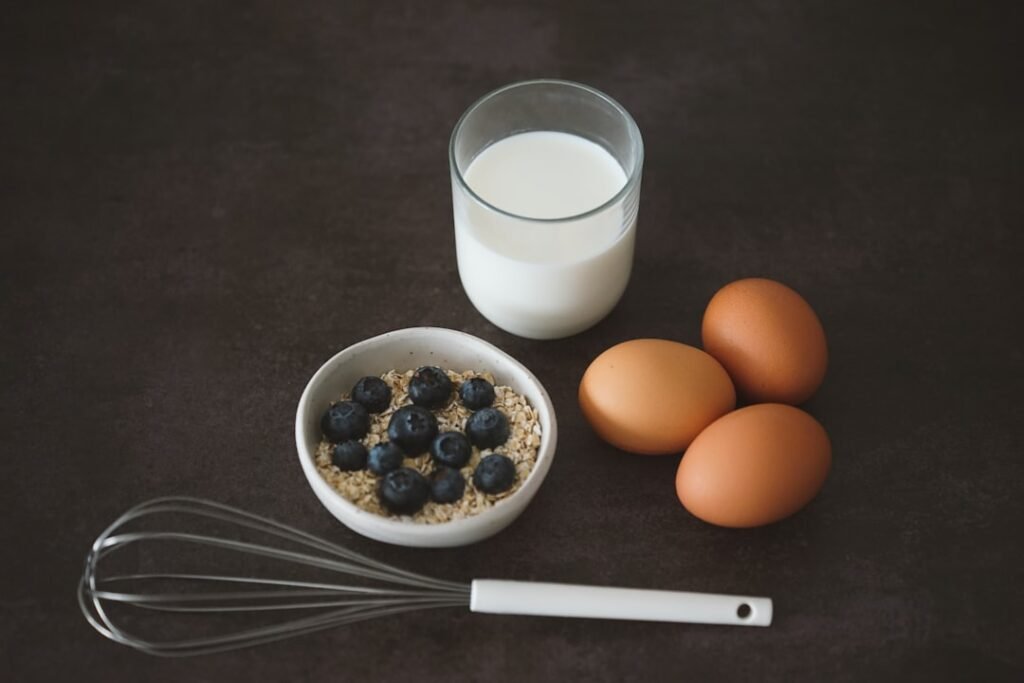
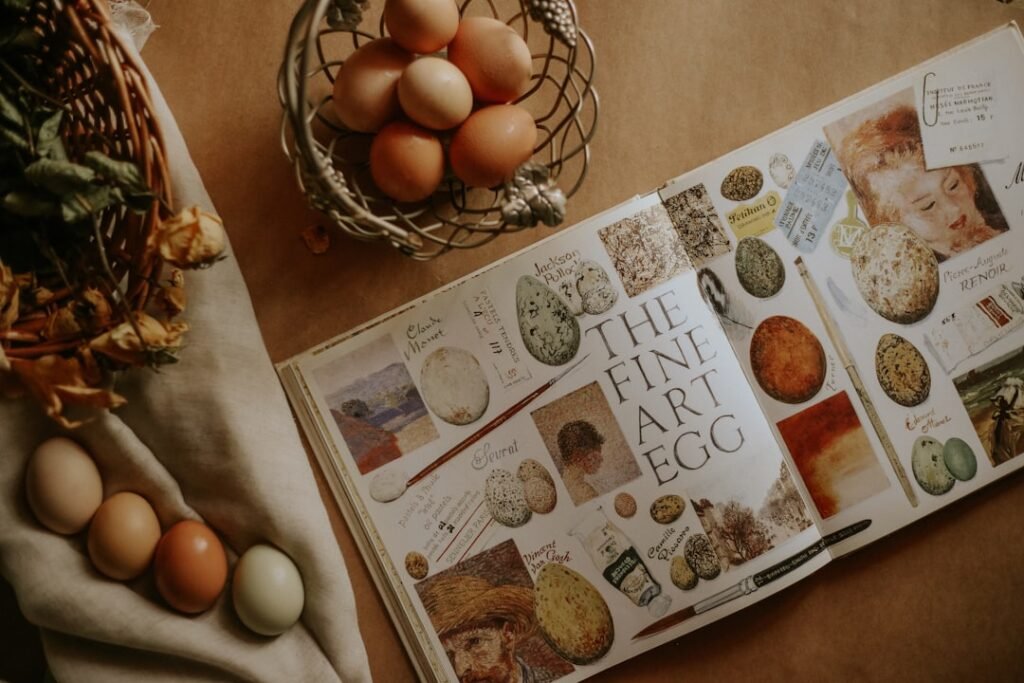
5. Storing Eggs in the Door
Many people store eggs in the refrigerator door for convenience. However, the temperature fluctuates significantly in this area due to frequent opening and closing. Instead, store eggs on a middle shelf where temperatures remain more stable, allowing for longer freshness.
What This Means for You
Implementing the correct storage techniques for your food not only prolongs its shelf life but also enhances taste and safety. Here are some key takeaways to consider:
- Store tomatoes at room temperature to preserve flavor.
- Keep bread in a cool, dry place to maintain freshness.
- Utilize proper techniques for herb storage to prevent wilting.
- Avoid overpacking your refrigerator for optimal air circulation.
- Store eggs on middle shelves for stable, cooler temperatures.
Conclusion
Food storage is a crucial yet often overlooked aspect of home cooking that carries significant implications for both flavor and safety. By addressing these common mistakes and implementing expert recommendations, consumers can enhance their culinary practices, reduce food waste, and prioritize their health. With a little awareness and adjustment, anyone can ensure that the food they prepare and consume is as vibrant and safe as it should be.
Source: news source