







































































































































































































































































































































































































































































































































































































































































































































































































































































































































































































































































































































































































































































































































































































































































































































































































































































































































































































































































































































































































































































































































































































































































































































































































































































































































































































































































































































































England Seeks Solutions to Improve County Cricket Relations

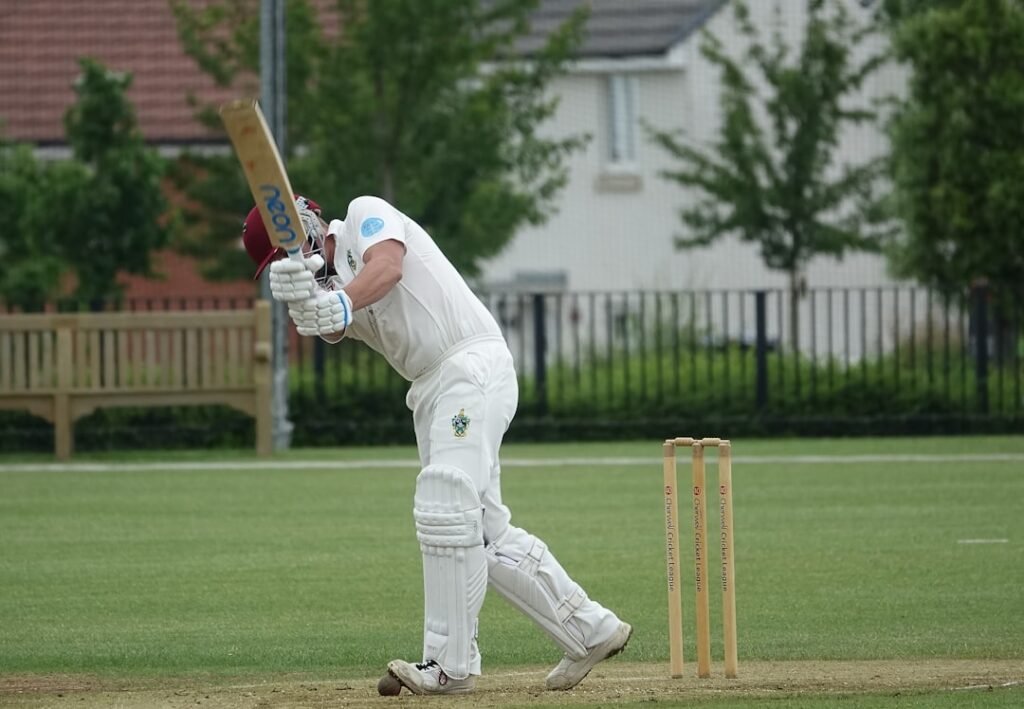
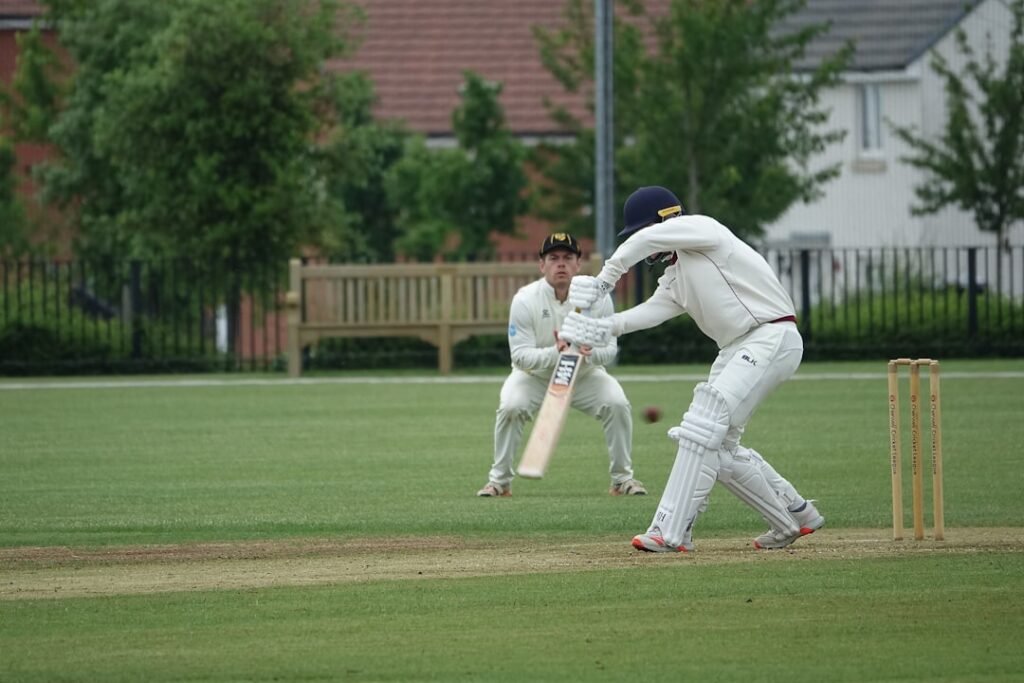
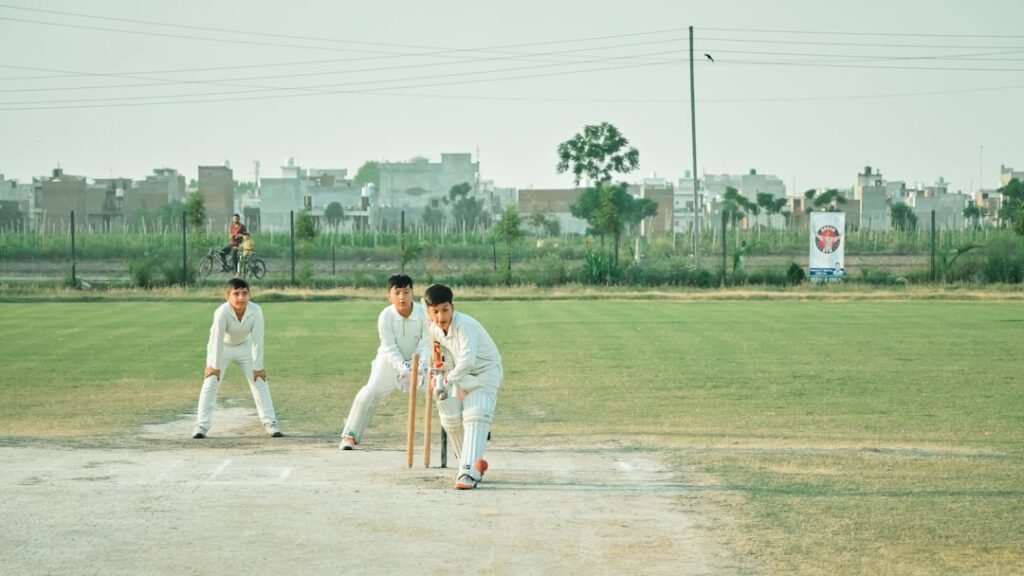
The England and Wales Cricket Board (ECB) is exploring strategies to mend its strained relationship with county cricket amid ongoing concerns over player development and the future of the domestic game. Discussions are expected to focus on enhancing collaboration and support for county teams while addressing the scheduling conflicts that have hindered player participation.
ECB Chief Executive Officer Richard Gould emphasized the necessity of a strong partnership with county cricket. “We recognize that county cricket plays a vital role in nurturing talent and sustaining the sport in England,” Gould stated.
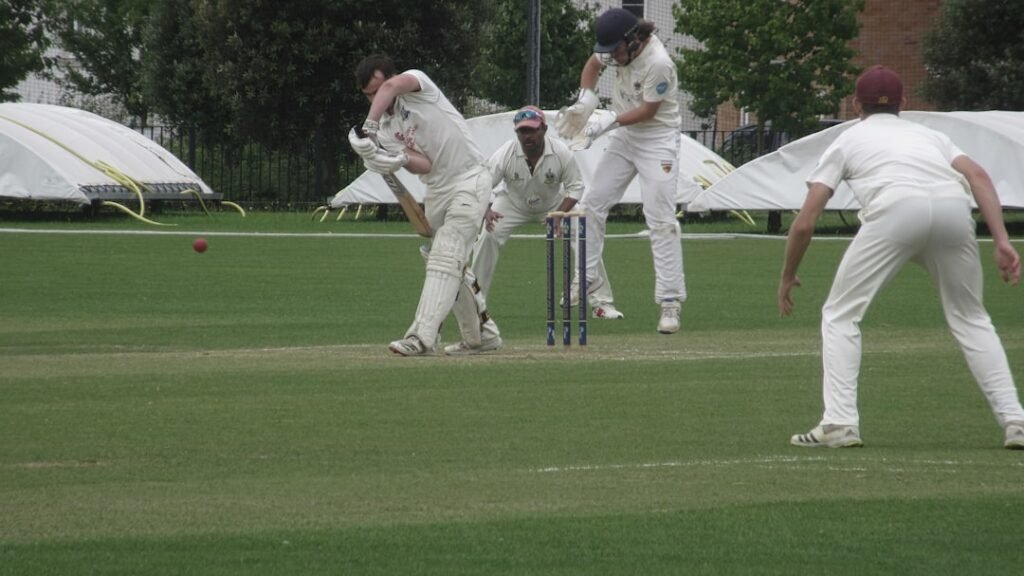
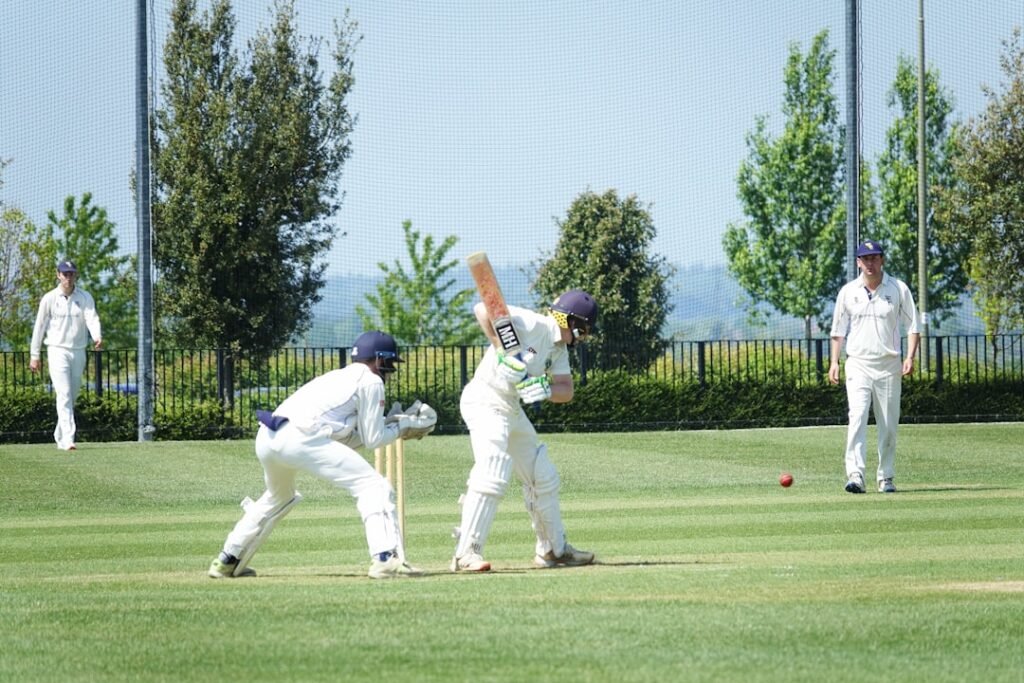
One proposed solution includes a revised domestic schedule that minimizes clashes with international fixtures, allowing players to participate fully in both formats. Additionally, there are calls for improved financial support for counties to bolster grassroots initiatives and youth development programs.
Further recommendations include enhancing player pathways to ensure a smoother transition from county to international cricket. Stakeholders are advocating for increased communication between the ECB and county boards to foster transparency and collaboration.
The ECB is also considering the establishment of a dedicated task force to identify specific areas where support and resources can be allocated more effectively to counties. This would involve regular feedback sessions with county representatives to gauge the impact of any changes.
The underlying tension between the ECB and county cricket has intensified in recent years, with many counties expressing dissatisfaction over issues such as funding, scheduling, and the overall direction of the domestic game. The ECB’s recent focus on The Hundred tournament has also drawn criticism for diverting attention and resources away from traditional formats.
With the future of county cricket at stake, the ECB is under pressure to implement changes swiftly. The success of these initiatives could redefine the relationship between the governing body and the counties, ensuring a more sustainable and collaborative future for English cricket.
The ECB was formed in 1997 to regulate and promote cricket in England and Wales. Since then, it has faced various challenges regarding the balance between international and domestic cricket, particularly in light of evolving fan interests and the demands of the professional game.
Source: news source