
































































































































































































































































































































































































































































































































































































































































































































































































































































































































































































































































































































































































































































































































































































































































































































































































































































































































































































































































































































































































































































































































































































































































































































































































































































































































































































































































































































































































































































































































































































































































































































































































































































































































Historical Diets: Food Consumed in Connecticut During Revolution

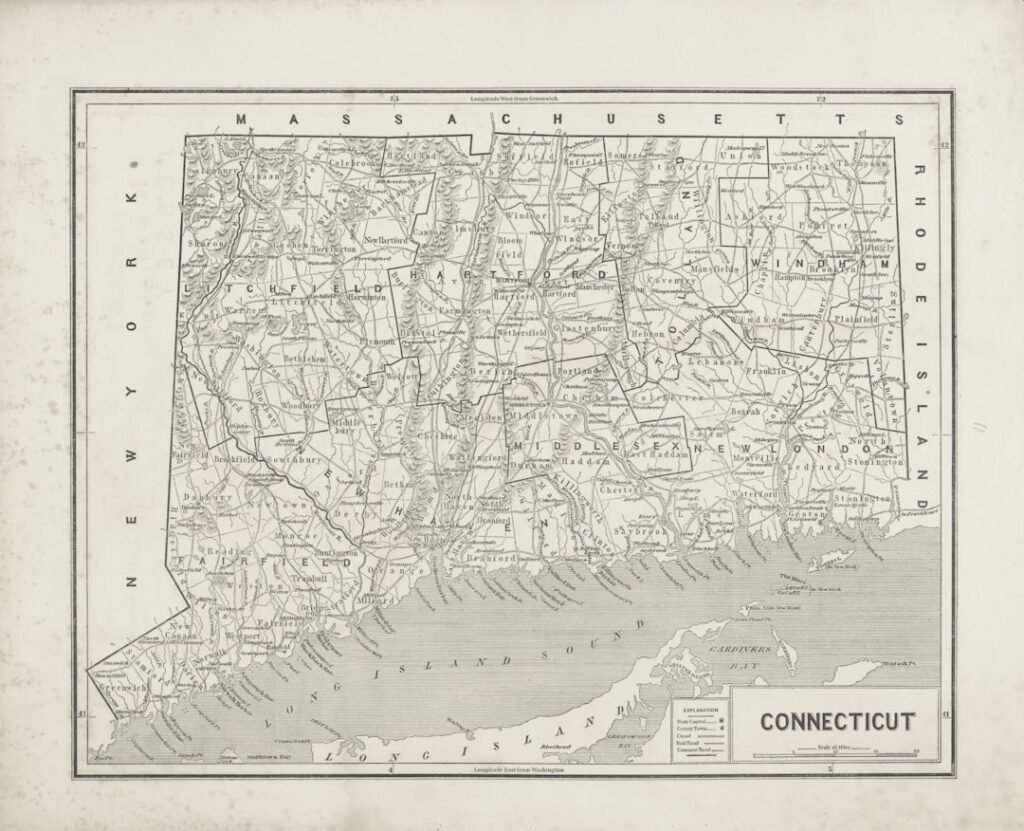
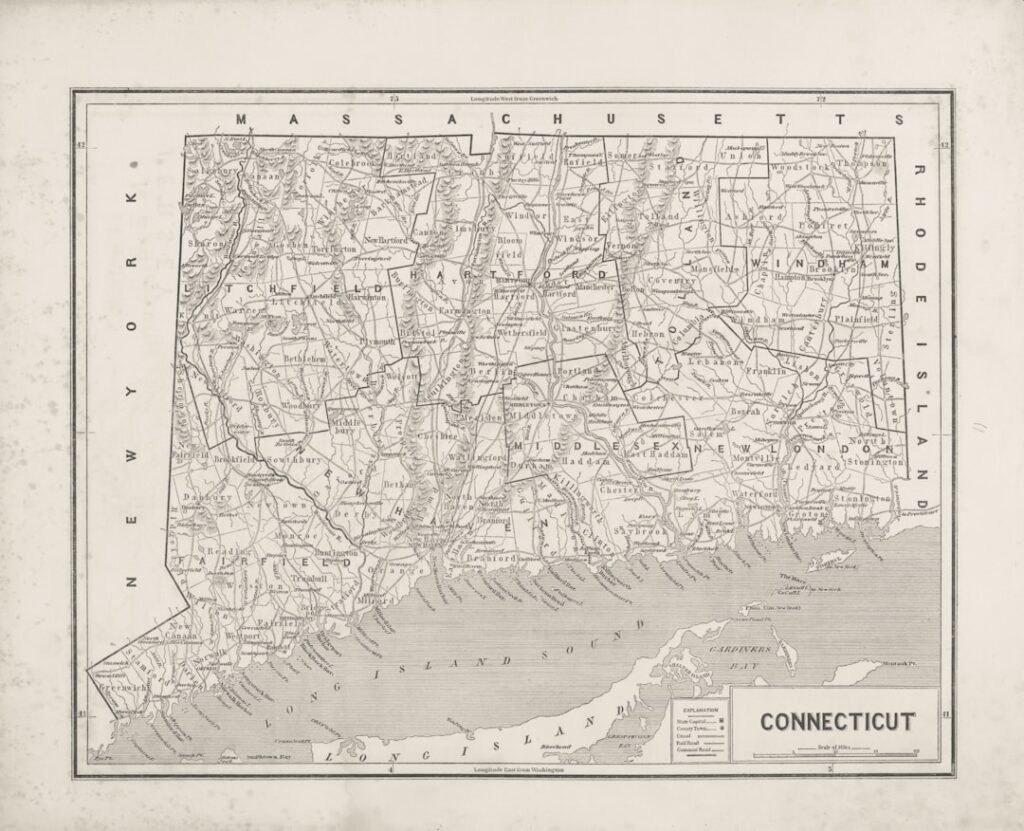
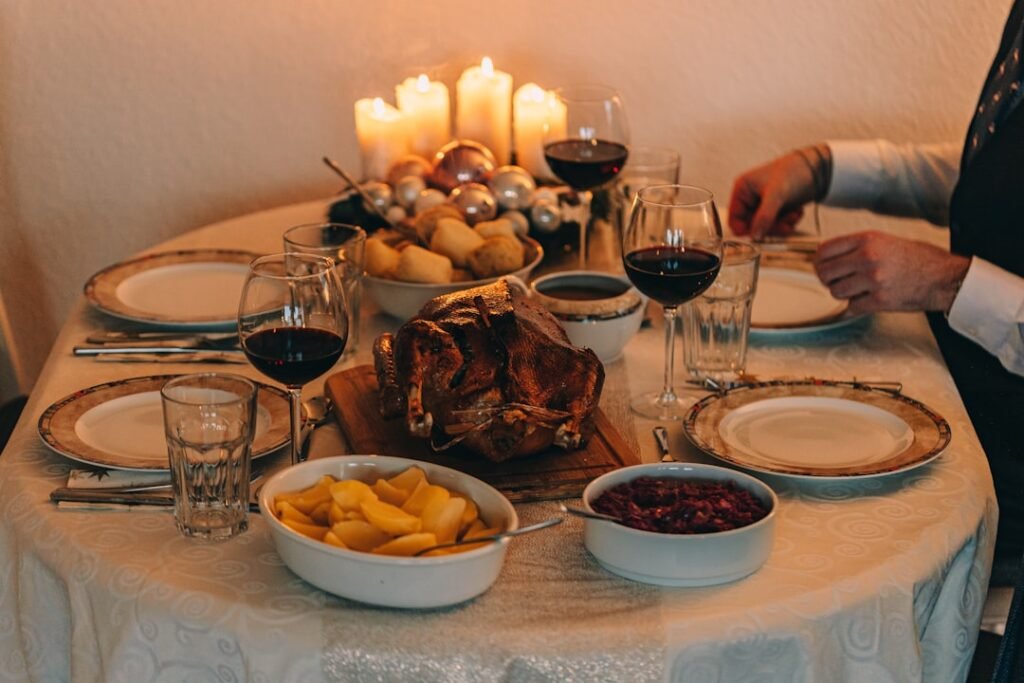
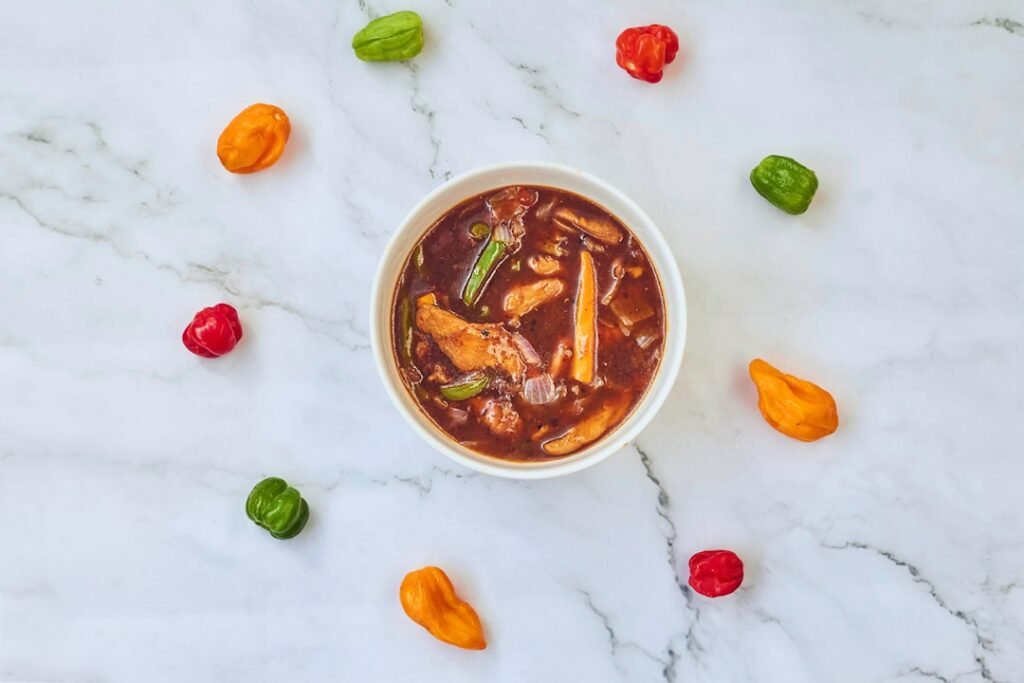
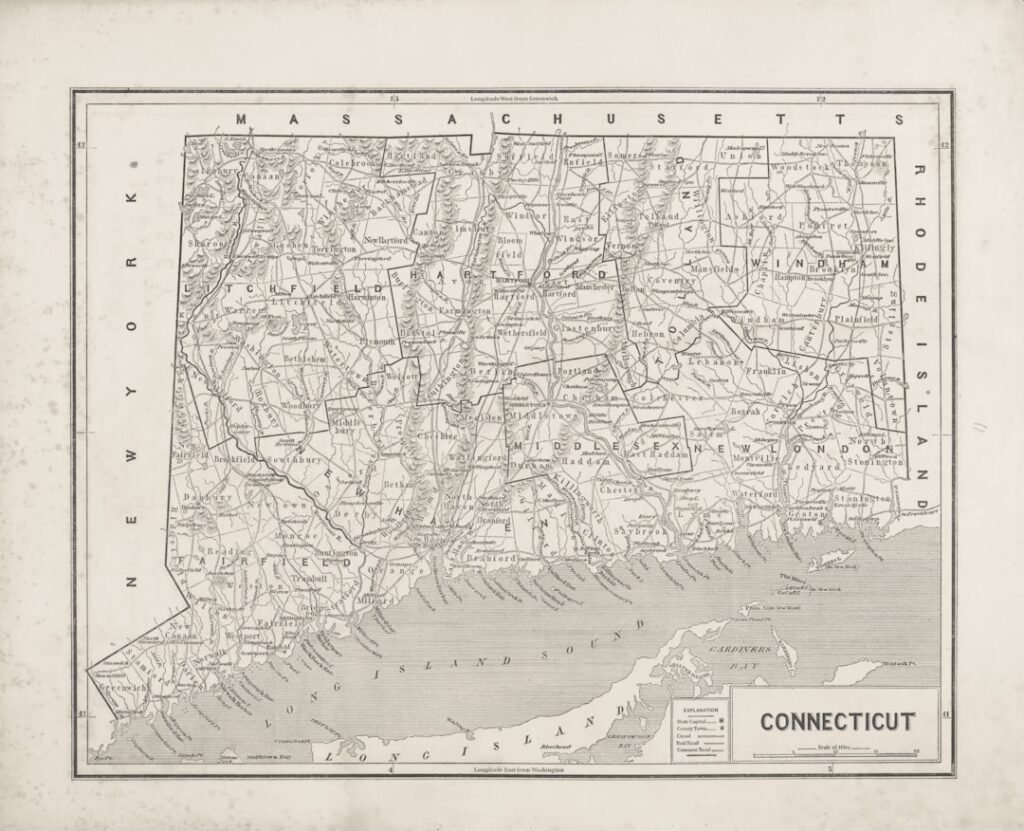
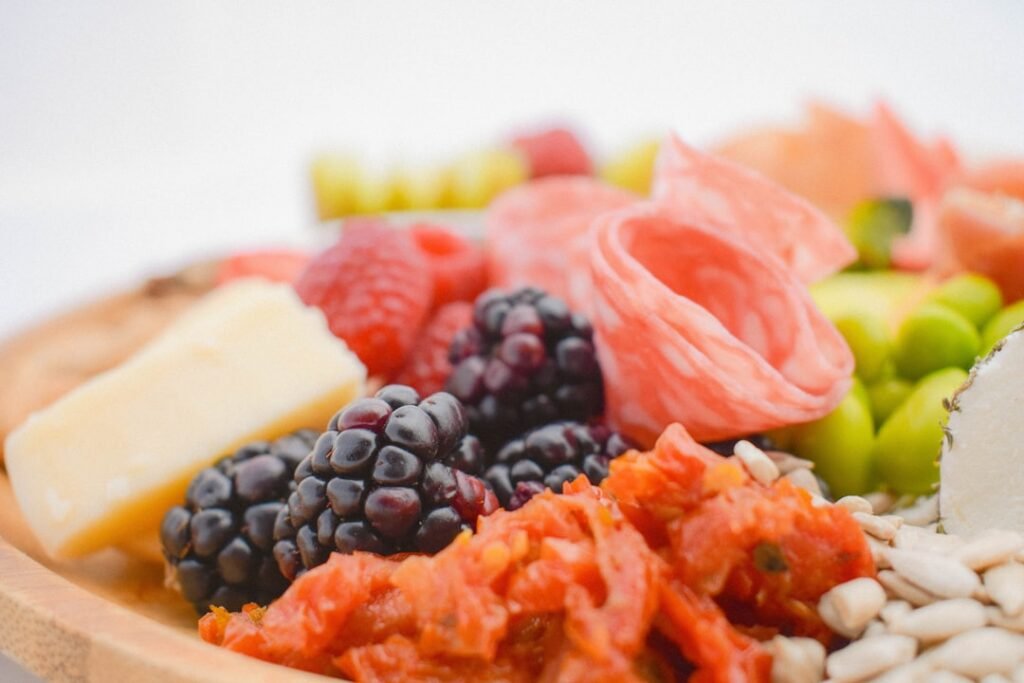
Residents of Connecticut during the American Revolution consumed a variety of foods, including beaver tails, eels, and stew. A recent study highlights how local diets reflected the availability of resources and the challenges of wartime scarcity. The findings are part of an ongoing effort to understand how historic events influenced dietary habits.
Researchers examined historical records and diaries to compile lists of foods commonly consumed. “The foods were not just a matter of choice but necessity,” said the study’s lead author. “The reliance on local resources shaped the diets of these communities.”
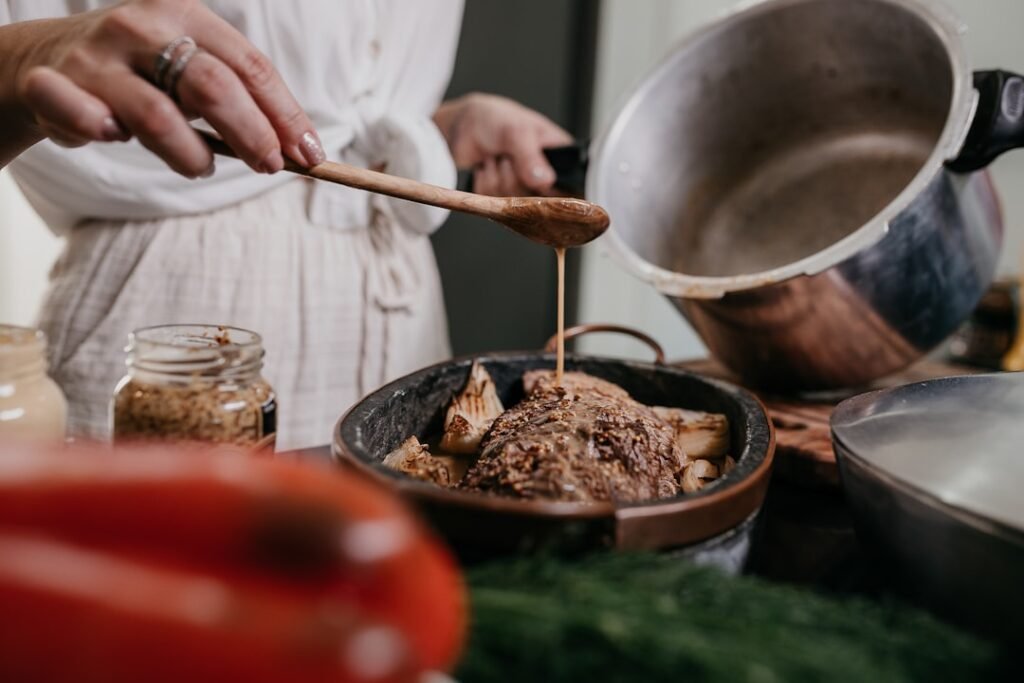
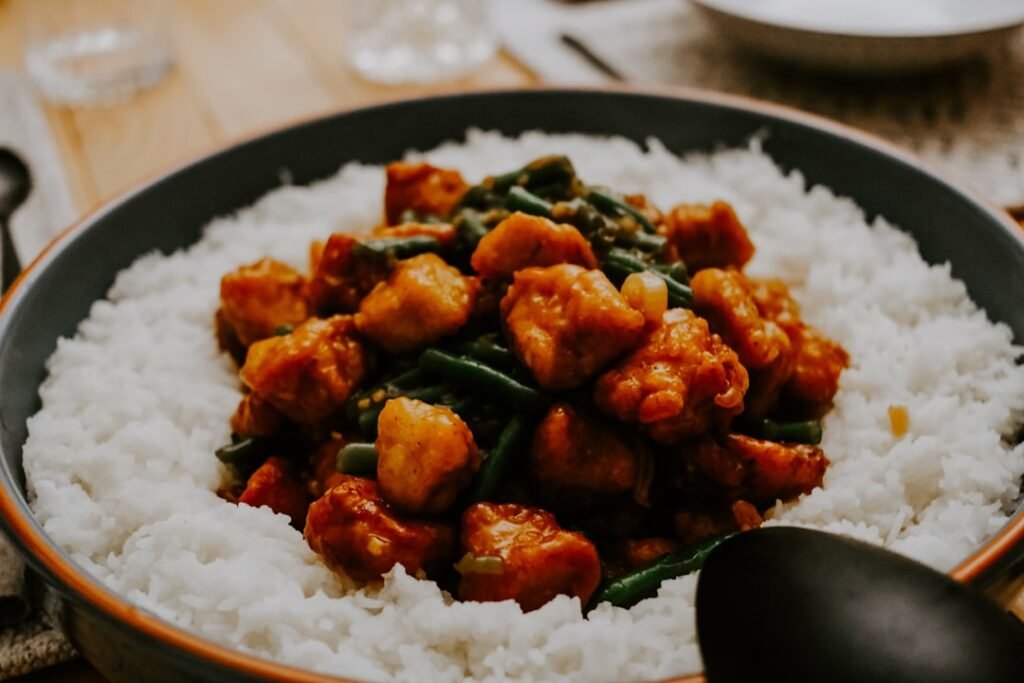
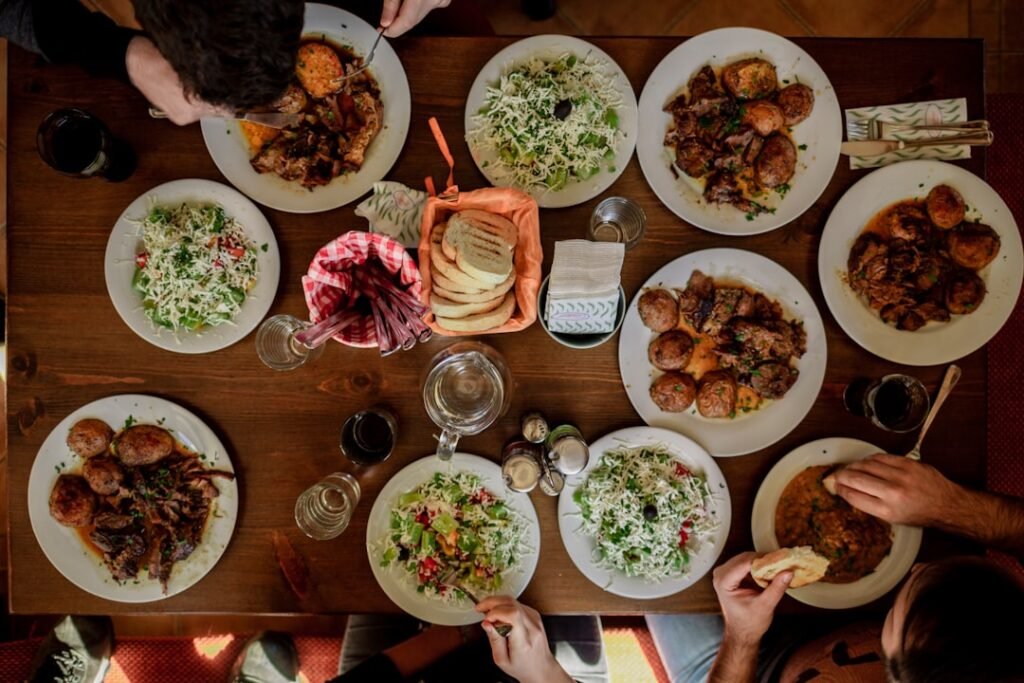
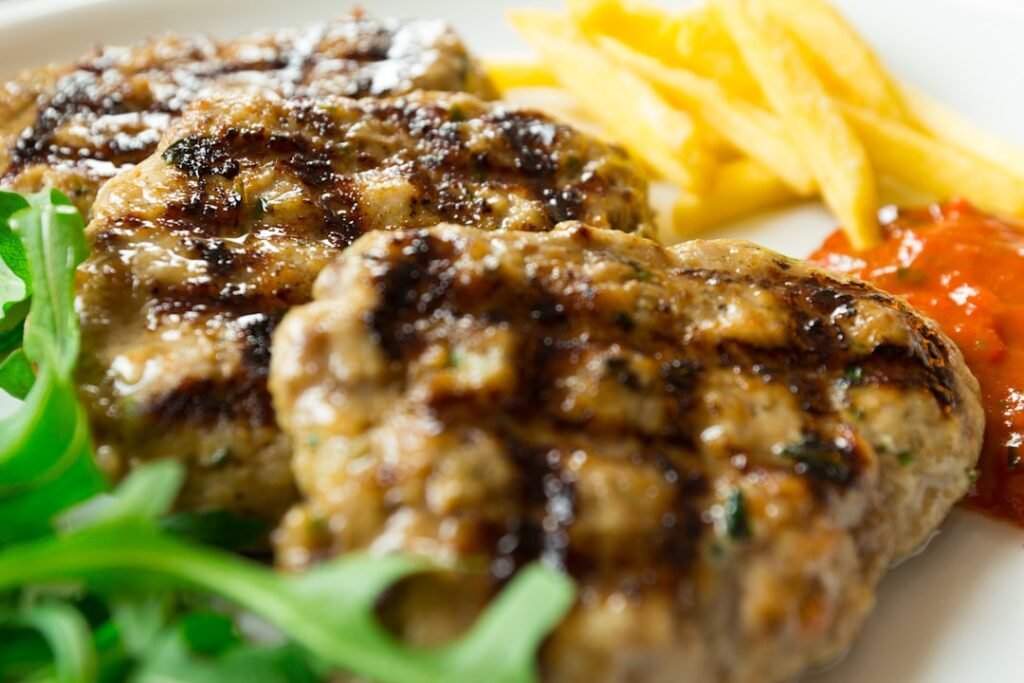
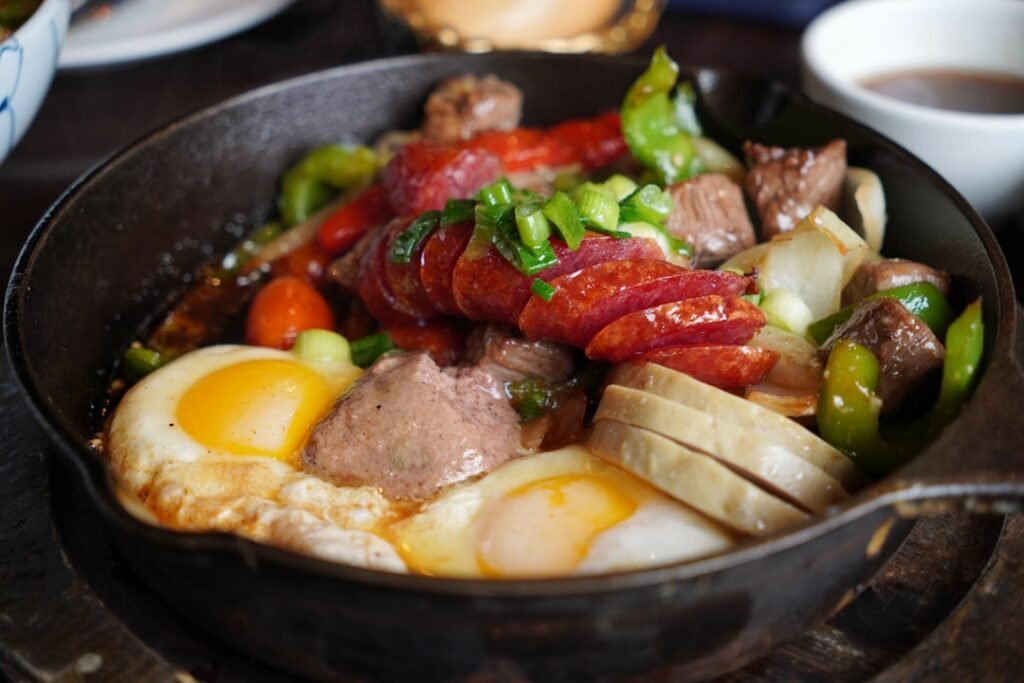
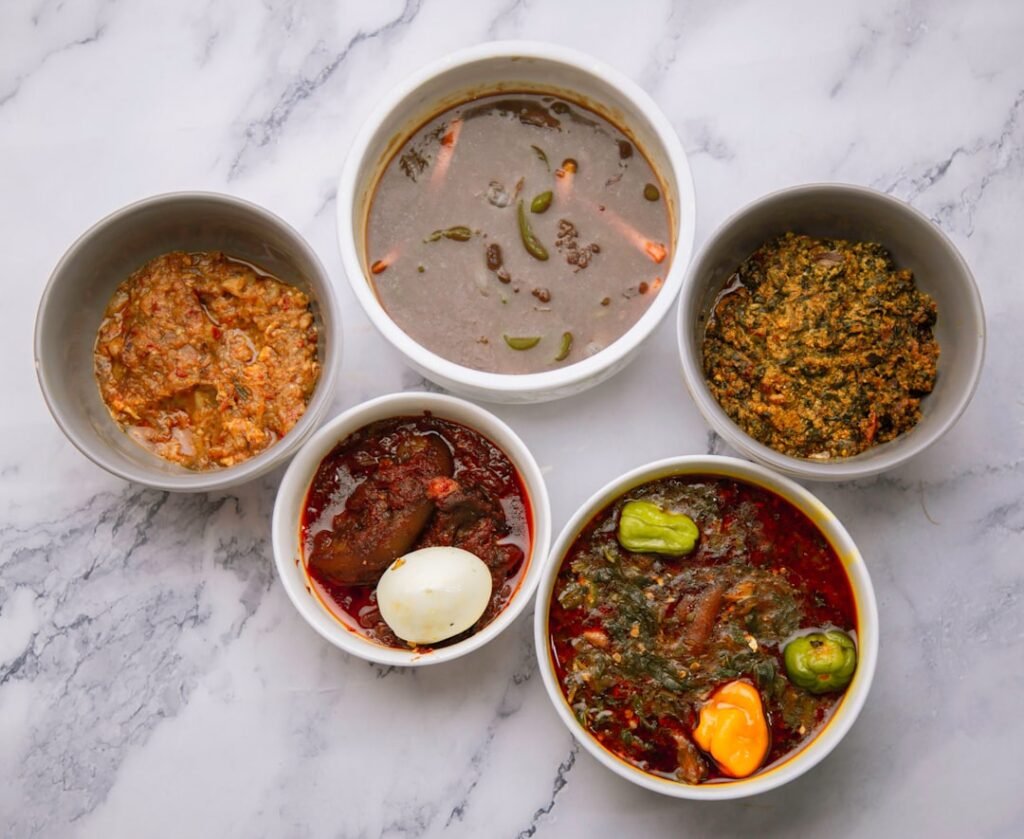
The study indicates that many meals were based on what was locally available, with beaver tails and eels being significant sources of protein. Stews made from various meats and vegetables were also prevalent, as they allowed families to stretch their ingredients further.
Fishing and hunting played crucial roles in sustaining these communities. The war disrupted trade routes, making it difficult to obtain certain goods. As a result, residents often turned to alternative sources of food that could be hunted or gathered locally.
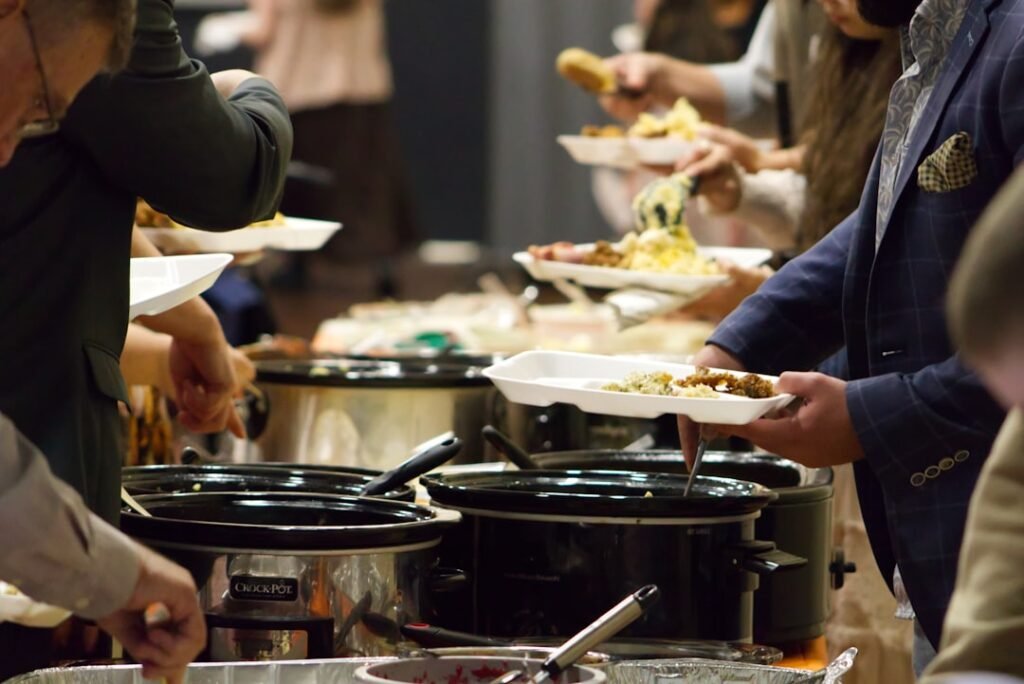
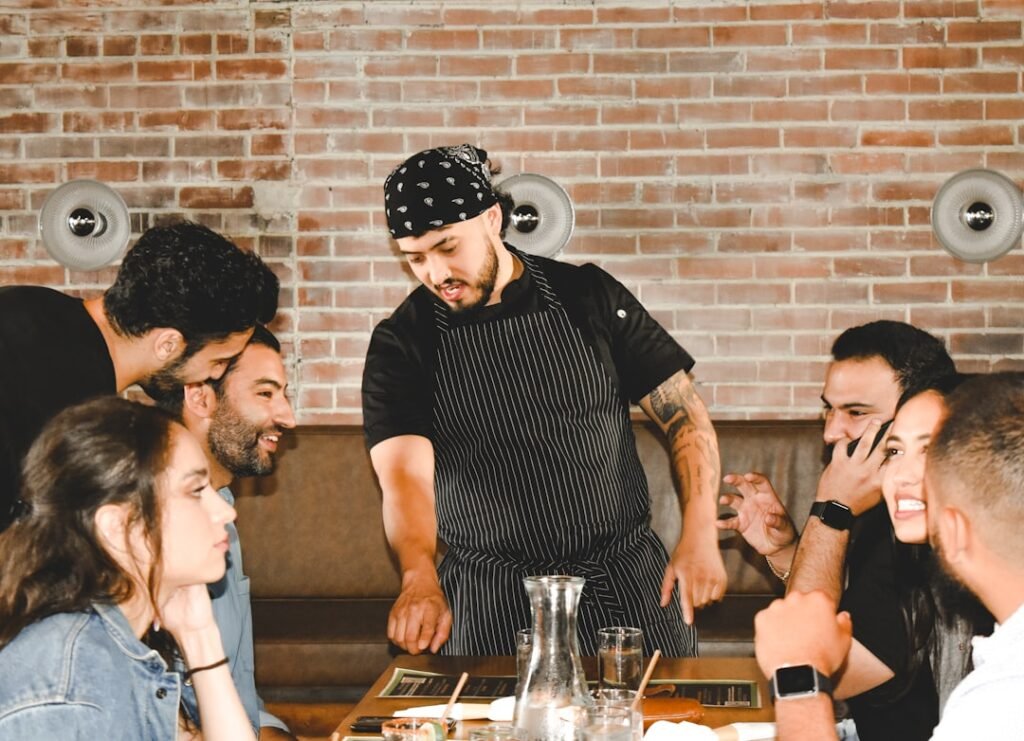
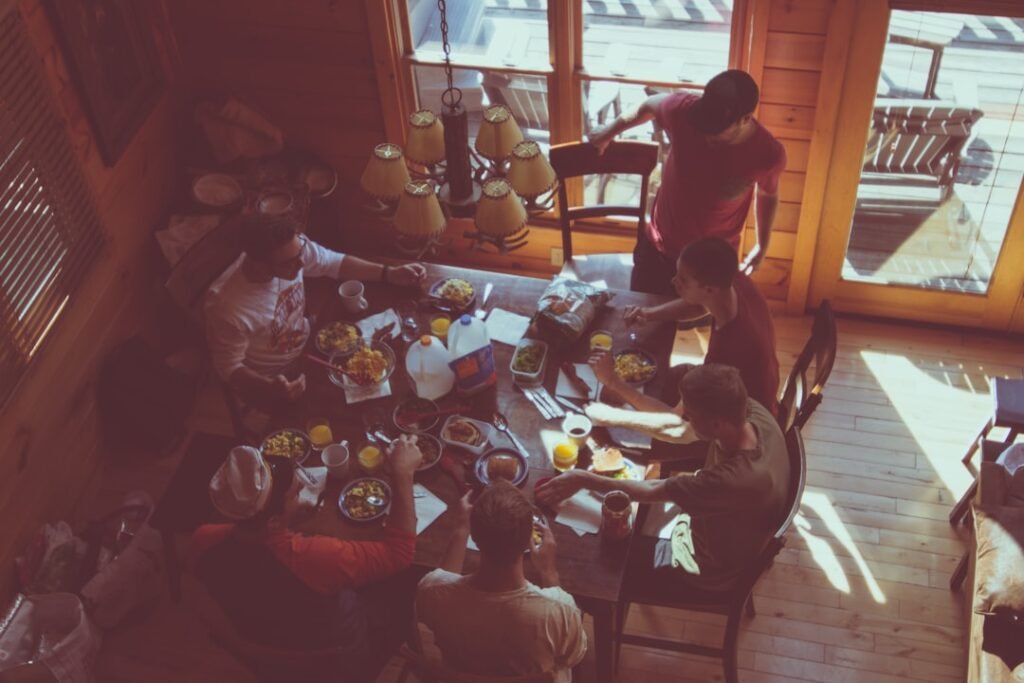
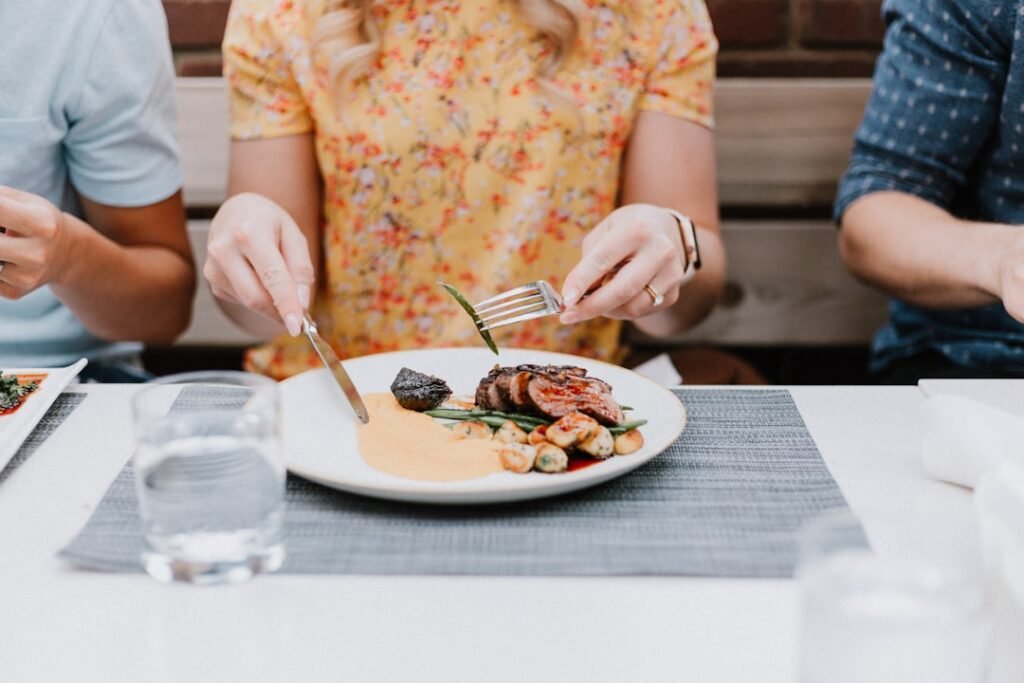
In addition to the unique foods, the study provides insights into the social aspects of dining during that era. Meals were often communal, reinforcing community bonds during a time of uncertainty.
This research adds to a growing body of work that examines the impact of the Revolutionary War on daily life. Understanding what people ate offers a glimpse into their resilience and adaptability in challenging times.
The study serves as a reminder of how historical events shape culinary traditions and local diets. By exploring these dietary habits, researchers hope to foster a deeper appreciation for Connecticut’s historical culture.
Source: news source