






















































































































































































































































































































































































































































































































































































































































































































































































































































































































































































































































































































































































































































































































































































































































































































































































































































































































































































































































































































































































































































































































































































































































































































































































































































































































































































































































































































































































































































































































































































































































































































































































































































































































Companies in Conflict Zones: Navigating Risks with Better Guidance

In today’s global marketplace, companies in conflict zones face unique challenges that require careful navigation. Operating in areas plagued by violence, political instability, and humanitarian issues can significantly impact a company’s reputation and financial stability. As such, there is an urgent need for comprehensive guidance to help these companies manage risks effectively while adhering to ethical standards.
Understanding the Landscape of Companies in Conflict Zones
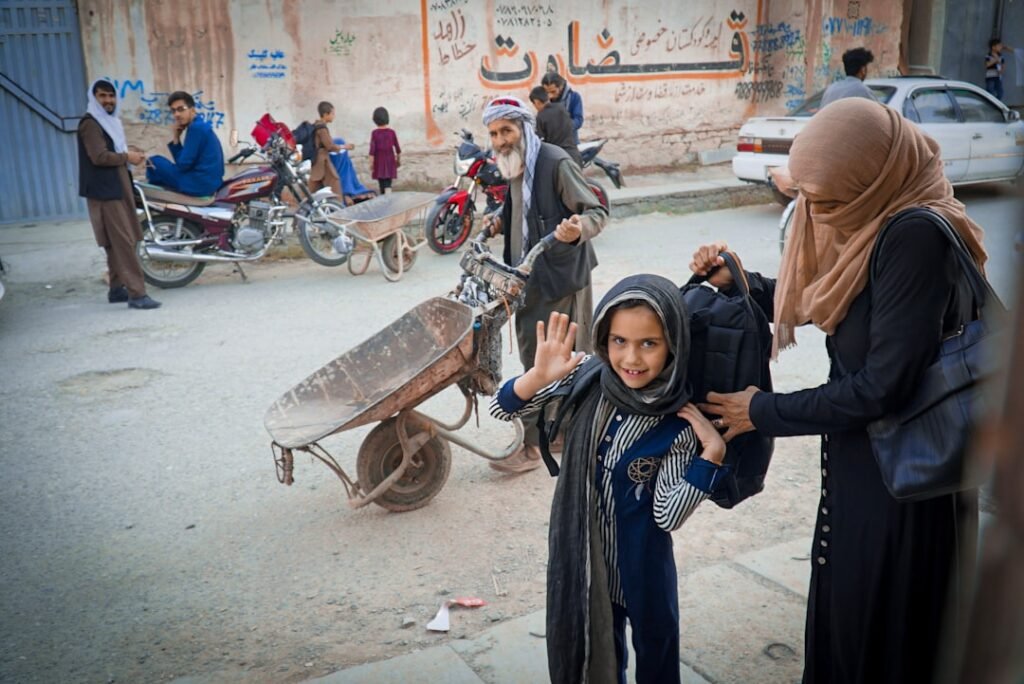
Companies operating in conflict zones must understand the complexities of their environment. These regions often experience:
- High levels of violence and civil unrest
- Weak legal and regulatory frameworks
- Increased risk of human rights violations
- Supply chain disruptions
- Negative public perception and stakeholder concerns
As businesses navigate these uncertainties, they must prioritize ethical considerations alongside profitability. This dual focus can safeguard their investments and bolster their reputation in an increasingly socially conscious market.
The Need for Comprehensive Guidance
Currently, companies in conflict zones often lack clear and structured guidance on how to operate responsibly. Although various organizations offer frameworks, many businesses feel overwhelmed by the complexity of the information available. As a result, a more streamlined approach to guidance is necessary.
Key areas where guidance is needed include:
- Risk Assessment: Understanding the specific risks associated with operating in a conflict zone.
- Legal Compliance: Navigating local laws and international regulations.
- Stakeholder Engagement: Building relationships with local communities and governments.
- Human Rights Due Diligence: Implementing policies to prevent human rights abuses.
- Crisis Management: Preparing for potential emergencies and disruptions.
Strategies for Companies Operating in Conflict Zones
To mitigate risks, companies in conflict zones can adopt several effective strategies. First, conducting thorough risk assessments enables businesses to identify vulnerabilities and develop tailored responses. Collaborating with local NGOs can enhance understanding of community needs and foster goodwill.
Furthermore, companies should invest in training programs for employees. These programs can address the unique challenges posed by conflict zones, ensuring that employees can navigate complex social dynamics and maintain operational integrity.
Building a Framework for Success
Establishing a framework for success in conflict zones involves multiple stakeholders, including governments, civil society, and the private sector. Companies can benefit from:
- Partnerships with local organizations to enhance credibility
- Participation in multi-stakeholder initiatives focused on conflict resolution
- Access to resources that promote best practices in ethical business
Collectively, these efforts can lead to more sustainable business practices that respect human rights and contribute to peacebuilding. Positive engagement in conflict zones can also transform a company’s public image, positioning it as a leader in responsible business.
Conclusion: The Path Forward for Companies in Conflict Zones
As more companies explore opportunities in conflict zones, the demand for clear and effective guidance will only grow. By prioritizing ethical considerations and establishing robust frameworks, businesses can navigate the complexities of these environments responsibly. Ultimately, enhancing guidance for companies in conflict zones will not only protect their interests but also contribute to lasting peace and development in affected areas.
Source: news source