
















































































































































































































































































































































































































































































































































































































































































































































































































































































































































































































































































































































































































































































































































































































































































































































































































































































































































































































































































































































































































































































































































































































































































































































































































































































































































































































































































































































































































































































































































































































Brooklyn Business Owners Call for MTA to Move G Train Shutdowns to Weeknights

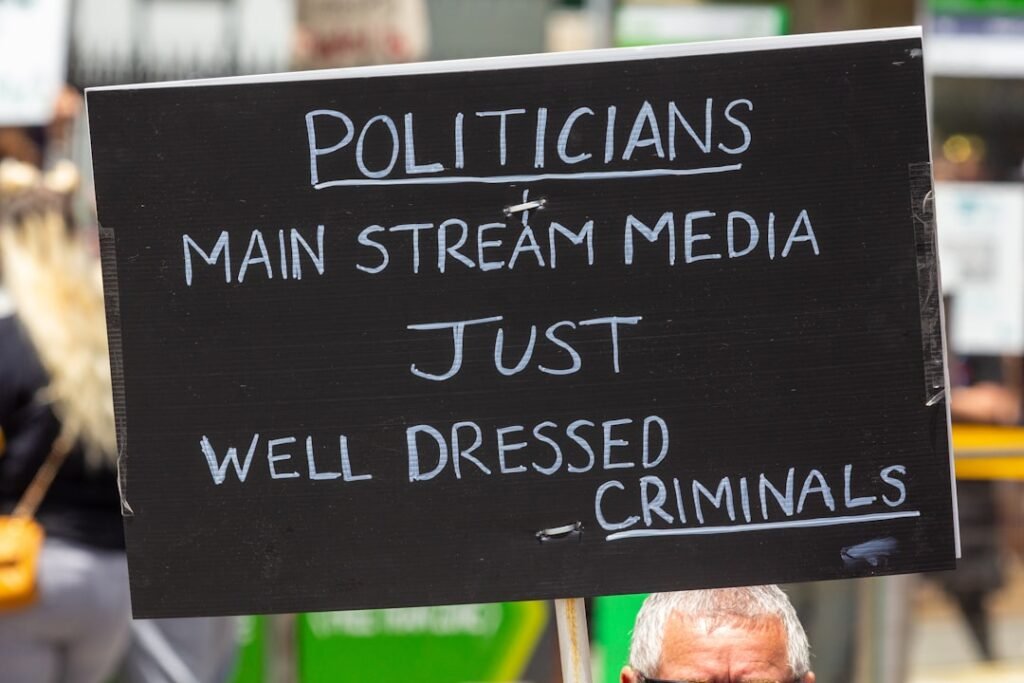
Brooklyn business owners are raising their voices against the ongoing weekend shutdowns of the G train. They are urging the Metropolitan Transportation Authority (MTA) to consider shifting these crucial service interruptions to weeknights instead. The call comes as local businesses face significant losses during the weekends when foot traffic dwindles due to train service disruptions. This article will explore the implications of the G train shutdowns on Brooklyn’s economy and community.
Impact of G Train Weekend Shutdowns on Local Businesses
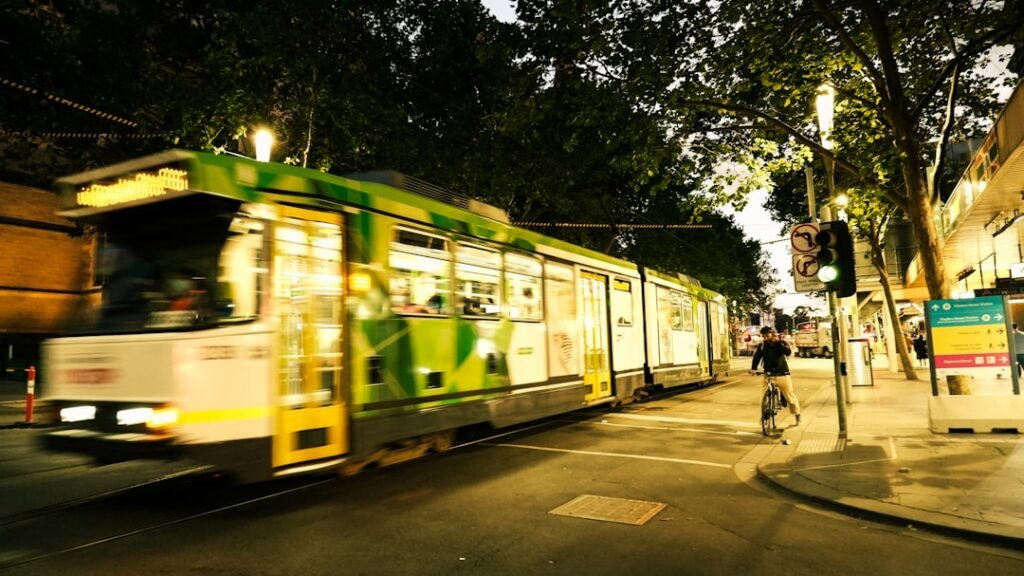
The G train is a vital transit link for many residents in Brooklyn. Weekend shutdowns can lead to a steep decline in customer visits for local shops, restaurants, and service providers. Business owners argue that shifting shutdowns to weeknights would minimize the negative economic impact.
Reasons for the Proposed Change
- Increased Foot Traffic on Weekends: Many businesses rely on weekend customers, and service disruptions can lead to substantial financial losses.
- Weeknights Less Busy: Weeknights generally see less foot traffic, meaning fewer customers would be affected by potential service interruptions.
- Community Support: Local residents and workers have expressed support for this change, seeing it as a way to protect their livelihoods.
The need for a reliable and efficient transportation system is crucial for any urban community. The G train, serving areas like Greenpoint and Long Island City, is essential for connecting neighborhoods and promoting local commerce.
Community Voices: What Business Owners Are Saying
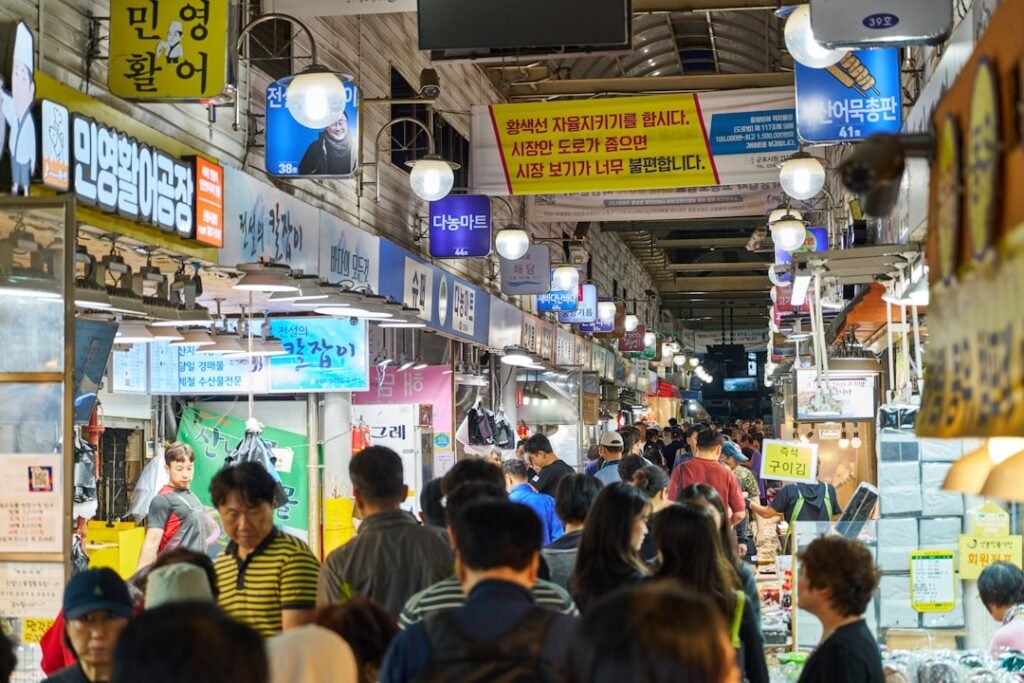
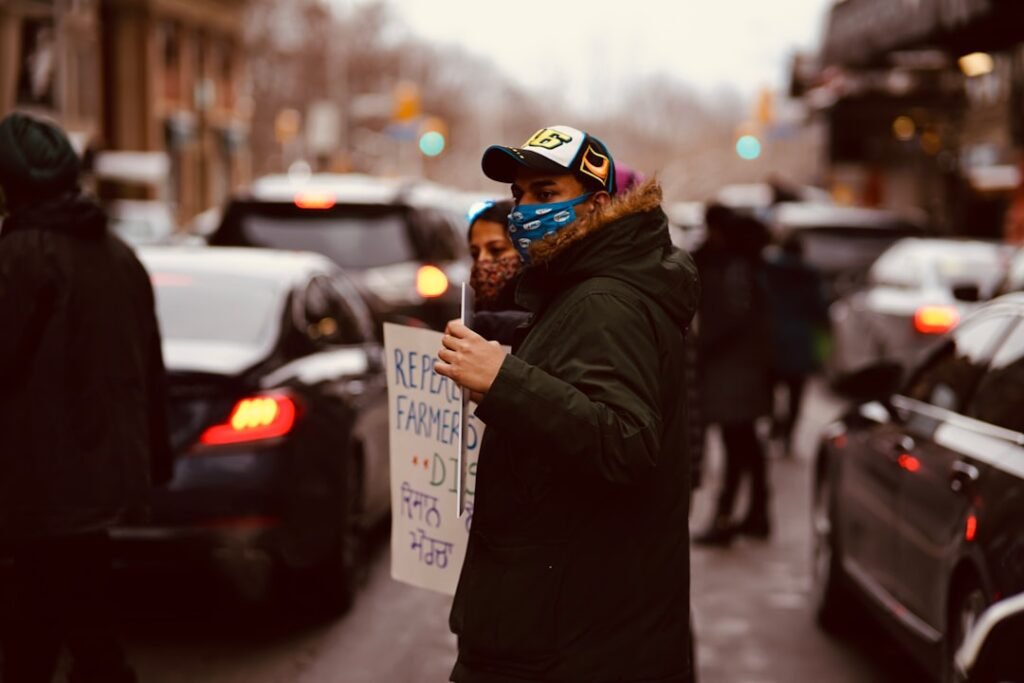
Many Brooklyn business owners have taken to social media and community meetings to voice their concerns. They argue that the current schedule disproportionately affects their ability to attract customers. Business owners have shared their experiences of declining sales and dwindling patronage during weekends when the G train is shut down.
Examples of Local Business Challenges
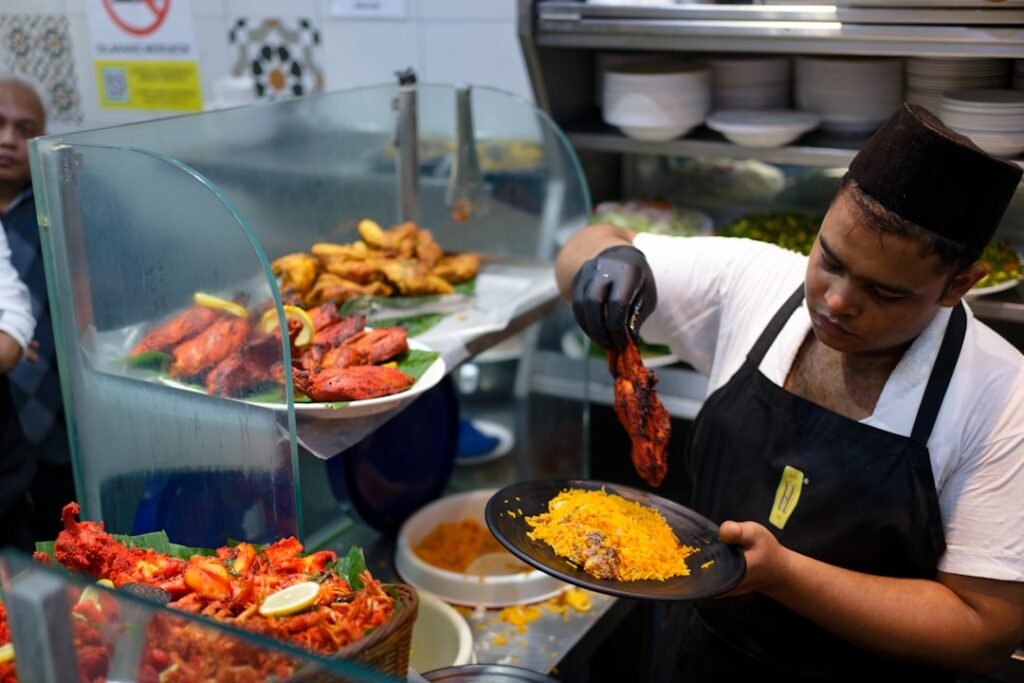
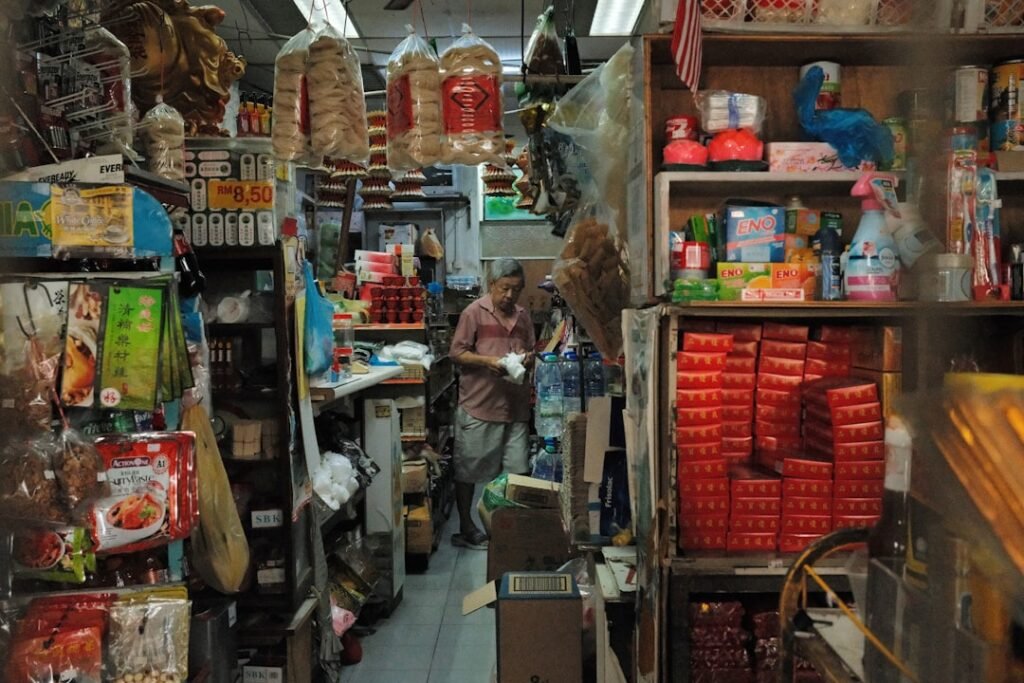
- Restaurants: Popular eateries report a significant drop in diners, particularly during brunch hours.
- Retail Shops: Shops have seen fewer shoppers, especially those dependent on weekend foot traffic.
- Service Providers: Salons and gyms face challenges in retaining clients who rely on easy access to their facilities.
These challenges have sparked a conversation about how public transportation can either support or hinder local business growth in Brooklyn. The community is rallying for a solution that balances the needs of transit with the economic vitality of the area.
Potential Solutions and Alternatives
As Brooklyn business owners push for a change, several potential solutions are being discussed. Shifting G train shutdowns to weeknights could serve as a starting point. However, there are other alternatives that could help alleviate the burden on local businesses.
Exploring Alternative Strategies
- Increased Communication: The MTA could improve communication about upcoming shutdowns to help businesses prepare.
- Promotional Events: Organizing events during the week to draw customers in could mitigate the impact of shutdowns.
- Consideration of Off-Peak Shutdowns: Implementing shutdowns during less busy transit hours could minimize disruption.
These alternatives, when combined with a potential shift in schedule, could create a more favorable environment for both commuters and local businesses. The conversation about the G train shutdowns is evolving, reflecting the interconnectedness of transit and economic health.
Conclusion: The Future of G Train Shutdowns
As the discussion around the G train shutdowns continues, it’s clear that Brooklyn business owners are seeking a path forward that protects their interests while still allowing necessary upgrades and maintenance to occur. Moving shutdowns to weeknights may not be the perfect solution, but it certainly deserves serious consideration. The dialogue between business owners and the MTA is essential for finding a balanced approach that serves the community effectively.
Source: news source