




































































































































































































































































































































































































































































































































































































































































































































































































































































































































































































































































































































































































































































































































































































































































































































































































































































































































































































































































































































































































































































































































































































































































































































































































































































































































































































































































































































































































































































































































Fractures Emerge in Los Angeles Politics Amid Rising Dissatisfaction
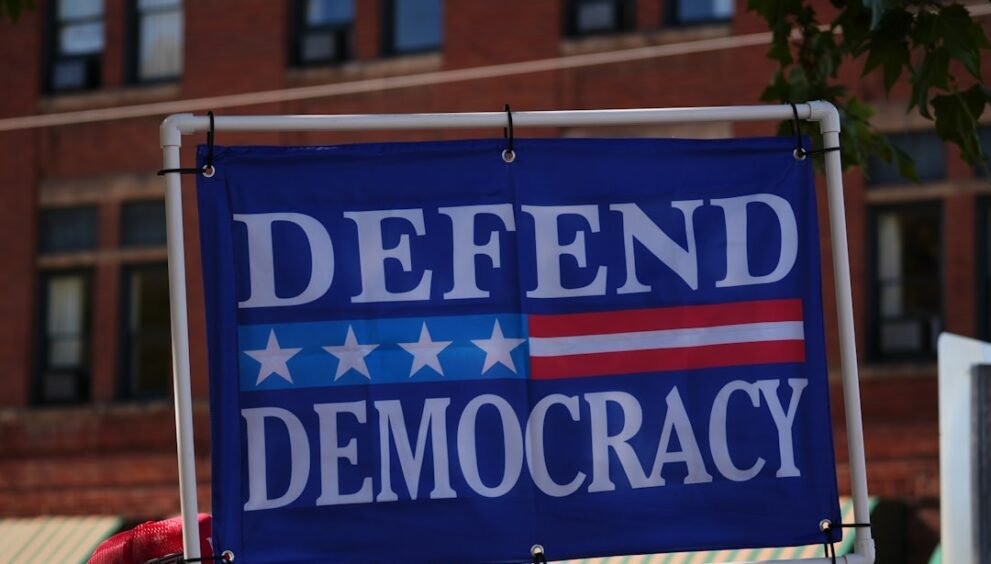
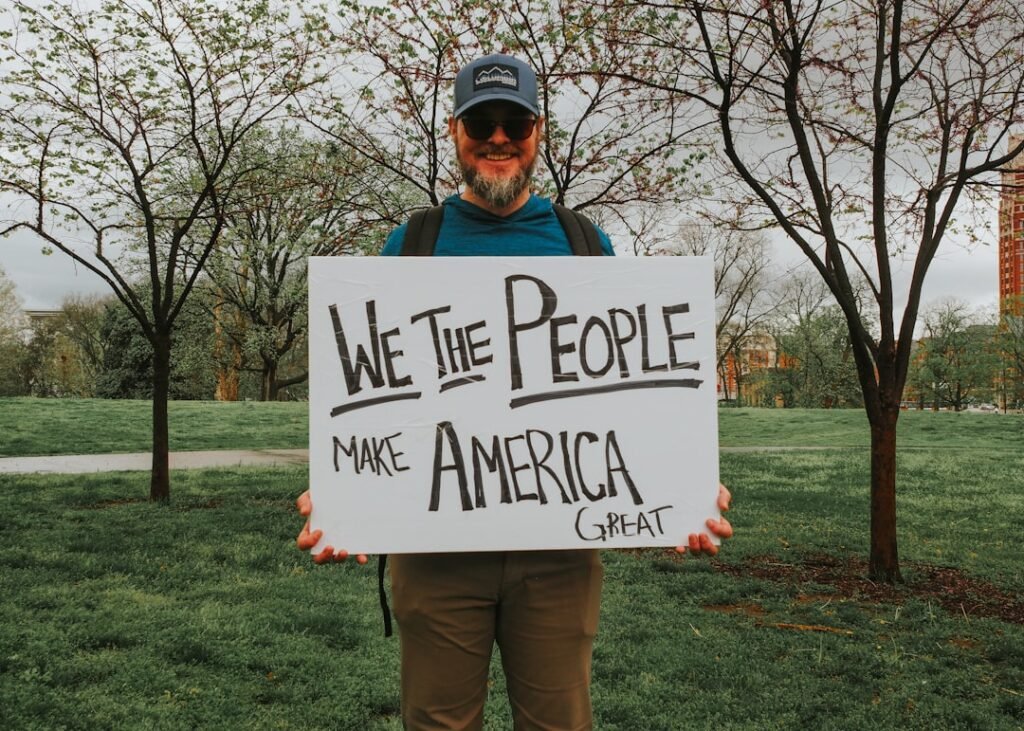
Political divisions are deepening in Los Angeles as dissatisfaction grows among residents, alliances fray, and generational conflicts surface. This shift has become increasingly apparent in recent months, impacting local governance as city leaders address pressing issues like homelessness, public safety, and economic recovery.
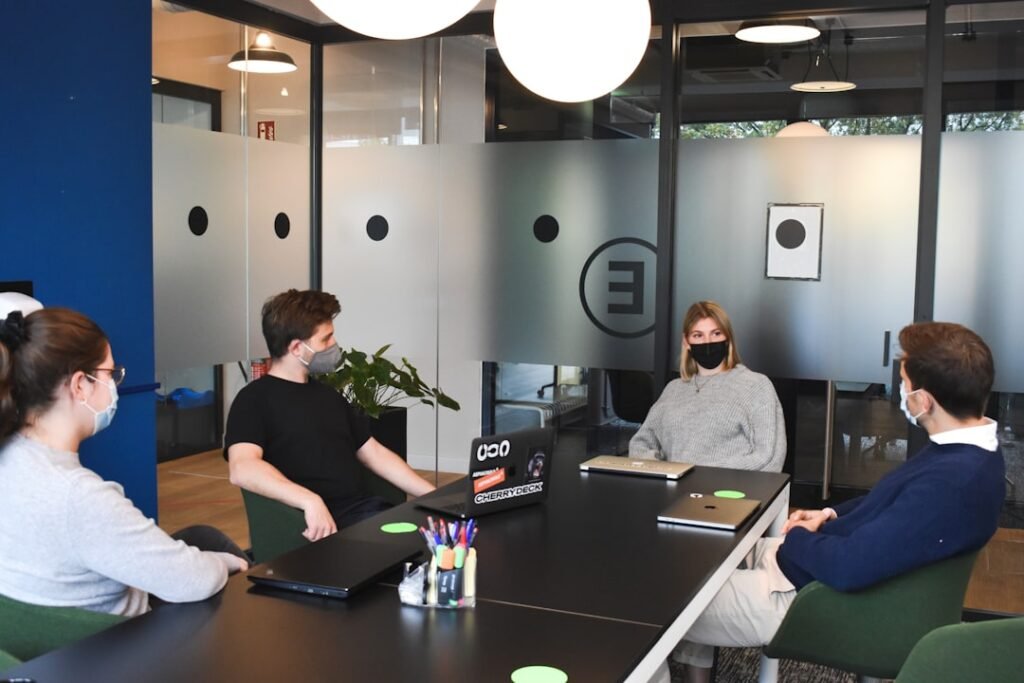
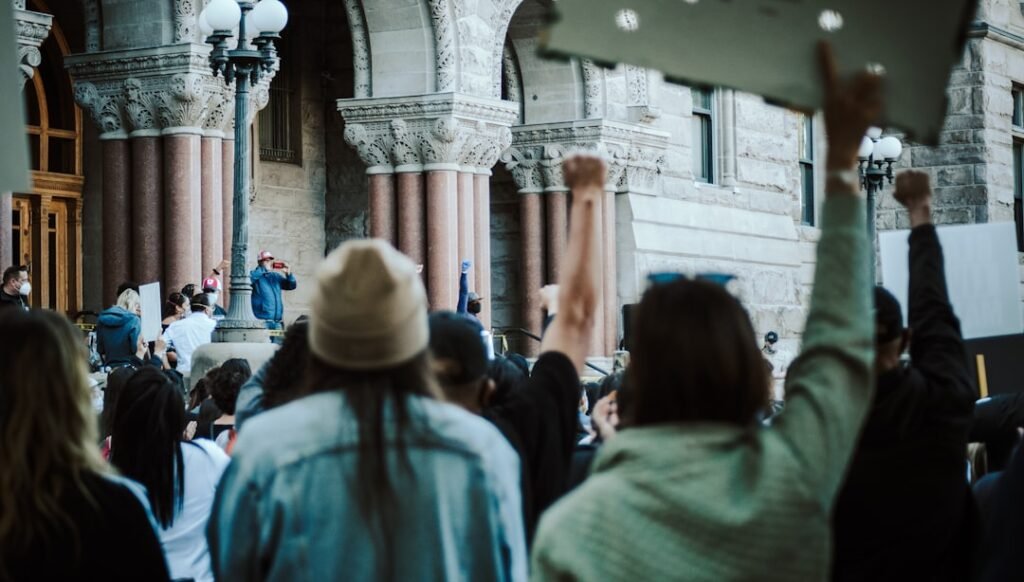
City Council meetings have witnessed heightened tensions, with younger members advocating for progressive policies that often clash with the priorities of long-standing officials. “We need to listen to the voices of a new generation that is demanding change,” said Councilmember Hugo Soto-Martinez, highlighting the urgency of addressing community concerns.
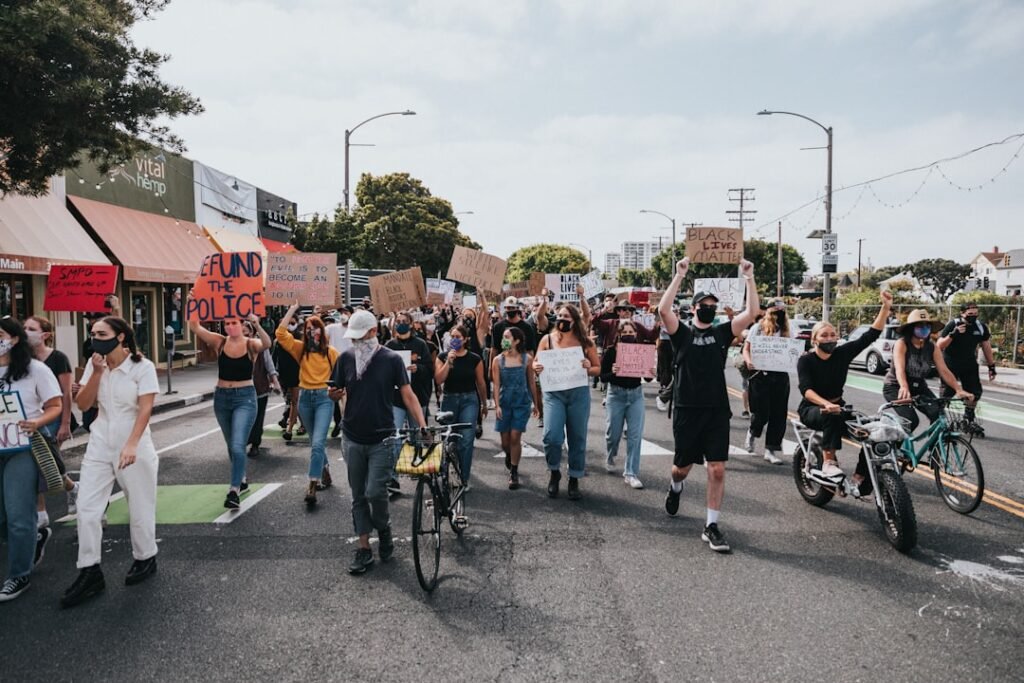
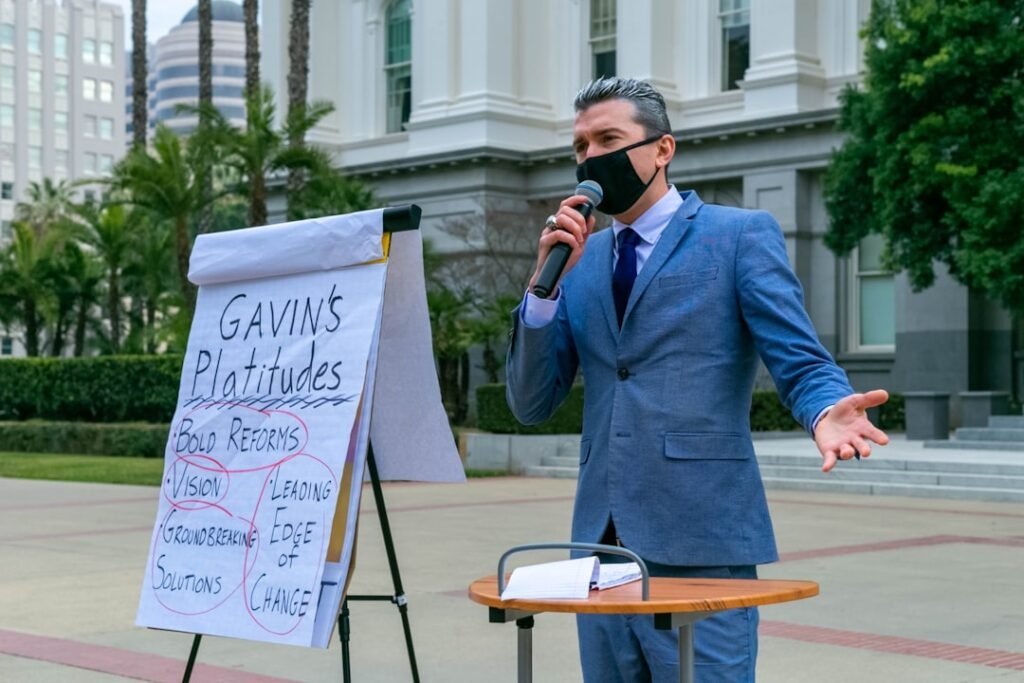
The fractures have led to public disputes over resource allocation, particularly in neighborhoods most affected by crime and economic disparity. Critics argue the current leadership is out of touch with the realities facing many Angelenos, particularly younger voters who favor bold reforms.
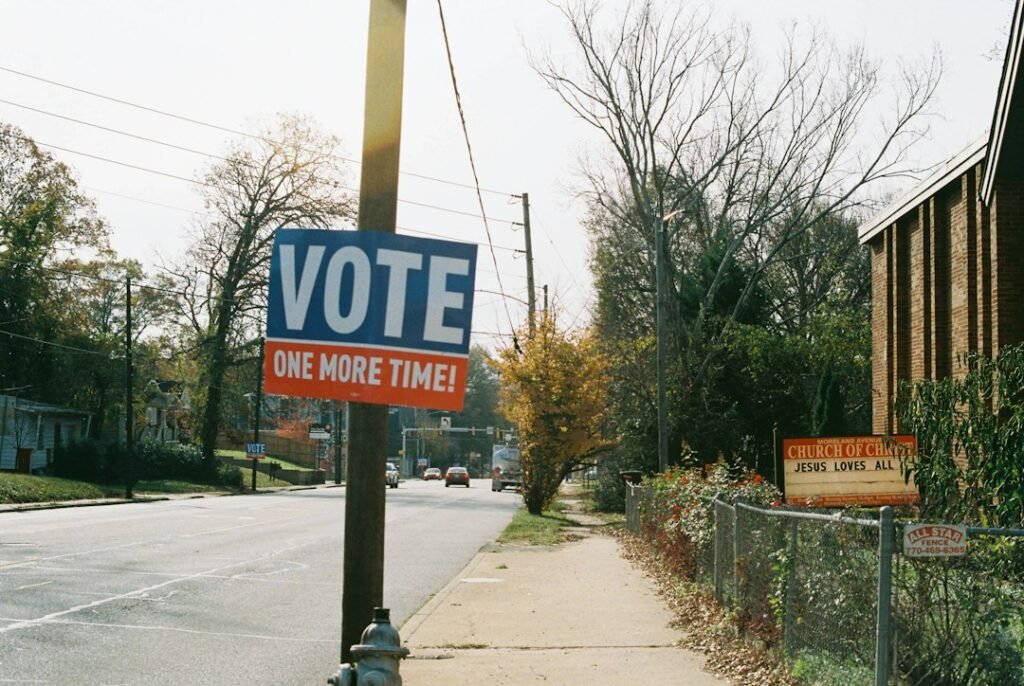
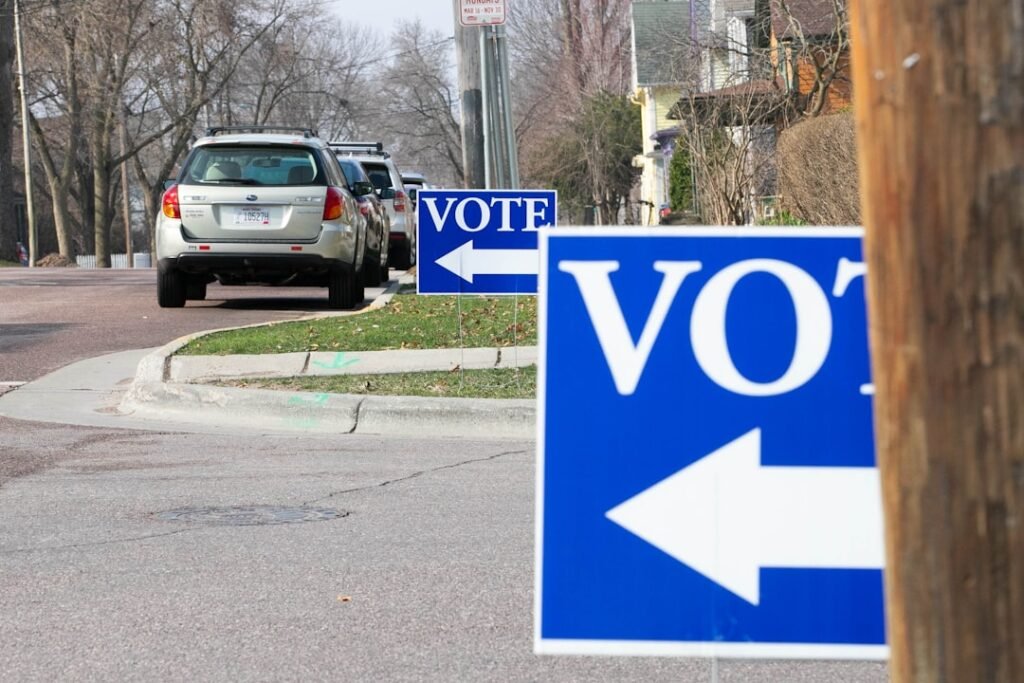
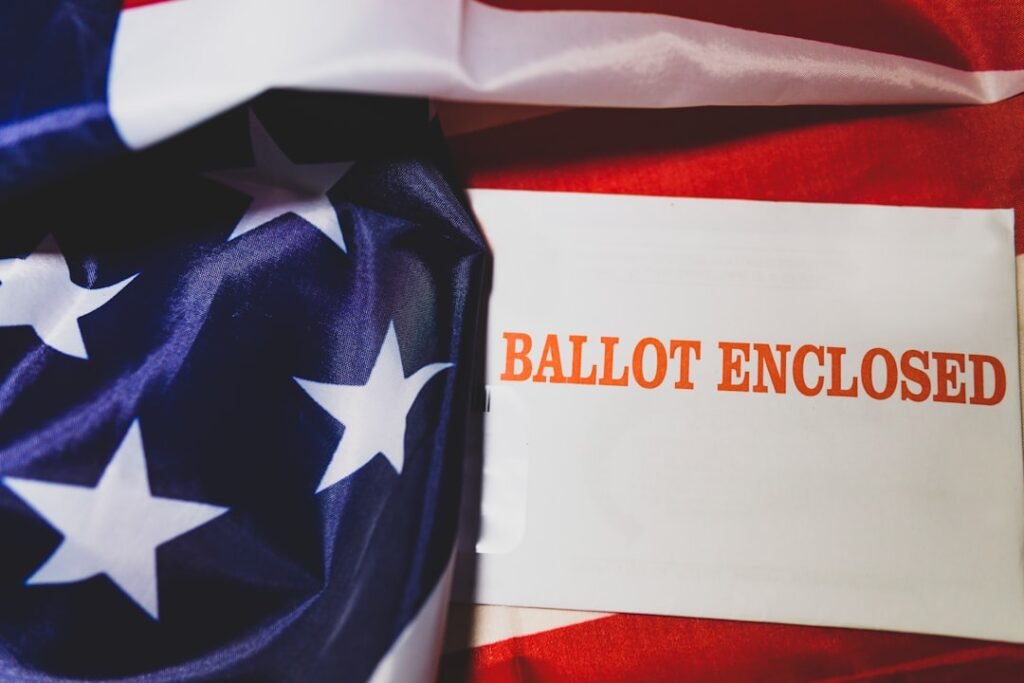
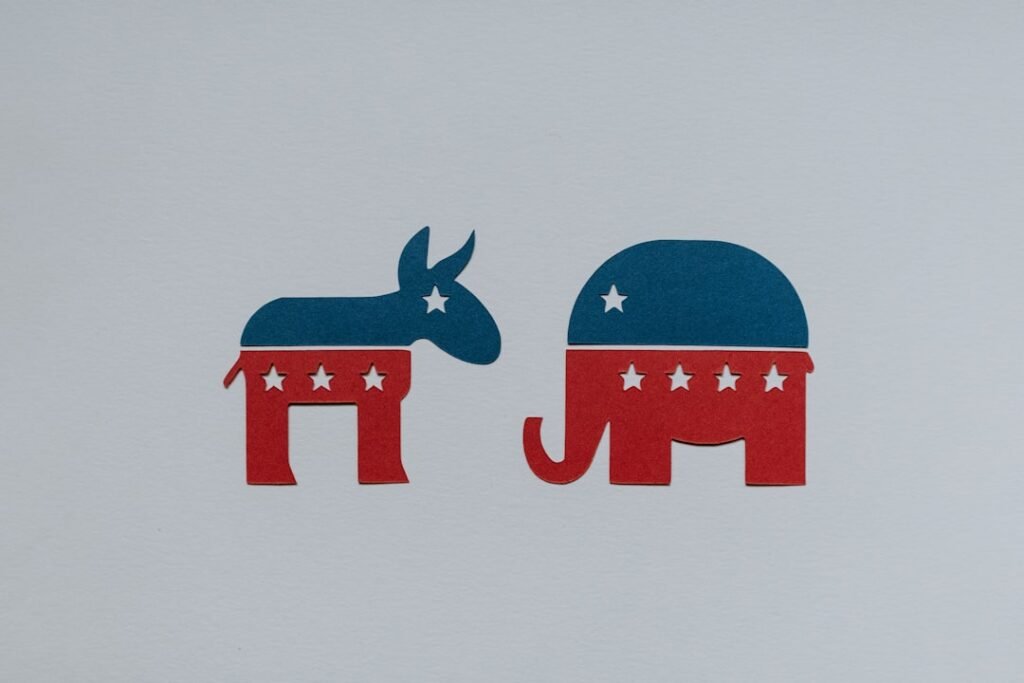
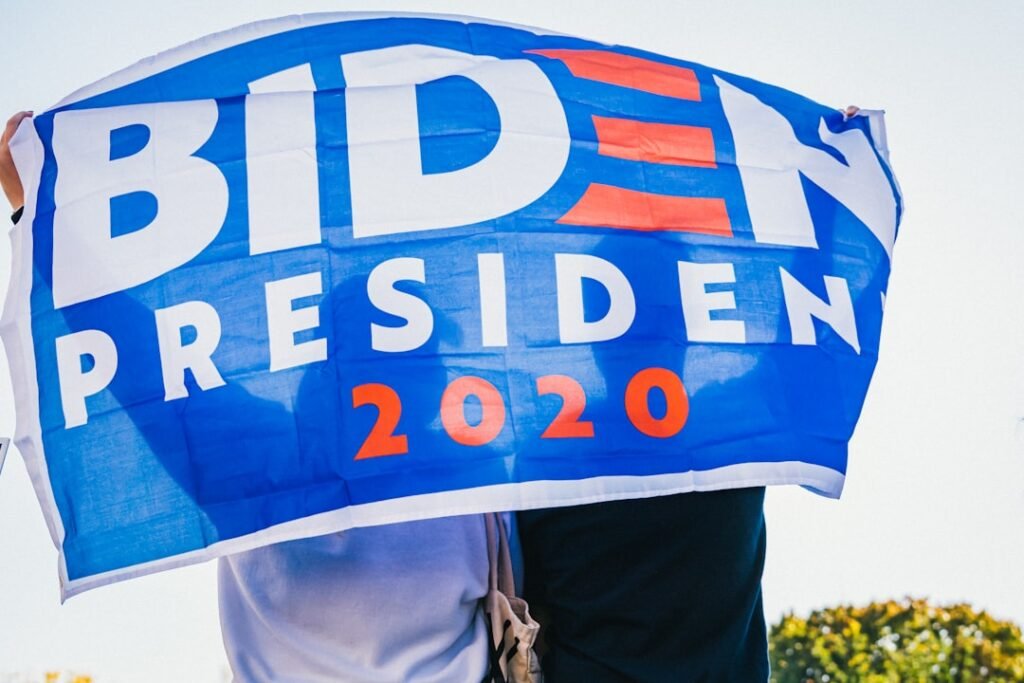
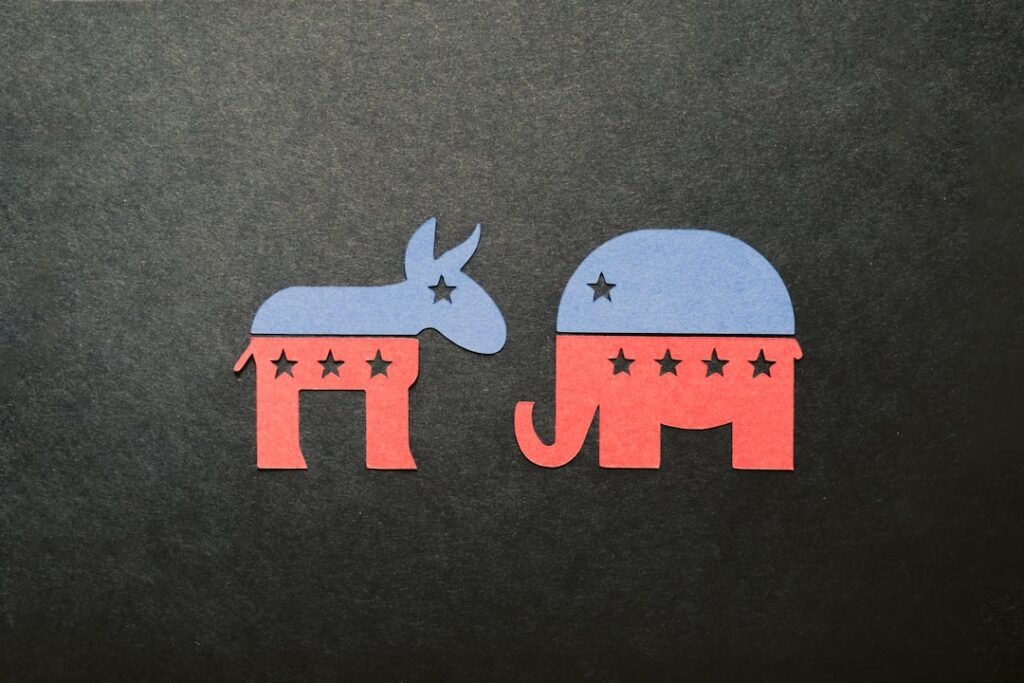
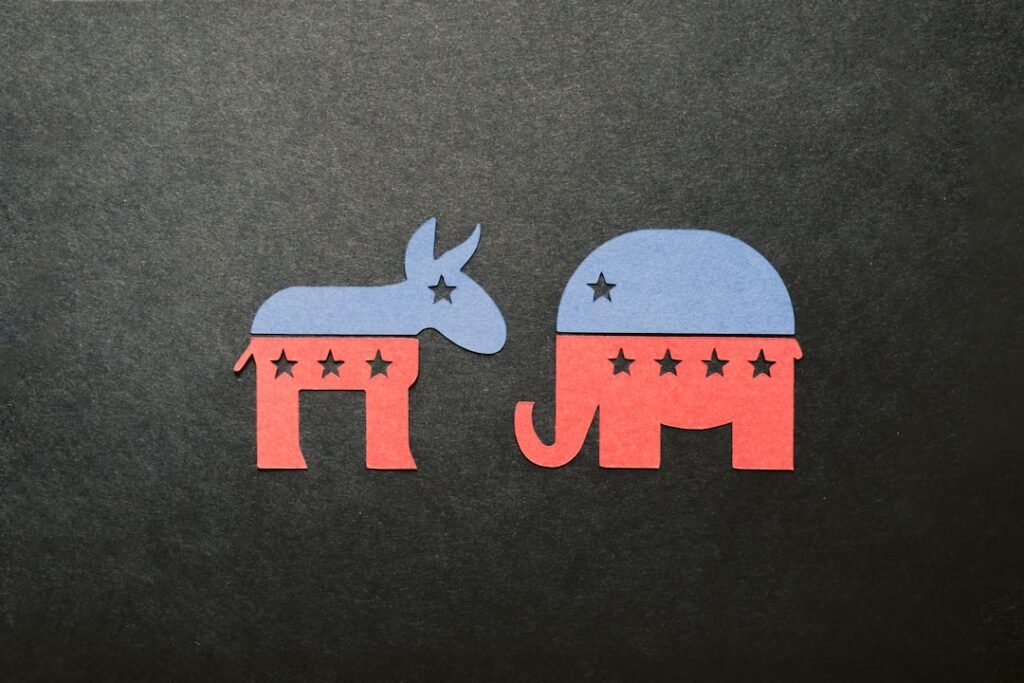
The growing split within the Democratic Party in Los Angeles mirrors national trends, where progressive and moderate factions vie for influence. As the city approaches the next election cycle, these divisions could significantly affect candidate endorsements and voter turnout.
Historically, Los Angeles politics has been defined by a coalition of diverse interests, but recent events have prompted calls for a reevaluation of these alliances. This evolving political landscape reflects broader societal changes as residents demand accountability and transparency from their elected officials.
As issues such as housing affordability and climate change gain urgency, city leaders face pressure to unite and address the needs of a diverse population. The outcome of this political fracturing remains uncertain, but it signals a potential shift in the future of governance in Los Angeles.
The current political turmoil follows a series of scandals and controversies involving city officials, which have further eroded public trust. As residents express frustration over government inaction, the challenge for leaders will be to bridge the widening gaps within their ranks and respond effectively to a changing electorate.
Source: news source