































































































































































































































































































































































































































































































































































































































































































































































































































































































































































































































































































































































































































































































































































































































































































































































































































































































































































































































































































































































































































































































































































































































































































































































































































































































The Rise of Mixed-Use Stadium Districts: A New Trend in College Sports

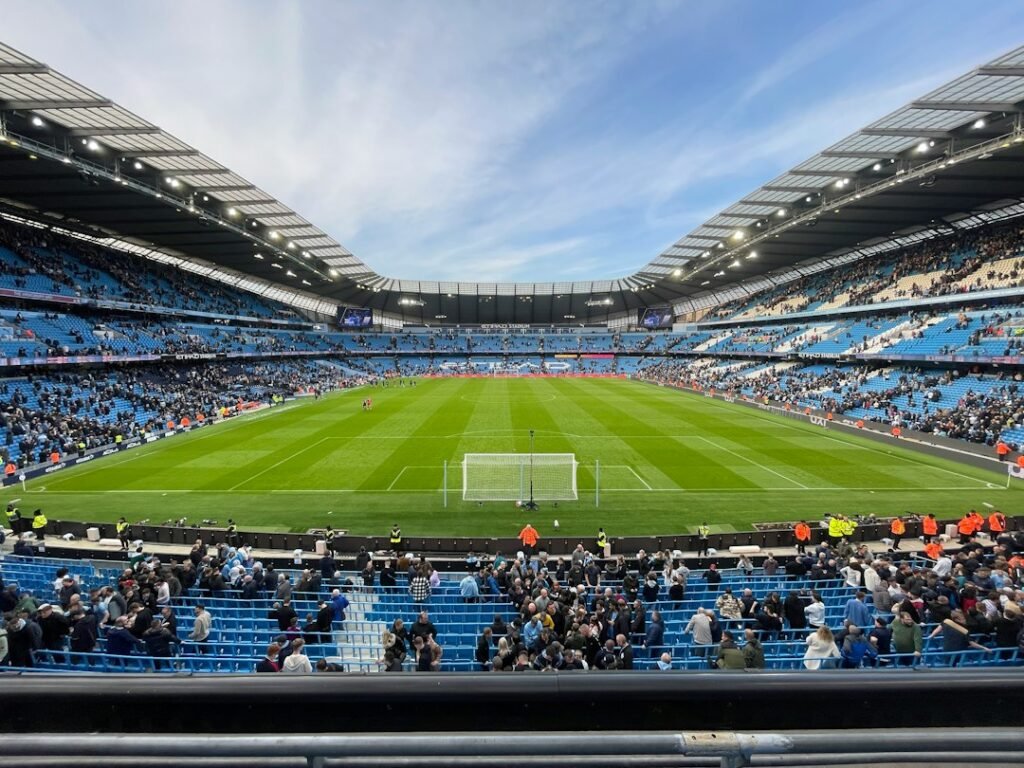
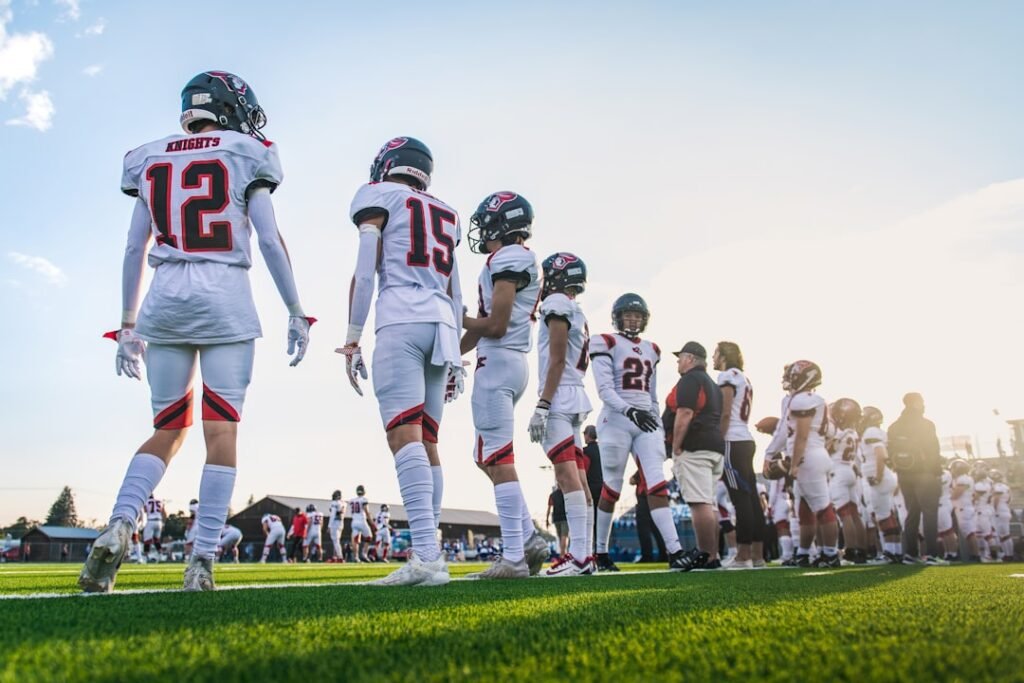
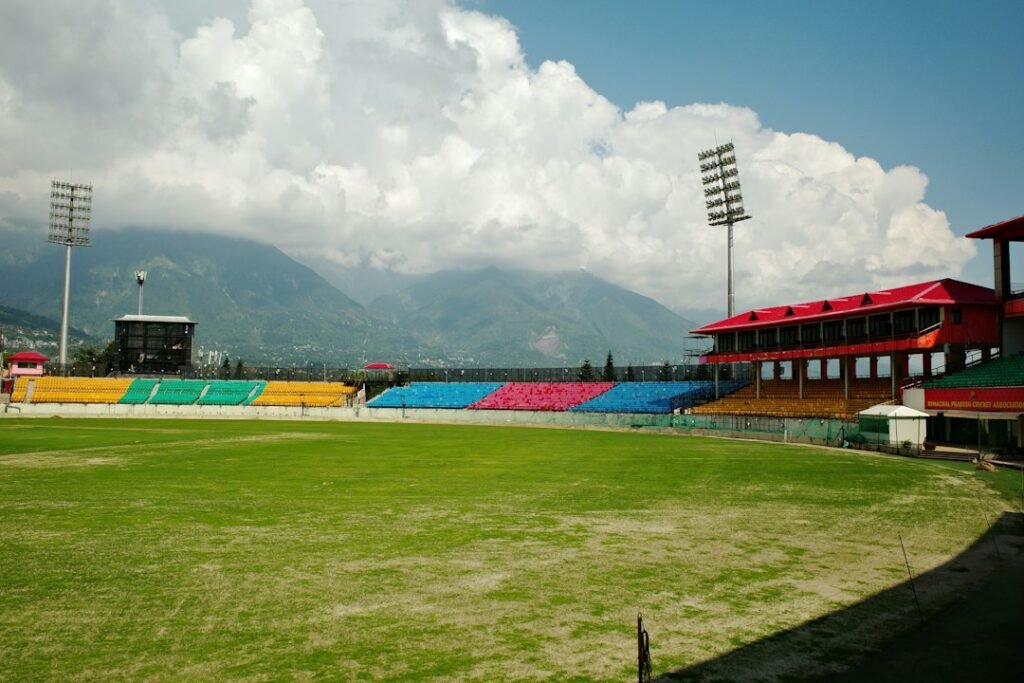
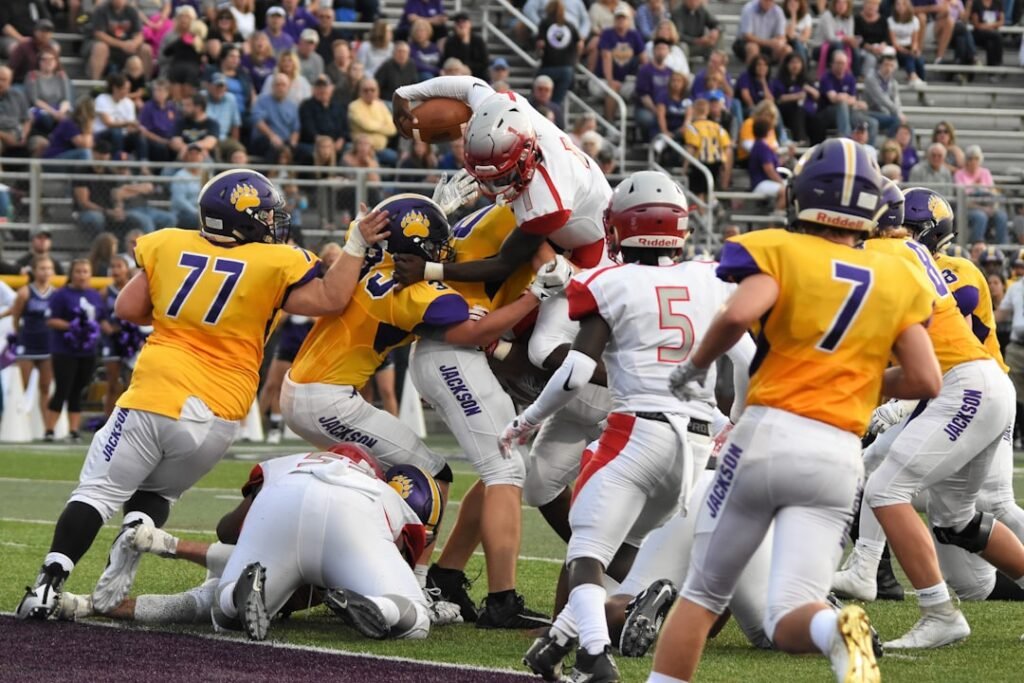
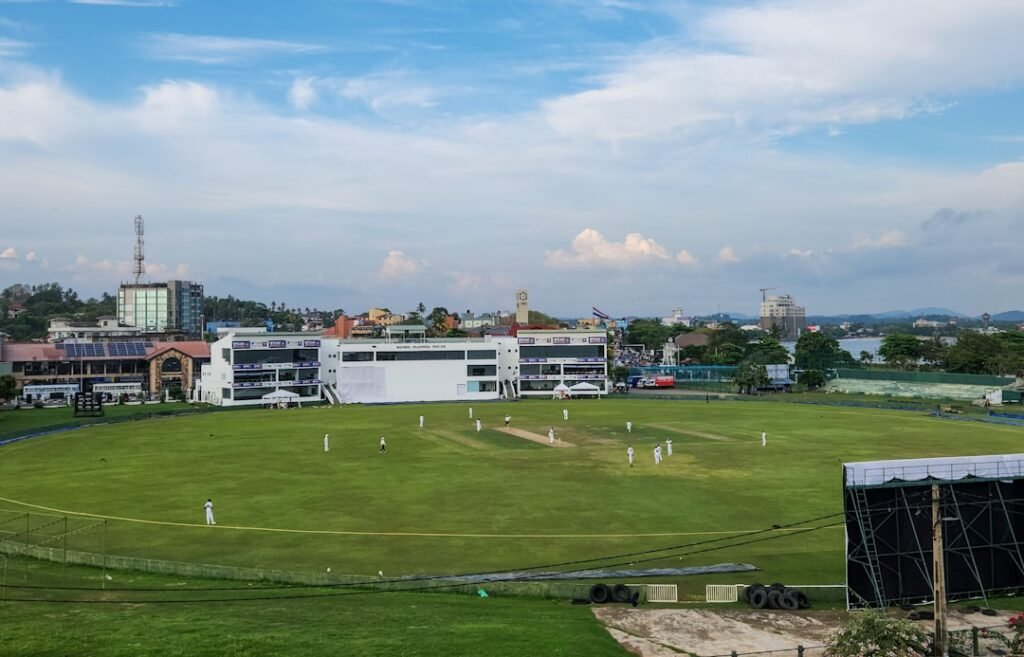
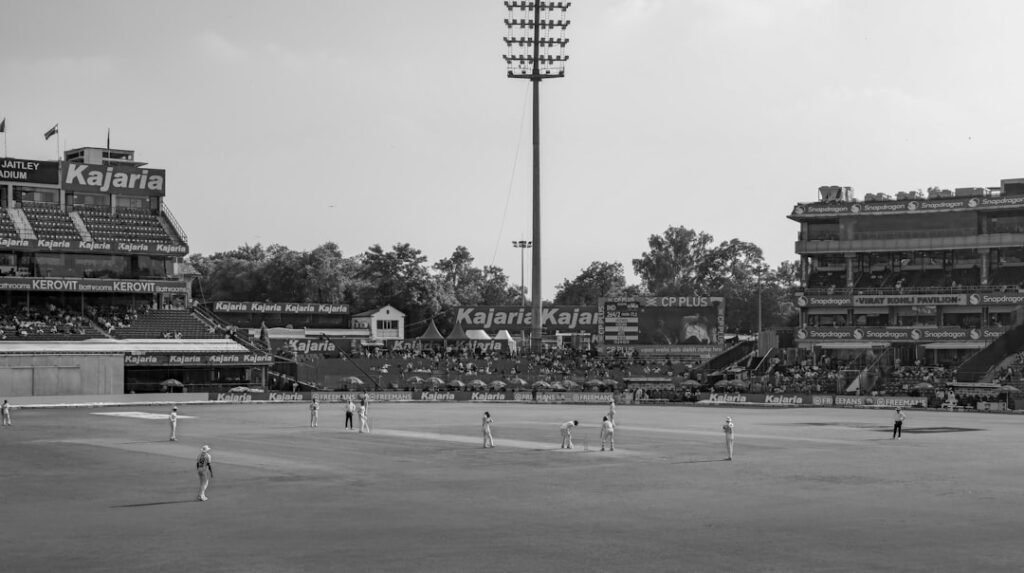
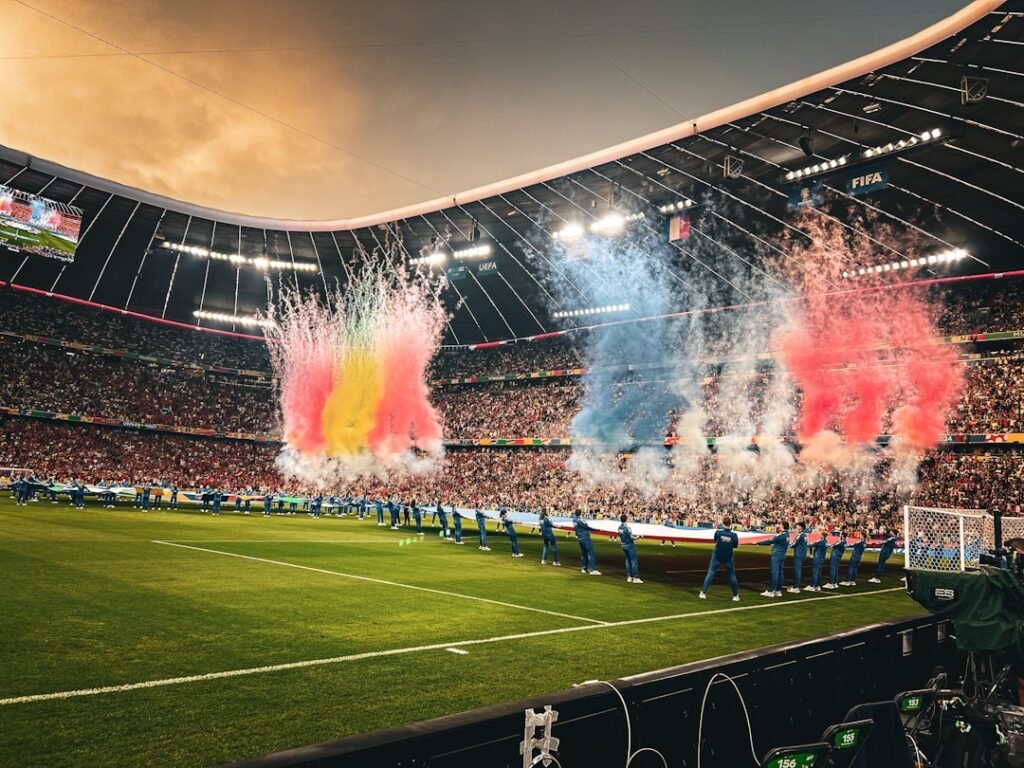
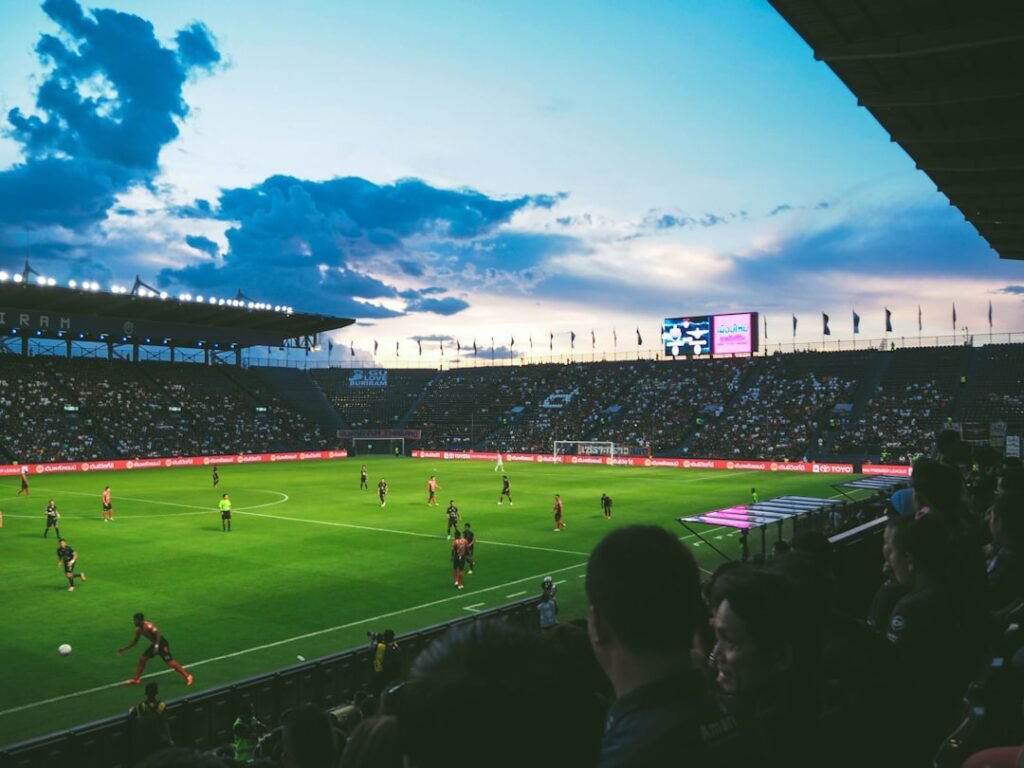
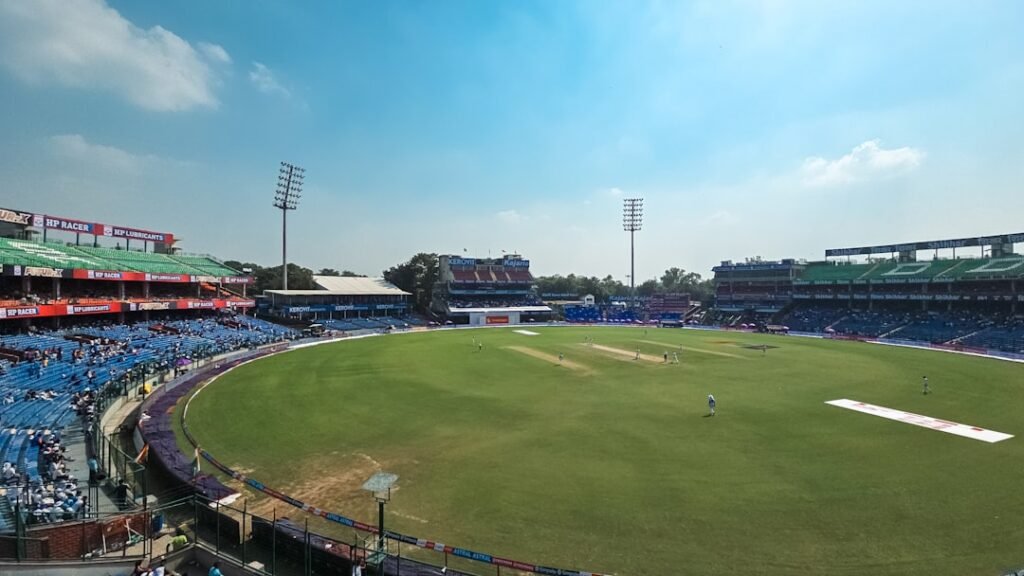
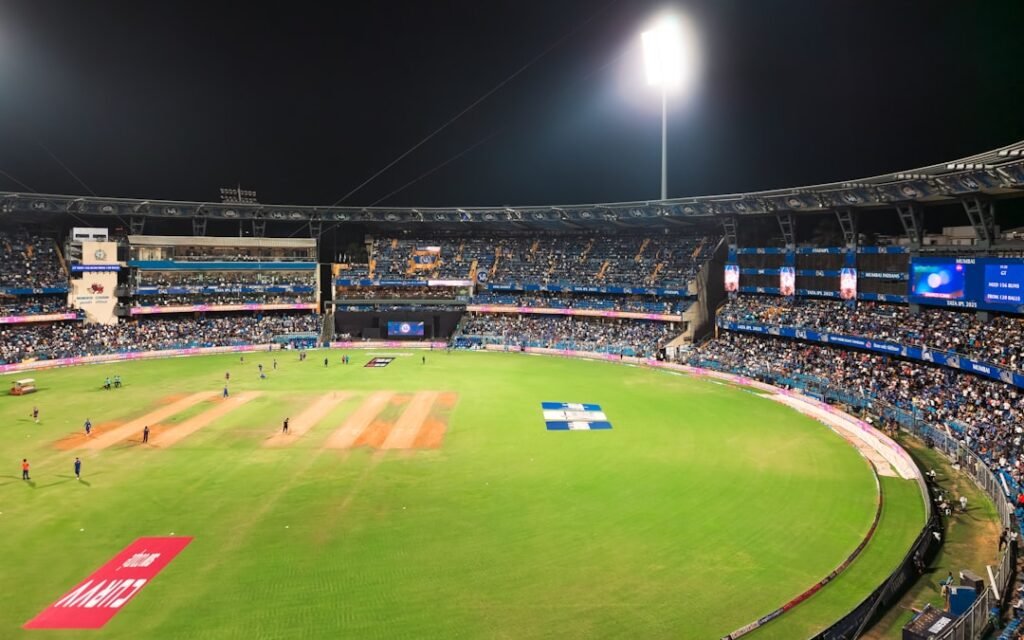
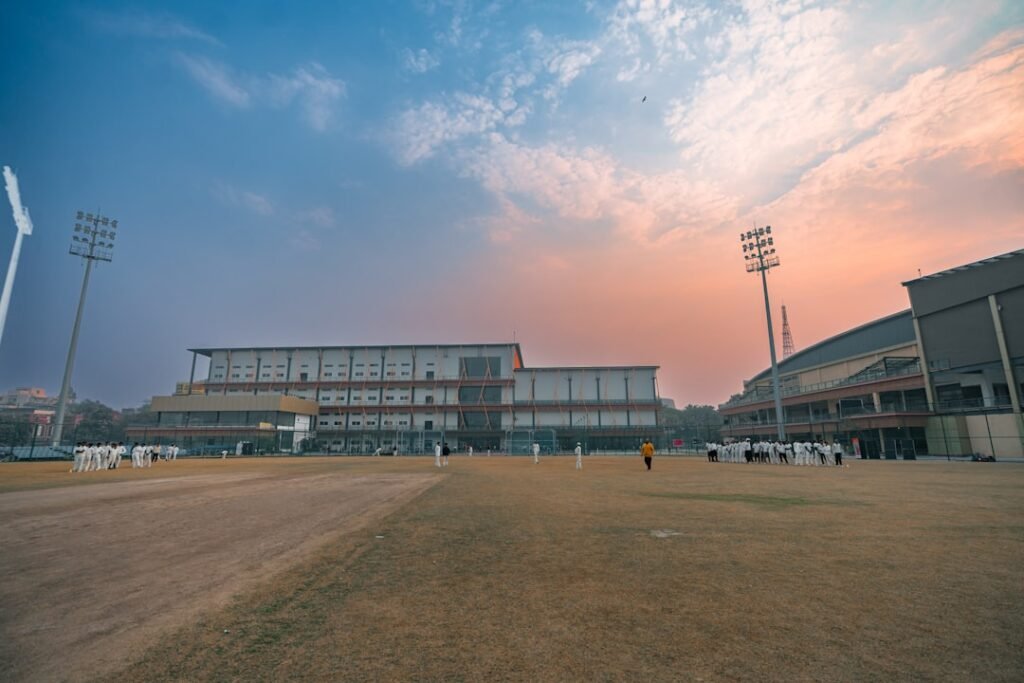
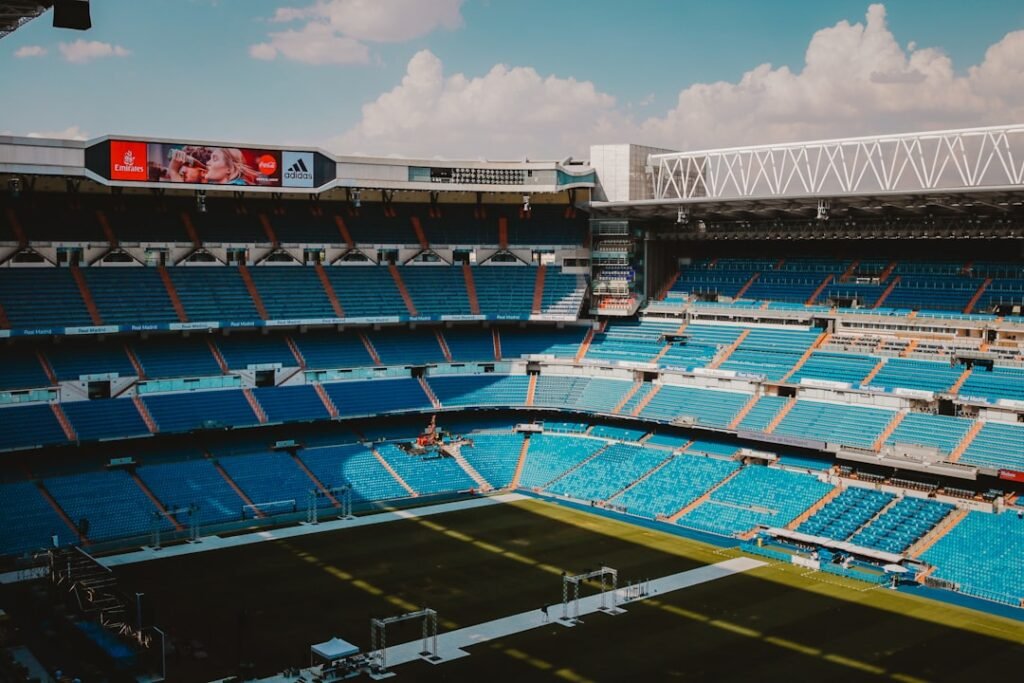
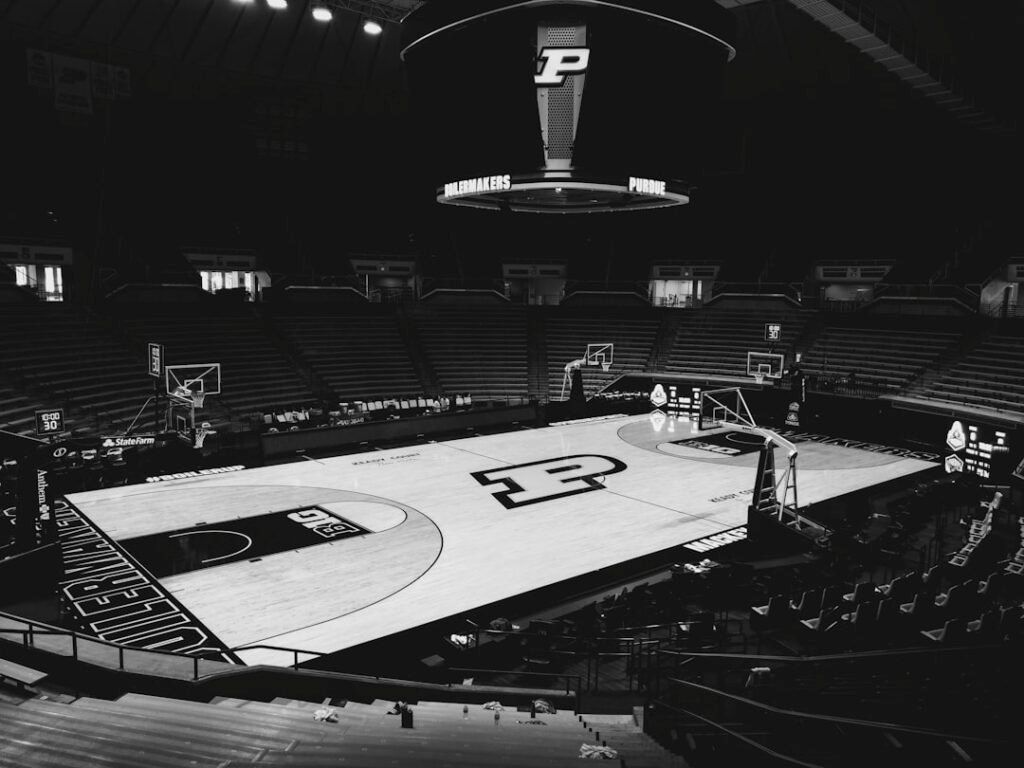
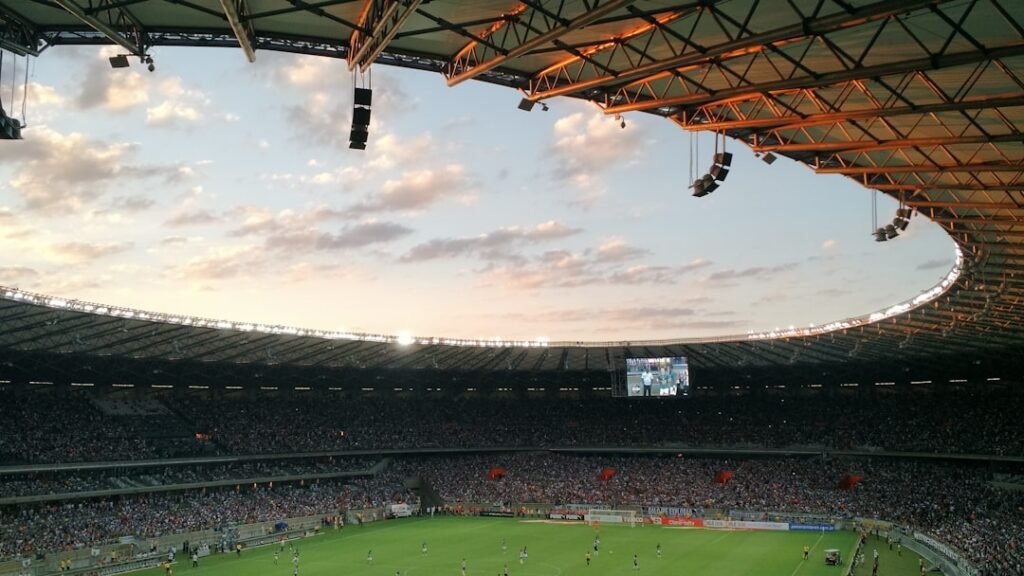
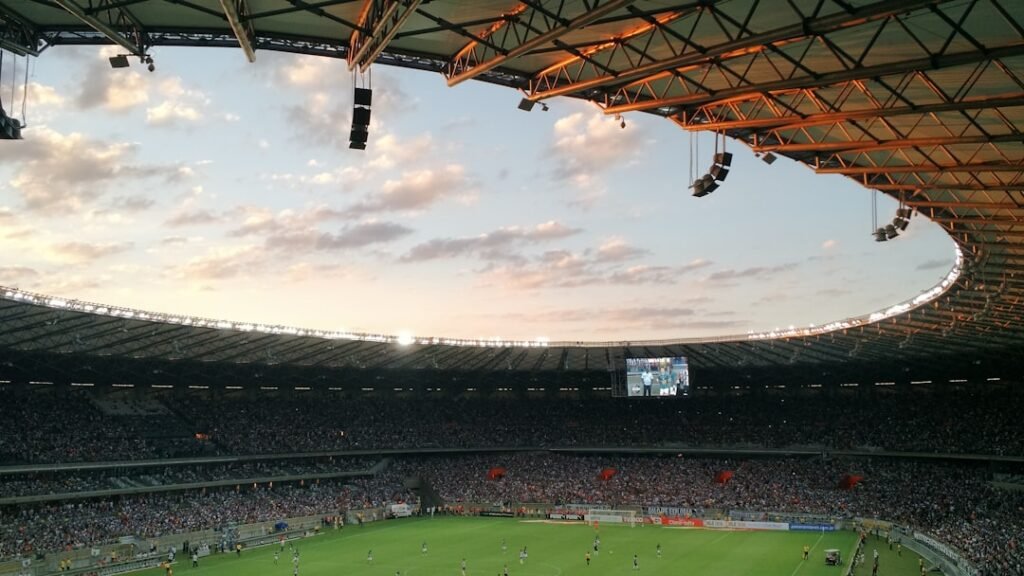
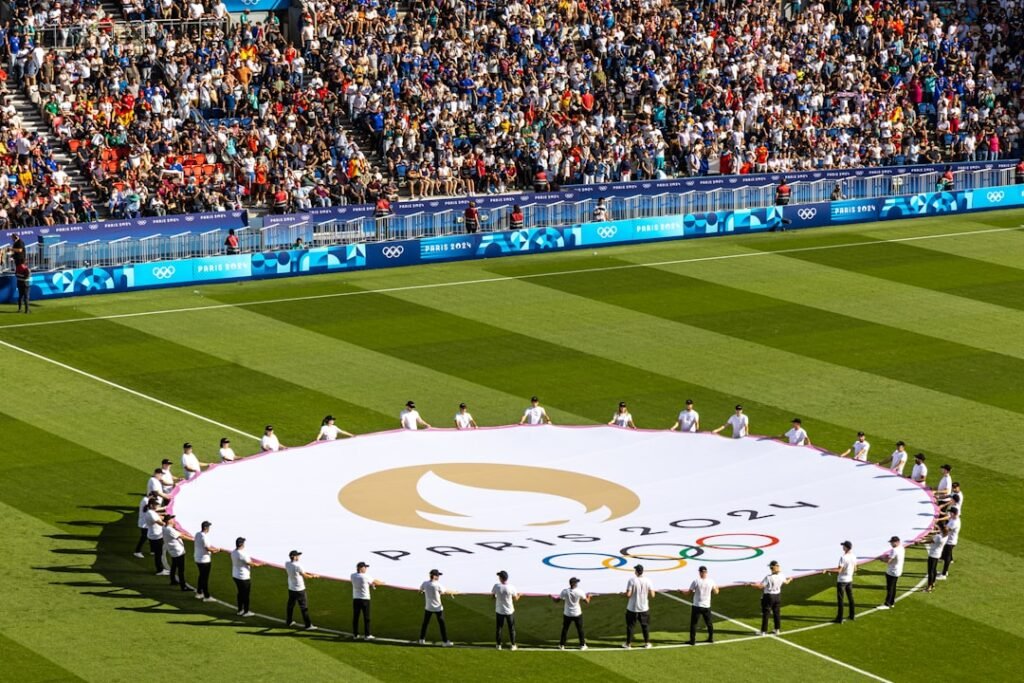
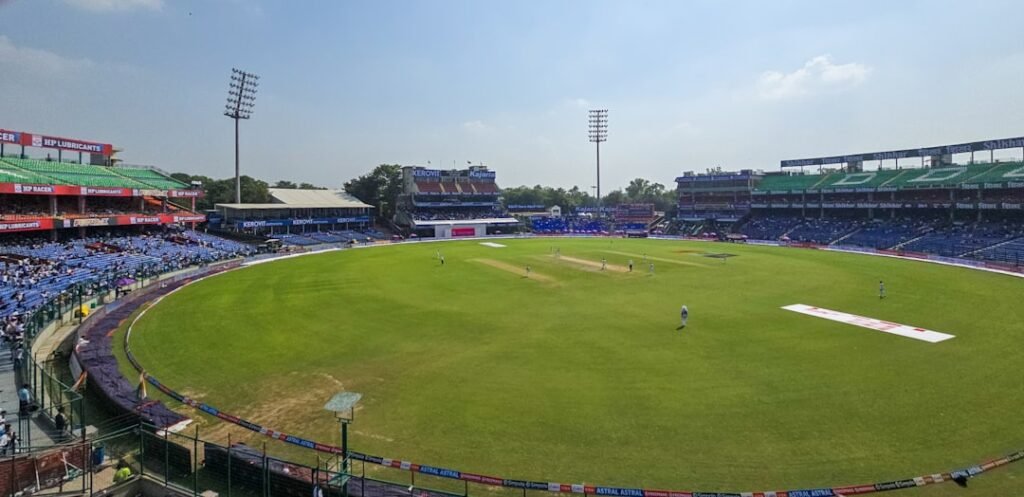
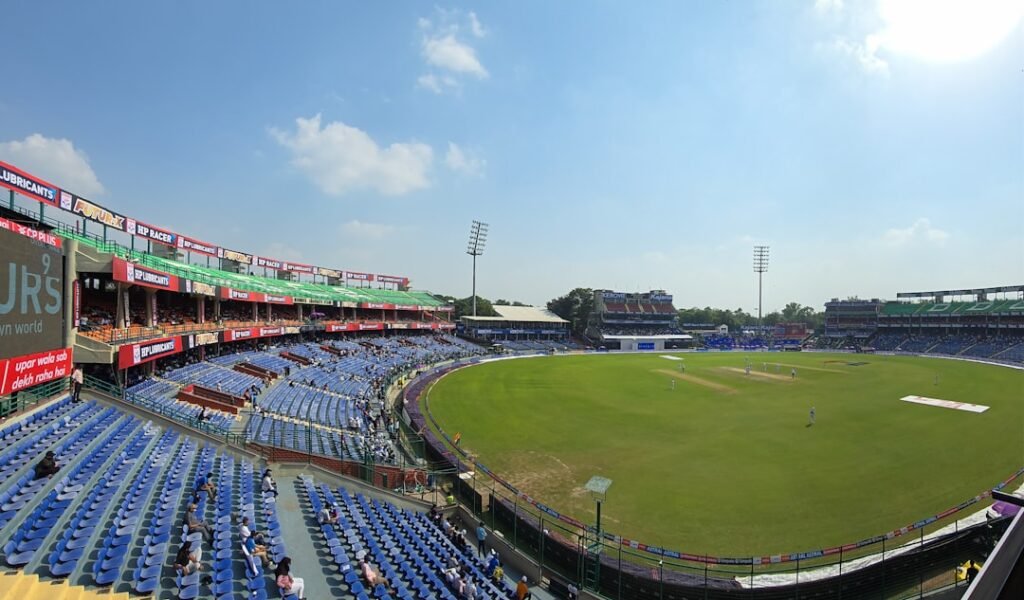
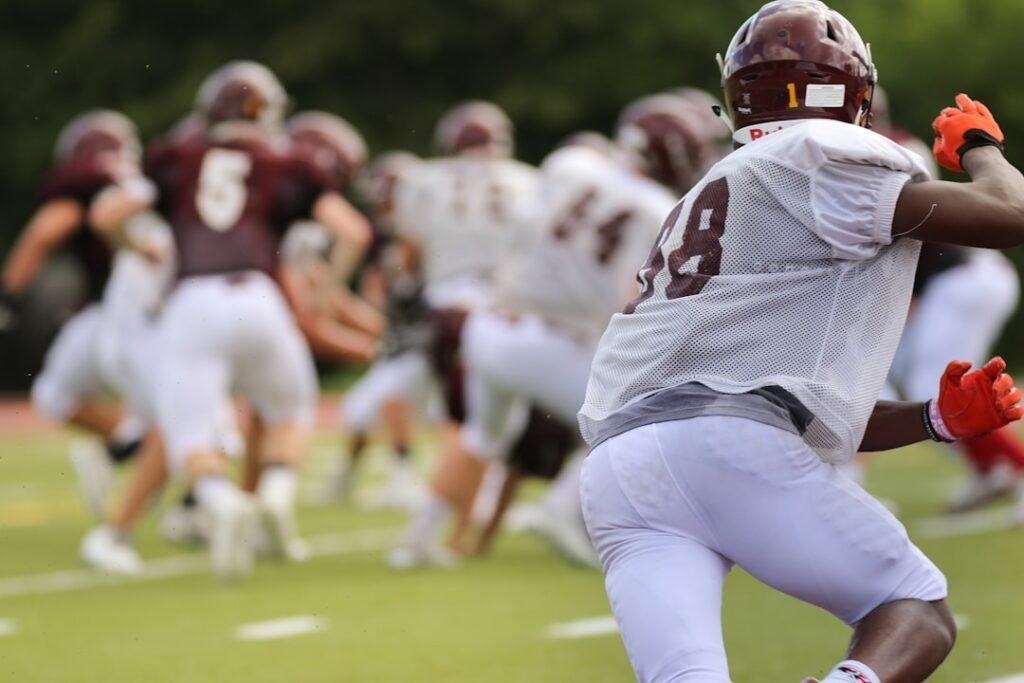
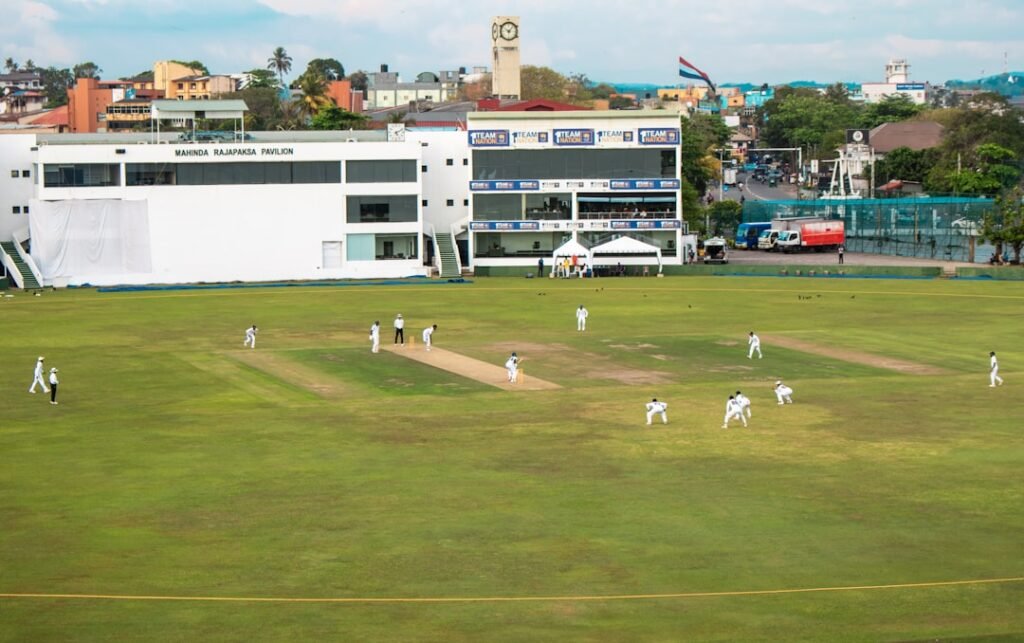
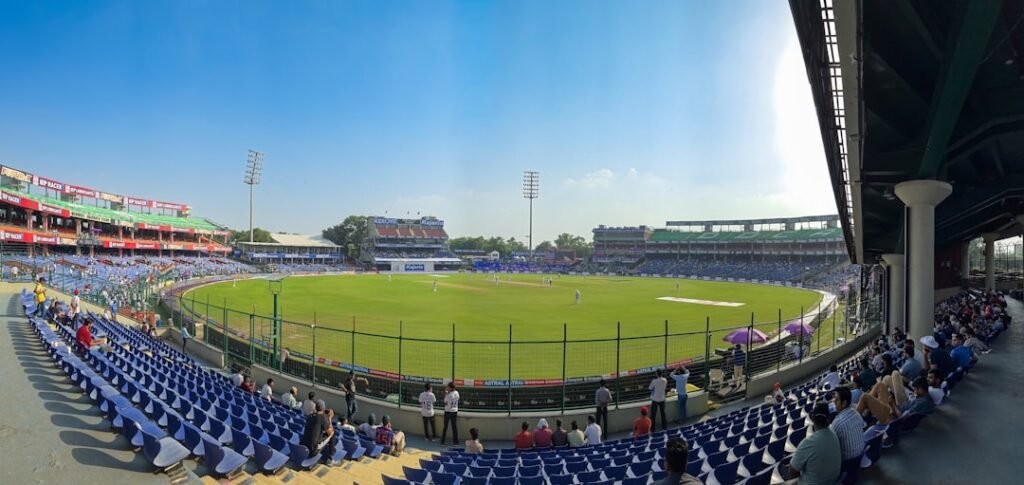
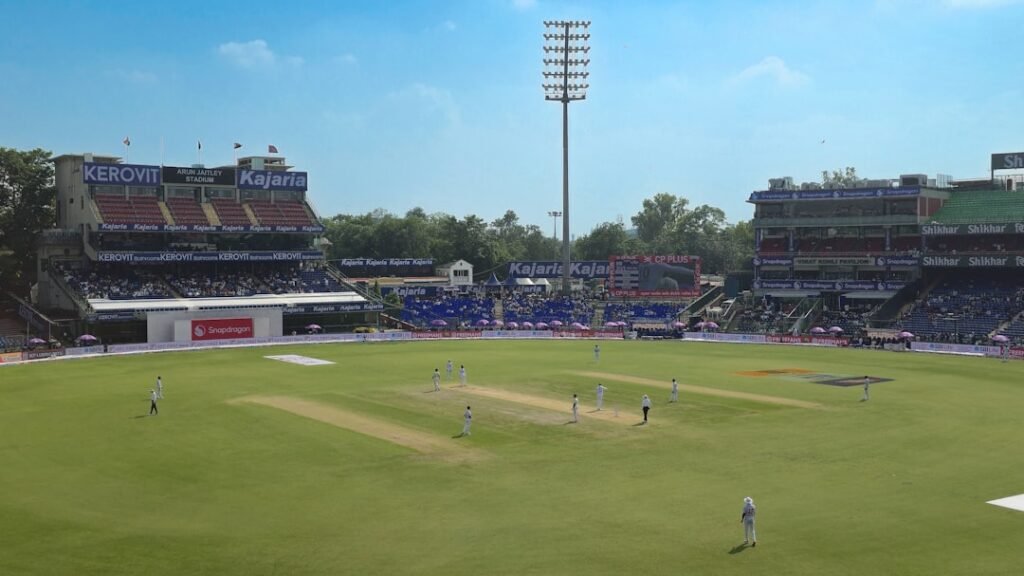
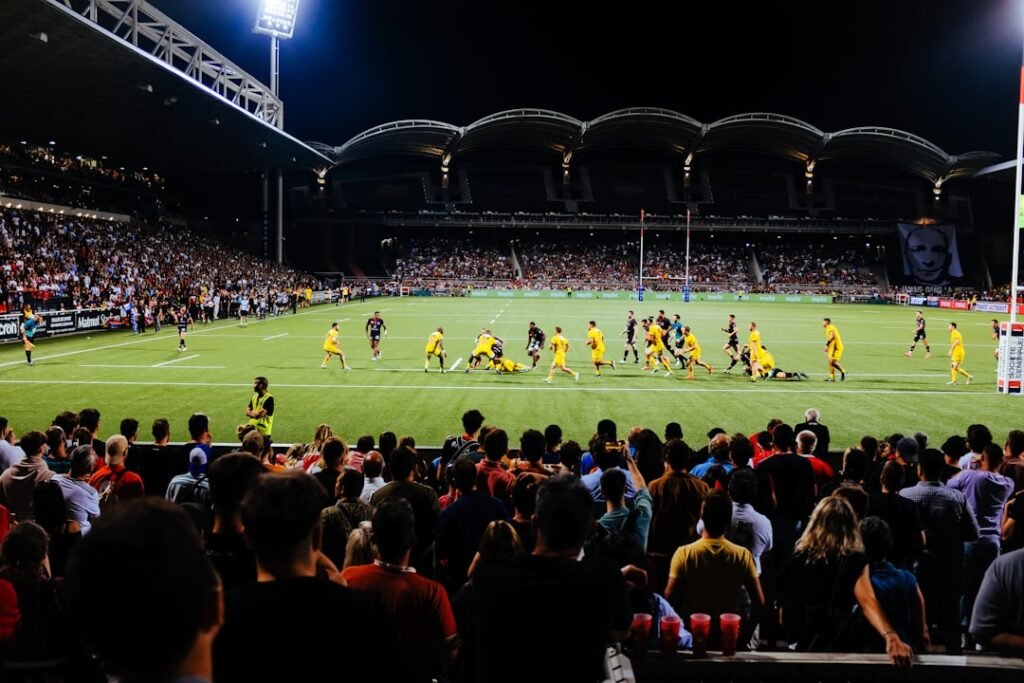
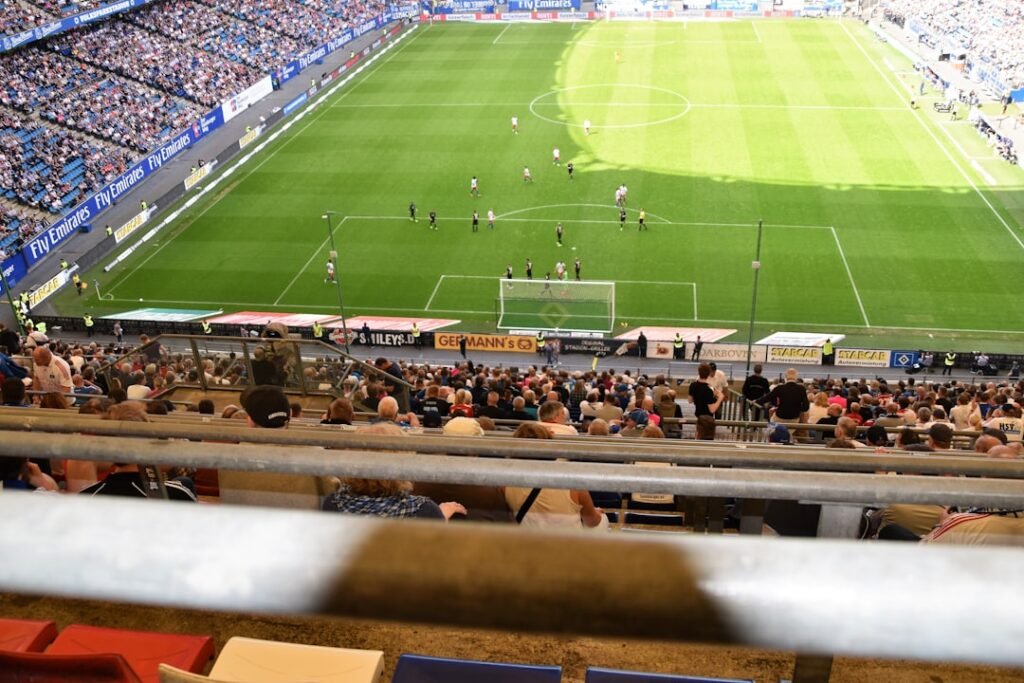
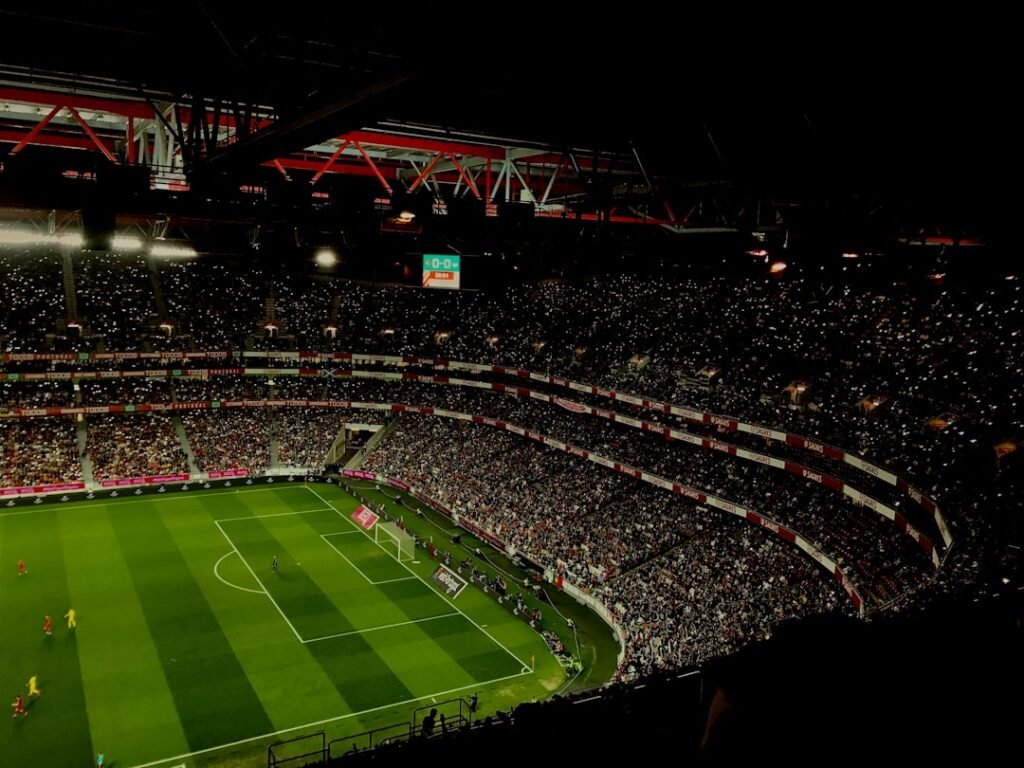
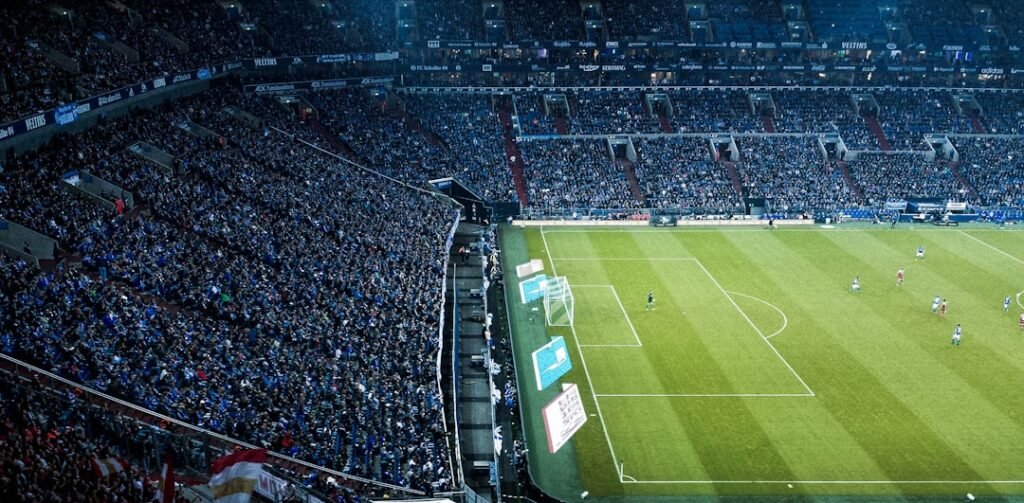
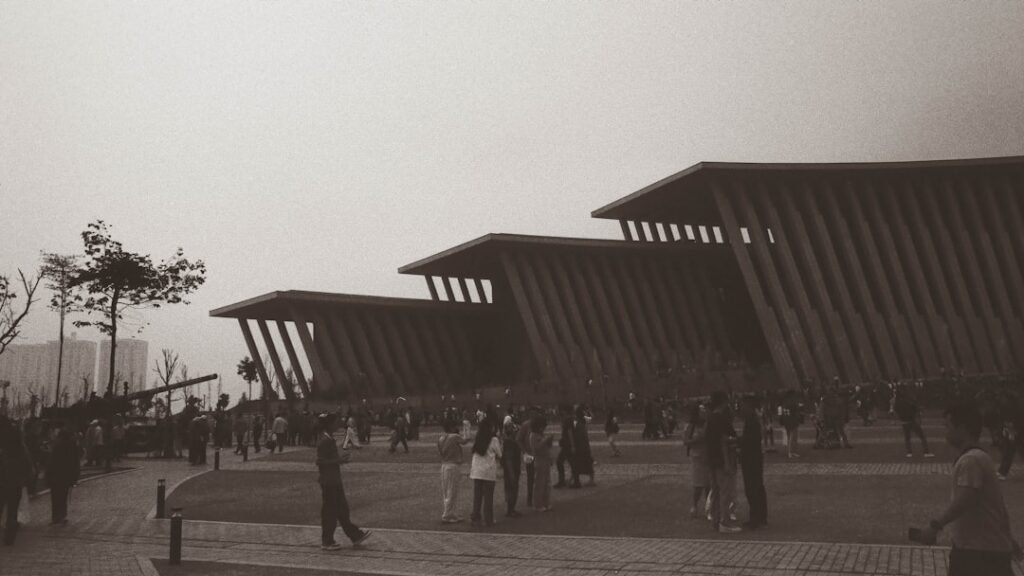
Mixed-use stadium districts are transforming the landscape of college sports, creating vibrant communities where work, play, and football converge. This innovative approach not only redefines how fans experience games but also integrates various facilities and amenities that cater to diverse needs. With the increasing popularity of these districts, colleges and universities are investing in infrastructure that supports both athletic and economic growth.
What Are Mixed-Use Stadium Districts?
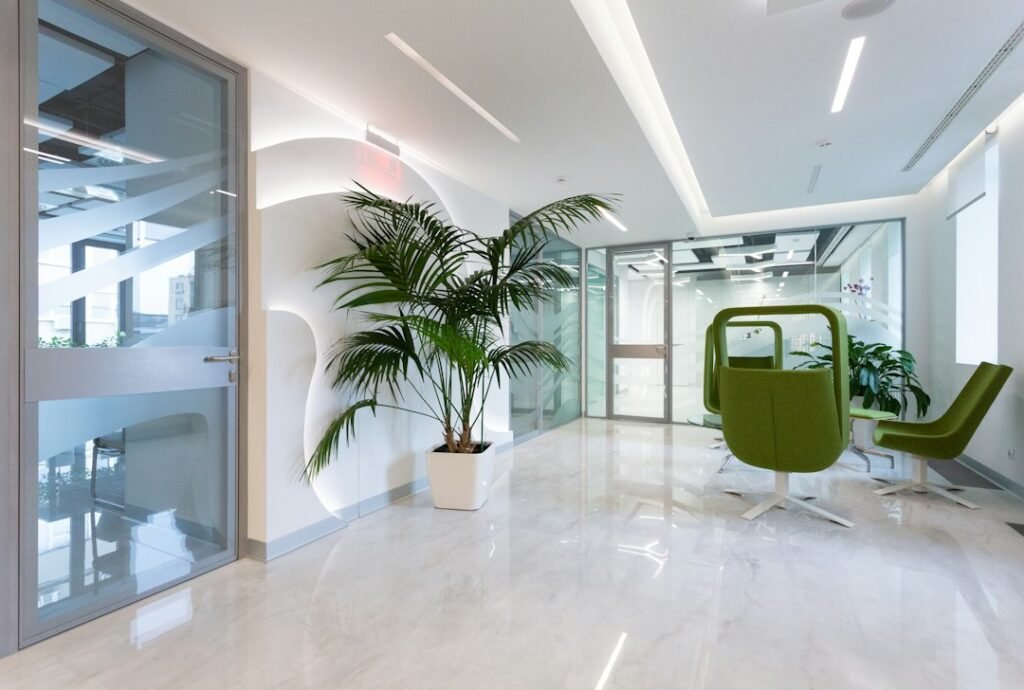
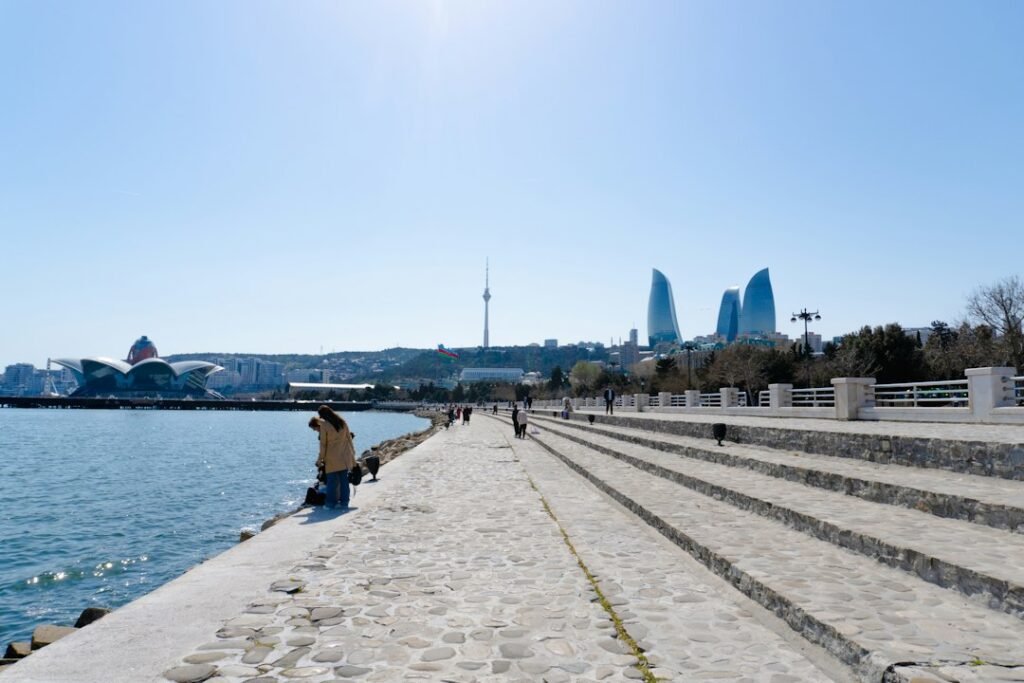
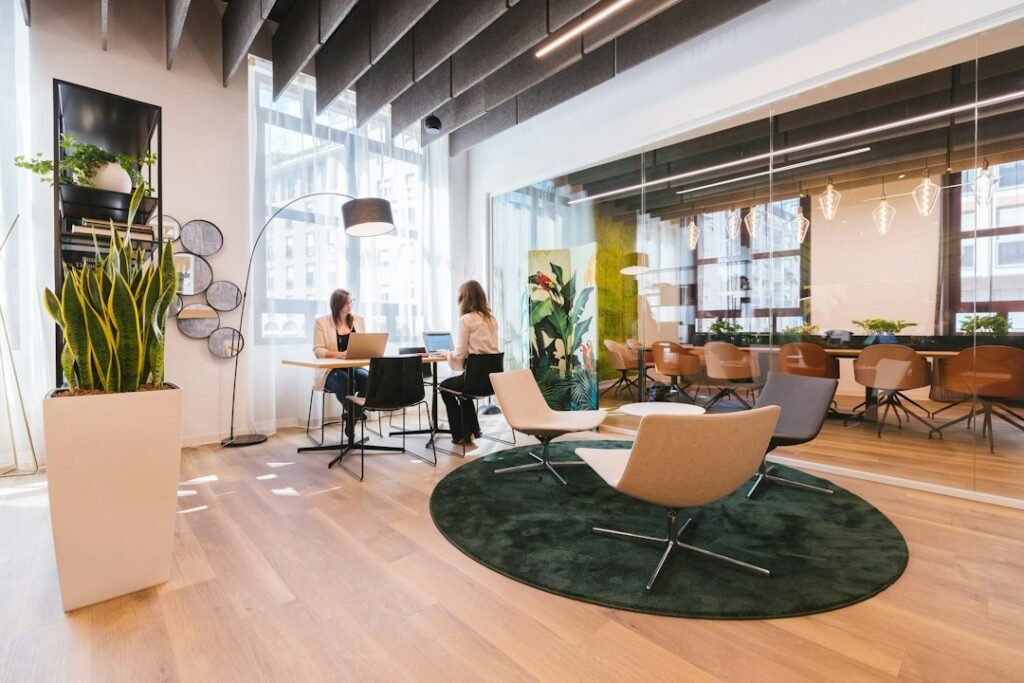
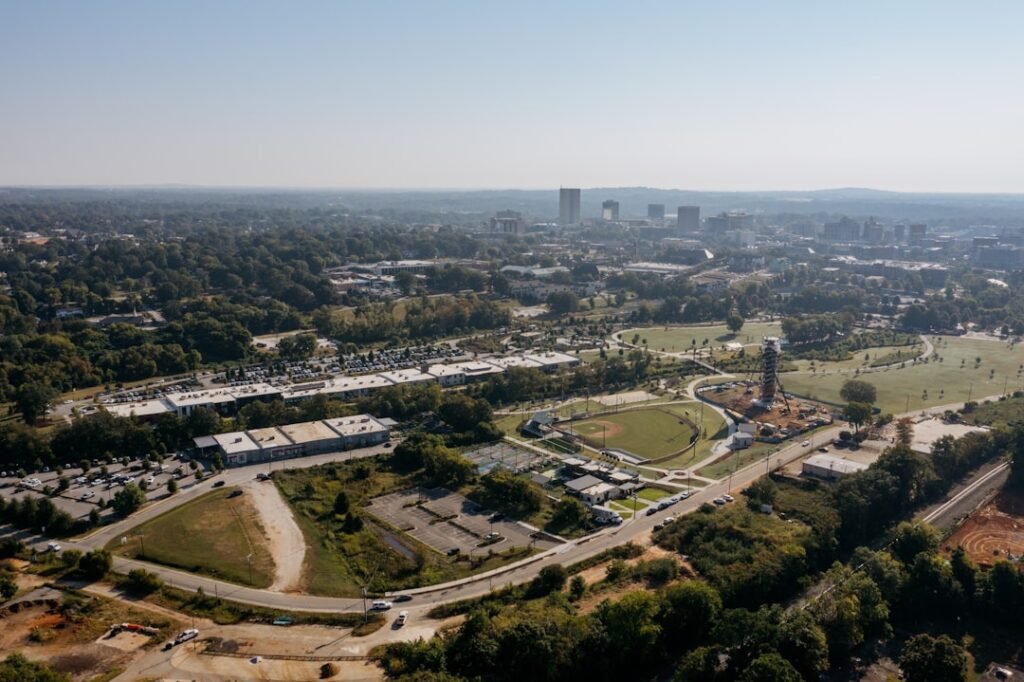
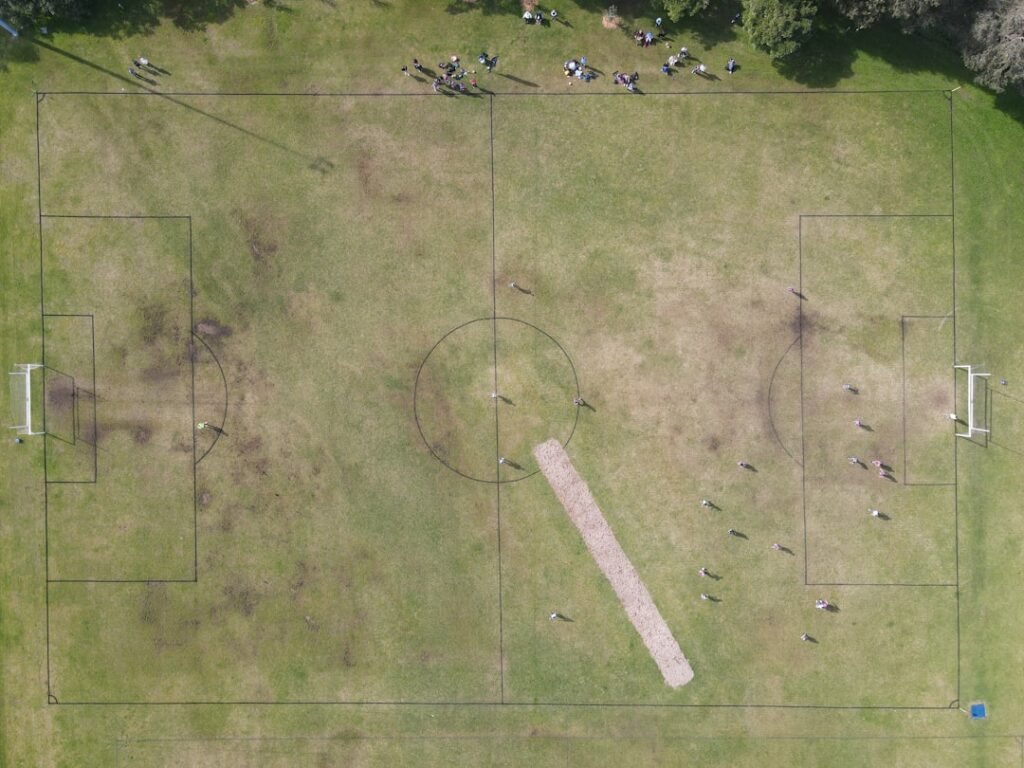
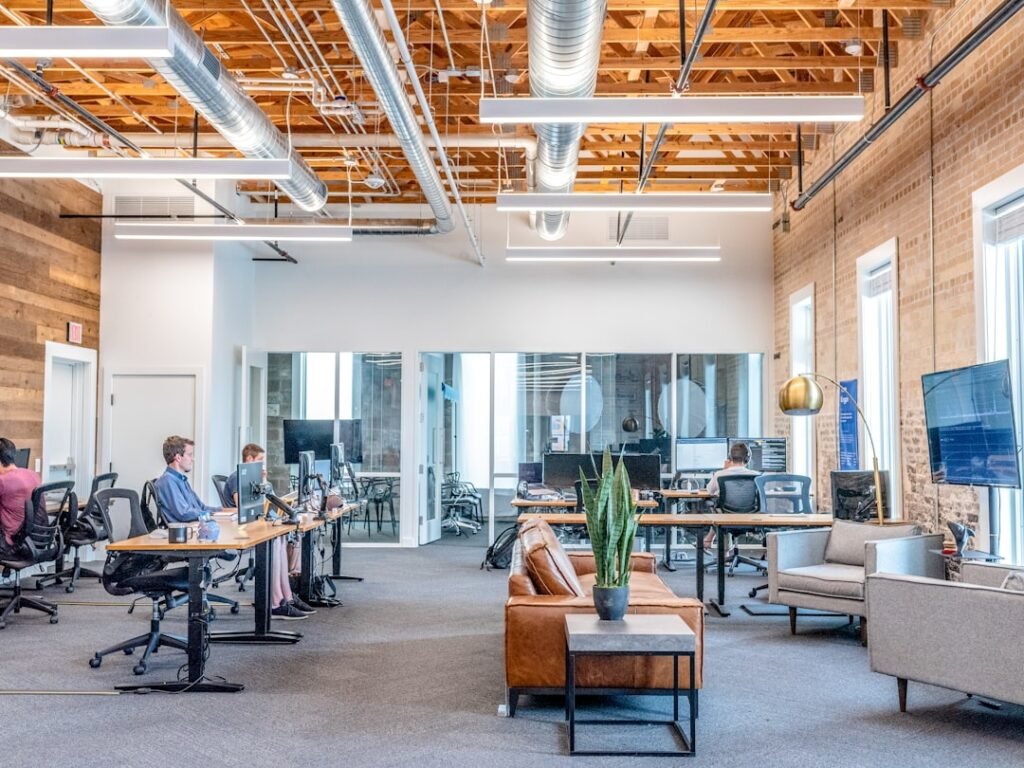
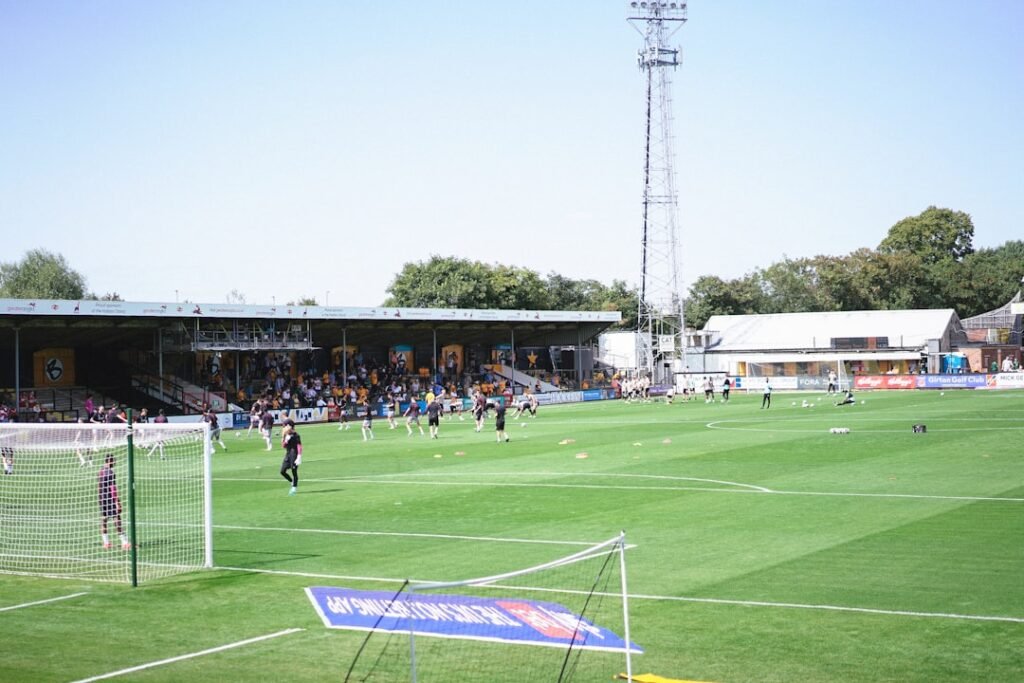
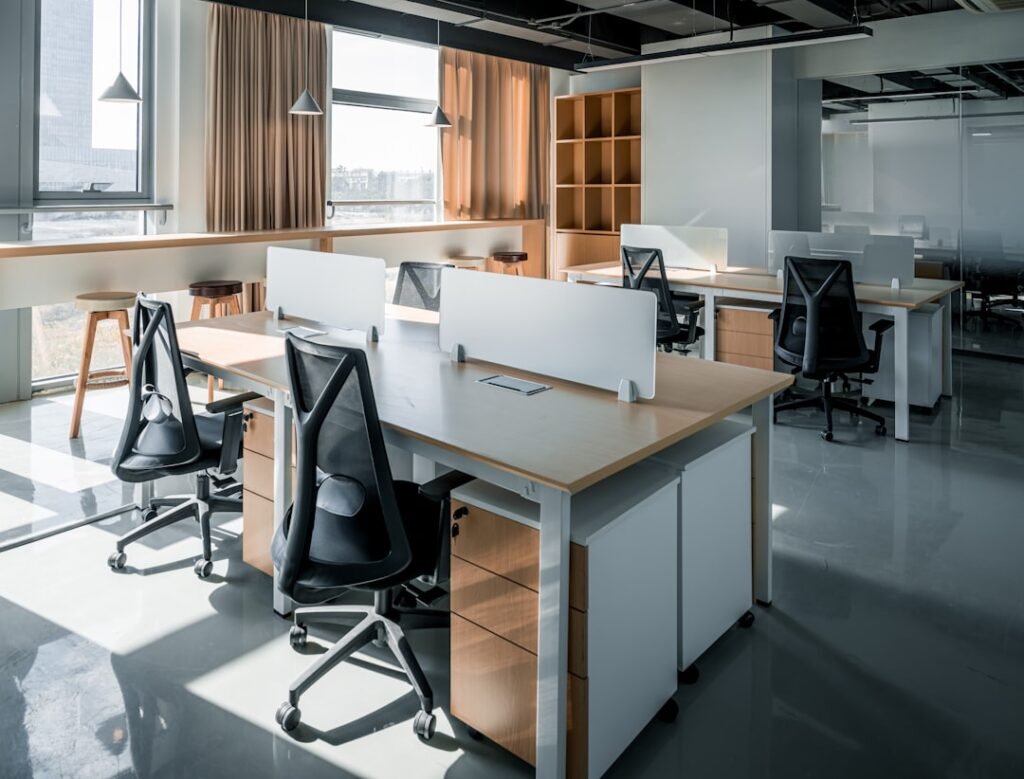
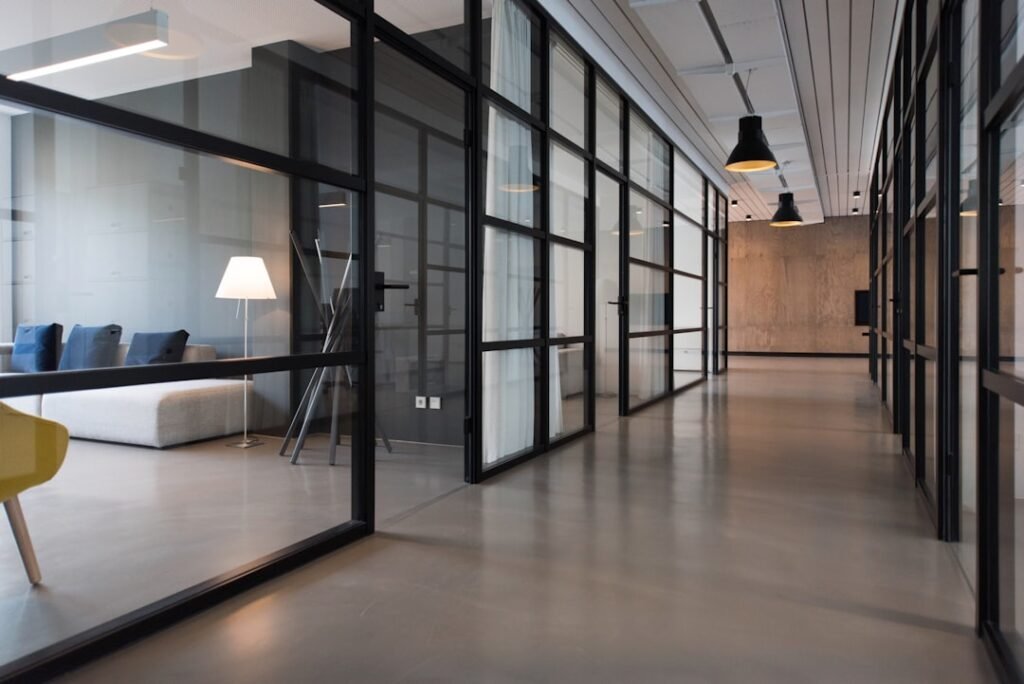
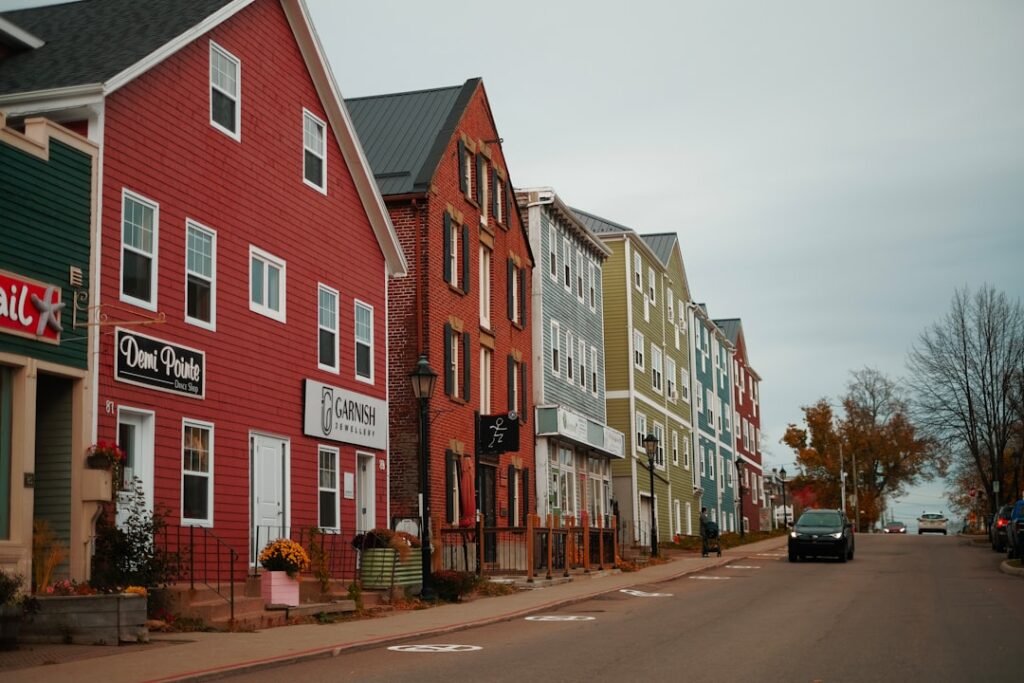
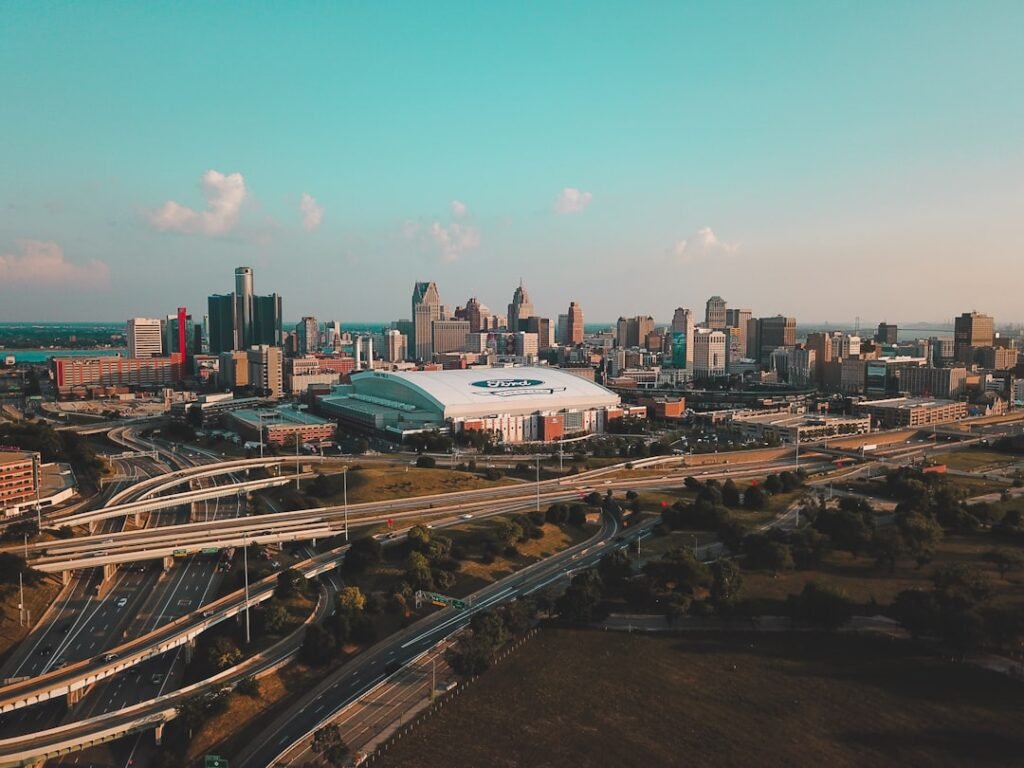
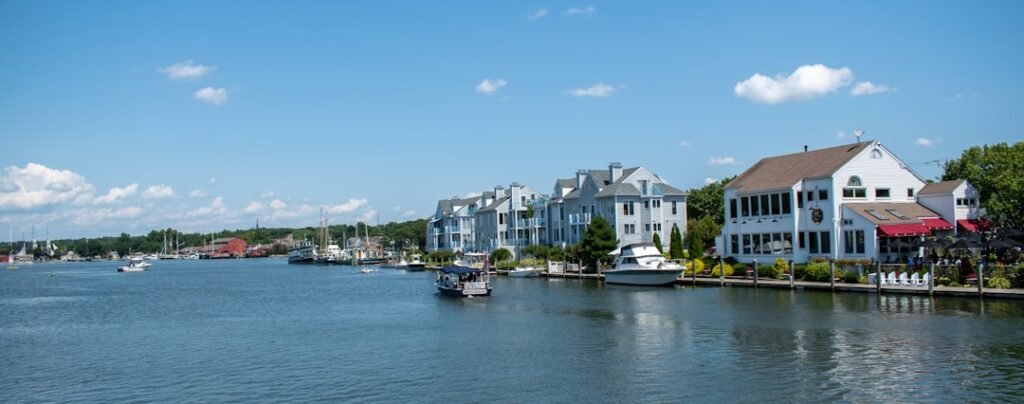
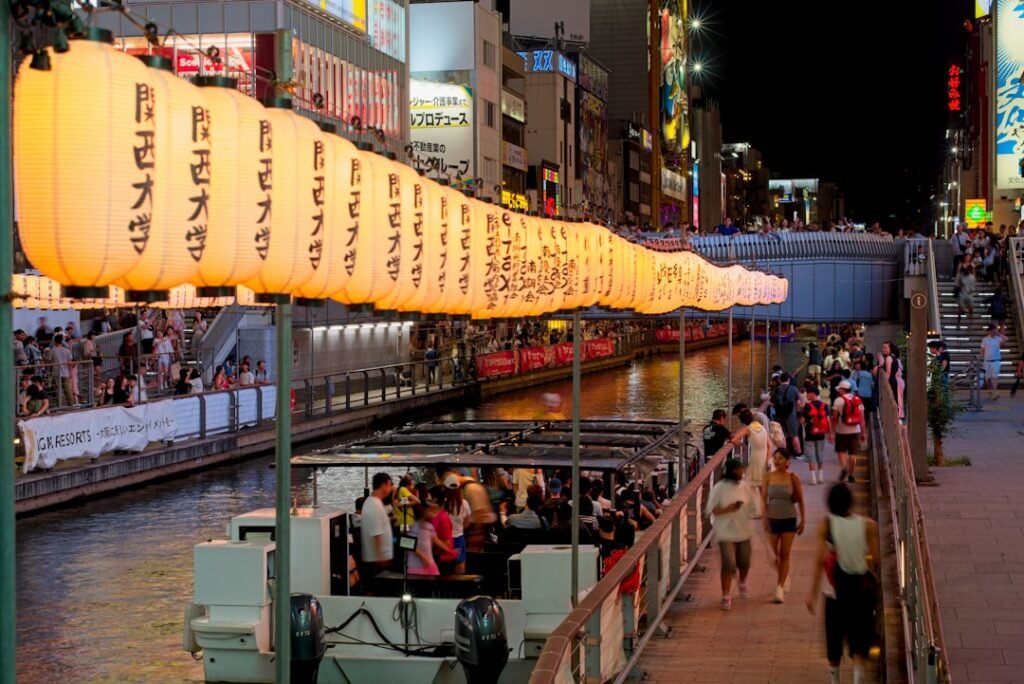
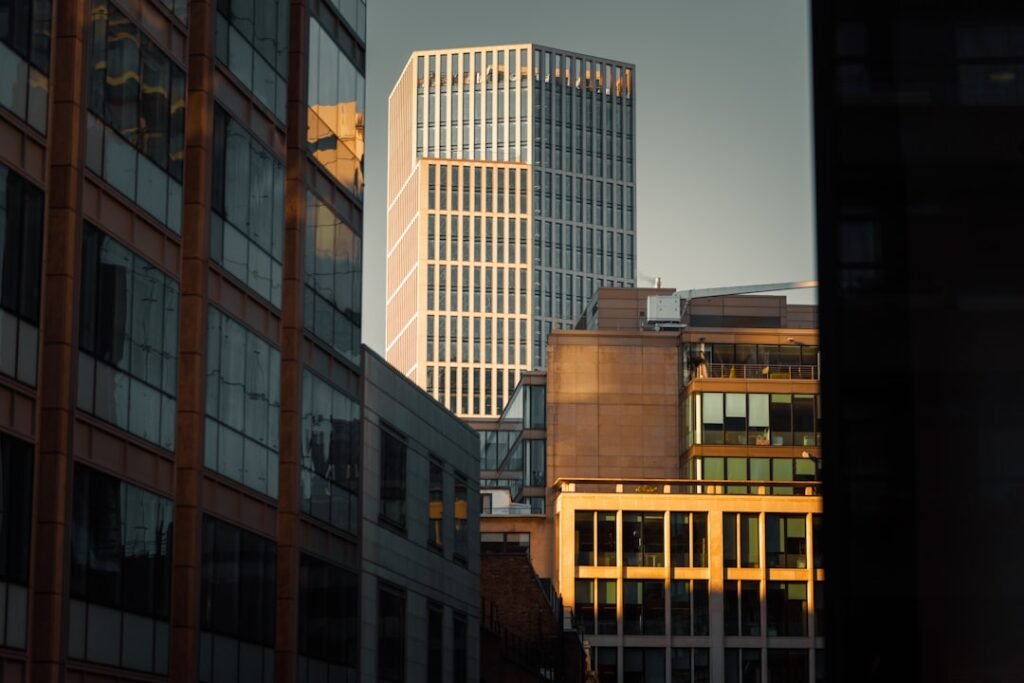
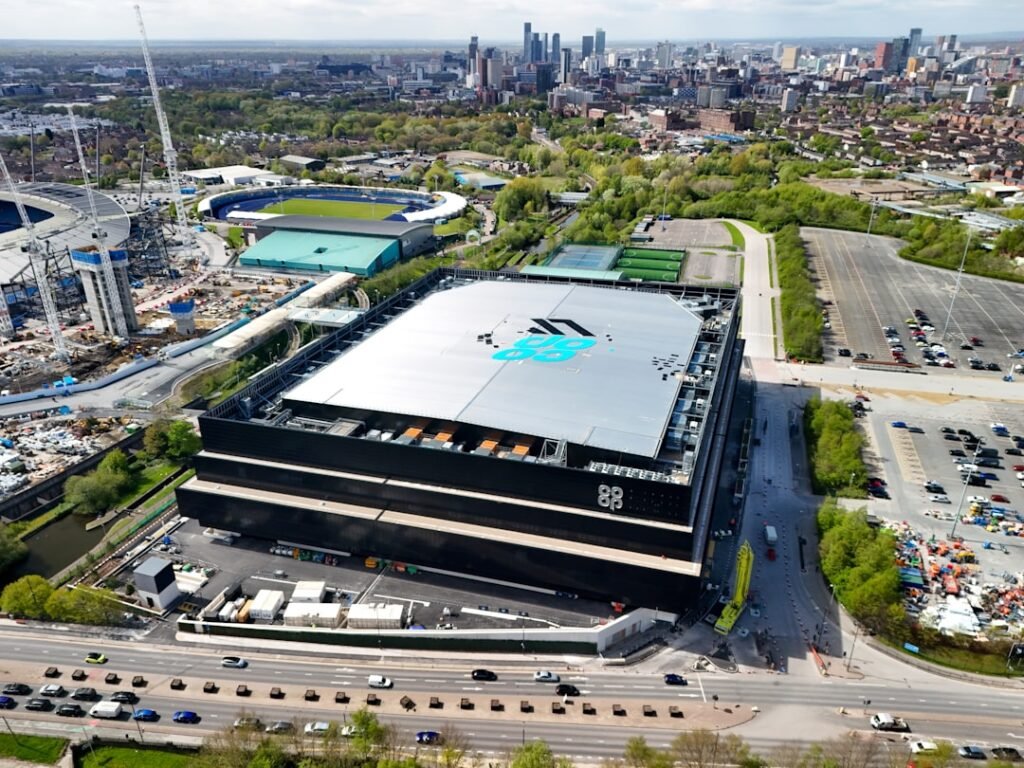
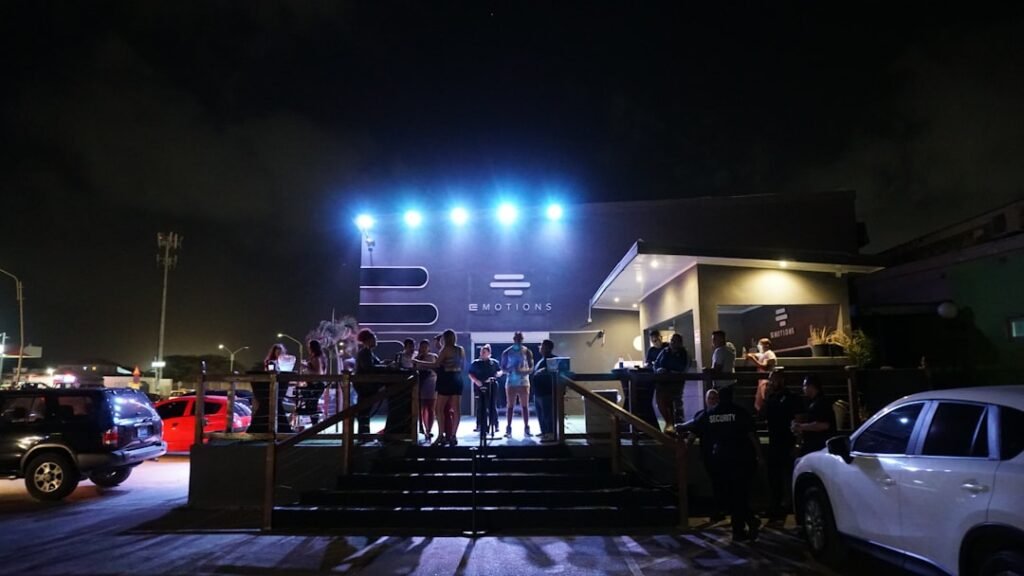
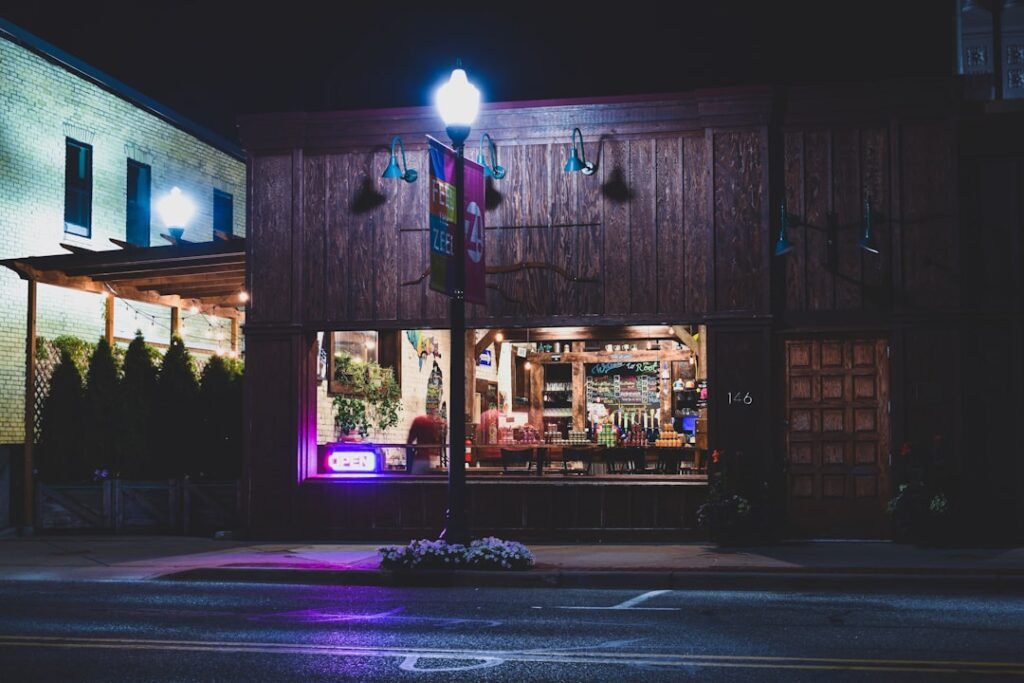
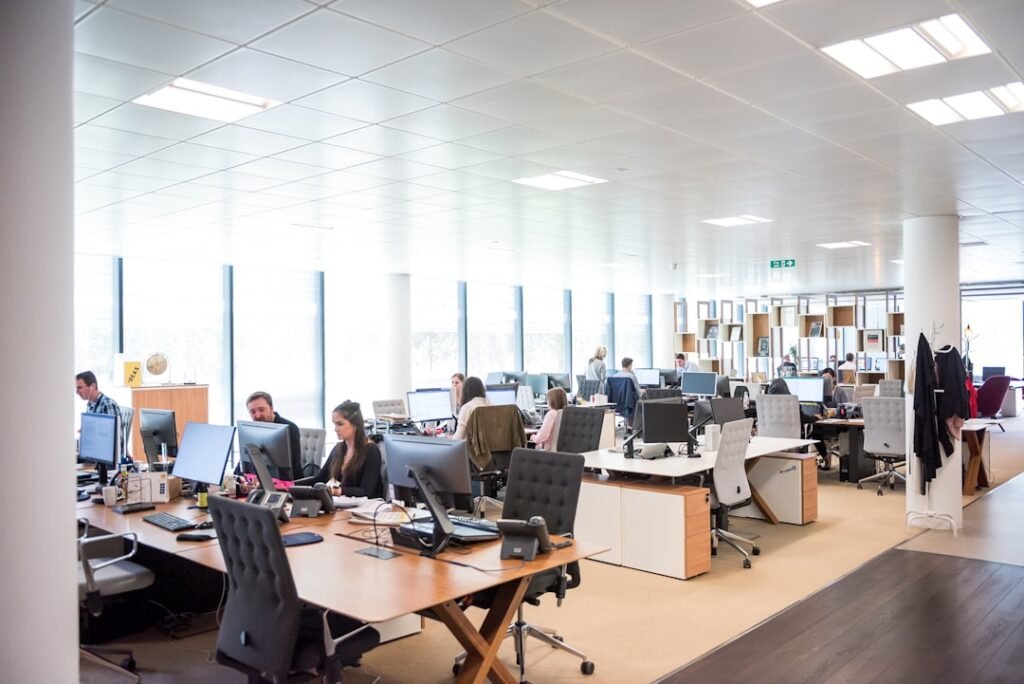
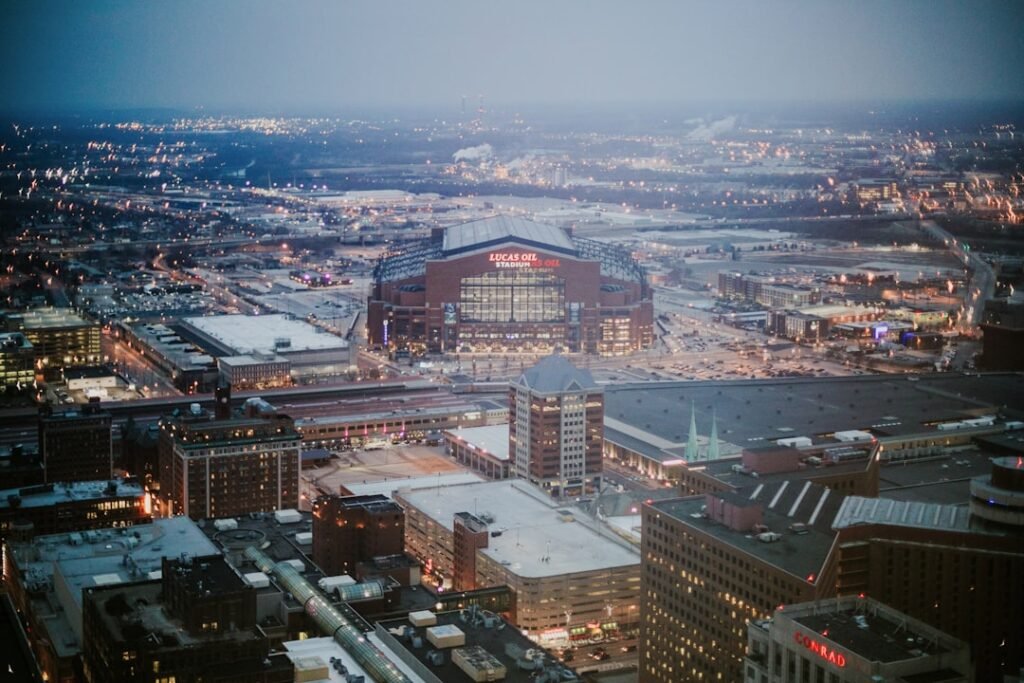
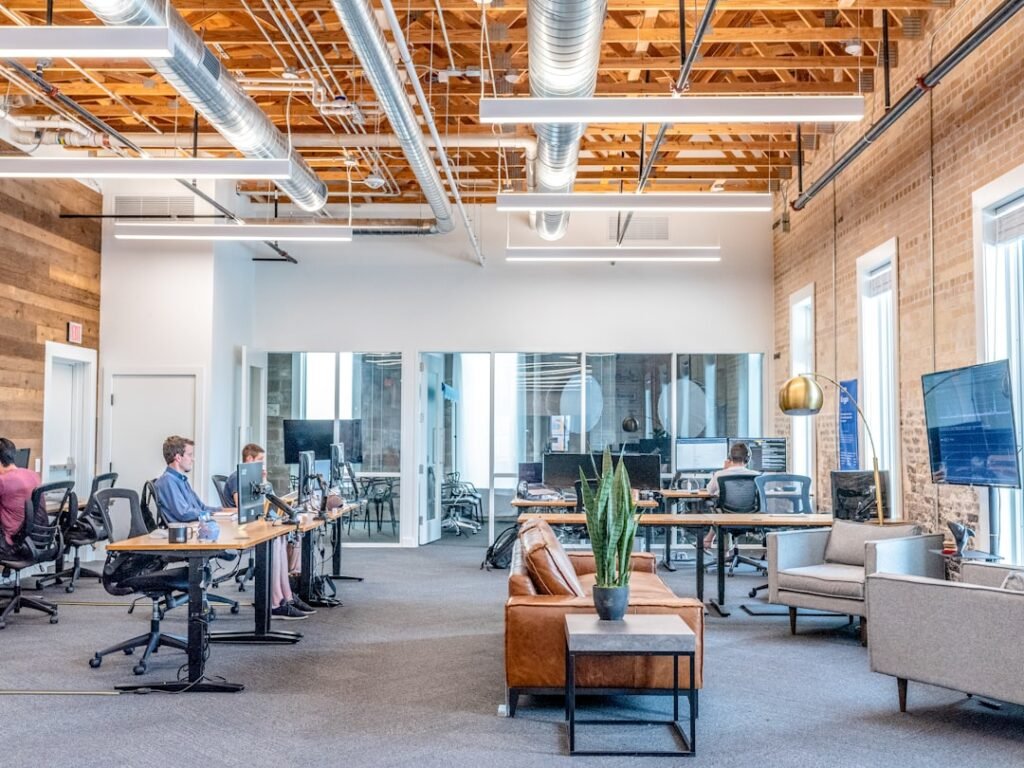
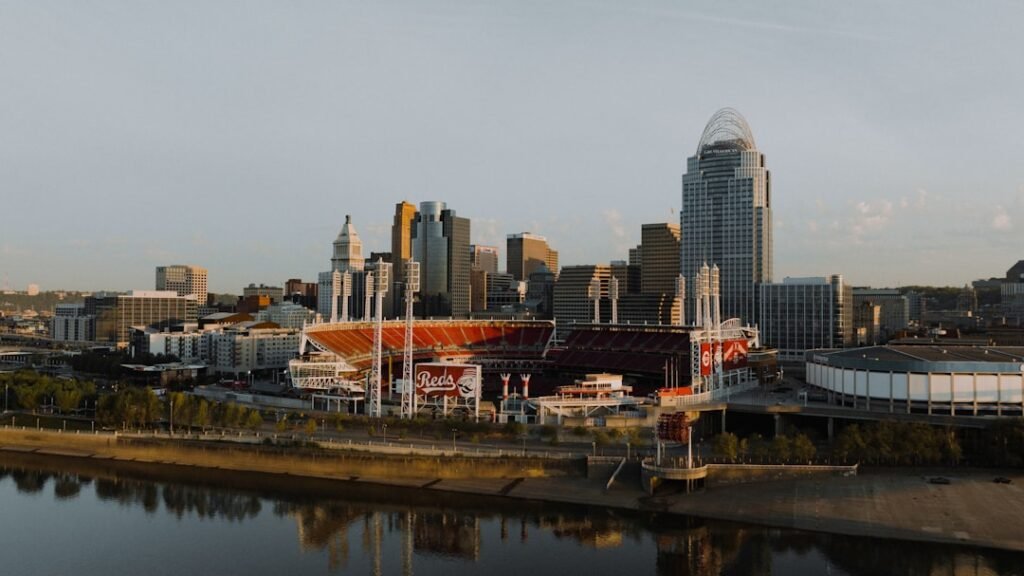
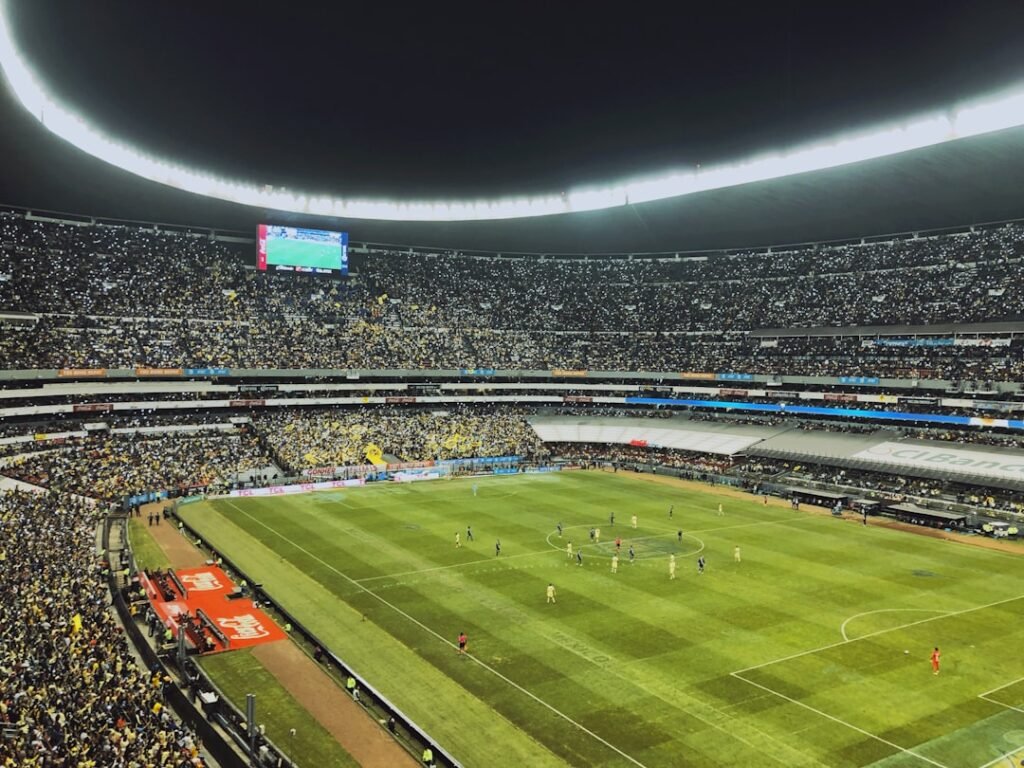
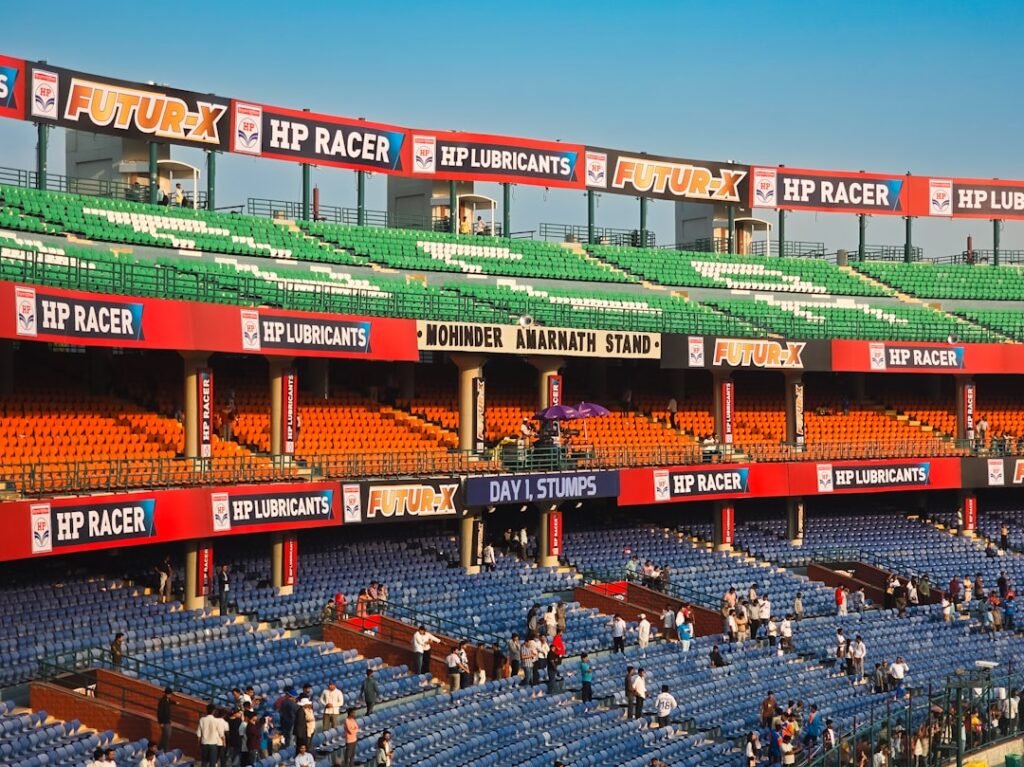
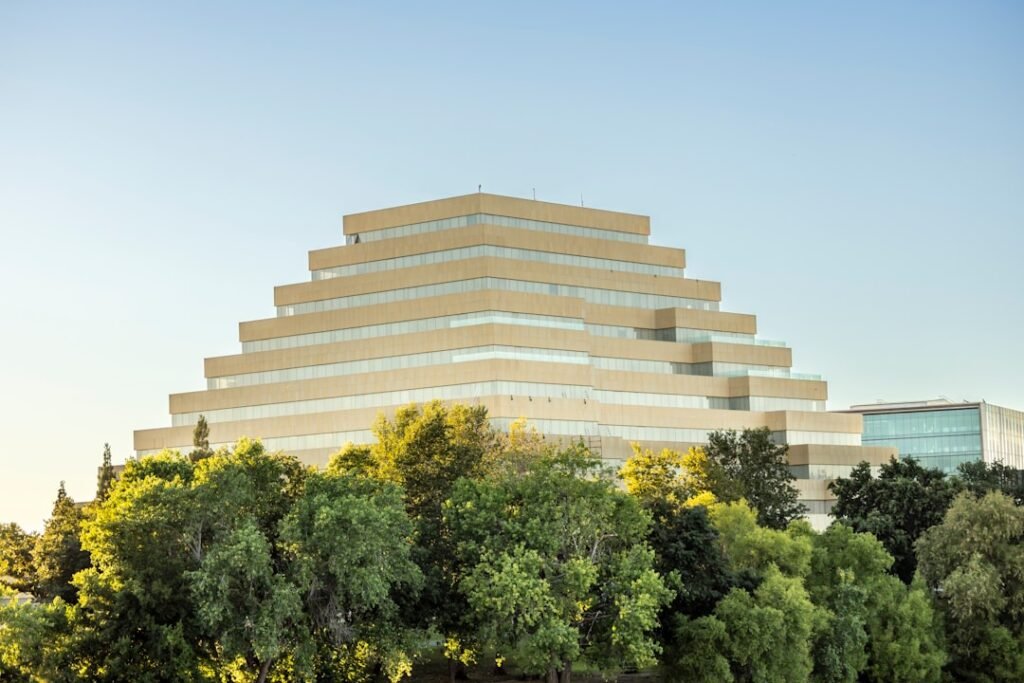
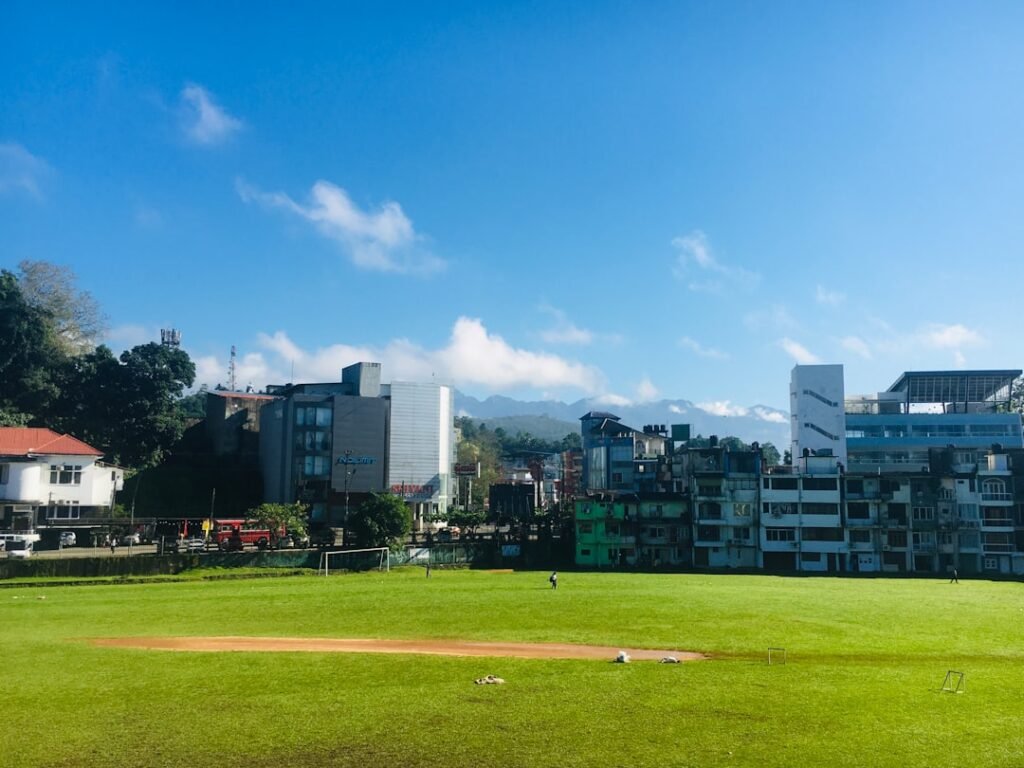
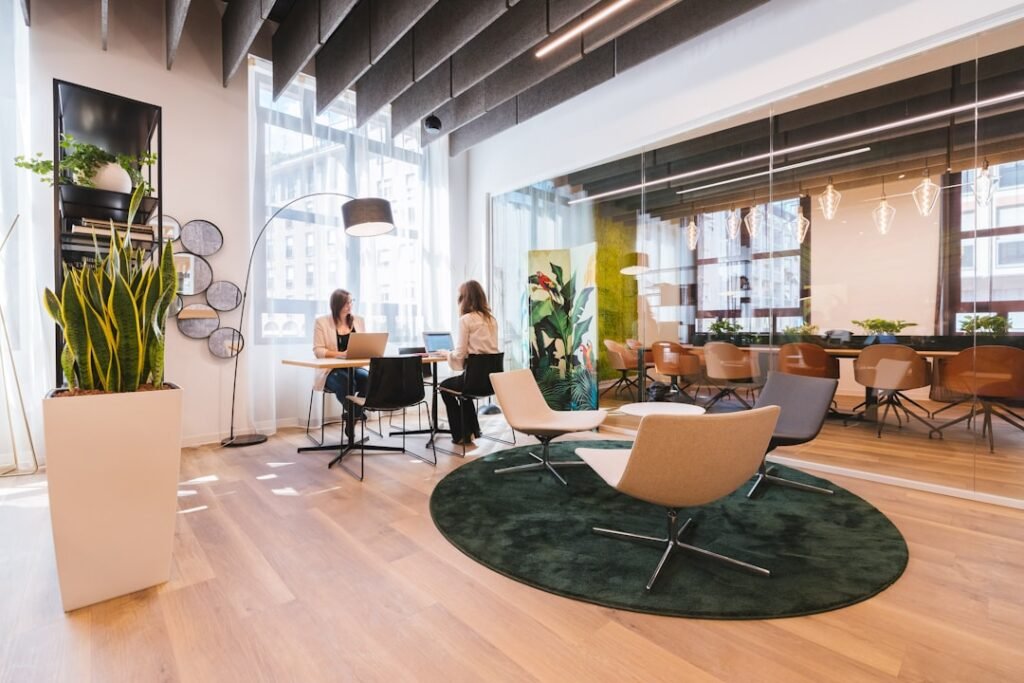
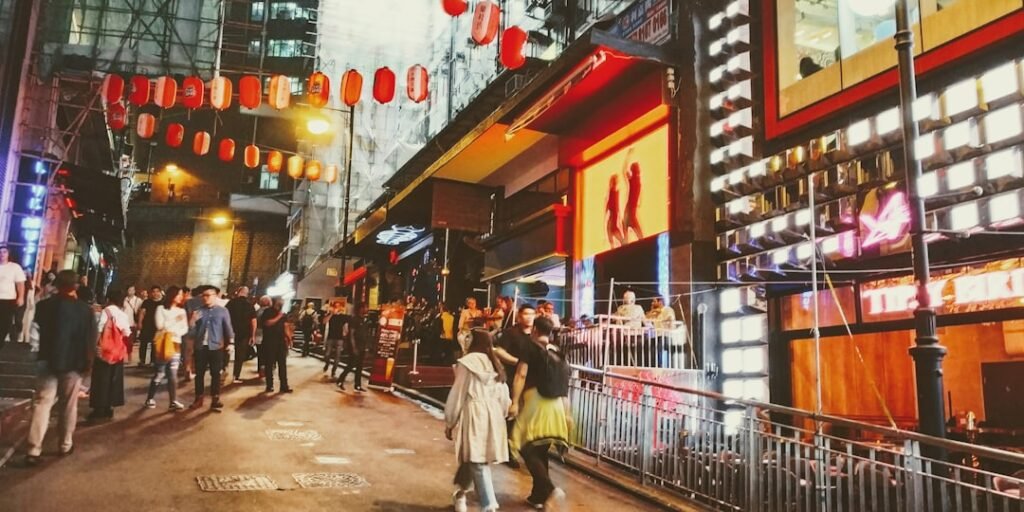
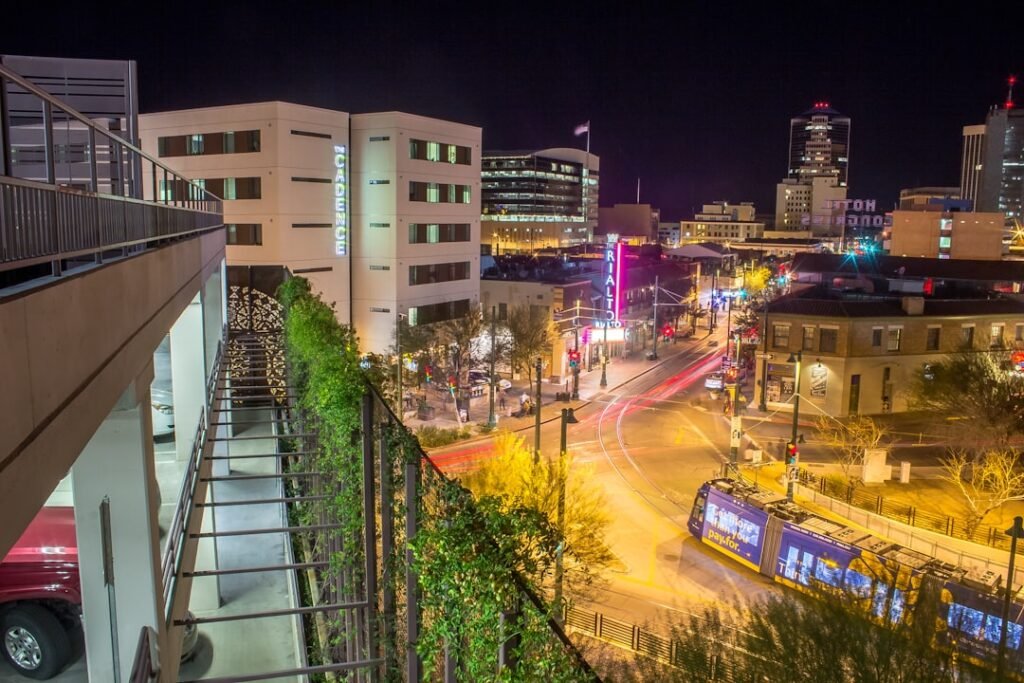
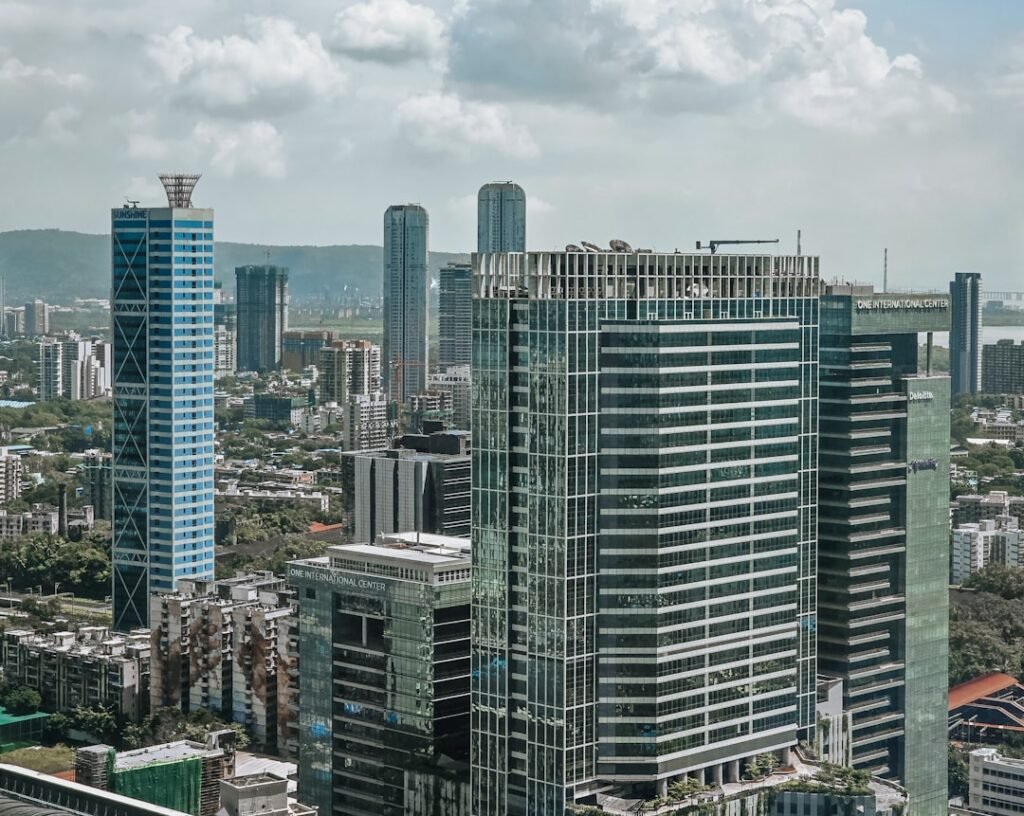
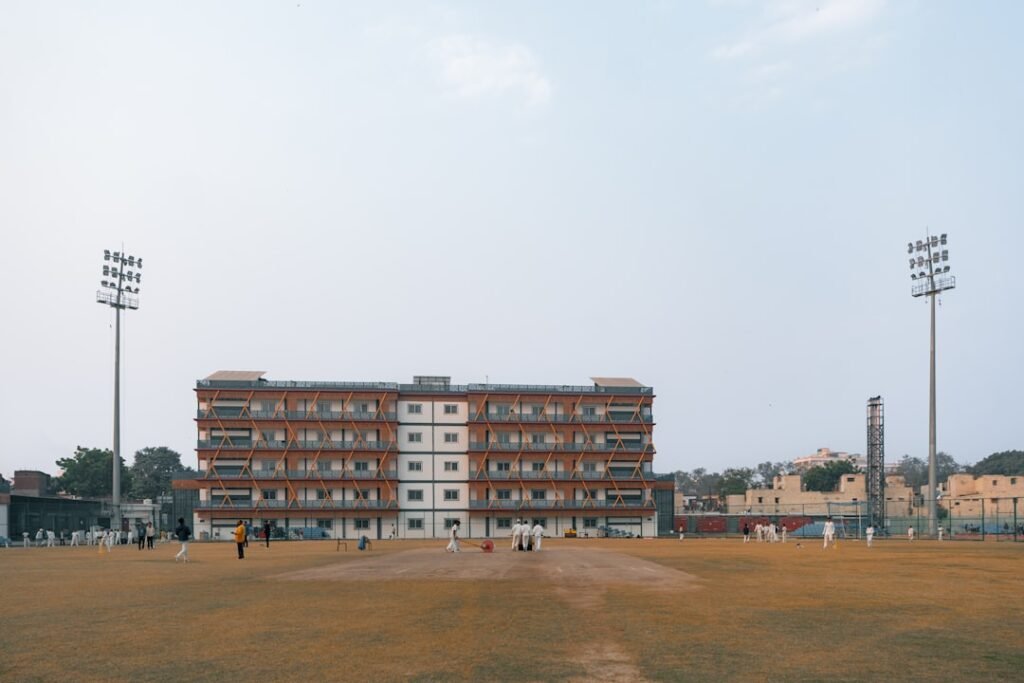
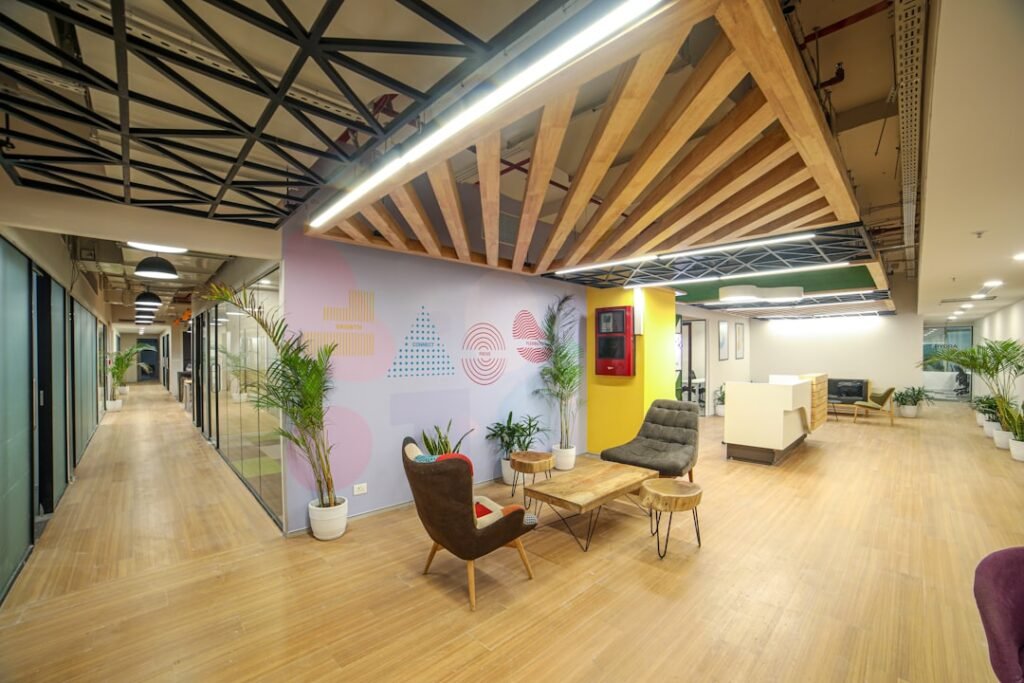
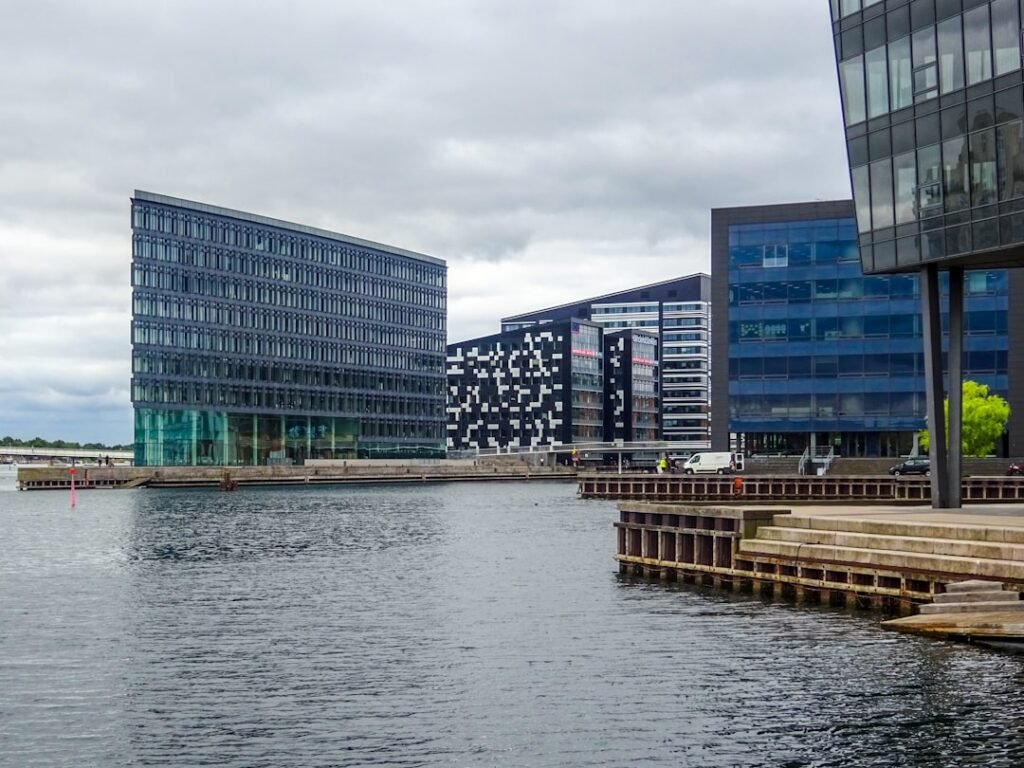
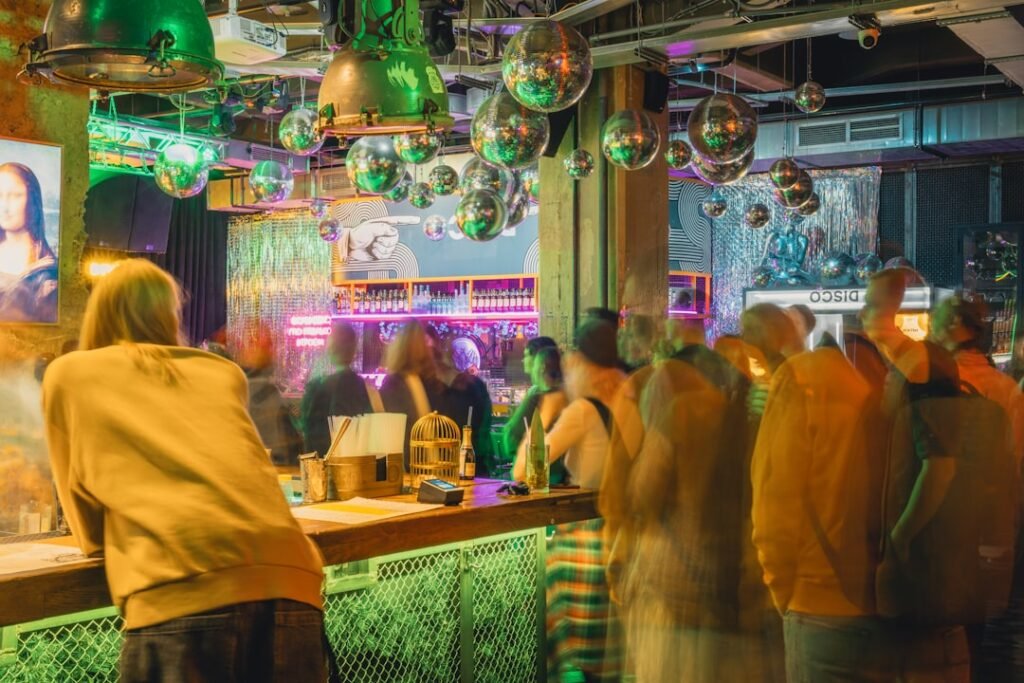
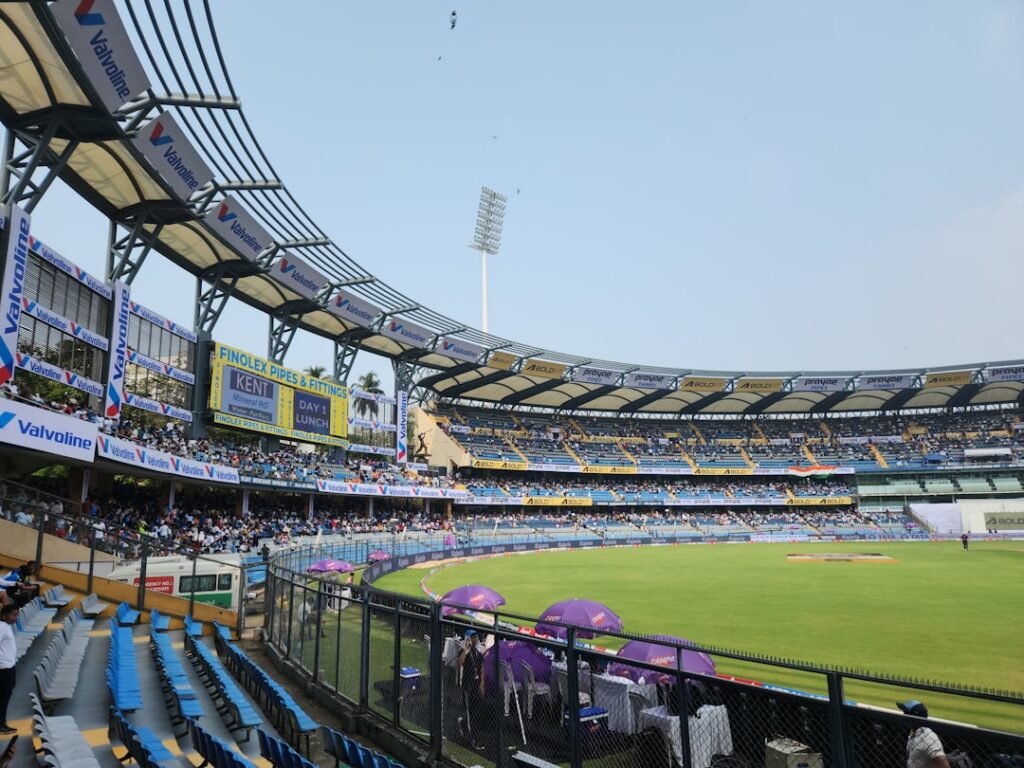
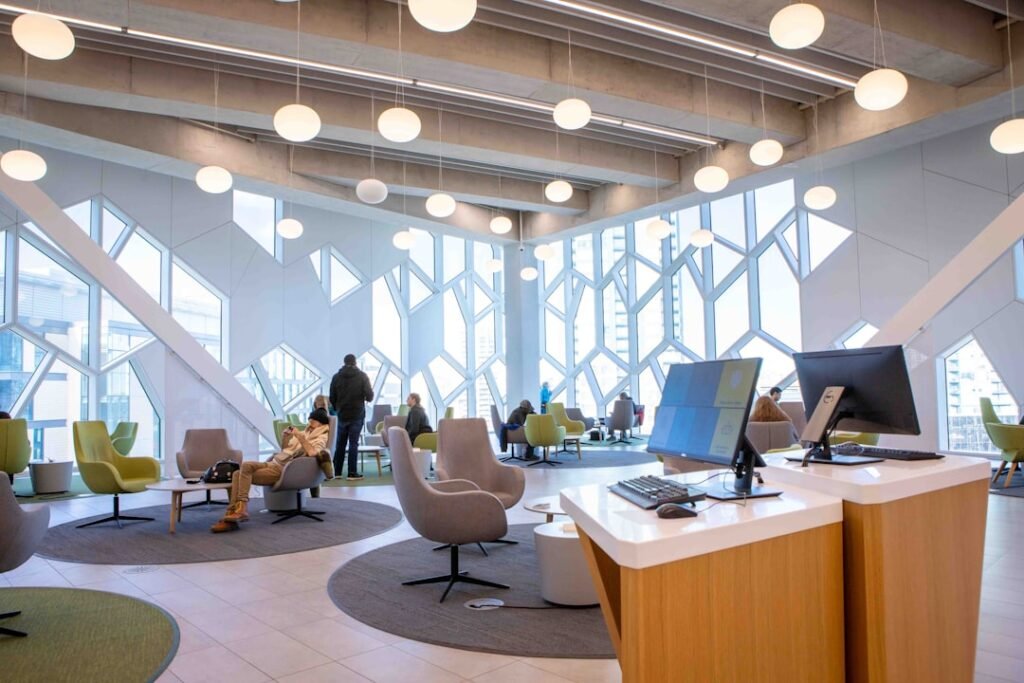
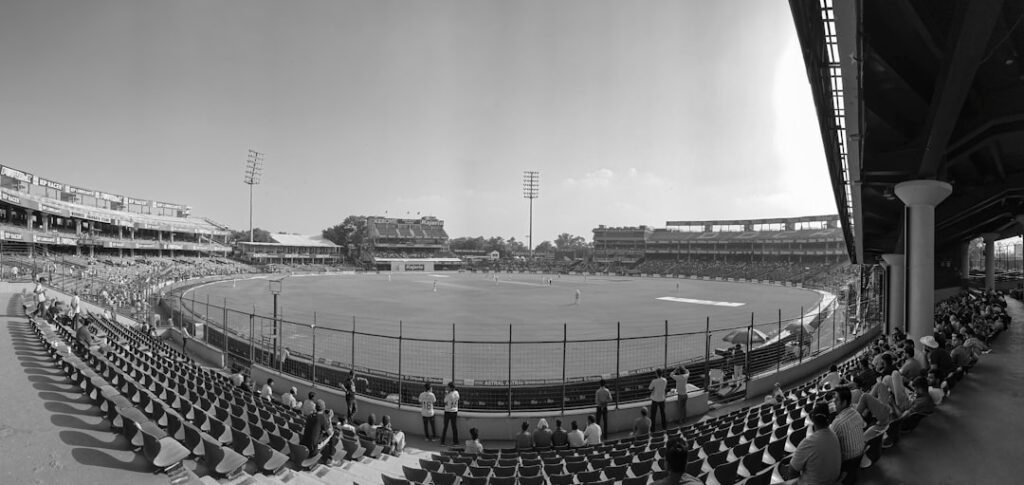
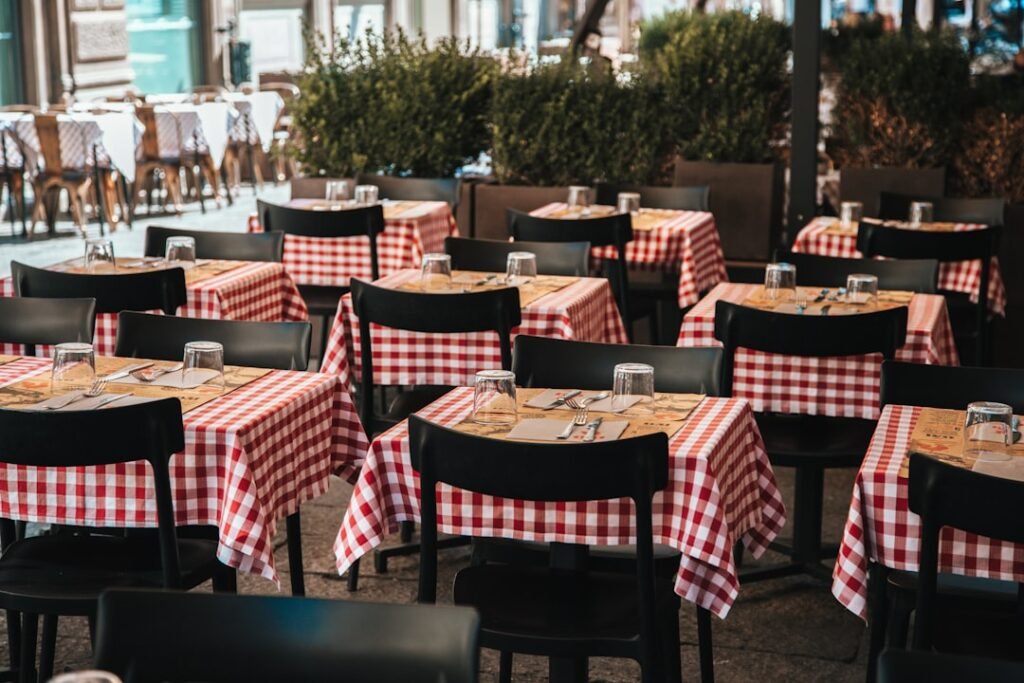
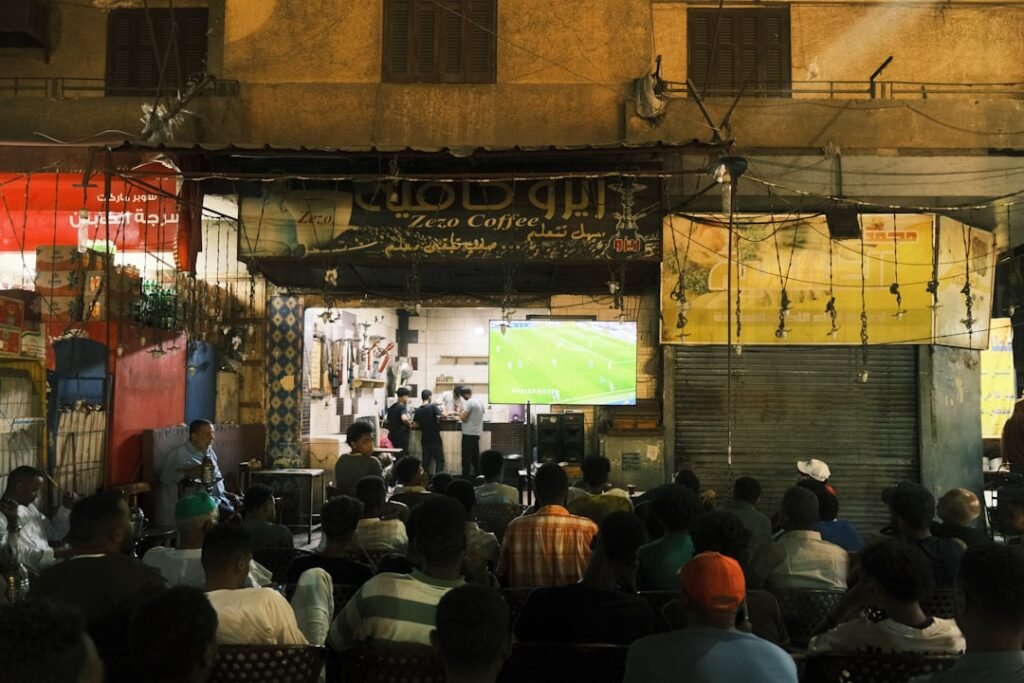
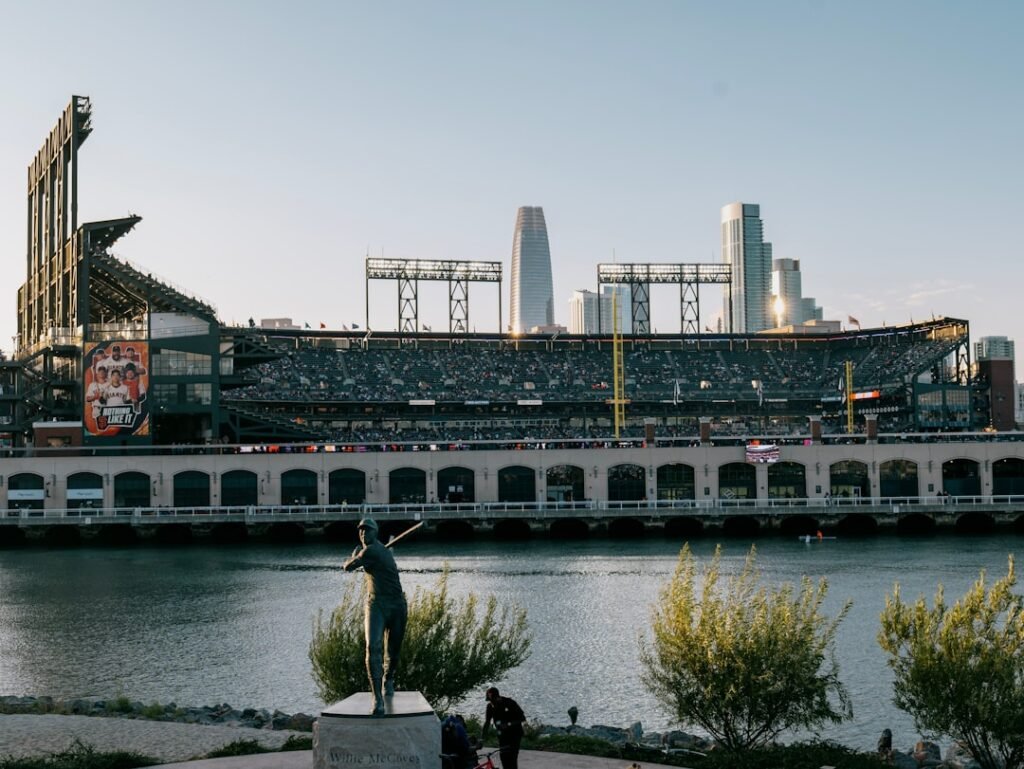
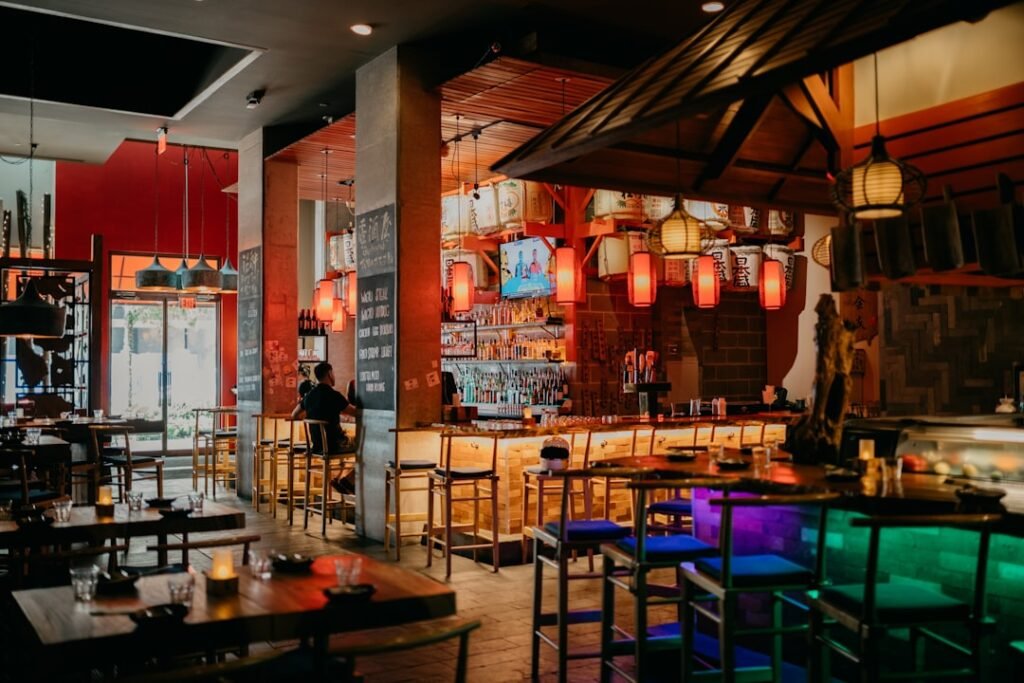
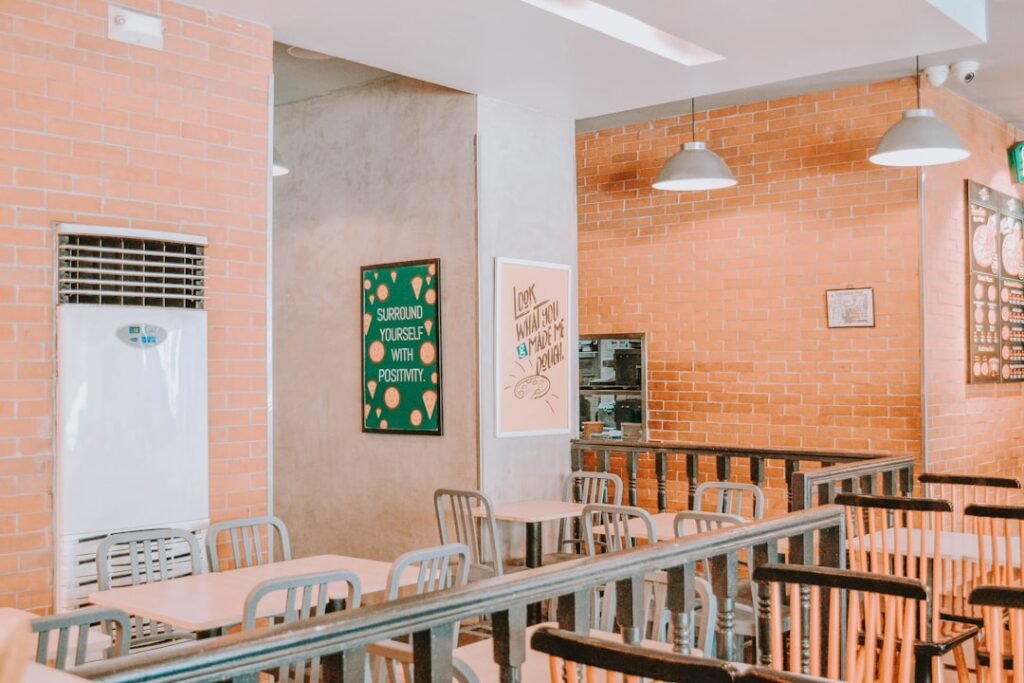
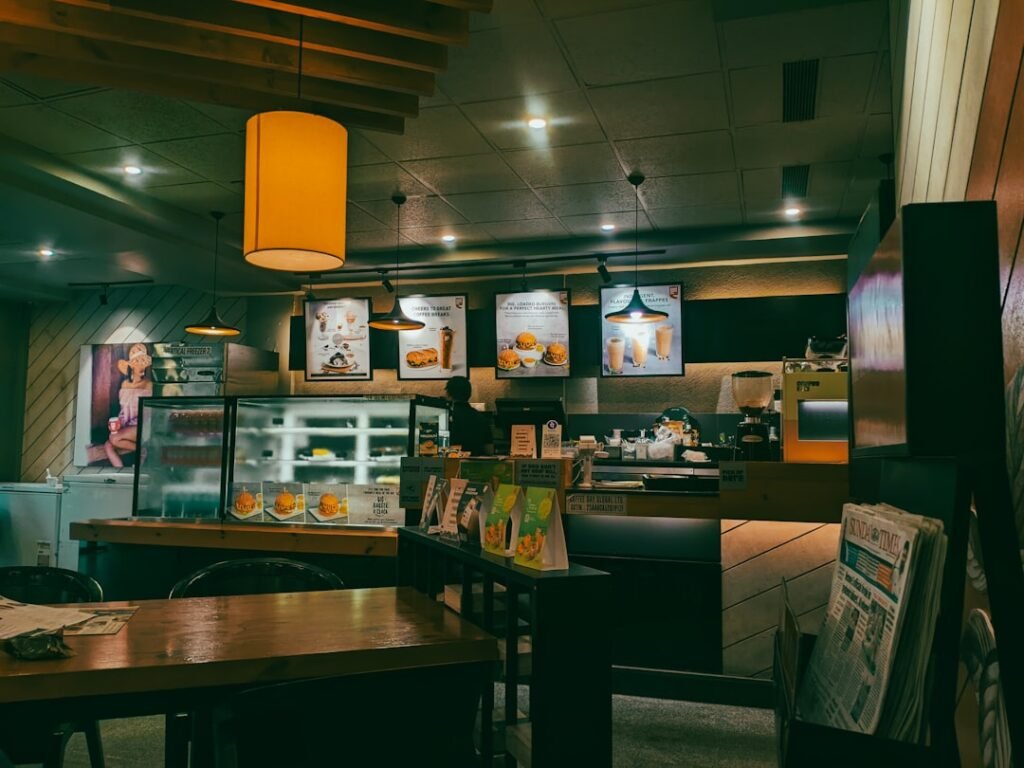
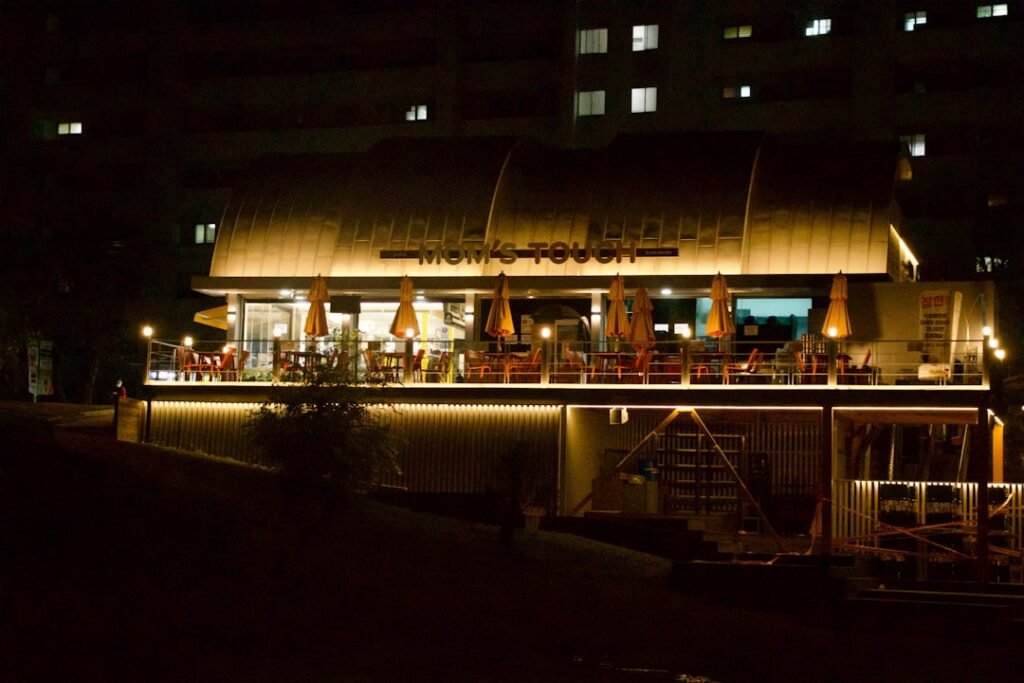
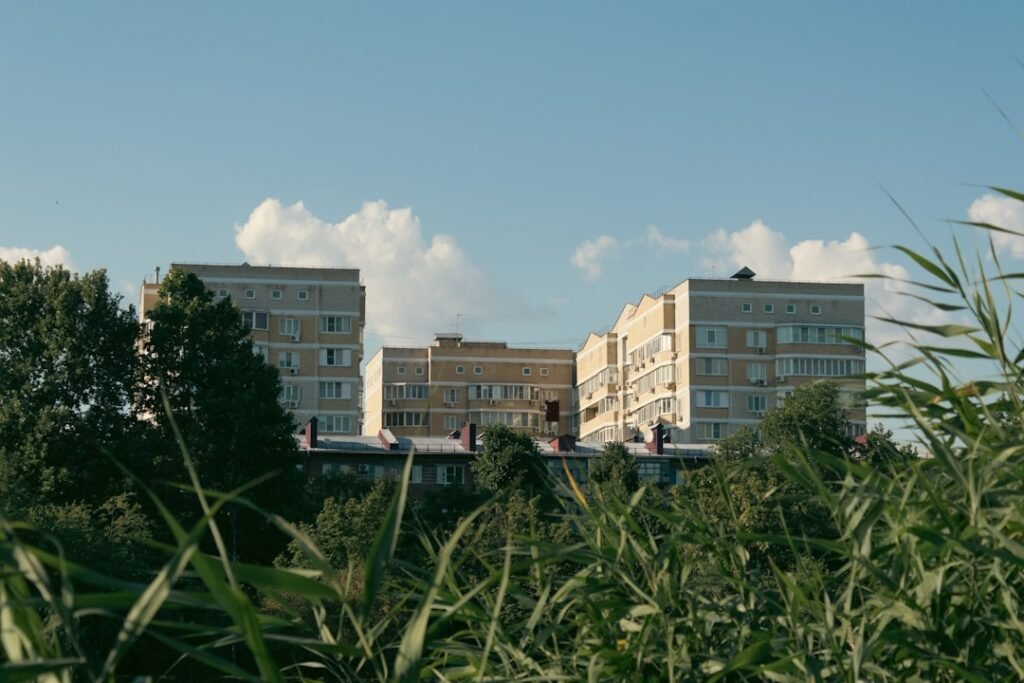
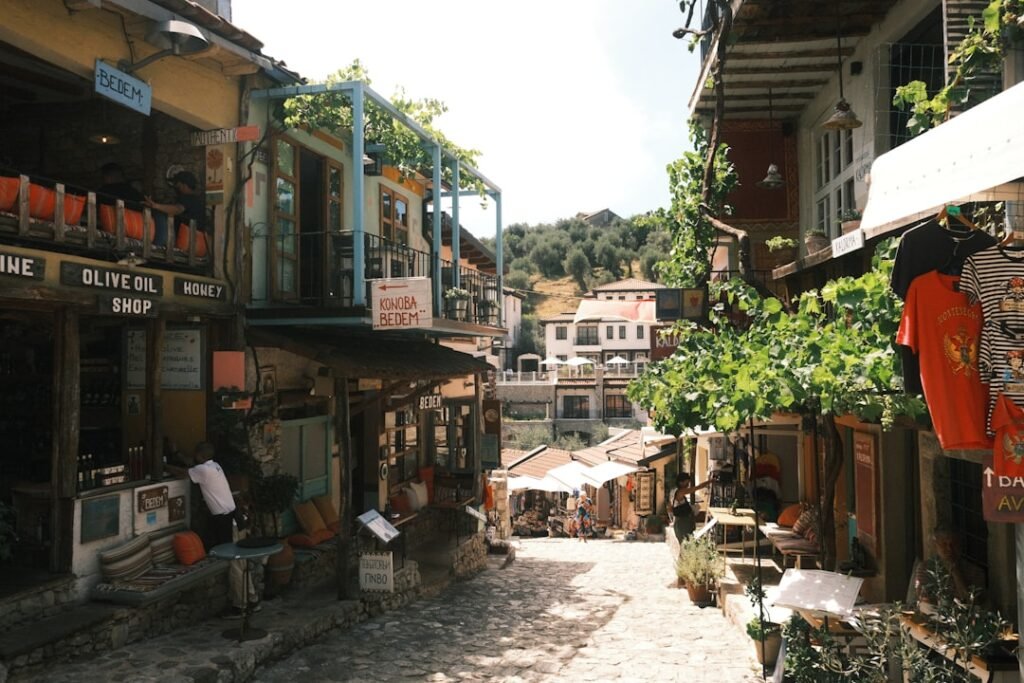
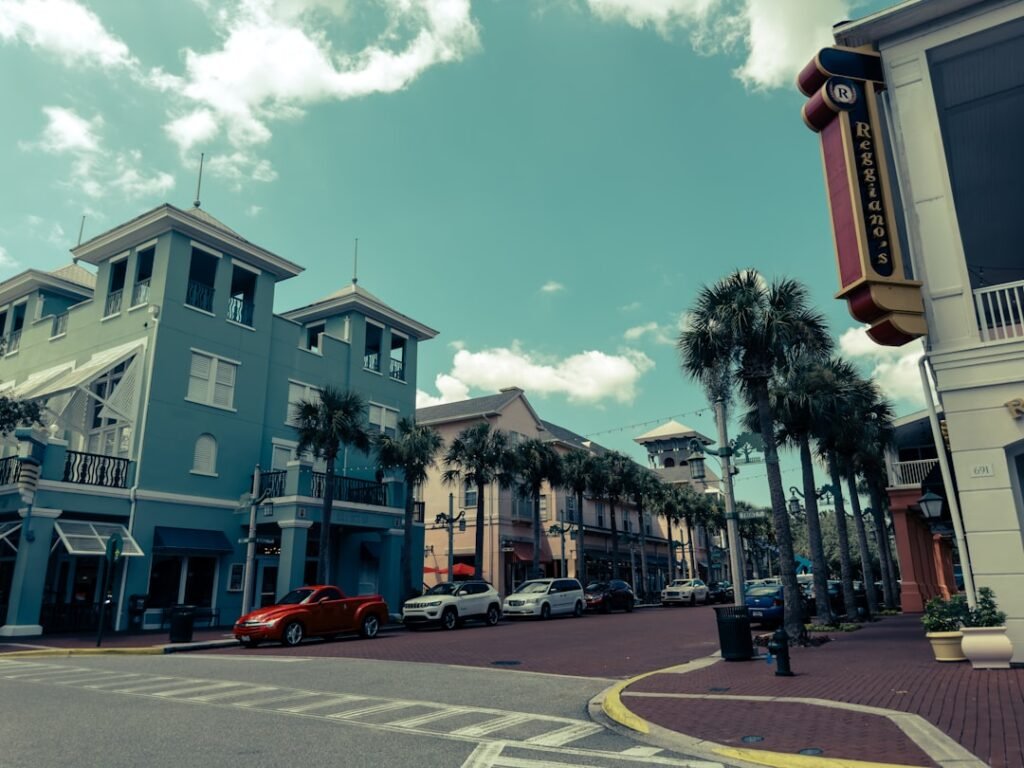
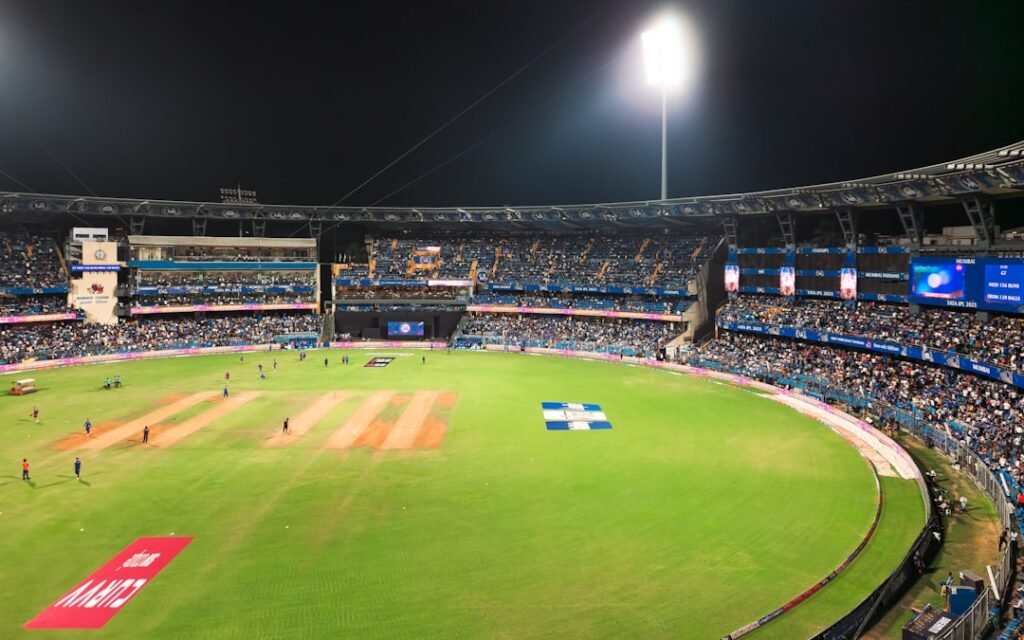
Mixed-use stadium districts combine sports venues with residential, retail, and office spaces. This model encourages a lively atmosphere, drawing fans and community members alike. The objective is to create a destination that goes beyond just attending a game. Instead, it offers a full experience with dining, shopping, and socializing opportunities.
Key Features of Mixed-Use Stadium Districts
- Integrated Facilities: Stadiums are constructed alongside other facilities, such as hotels and restaurants.
- Community Engagement: These districts foster community interactions, enhancing local culture.
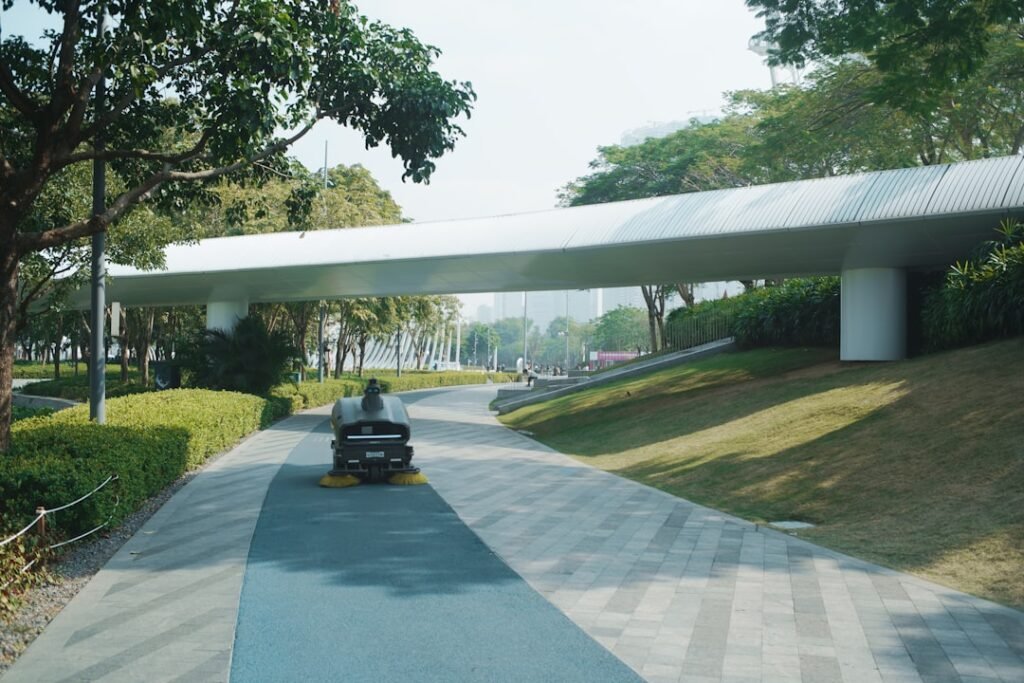
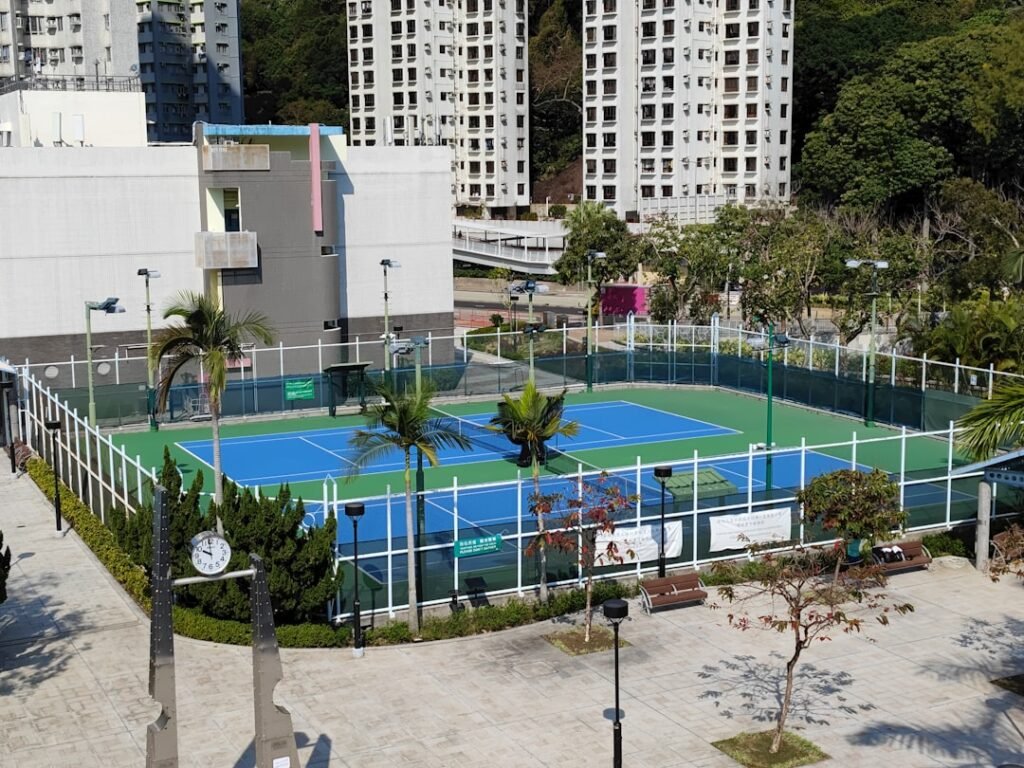
- Sustainable Development: They often prioritize green spaces and environmentally friendly architecture.
- Economic Growth: By attracting visitors, they boost local economies through increased foot traffic.
The Benefits of Mixed-Use Stadium Districts
The rise of mixed-use stadium districts brings several advantages for colleges and their surrounding communities:
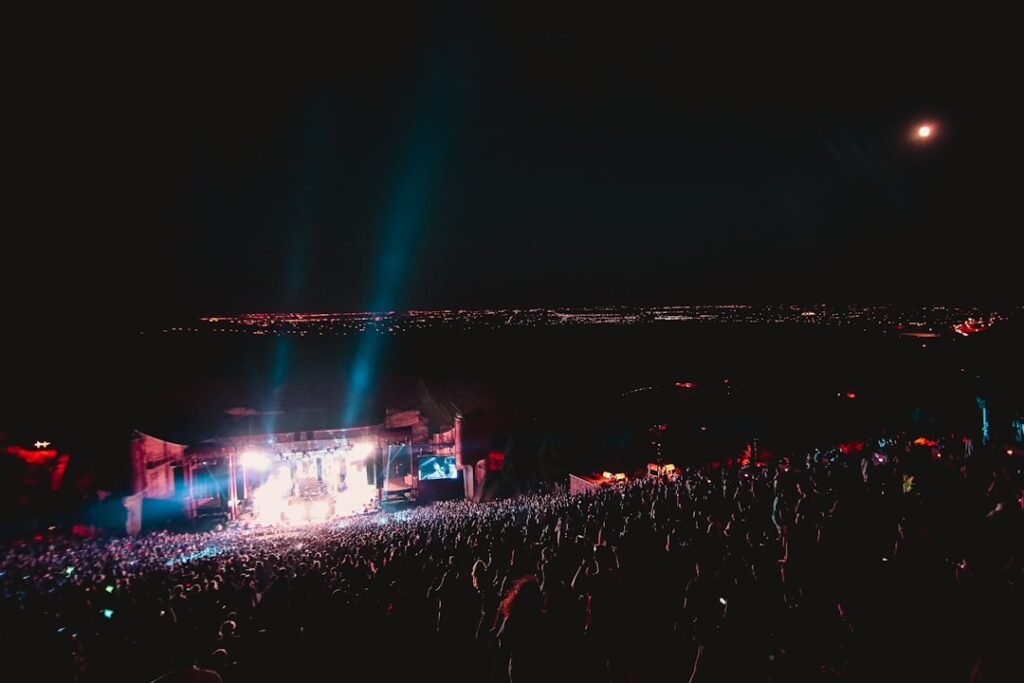
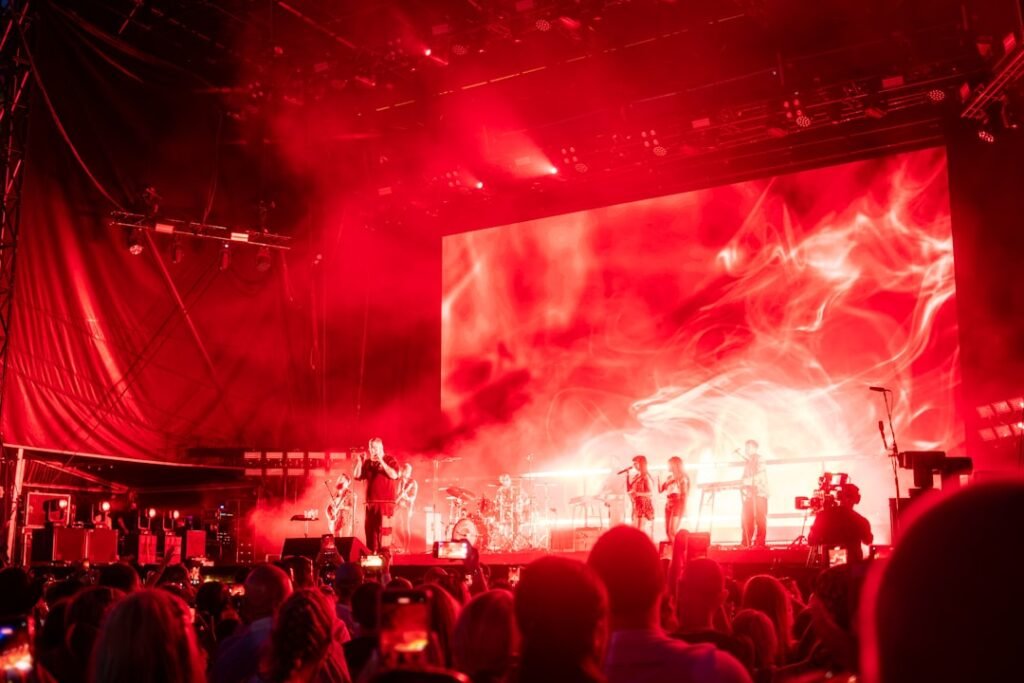
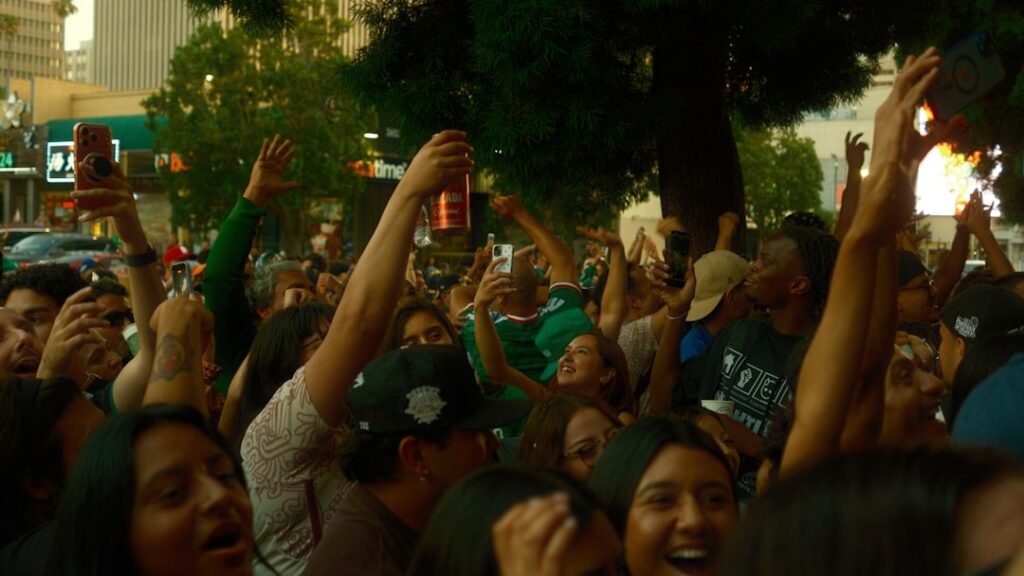
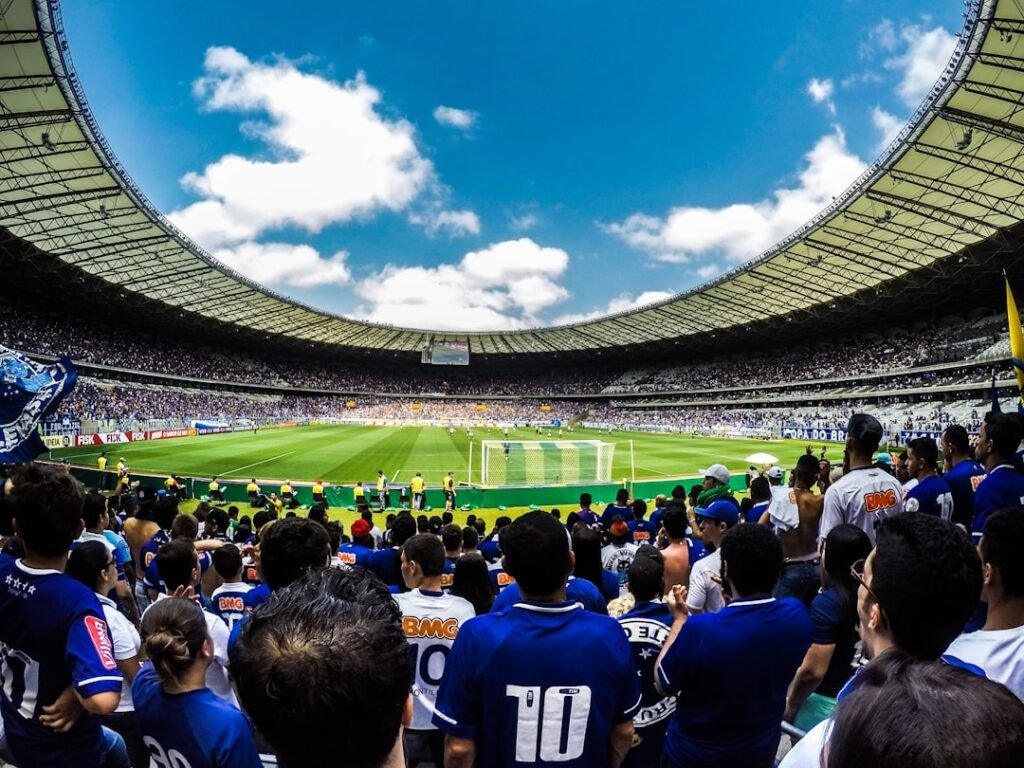
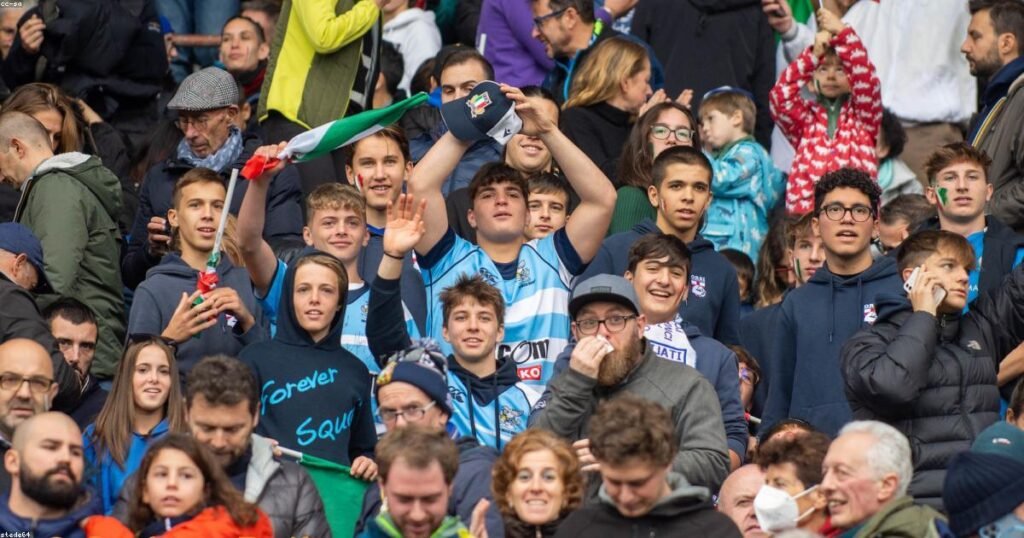
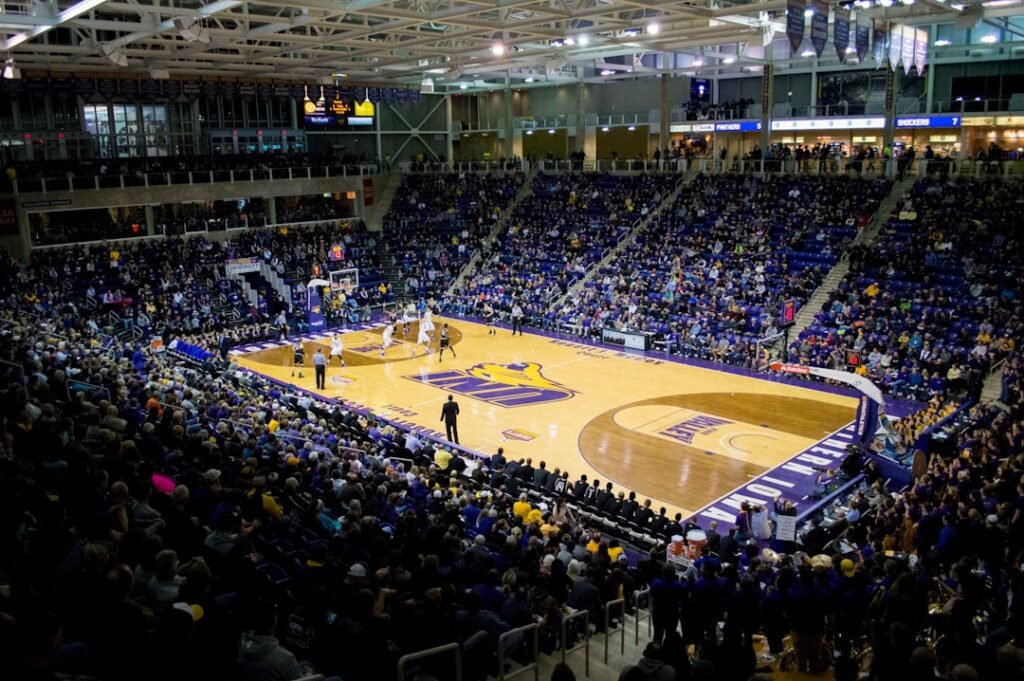
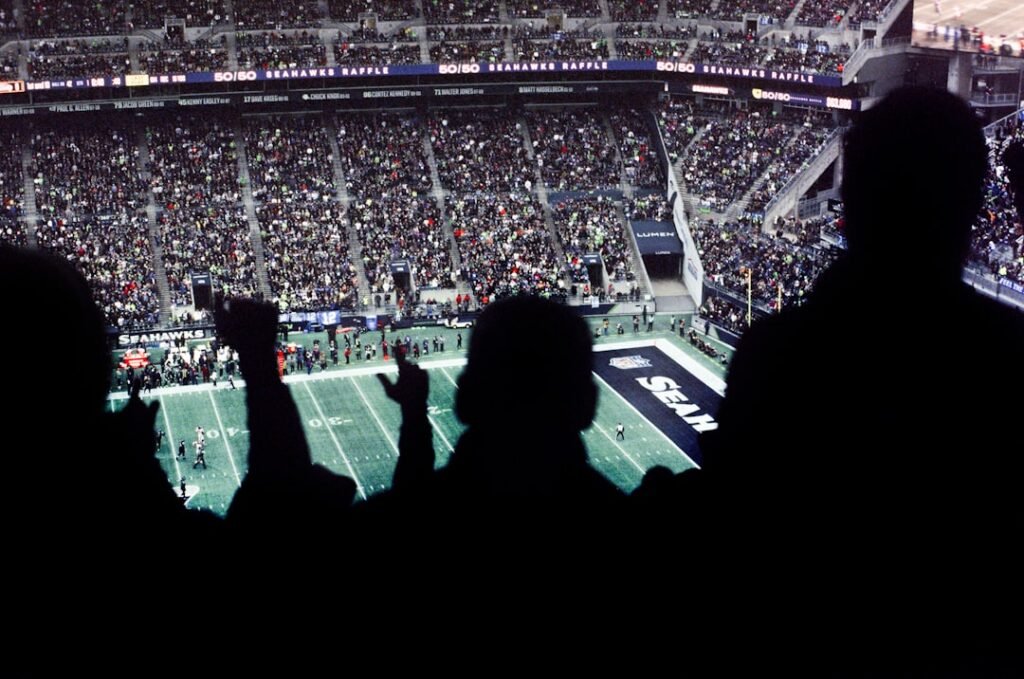
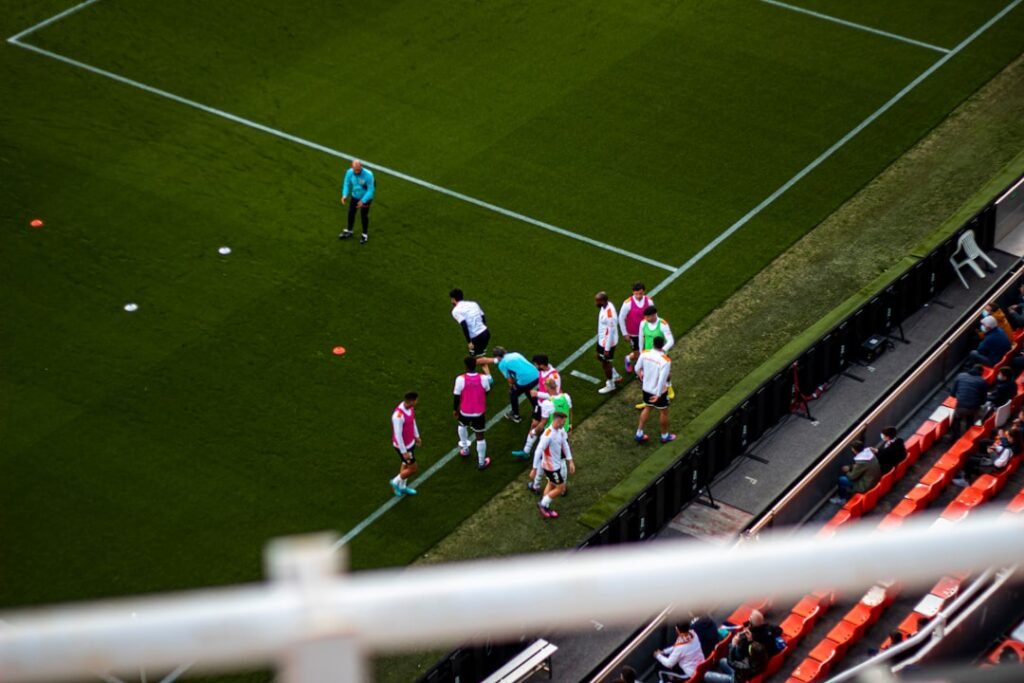
- Enhanced Game-Day Experience: Fans can enjoy pre-game and post-game activities, making the event a day-long celebration.
- Increased Attendance: By offering more than just a game, these districts attract larger crowds, benefiting both the team and local businesses.
- Stronger Community Ties: With spaces for gatherings and activities, these districts create a sense of belonging and pride among residents.
- Job Creation: New businesses in the district lead to job opportunities for local residents.
Case Studies: Success Stories in College Sports
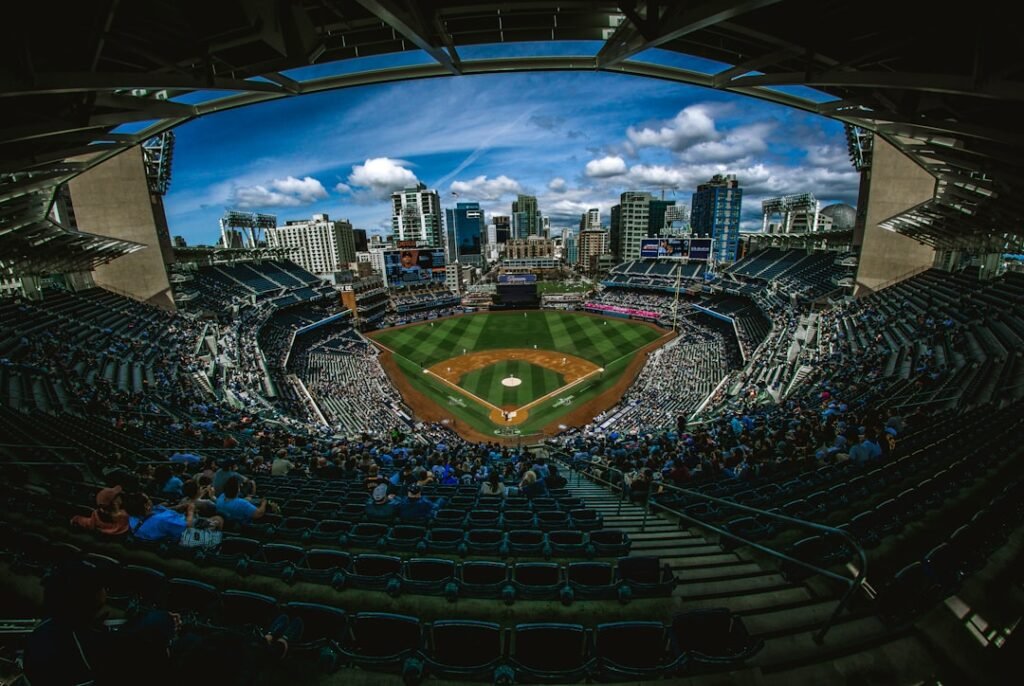
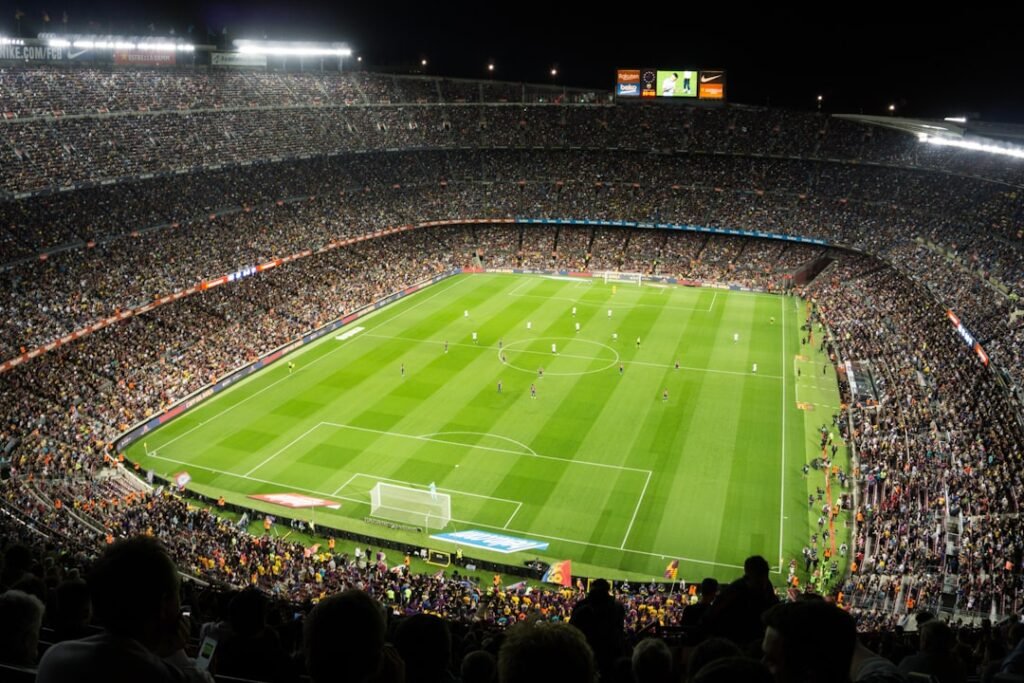
Several colleges have successfully implemented mixed-use stadium districts, setting examples for others to follow. For instance, the University of Notre Dame has integrated its football stadium with a variety of retail and dining options, turning game days into community events that extend beyond the field.
Similarly, the University of Texas has developed a bustling district around its football stadium, complete with shops, eateries, and event spaces. These developments have not only increased attendance at games but have also strengthened the local economy.
Challenges and Considerations
While the benefits are significant, establishing a mixed-use stadium district does come with challenges:
- Funding: Securing investment for such large-scale projects can be a hurdle.
- Zoning Regulations: Navigating local laws and regulations is crucial to ensure compliance.
- Community Buy-In: Engaging local stakeholders is essential for successful implementation.
The Future of Mixed-Use Stadium Districts in College Sports
As the trend of mixed-use stadium districts grows, more colleges are likely to follow suit. The integration of sports, community, and commerce represents a forward-thinking approach to college athletics. Universities that adopt this model not only enhance their athletic programs but also serve as catalysts for local economic development.
Conclusion: Embracing Change in College Sports
Mixed-use stadium districts are more than just a passing trend in college sports; they are a comprehensive strategy for community engagement and economic revitalization. As colleges continue to innovate and enhance the fan experience, the future looks bright for this dynamic approach that brings together work, play, and football.
Source: news source