












































































































































































































































































































































































































































































































































































































































































































































































































































































































































































































































































































































































































































































































































































































































































































































































































































































































































































































































































































































































































































































































































































































































































































































































































































































































































































































































































































































































































































































































































































































































































































































































































































































































































































































































































































SBA Launches Comprehensive Audit of Economically Disadvantaged Contractors

The SBA (Small Business Administration) has initiated a significant new audit aimed at economically disadvantaged contractors. This move is part of a broader effort to ensure compliance and transparency in federal contracting processes. The audit seeks to assess whether these contractors meet the criteria set forth by the SBA to qualify for government contracts. This initiative not only reinforces the SBA’s commitment to fostering a fair business environment but also enhances opportunities for small businesses that are critical to the economy.
Why the SBA Audit Matters for Economically Disadvantaged Contractors
Understanding the implications of the SBA’s audit is crucial for economically disadvantaged contractors. This audit aims to identify contractors who may be misclassified, thus ensuring that those truly in need receive the opportunities designed for them. As a result, the audit could lead to stricter enforcement of regulations and policies that govern government contracts.
The Importance of Fair Contracting Practices
Fair contracting practices are essential for creating a level playing field. The SBA’s audit will focus on several key areas:
- Verification of eligibility for economically disadvantaged status
- Assessment of compliance with federal regulations
- Review of contracting processes and outcomes
By targeting these areas, the SBA aims to ensure that federal funds are allocated fairly and effectively. This audit can significantly impact the business landscape for small and disadvantaged contractors.
The Process of the SBA Audit
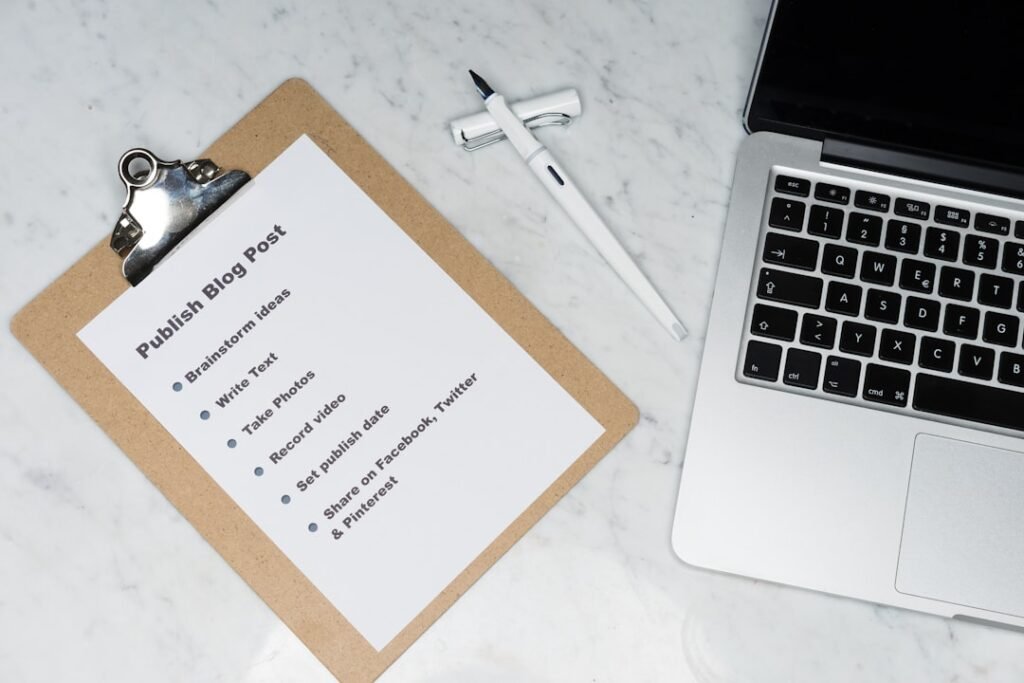
The SBA will employ a structured approach to conduct this audit. The process will typically involve several stages:
- Initial notification to selected contractors
- Collection of documentation and data from contractors
- In-depth analysis of the submitted information
- Follow-up interviews with key stakeholders
- Final reporting and recommendations
This systematic approach ensures thoroughness and provides a clear path for contractors to understand what is expected during the audit. Economically disadvantaged contractors must be prepared to showcase their eligibility and compliance effectively.
Implications for Economically Disadvantaged Contractors
The outcome of the SBA audit could have significant implications for economically disadvantaged contractors. A successful audit can lead to increased opportunities for federal contracts, while a negative outcome could result in loss of eligibility or future contracting opportunities. It’s vital for these contractors to stay informed about the audit and participate proactively.
Conclusion: The Future of Economically Disadvantaged Contractors
The SBA’s audit of economically disadvantaged contractors is a crucial step toward ensuring transparency and fairness in government contracting. This initiative not only aims to validate contractor eligibility but also seeks to enhance the competitive landscape for small businesses. By focusing on compliance and accountability, the SBA is helping to create a more equitable environment for all contractors.
As this audit unfolds, economically disadvantaged contractors must remain vigilant and prepared. Engaging with the process and understanding what the SBA expects will be key for securing future opportunities in federal contracting. The outcomes of this audit could very well shape the future of small business participation in government contracts.
Source: news source