



















































































































































































































































































































































































































































































































































































































































































































































































































































































































































































































































































































































































































































































































































































































































































































































































































































































































































































































































































































































































































































































































































































































































































































































































































































































































































































































































































































































































































































































































































































































































































































































































Understanding Idaho’s Wildfires: The Impact on Small Businesses Beyond Insurance

Idaho’s wildfires pose a significant threat to small businesses across the region. As wildfires wreak havoc, business owners find themselves grappling with risks that extend well beyond the reach of their insurance policies. It’s crucial to understand how these natural disasters affect local economies and what measures can be taken to mitigate long-term damage.
The Growing Frequency of Wildfires in Idaho
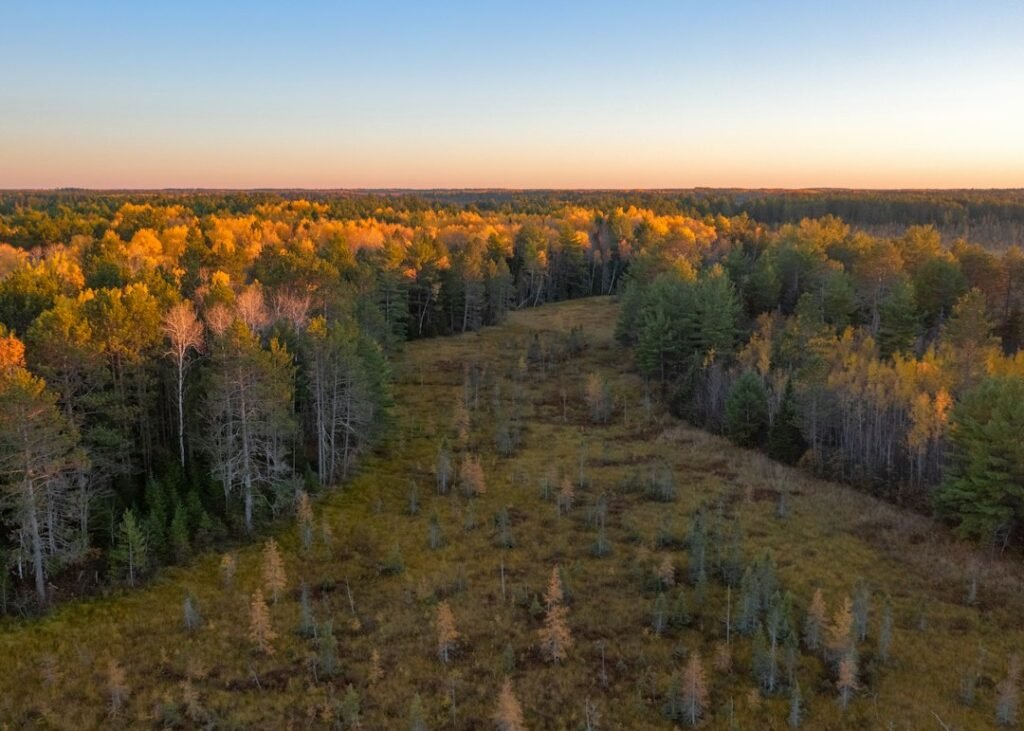
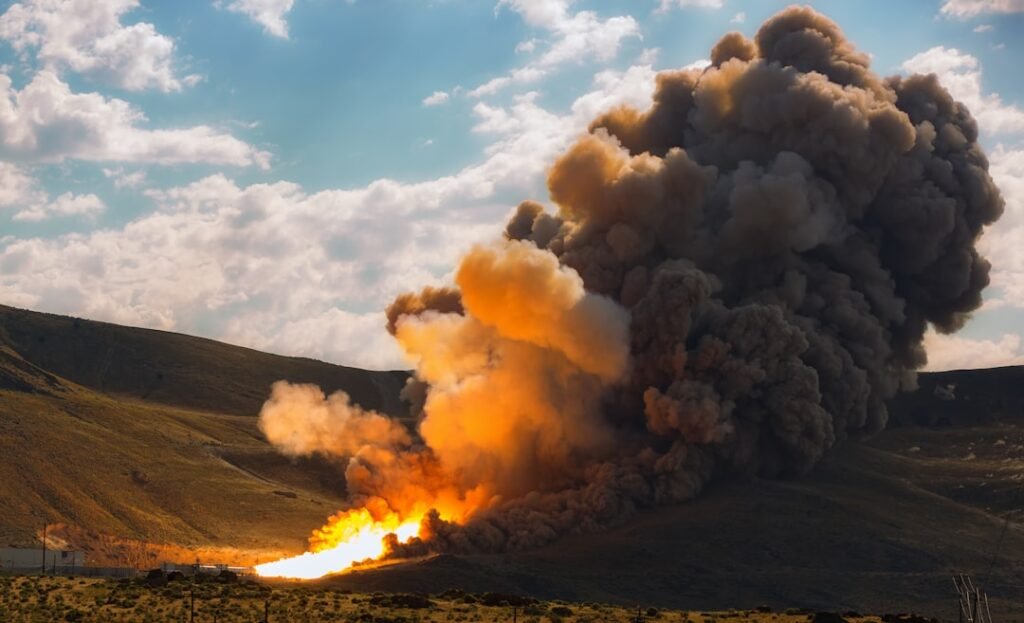
Idaho has seen an alarming rise in the frequency and intensity of wildfires in recent years. Factors such as climate change, drought, and forest management practices have contributed to this trend. Wildfires not only destroy property but also disrupt the lives of those who depend on small businesses for their livelihoods. The aftermath of these disasters often leaves a lasting impact on the local economy.
Economic Ramifications for Small Businesses
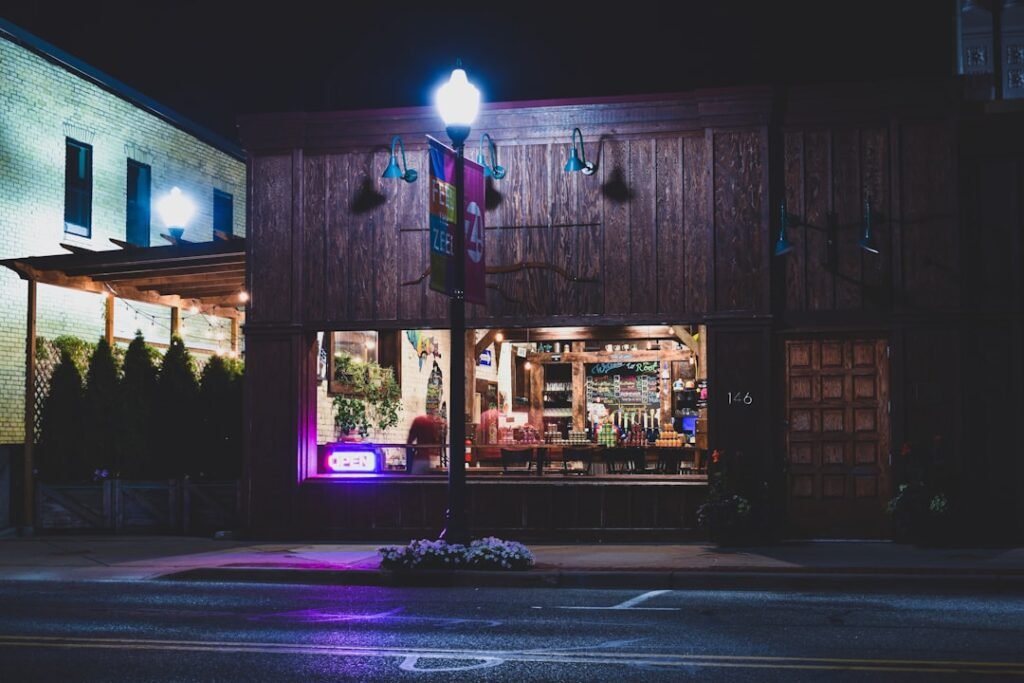
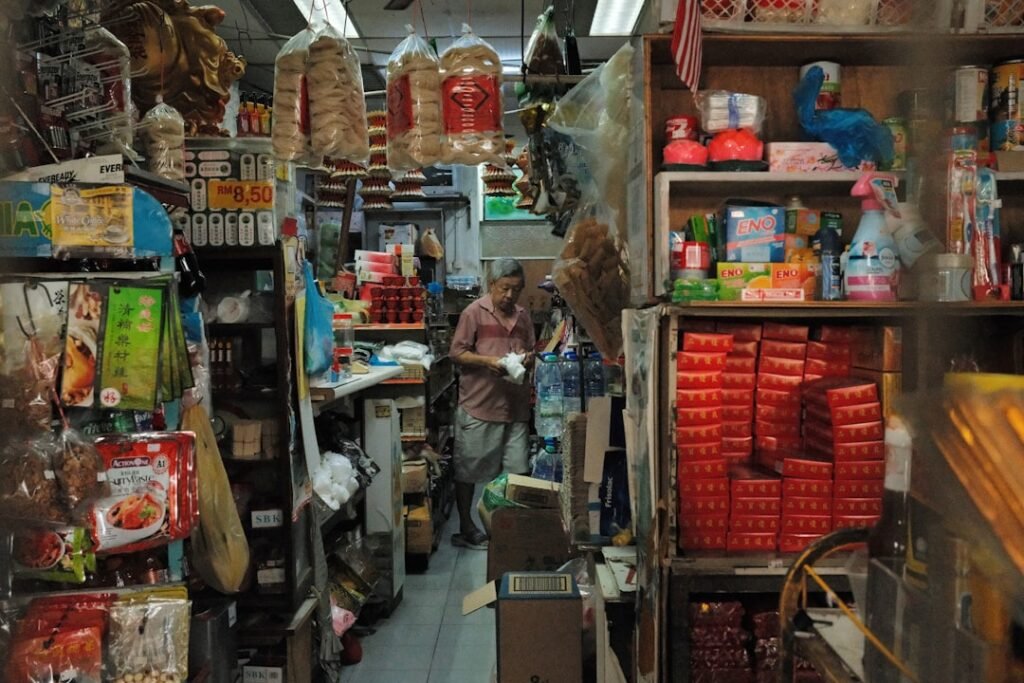
Small businesses are the backbone of Idaho’s economy, but they are often the most vulnerable during wildfire events. The risk to small businesses can manifest in various ways:
- Property Damage: Physical destruction of storefronts or inventory can lead to immediate financial loss.
- Loss of Revenue: Forced closures during emergencies can drastically reduce sales, affecting cash flow.
- Insurance Limitations: Many business insurance policies have coverage limits that may not fully compensate for losses.
- Employee Displacement: Business interruptions can result in layoffs, affecting employee morale and retention.
Understanding these economic ramifications is crucial for small business owners. They must not only prepare for the immediate impact of wildfires but also strategize for long-term recovery.
Preparing for Wildfires: Strategies for Small Business Owners
Preparation is key to mitigating the effects of wildfires. Here are some effective strategies that small business owners in Idaho can implement:
- Develop an Emergency Plan: Have a clear plan outlining how to respond in the event of a wildfire. This should include evacuation plans and communication strategies.
- Assess Risks: Conduct a thorough risk assessment to identify vulnerabilities in your business operations.
- Invest in Insurance: Review your insurance coverage and consider additional policies that address specific wildfire risks.
- Create a Community Network: Collaborate with other local businesses to share resources and strategies for recovery.
- Stay Informed: Keep updated on local weather conditions and fire alerts to ensure timely action when necessary.
These proactive measures can help businesses reduce vulnerability and ensure a quicker recovery after wildfires.
Community Support and Recovery Efforts
After a wildfire, community support plays a vital role in helping small businesses get back on their feet. Local governments and organizations often provide resources, including financial assistance and recovery programs. Small businesses can benefit from:
- Access to grants and loans specifically aimed at disaster recovery.
- Networking opportunities to connect with other affected businesses.
- Workshops and training sessions on rebuilding and resiliency.
Engaging with community resources can make a significant difference in the recovery process for small businesses impacted by Idaho’s wildfires.
Conclusion: The Long-Term Outlook for Idaho’s Small Businesses
The aftermath of Idaho’s wildfires serves as a reminder that the risks do not end where insurance coverage does. Small businesses must adopt a holistic approach to disaster preparedness, focusing not only on immediate recovery but also on building resilience against future wildfires. By staying informed, connecting with community resources, and implementing solid preparation strategies, Idaho’s small businesses can navigate the challenges posed by wildfires more effectively.
Source: news source