

































































































































































































































































































































































































































































































































































































































































































































































































































































































































































































































































































































































































































































































































































































































































































































































































































































































































































































































































































































































































































































































































































































































































































































































































































































































































































































































































































































































































































































































































































































































Marriott and Gensler CEOs Emphasize That Good Design Drives Business Success

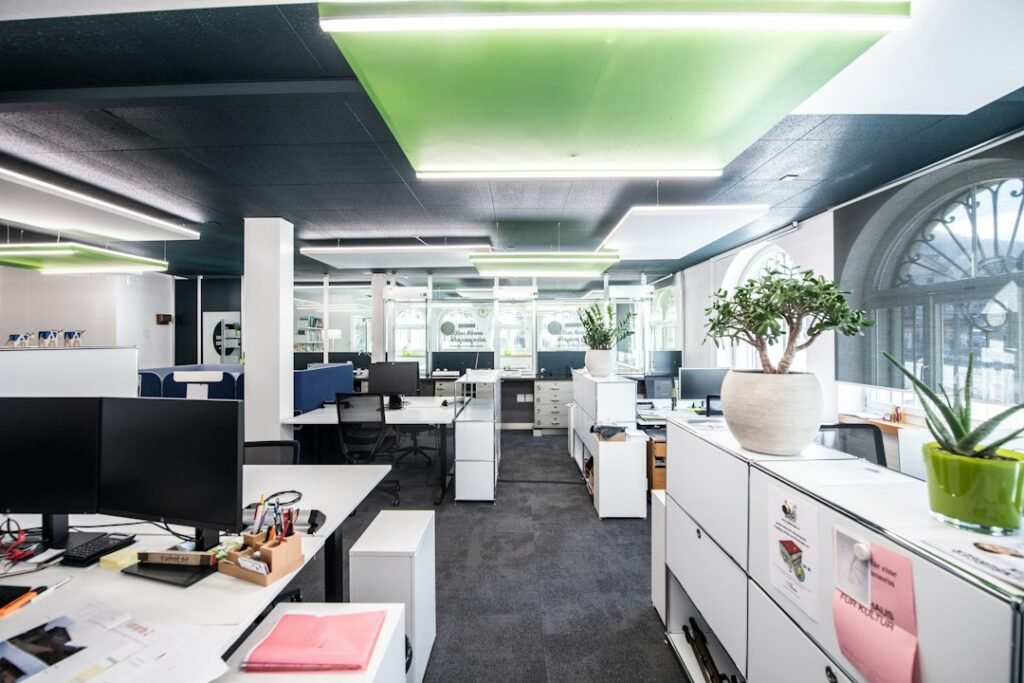
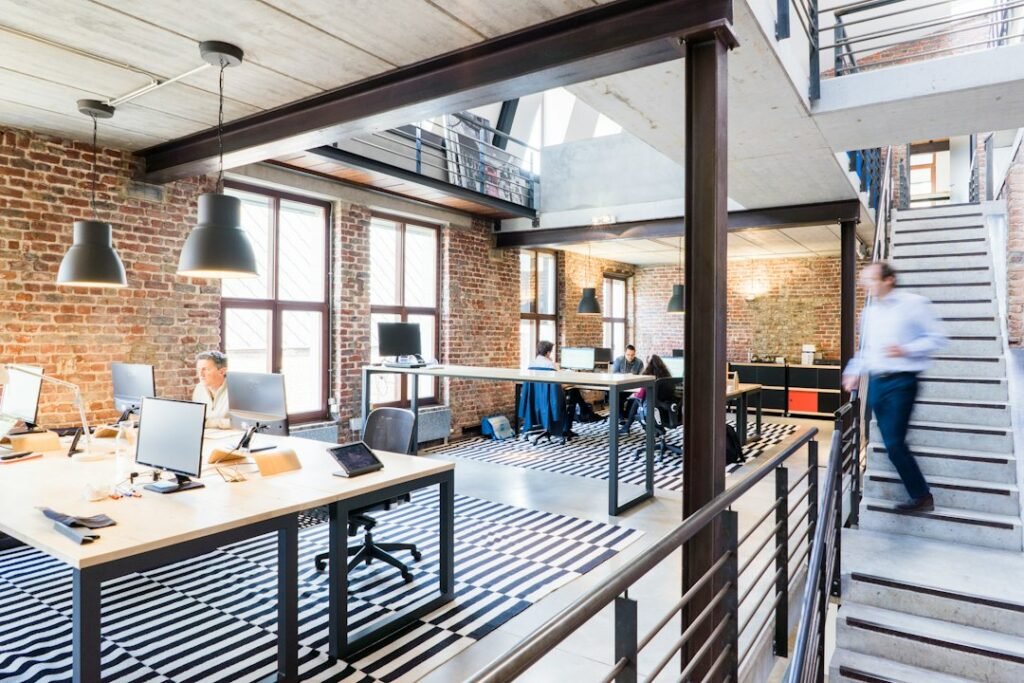
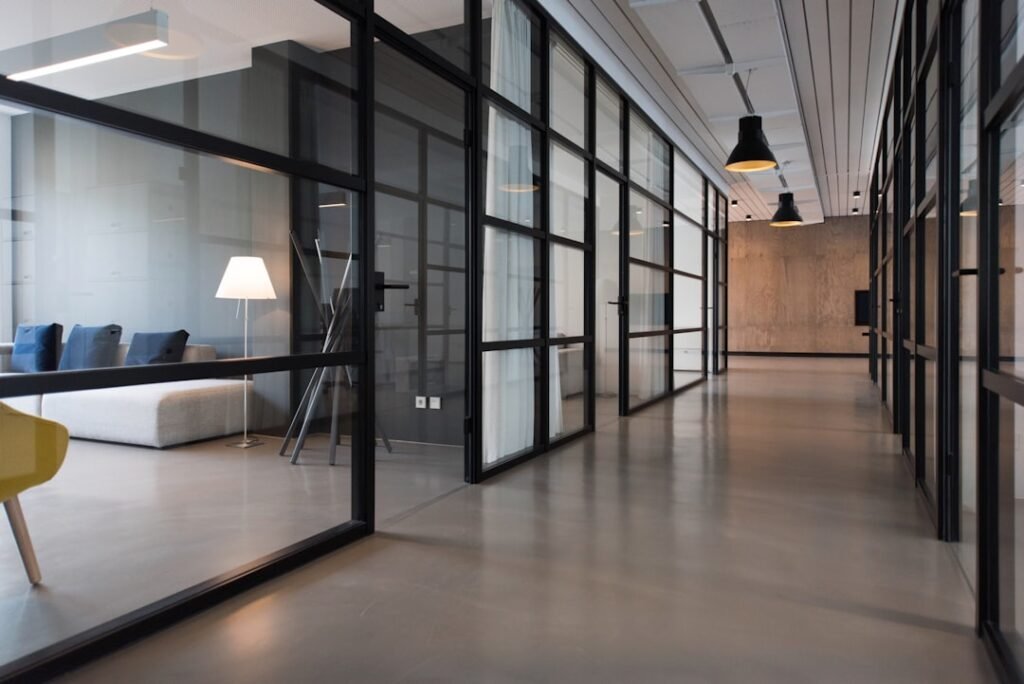
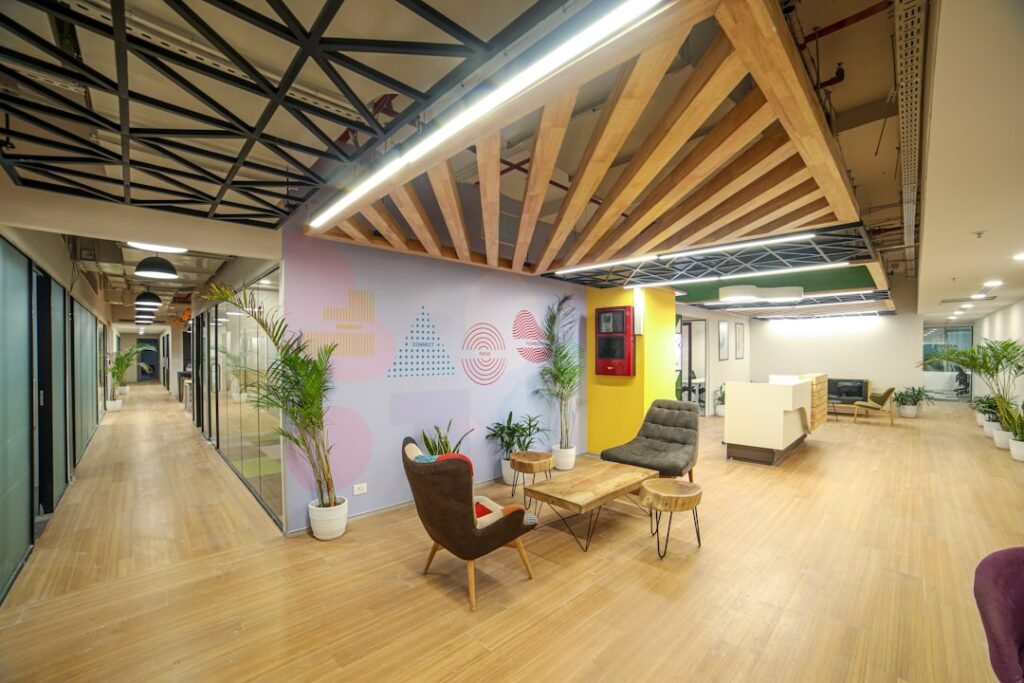
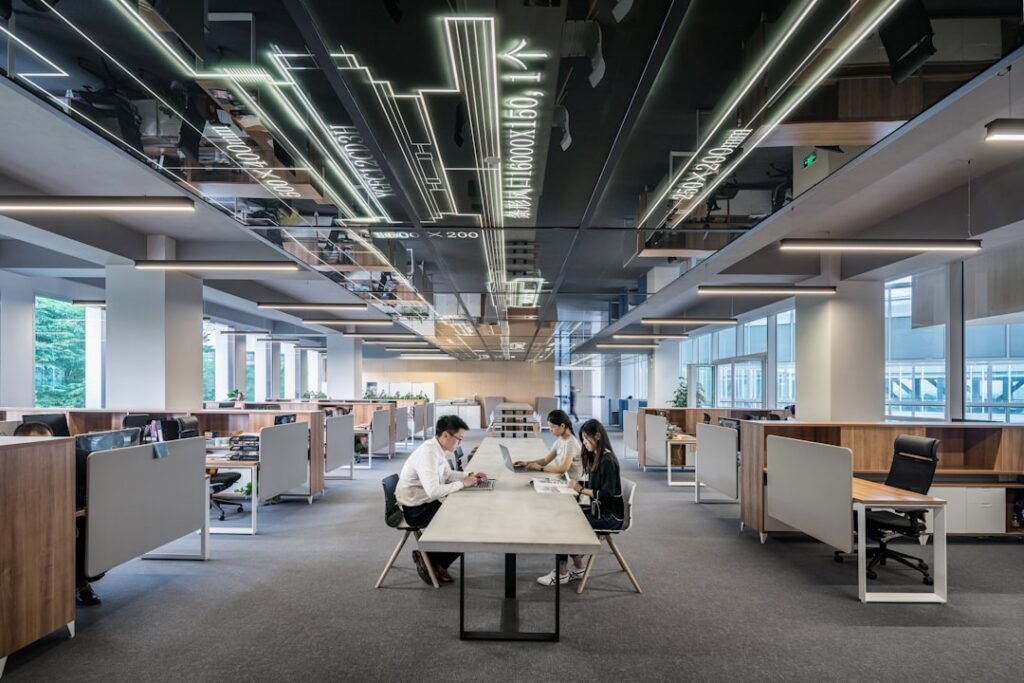
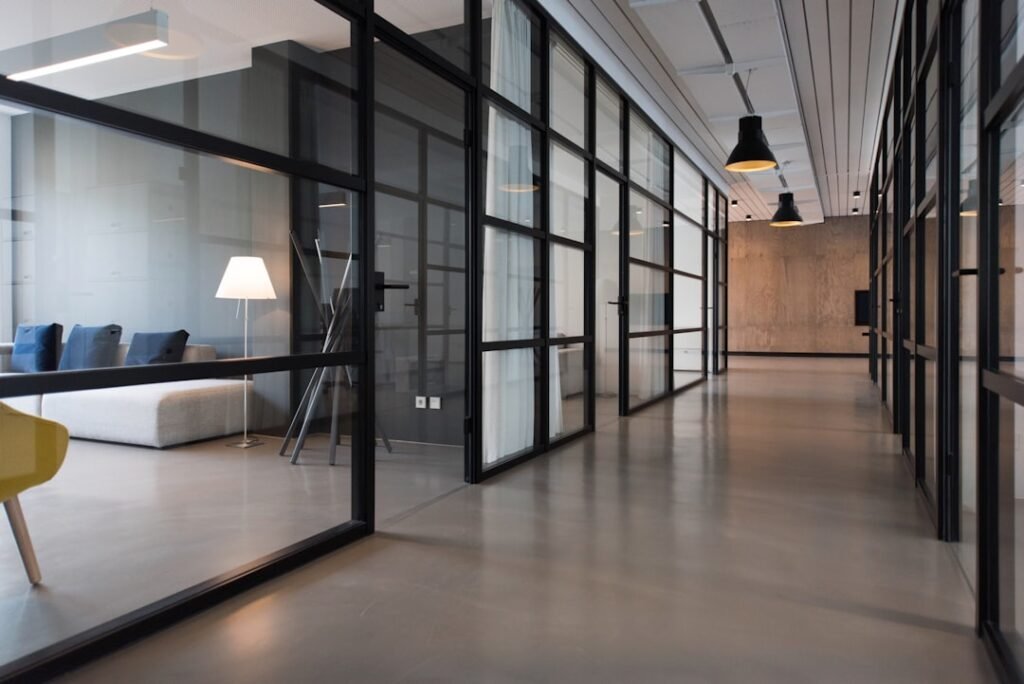
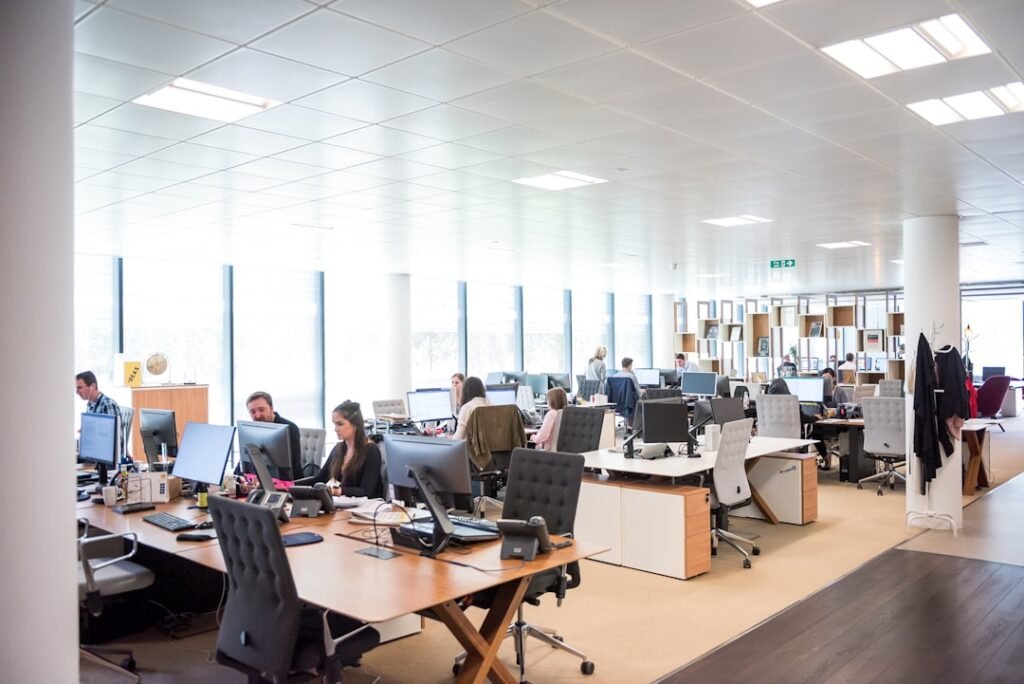
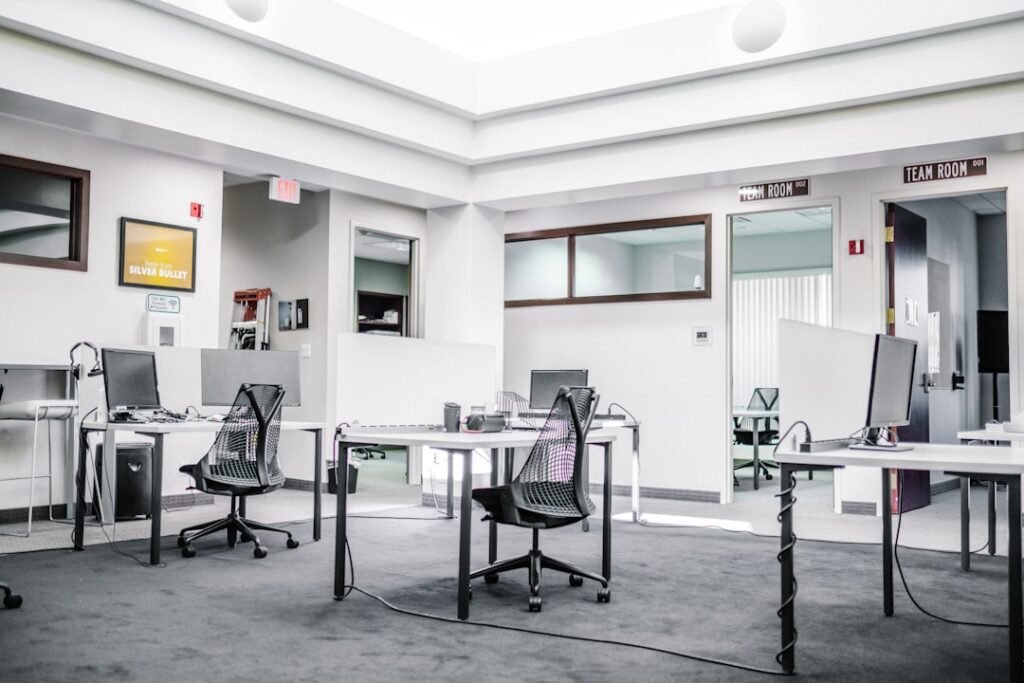
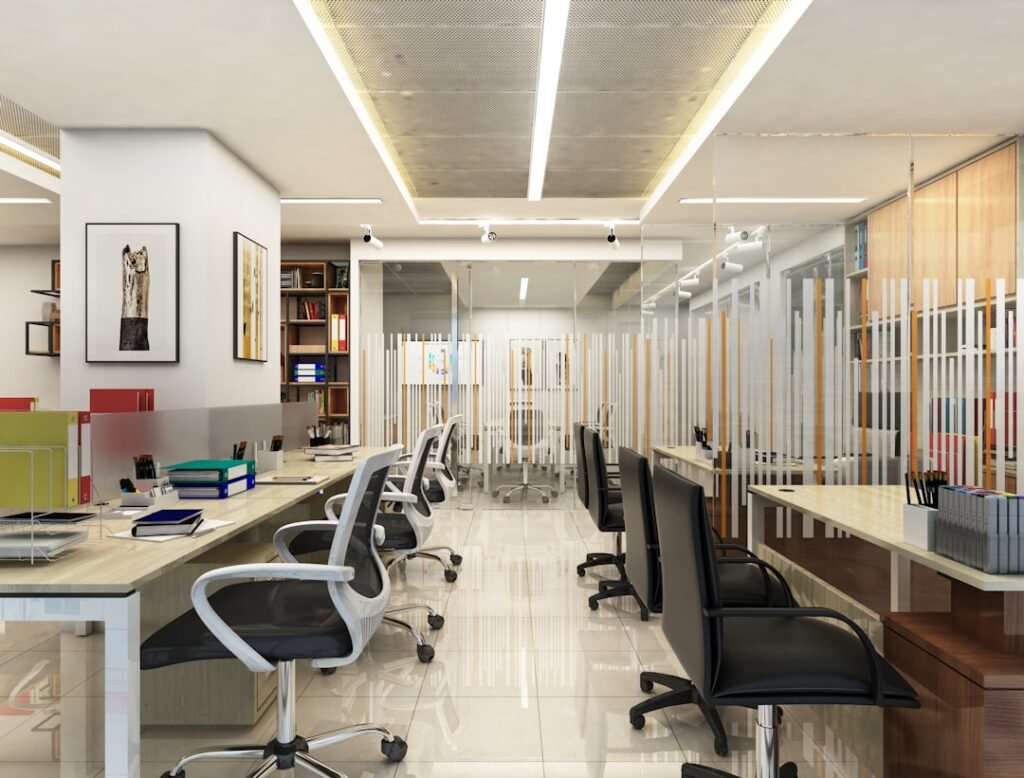
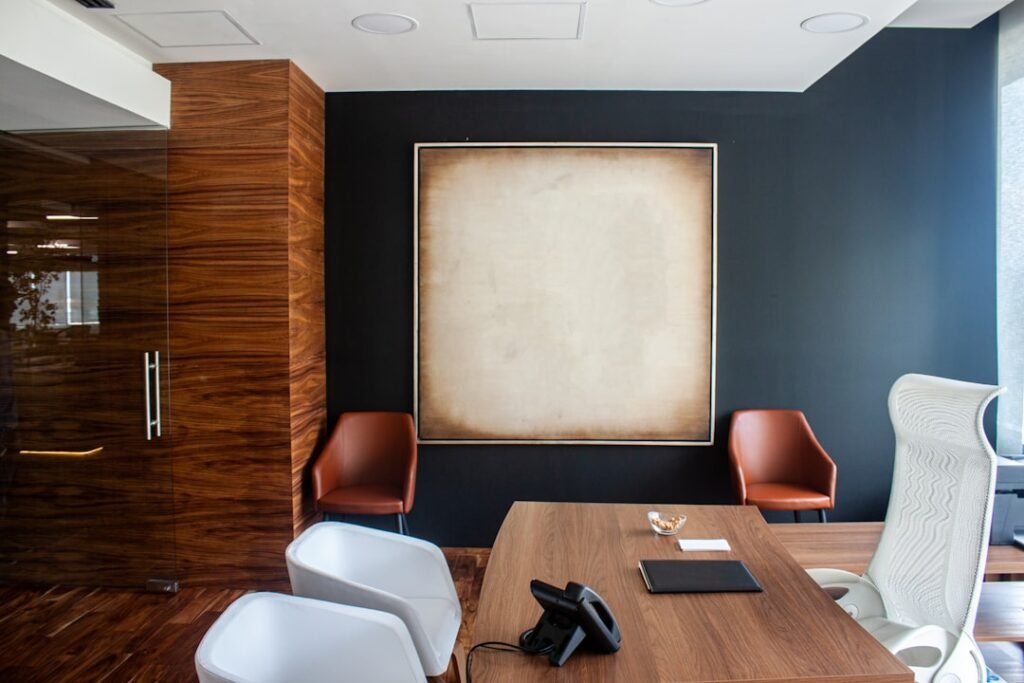
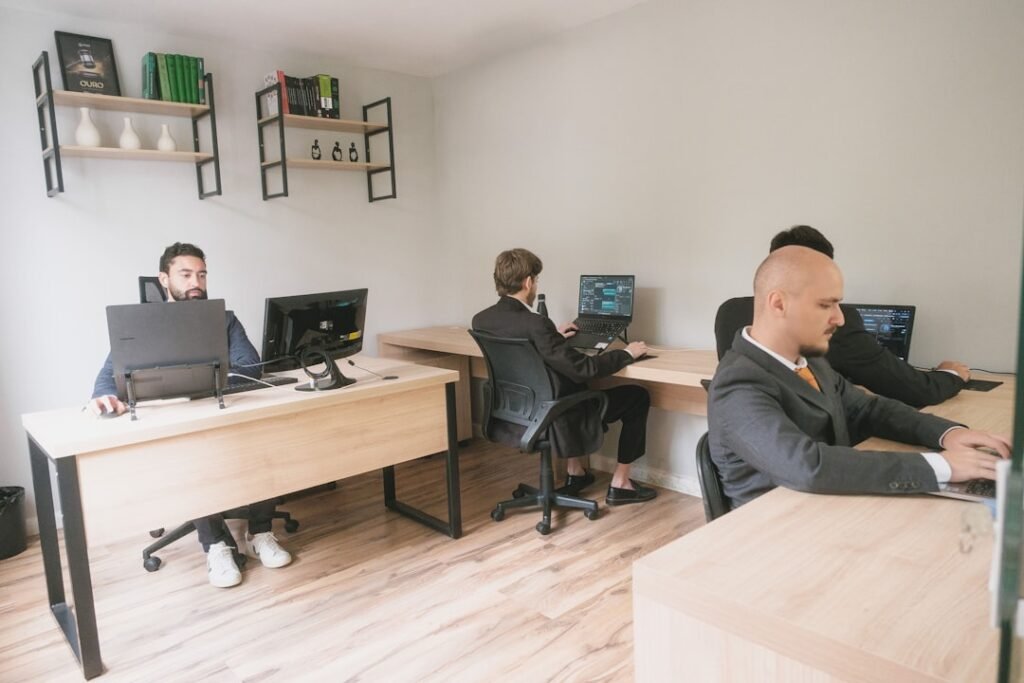
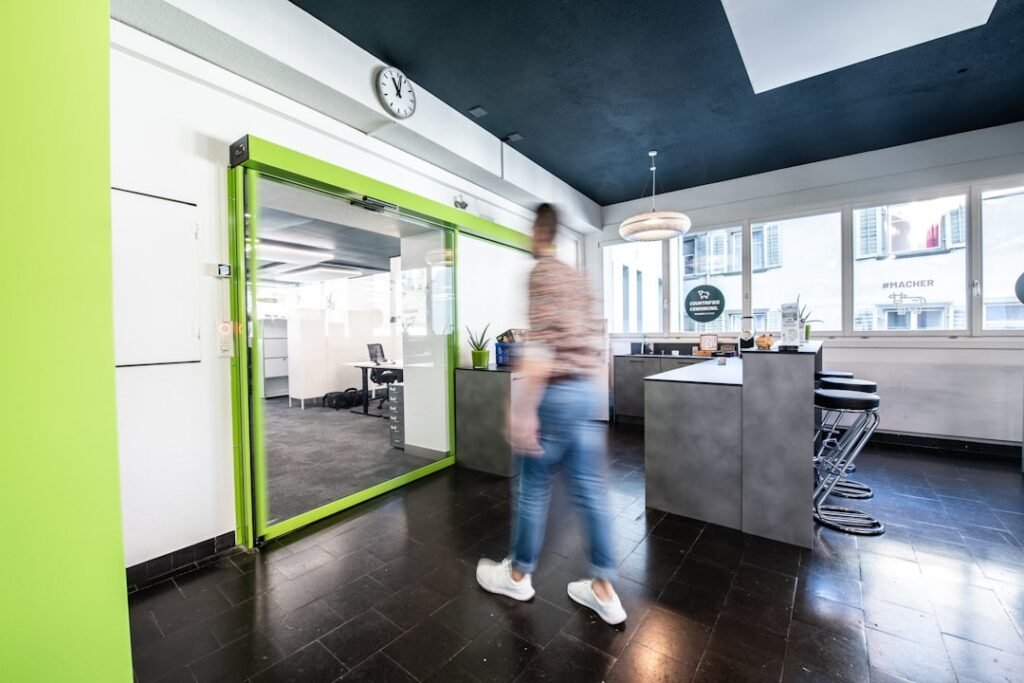
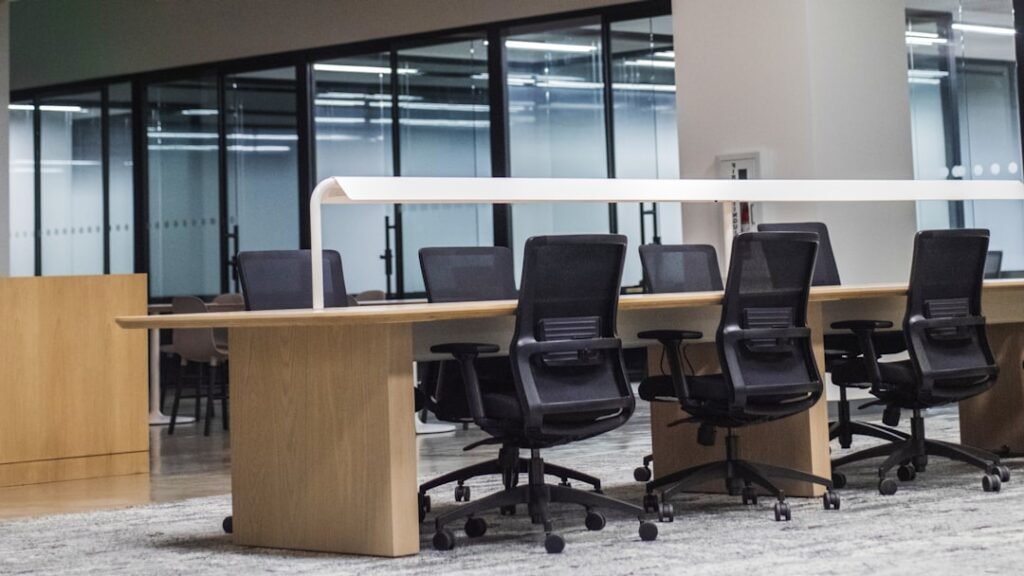
The recent dialogue between the CEOs of Marriott and Gensler underscores a powerful message in the hospitality and design sectors: good design is good for business. As companies increasingly compete for consumer attention and loyalty, the importance of aesthetically pleasing environments cannot be overstated. Effective design serves not only an aesthetic purpose but also enhances functionality, customer experience, and ultimately, profitability.
The Connection Between Design and Business Performance
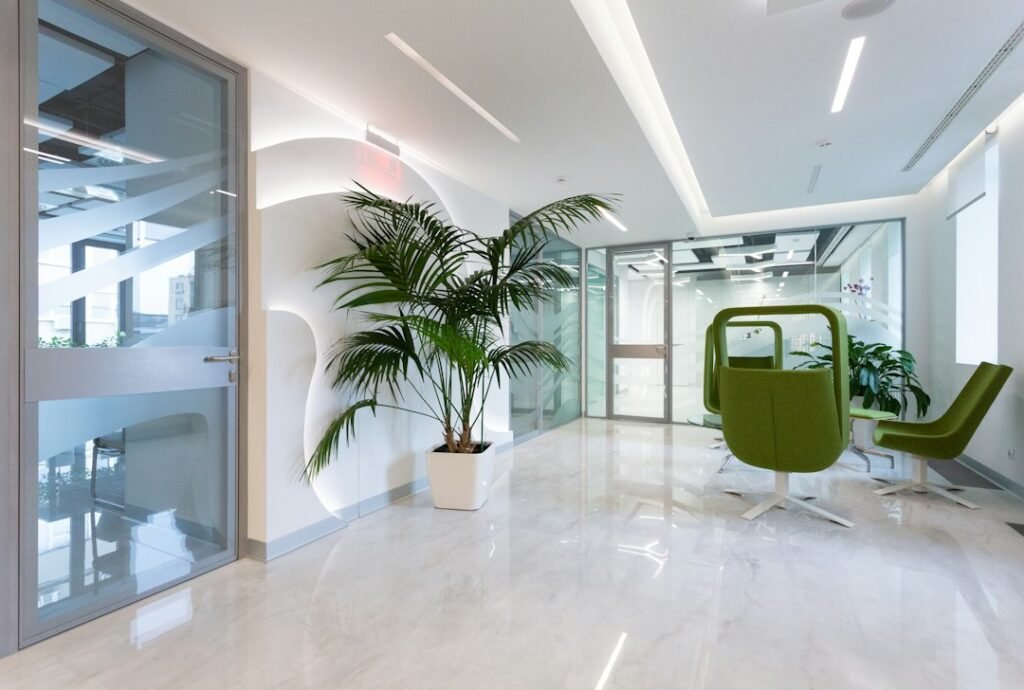
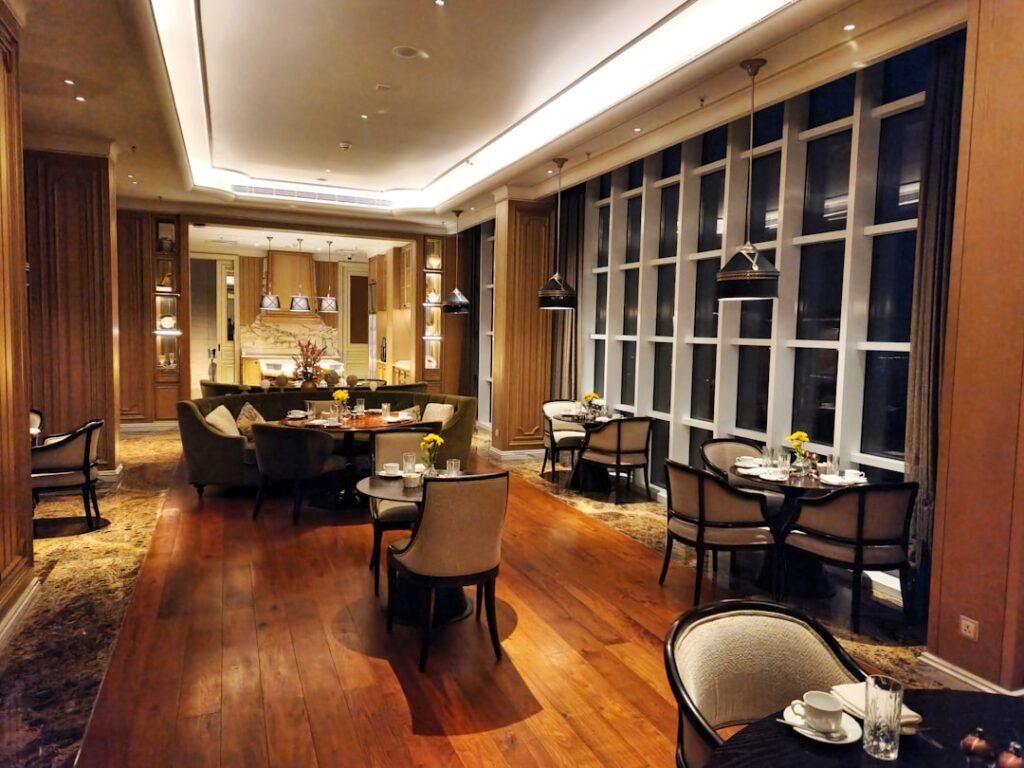
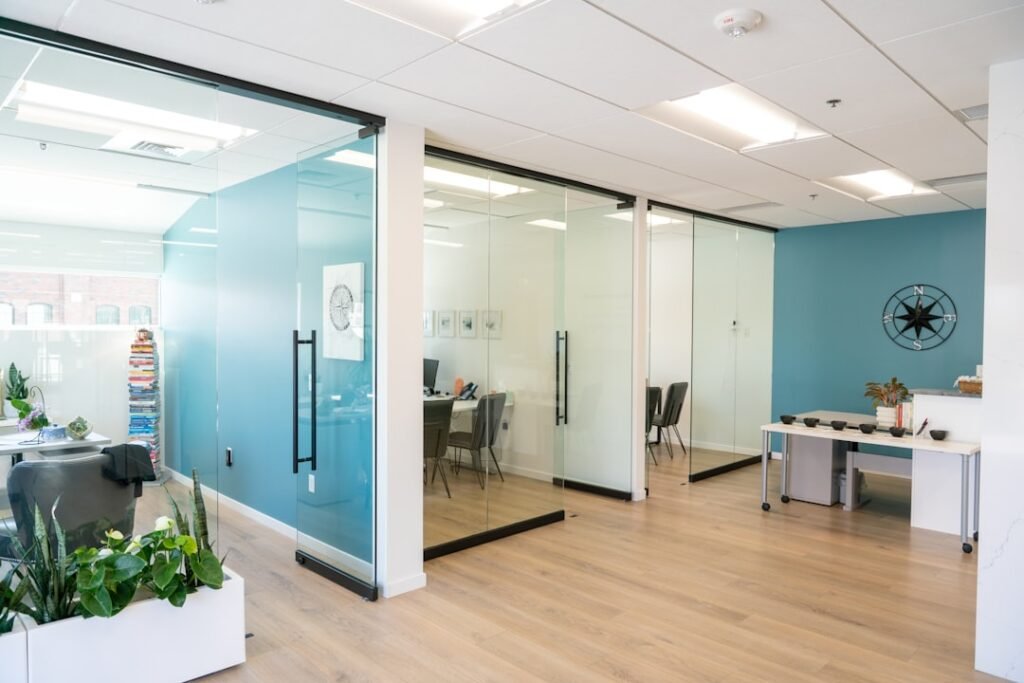
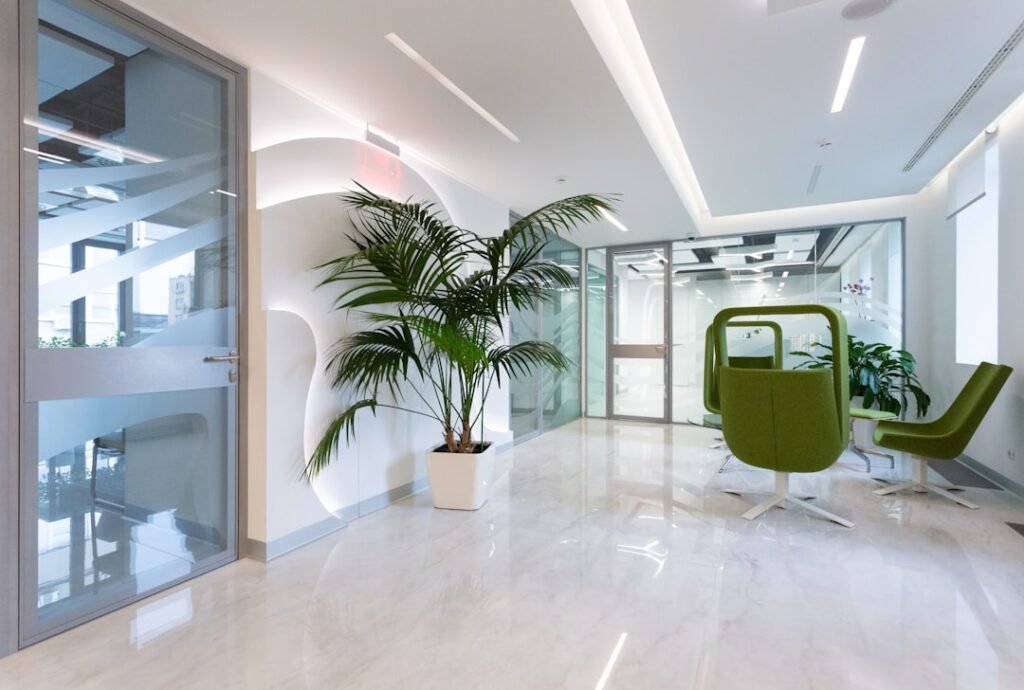
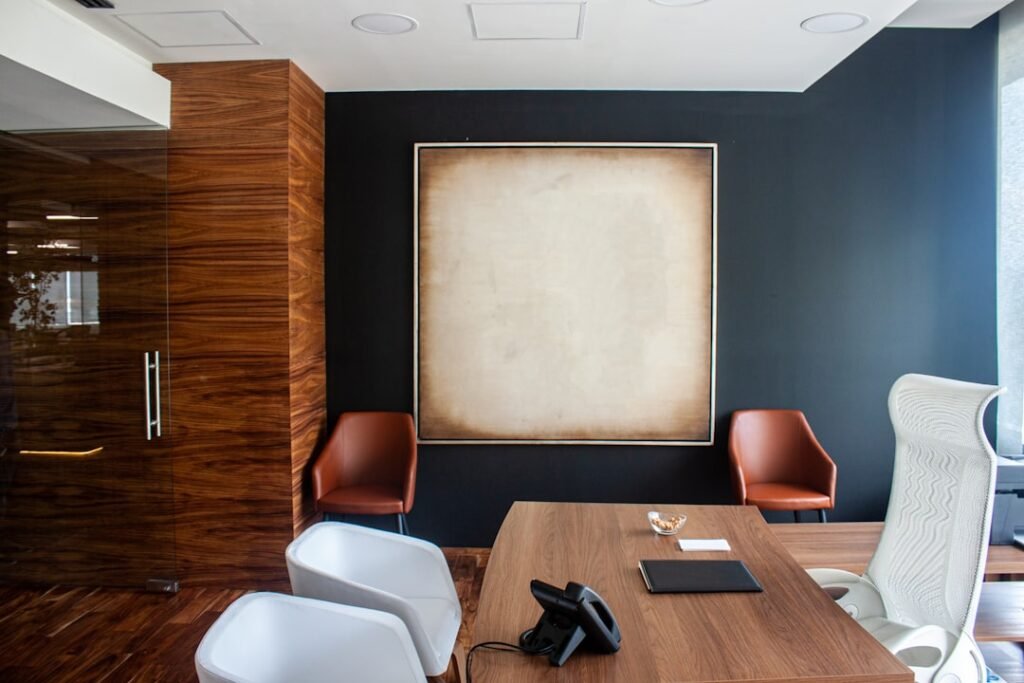
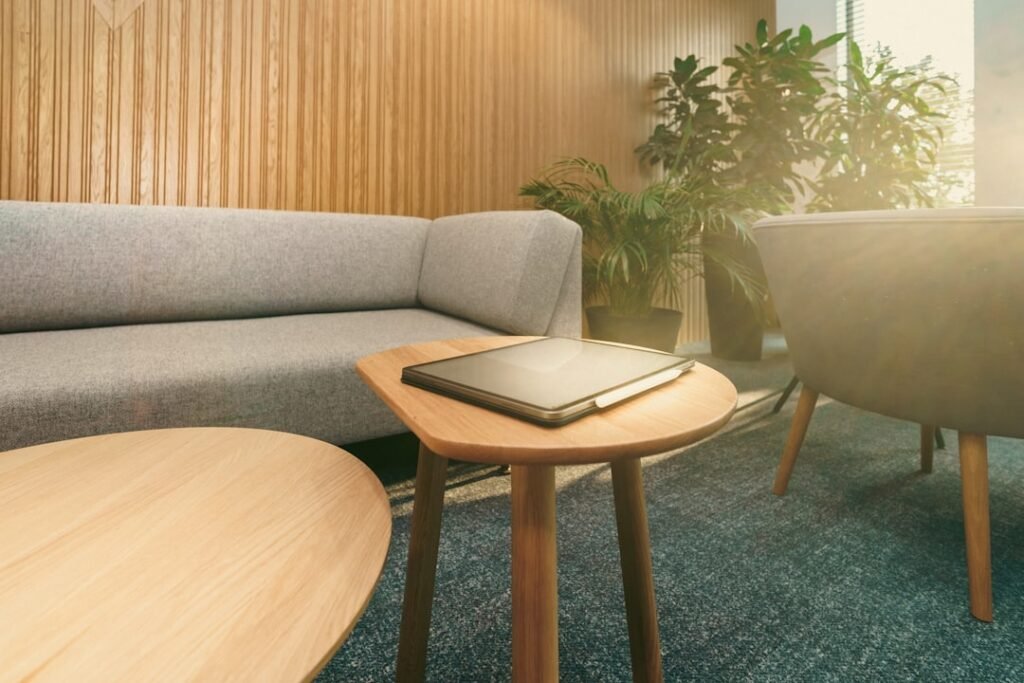
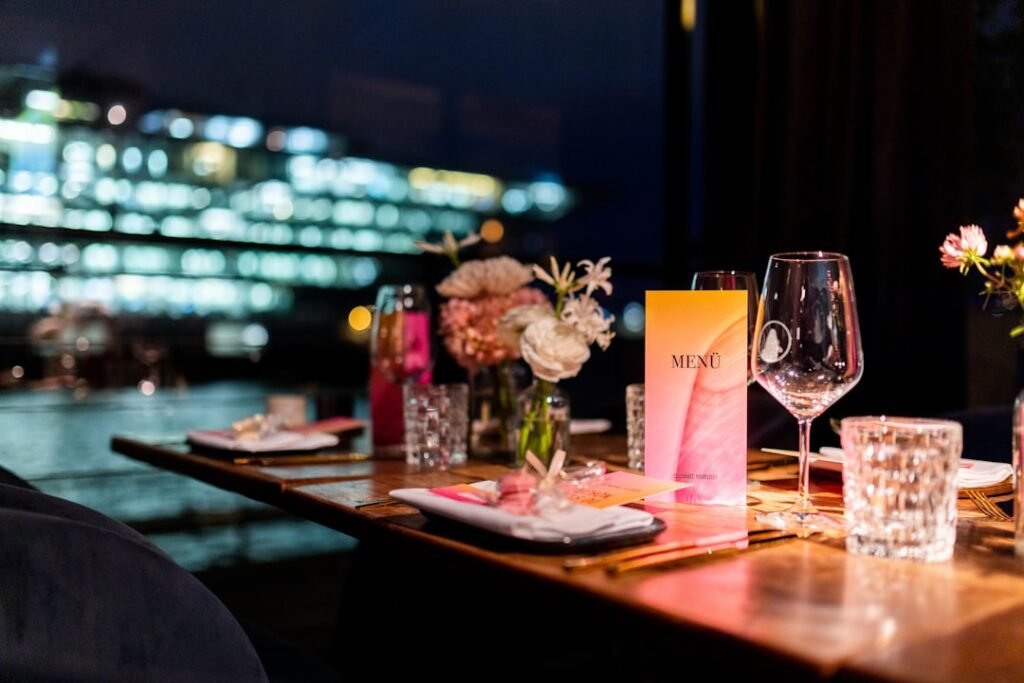
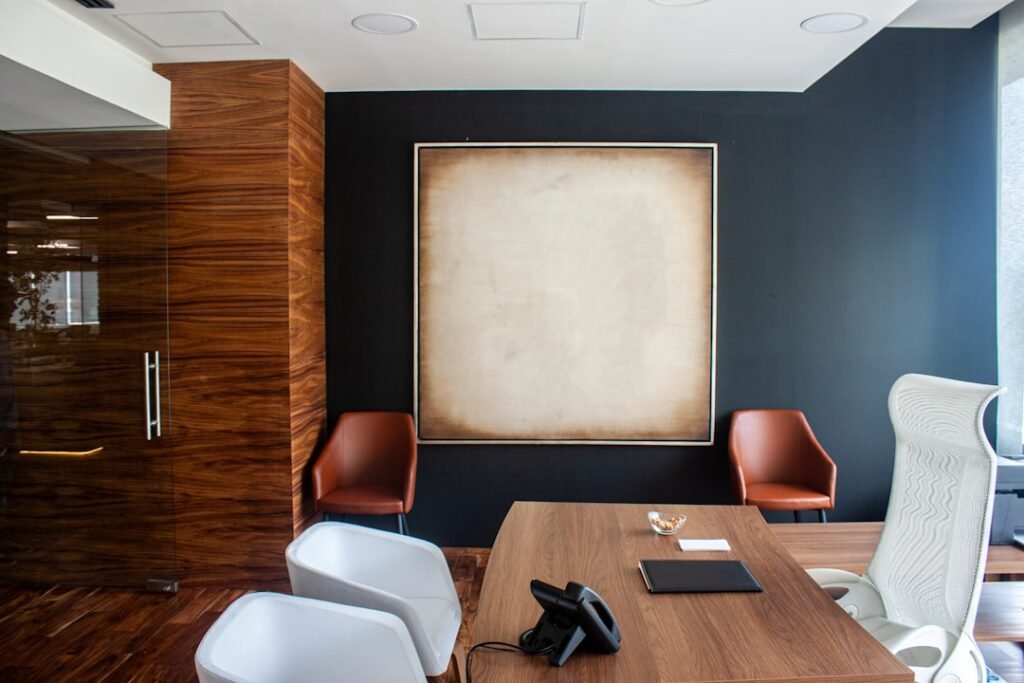
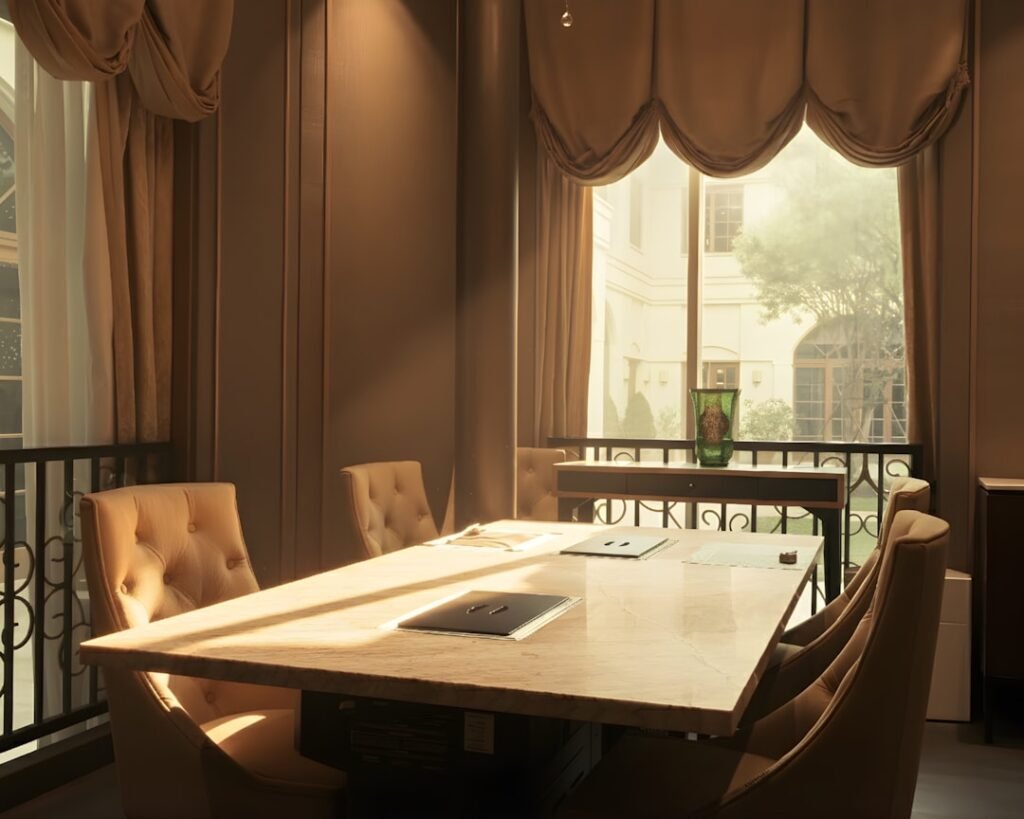
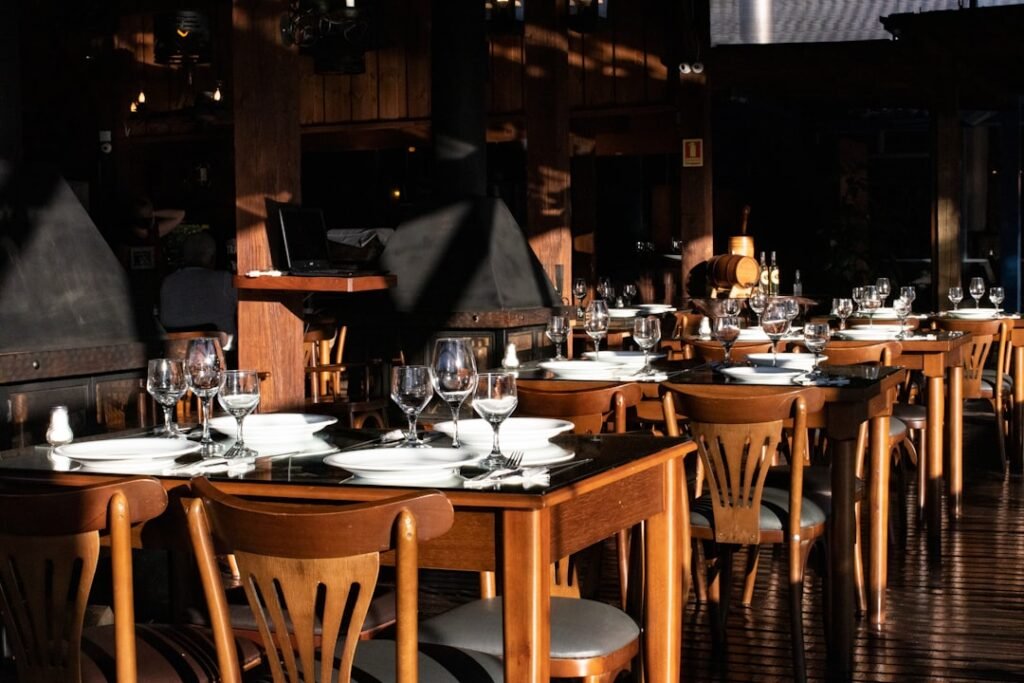
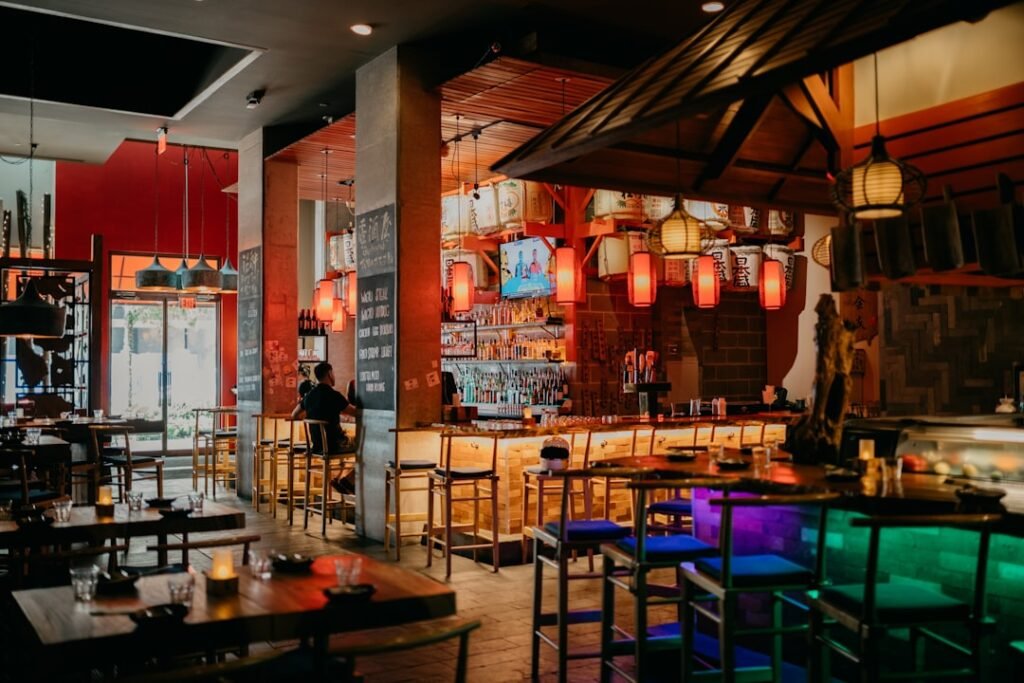
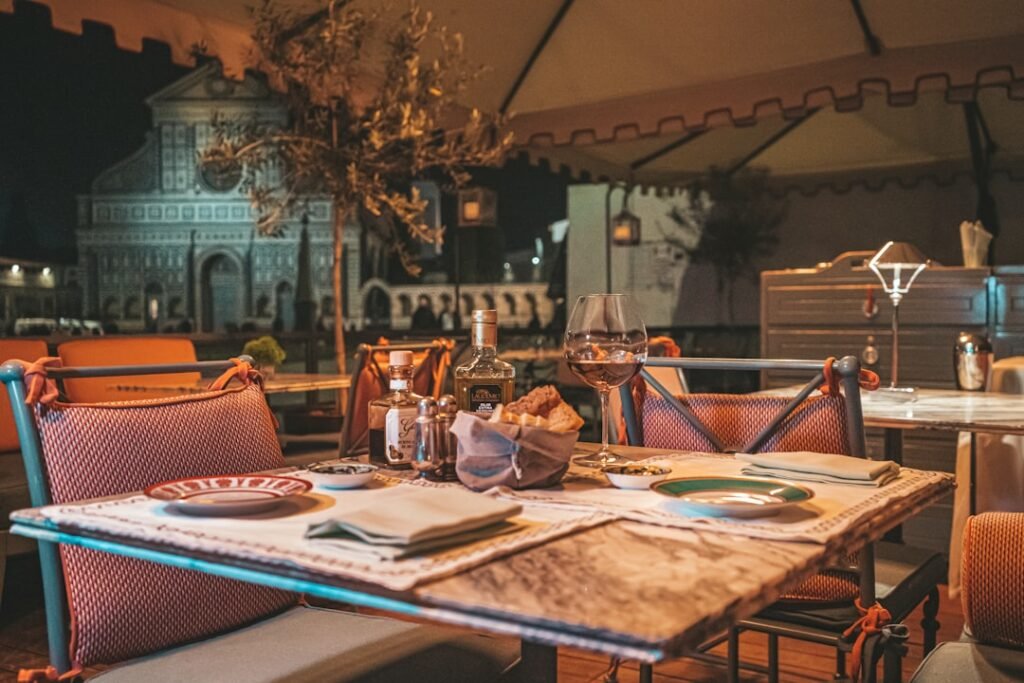
In the hospitality industry, the physical environment influences guests’ perceptions and experiences. Marriott’s CEO, Anthony Capuano, highlighted that a well-designed space can significantly enhance guest satisfaction. This satisfaction often translates into positive reviews and repeat business, driving revenue. Good design is not merely an afterthought; it is a strategic business decision.
Trends in Hospitality Design
Both Marriott and Gensler are at the forefront of integrating cutting-edge design trends into their businesses. Some key trends shaping the industry include:
- Sustainable Design: Environmentally friendly materials and energy-efficient systems are becoming standard.
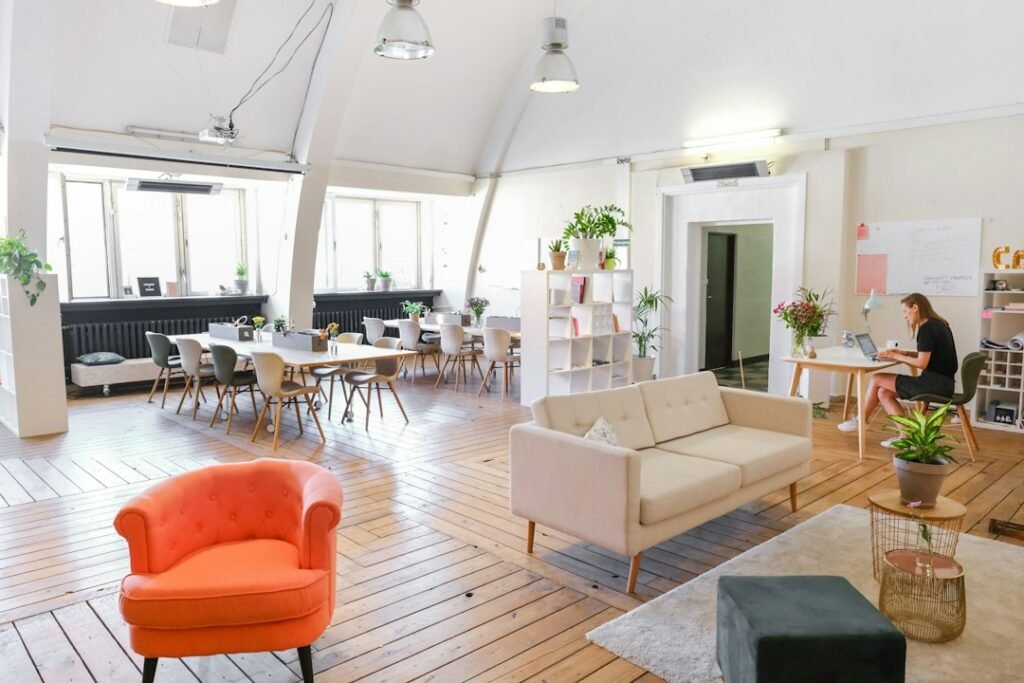
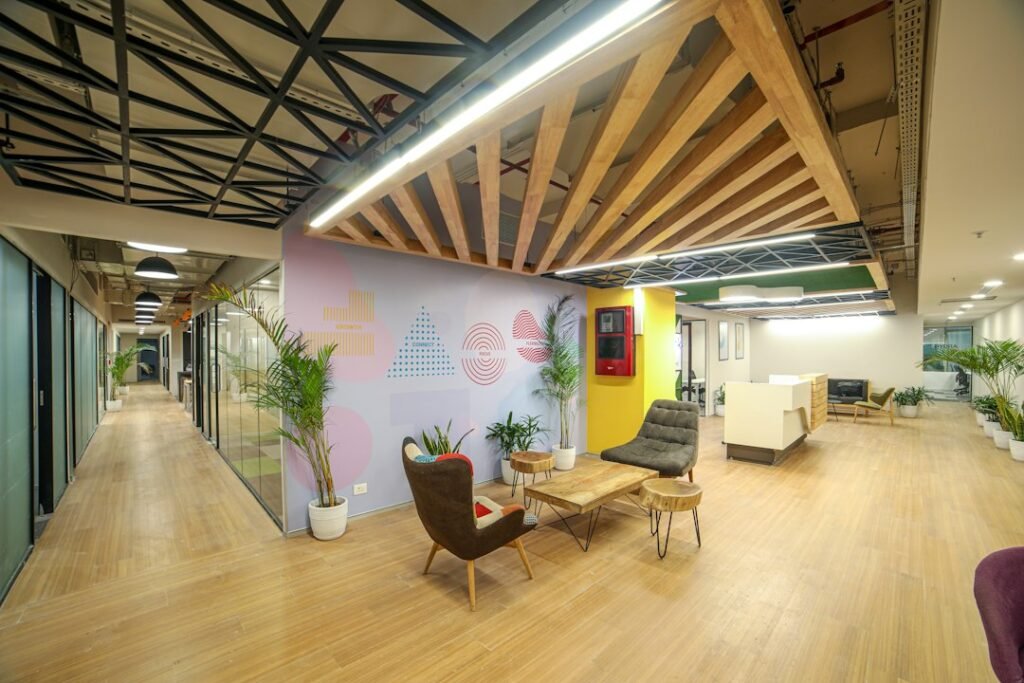
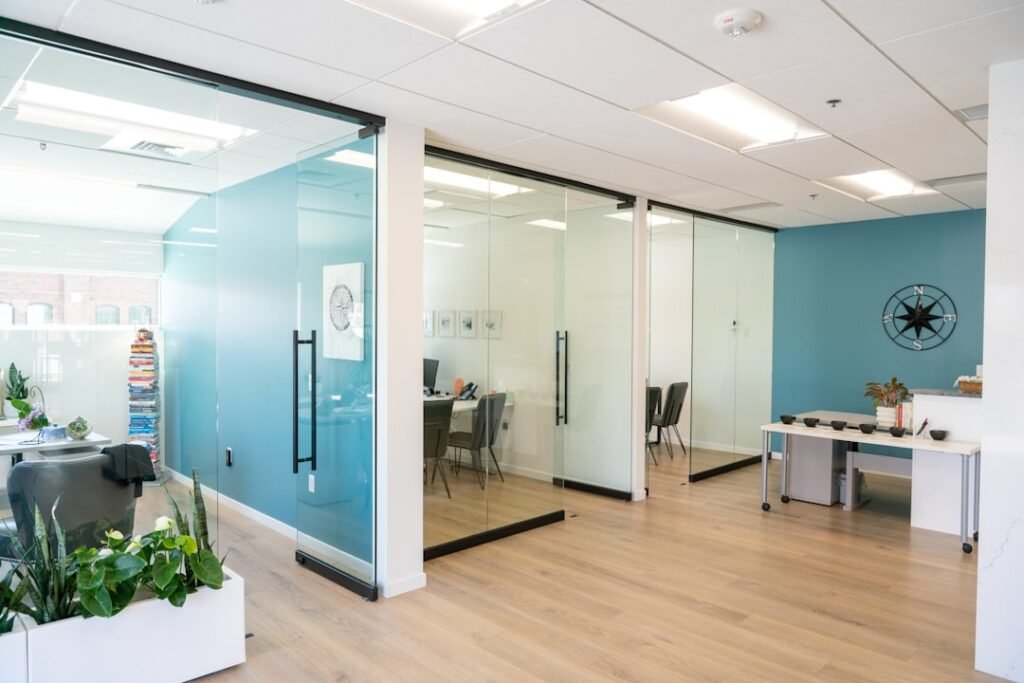
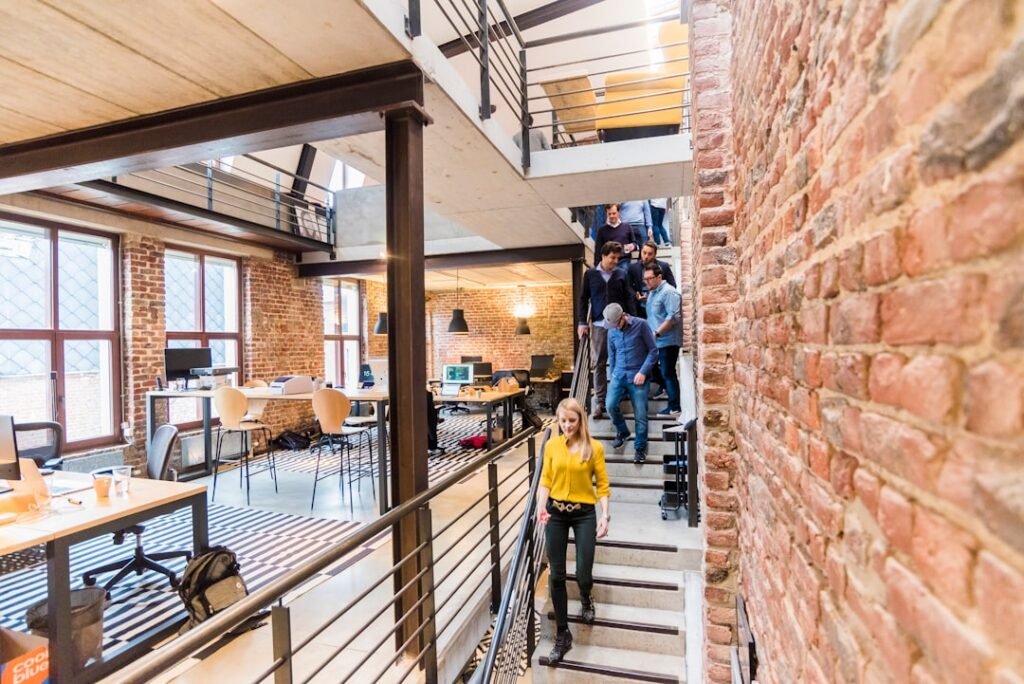
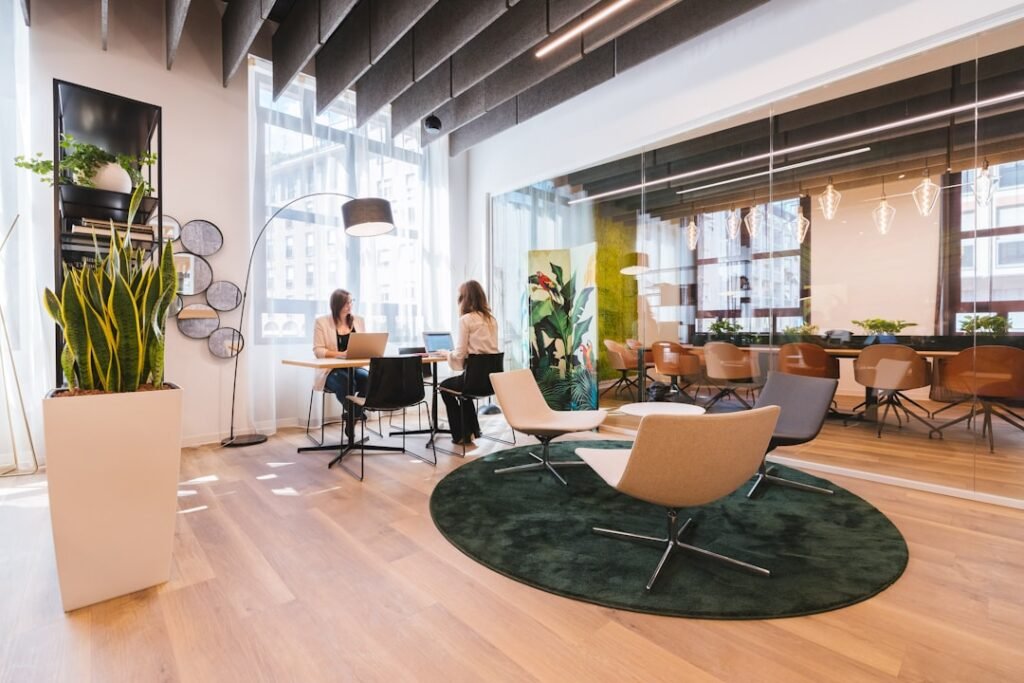
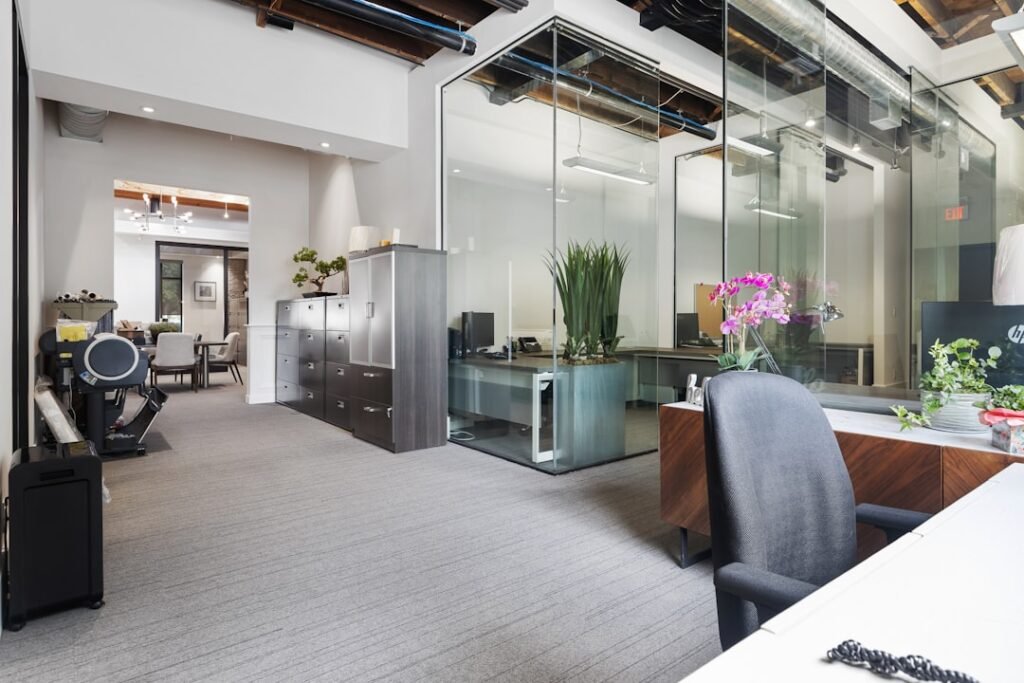
- Flexible Spaces: Versatile designs that can adapt to various uses enhance functionality.
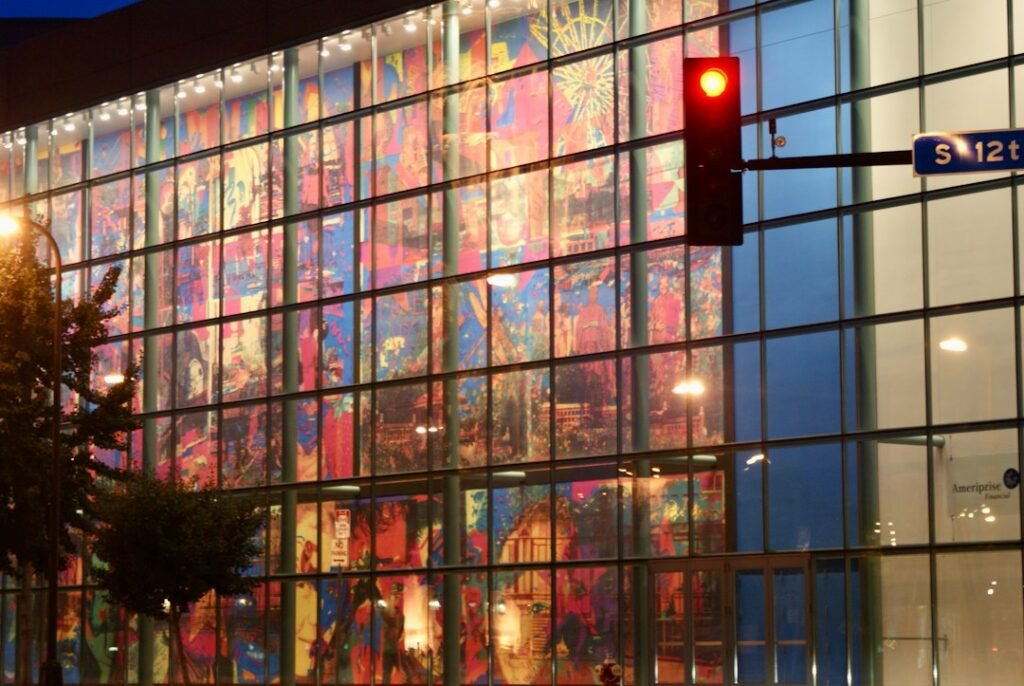
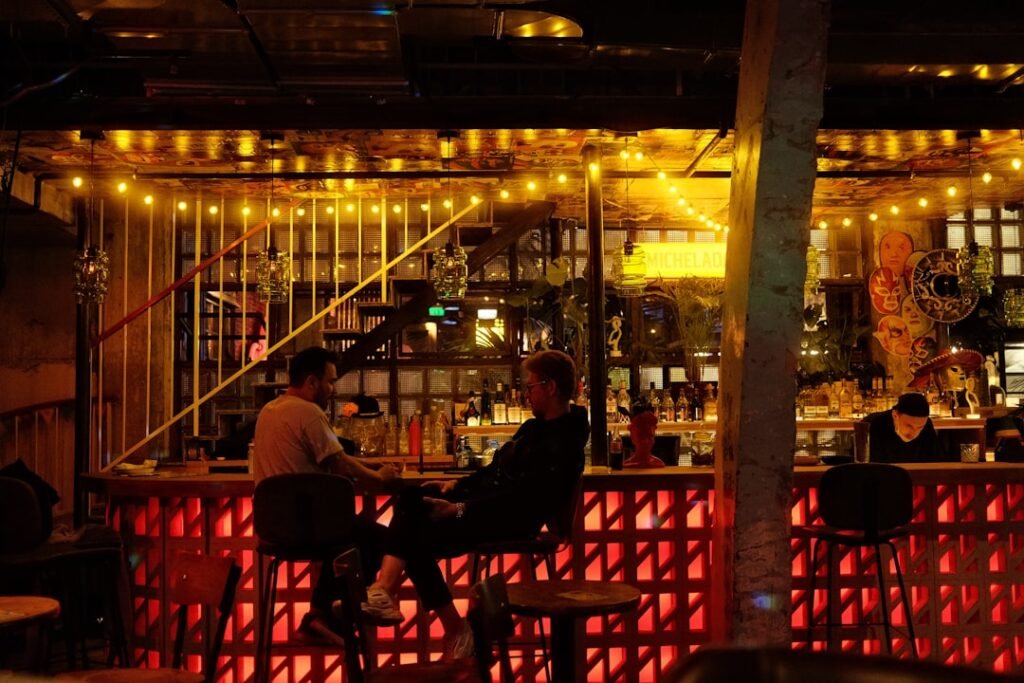
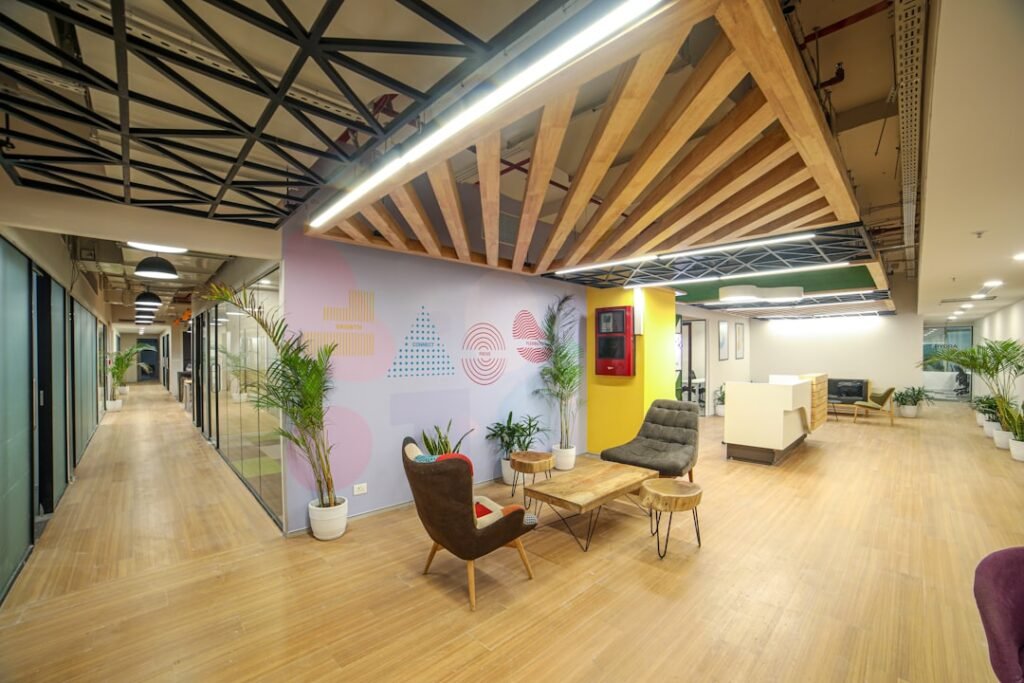
- Local Culture Integration: Incorporating local art and materials fosters a unique sense of place.
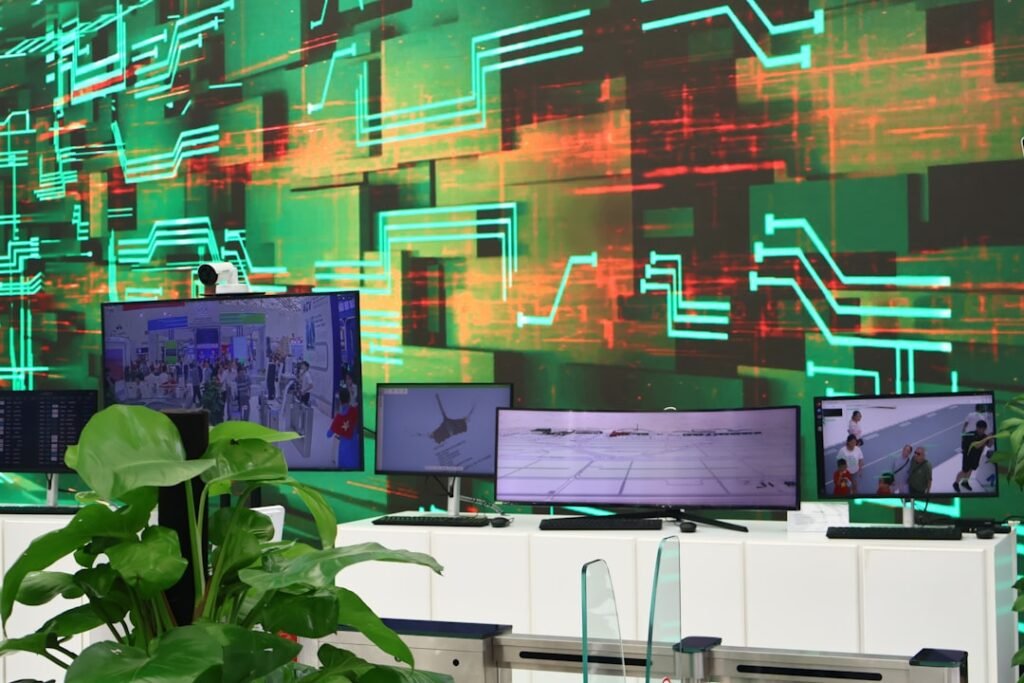
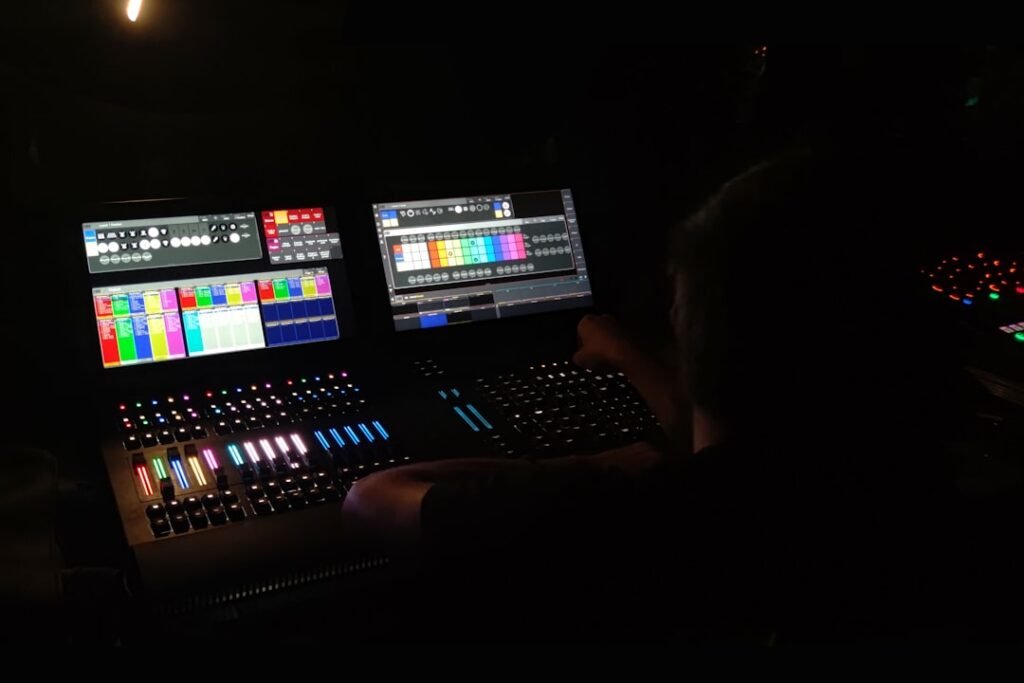
- Technology Integration: Smart technology enhances guest experience by providing convenience and control.
How Good Design Enhances Customer Experience
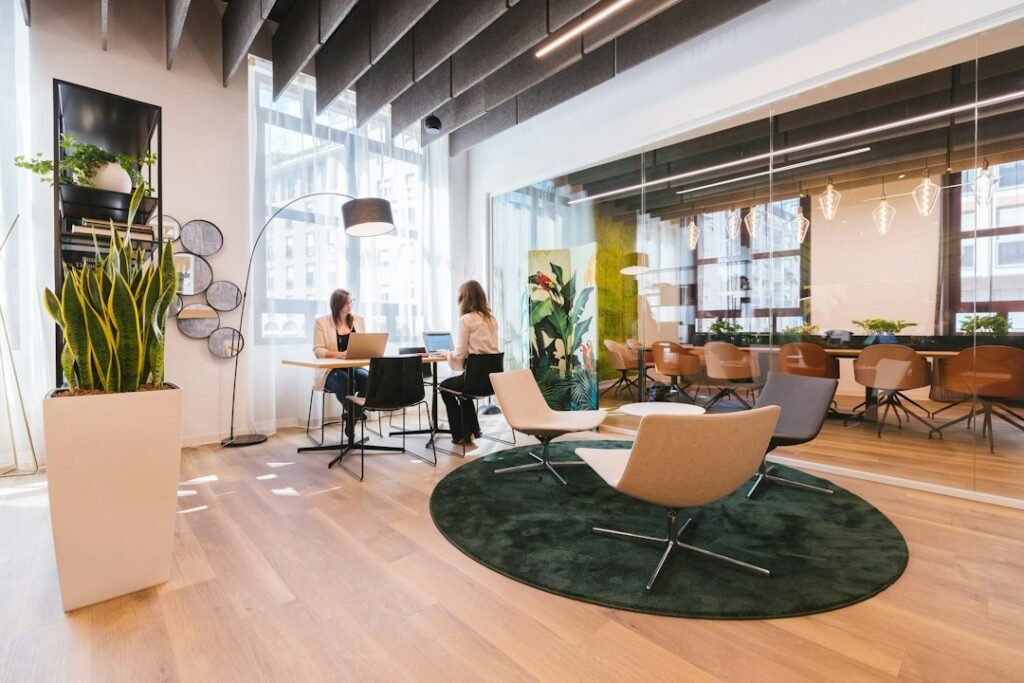
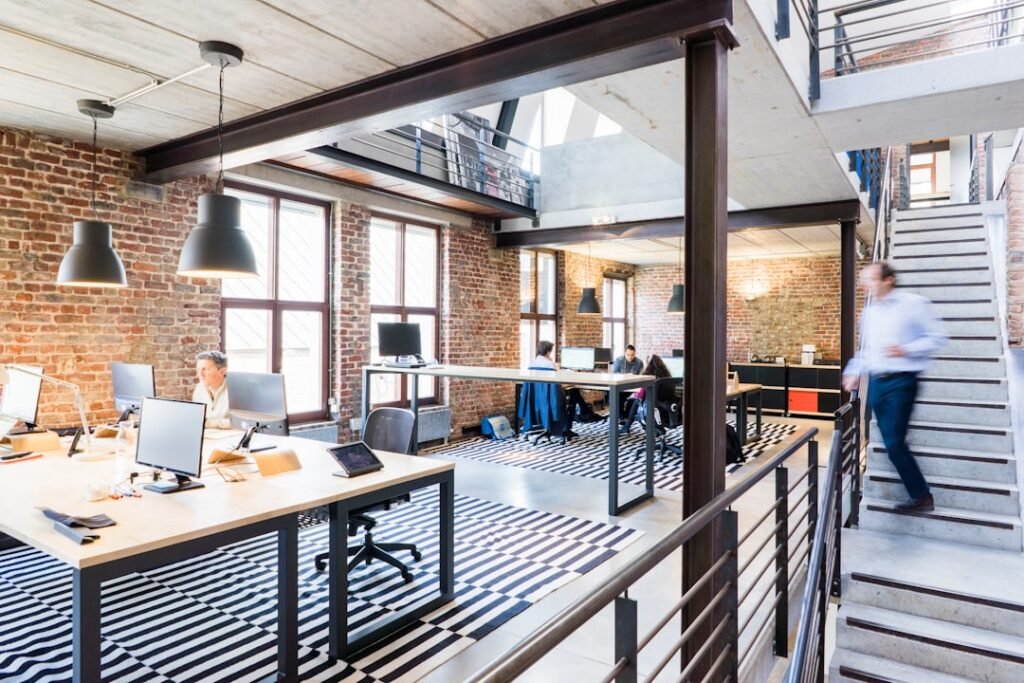
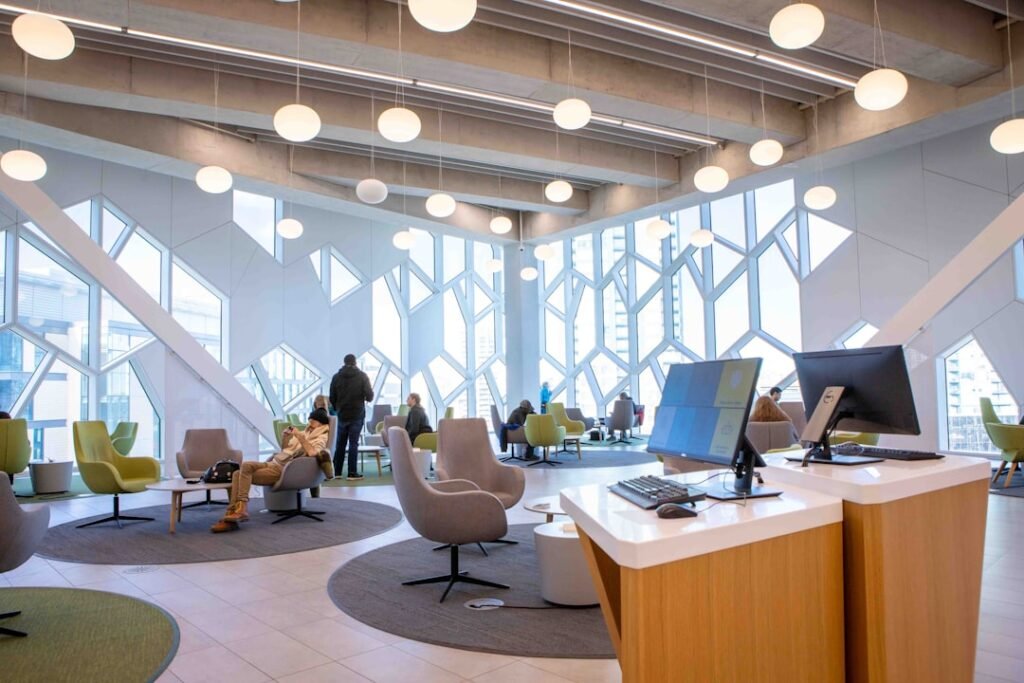
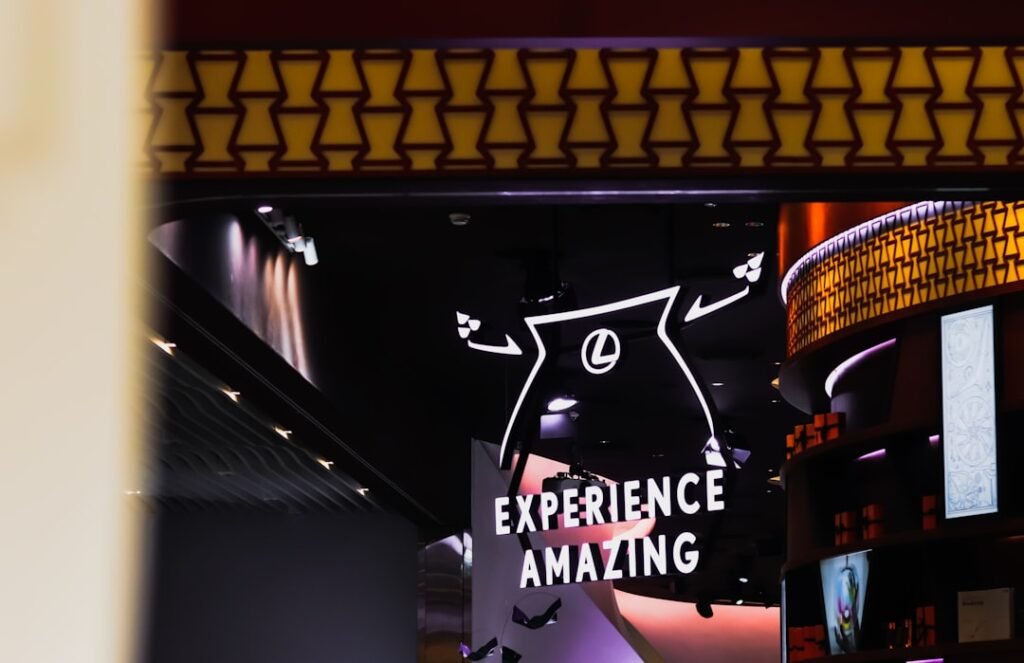
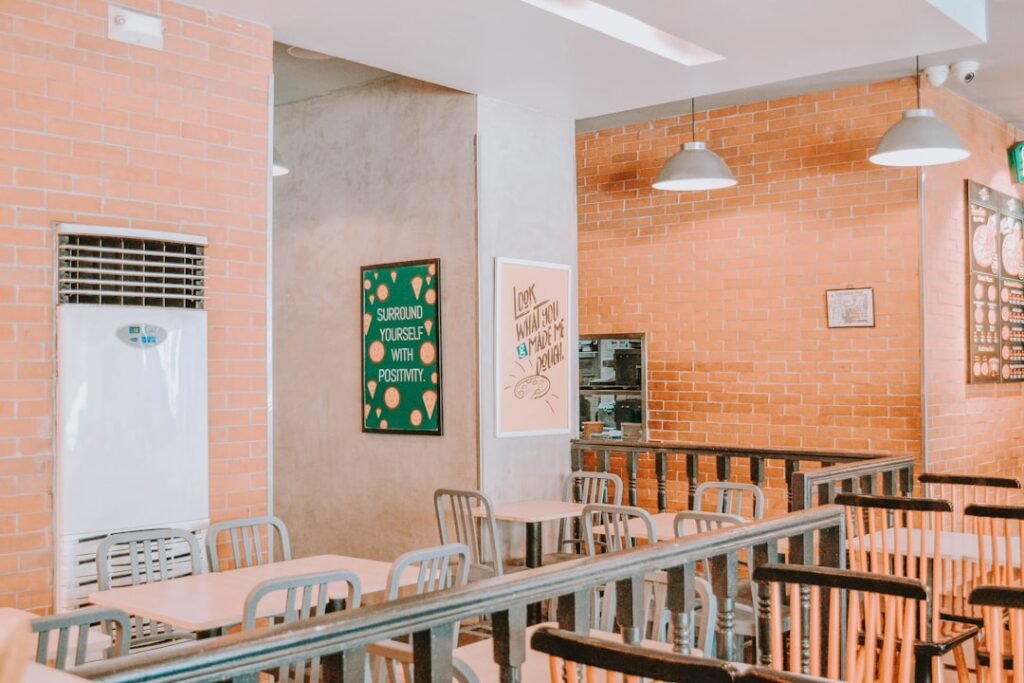
Good design goes beyond visual appeal; it shapes customers’ experiences. Gensler’s CEO, Andy Cohen, noted that spaces designed with the user in mind promote comfort and engagement. In hotels, this can include everything from room layouts to communal spaces that foster social interaction. When guests feel comfortable and connected, they are more likely to return and recommend the establishment to others.
Case Studies in Successful Design
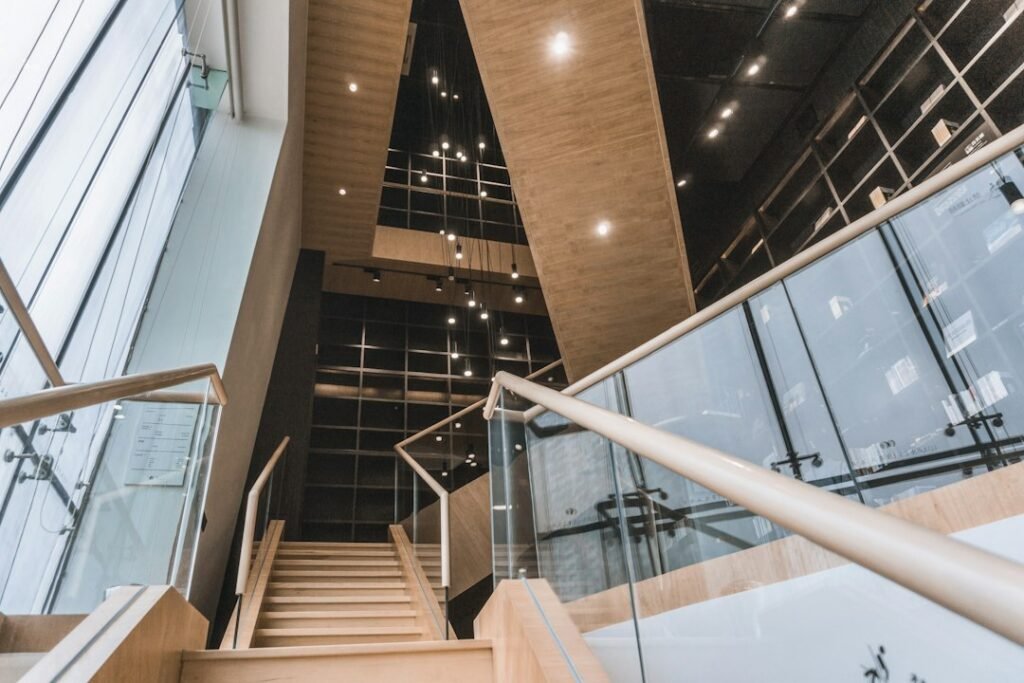
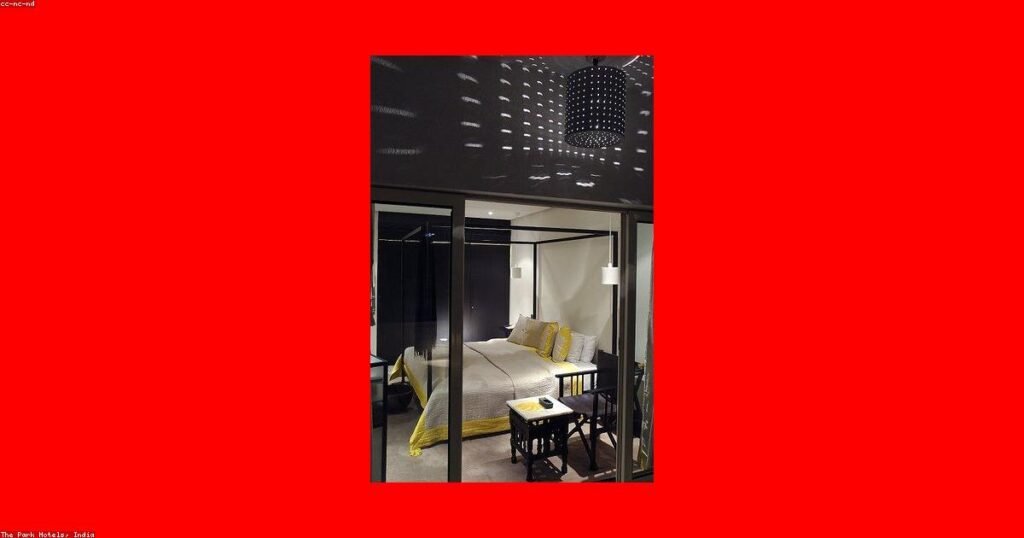
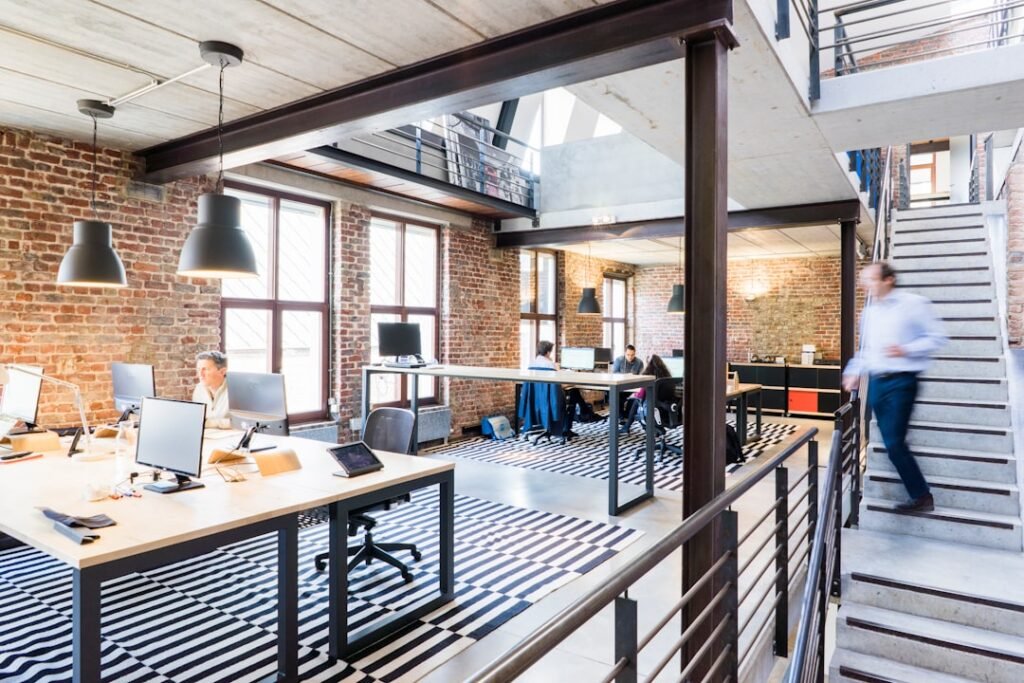
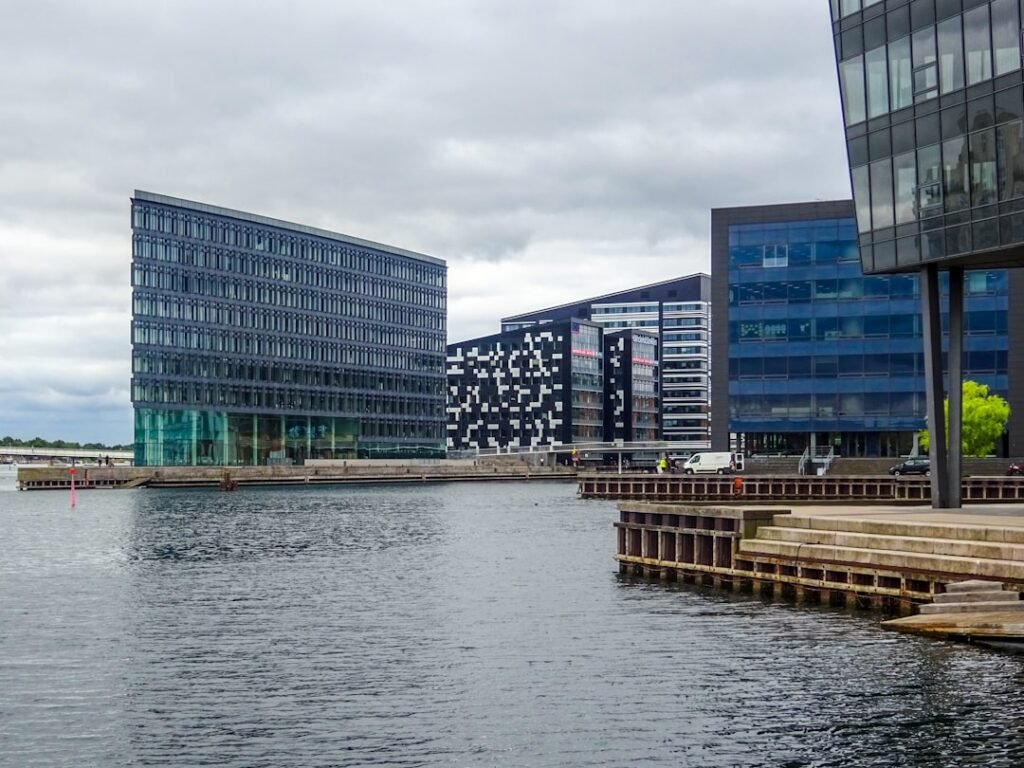
Examining successful projects illustrates the impact of thoughtful design. For instance, Marriott’s recent renovations in several locations showcase an emphasis on modern aesthetics, sustainable practices, and guest-centric features. These renovations have led to increased occupancy rates and guest satisfaction scores. Similarly, Gensler’s work on urban hotels often incorporates elements that reflect the city’s identity, making the hotels more appealing to both tourists and locals.
Investing in Design for Long-Term Gains
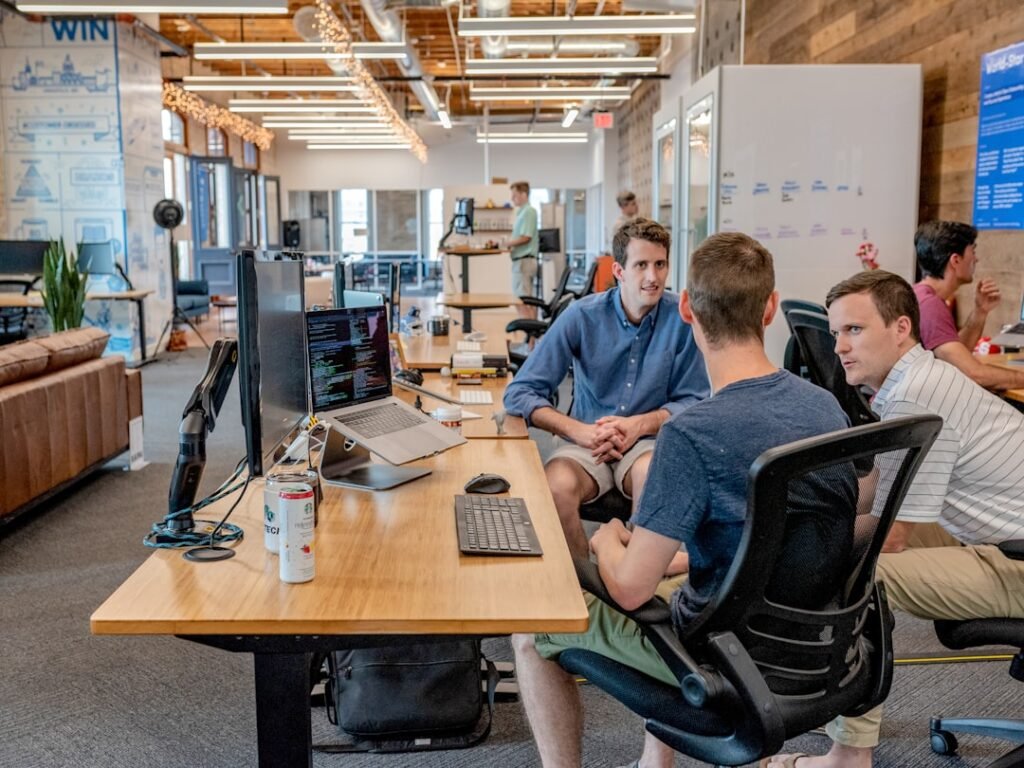
Investing in quality design is a long-term strategy. While the initial costs may be higher, the returns in terms of customer loyalty, operational efficiency, and brand reputation can be significant. Both CEOs advocate for viewing design as an investment rather than a cost. A well-designed space not only attracts guests but also boosts employee morale, enhancing service quality.
Challenges in Implementing Good Design
Despite the clear benefits, companies face challenges in implementing effective design strategies. Budget constraints, regulatory requirements, and balancing innovation with tradition can hinder progress. However, overcoming these obstacles is essential for maintaining competitiveness in the ever-evolving hospitality landscape.
Conclusion: The Future of Design in Hospitality
The conversation between the CEOs of Marriott and Gensler serves as a reminder of the critical role of design in the hospitality industry. As good design is good for business, companies must prioritize effective design strategies to thrive. By embracing trends, focusing on customer experience, and investing in sustainable practices, businesses can enhance their offerings and drive long-term success. The future of hospitality truly lies in the hands of those who understand the power of design.
Source: news source