







































































































































































































































































































































































































































































































































































































































































































































































































































































































































































































































































































































































































































































































































































































































































































































































































































































































































































































































































































































































































































































































































































































































































































































































































































































































































































































































































































































































































































































































































































































































































































































































































































































































































































































































































































































Why Data Centers Are Controversial Yet Profitable for Lawyers
Data centers have become a hot topic in recent years. While many communities express concerns about their environmental impact, property values, and general aesthetics, a surprising group thrives in this contentious landscape—lawyers. These legal professionals are finding opportunities within the challenges that data centers present. This article delves into the complexities surrounding data centers and how they inadvertently fuel the growth of legal practice.
The Controversy Surrounding Data Centers
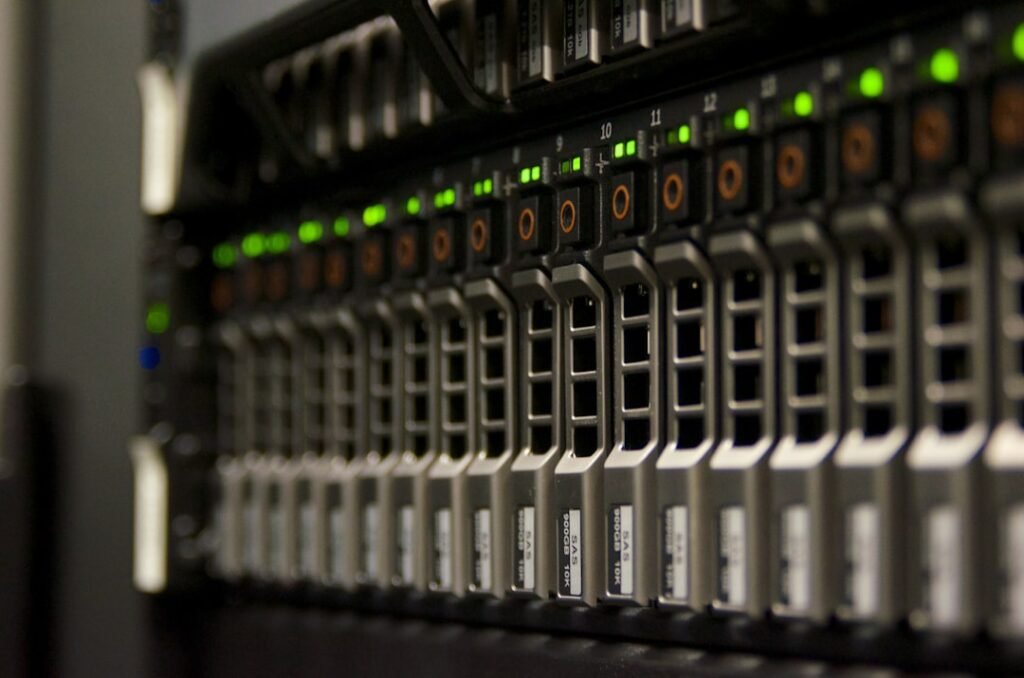
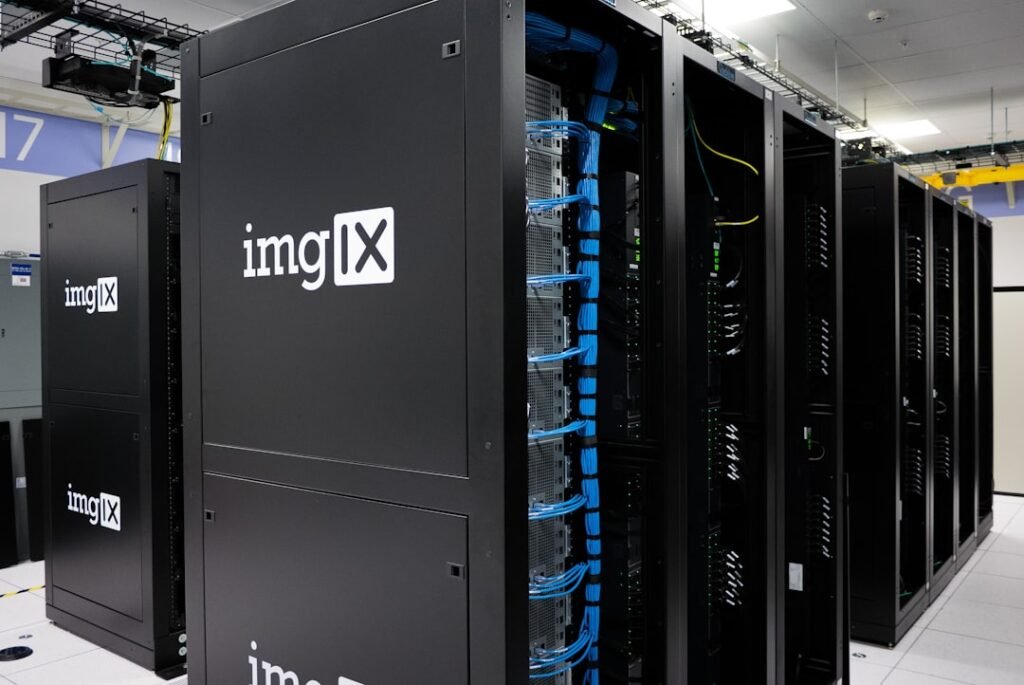
Data centers are facilities that house computer systems and associated components. They are crucial for the digital infrastructure we rely on daily. However, the rapid expansion of data centers is leading to public backlash. The complaints generally stem from:
- Environmental concerns, such as high energy consumption and carbon emissions.
- Property value drops in areas surrounding data centers.
- Noise pollution from cooling systems and backup generators.
- Local traffic increases due to construction and operational activities.
Environmental Issues Linked to Data Centers
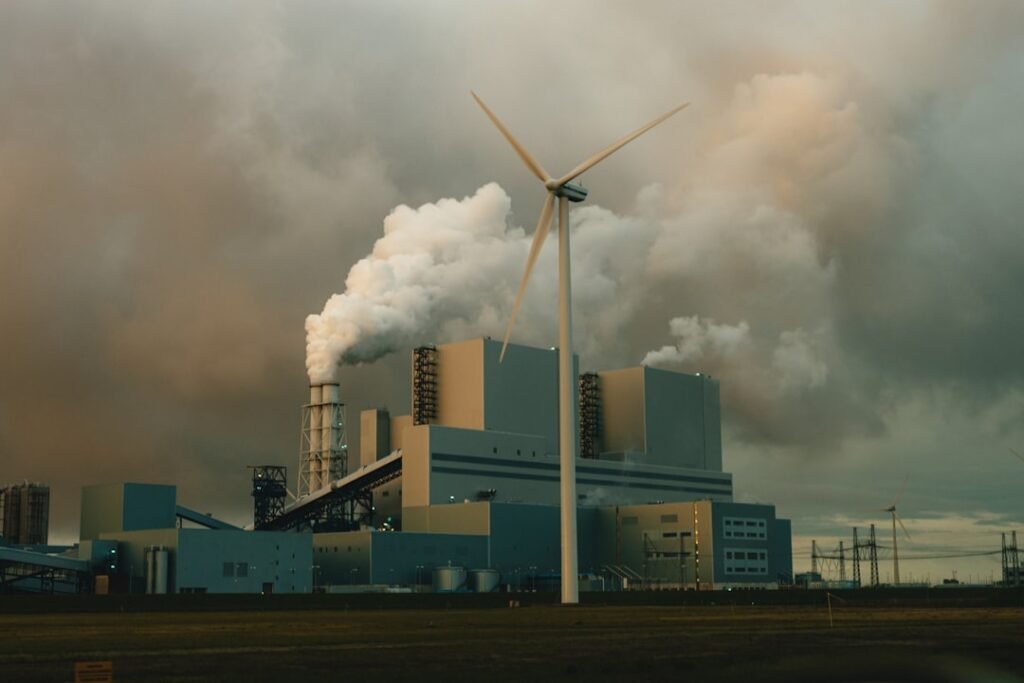
The environmental impact of data centers has raised serious questions. They require vast amounts of electricity, much of which still comes from fossil fuels. As communities push for greener practices, data centers are often viewed as detrimental. This perception fosters legal battles regarding compliance with environmental regulations. Here, lawyers find themselves in high demand.
Many communities are calling for stricter regulations. Some legal firms specialize in environmental law, helping local governments and organizations navigate these complex issues. This situation illustrates how the demand for legal expertise increases amid community pushback against data centers.
Lawyers Thrive in Controversial Times
The growing legal landscape surrounding data centers offers various opportunities for lawyers. Their services are sought after for several reasons:
- Litigation against data center operators for potential violations of zoning laws.
- Consultation on compliance with state and federal environmental regulations.
- Negotiation of agreements between local governments and data center companies.
- Advising on the implications of data privacy laws that affect data center operations.
The Rise of Data Privacy Legal Cases
As technology evolves, so do the laws that govern it. Data privacy is a significant concern for many firms operating data centers. Lawyers specializing in this area are essential in helping companies navigate the legal landscape. The emergence of new regulations, such as the GDPR in Europe and various state laws in the U.S., creates a burgeoning field for these legal experts.
In addition, as data breaches become more frequent, litigation against data centers is likely to increase. Companies may be held accountable for failing to protect sensitive information, and lawyers are at the forefront of these battles. This aspect of data centers highlights the interplay between technology and legal frameworks.
Community Engagement and Legal Involvement
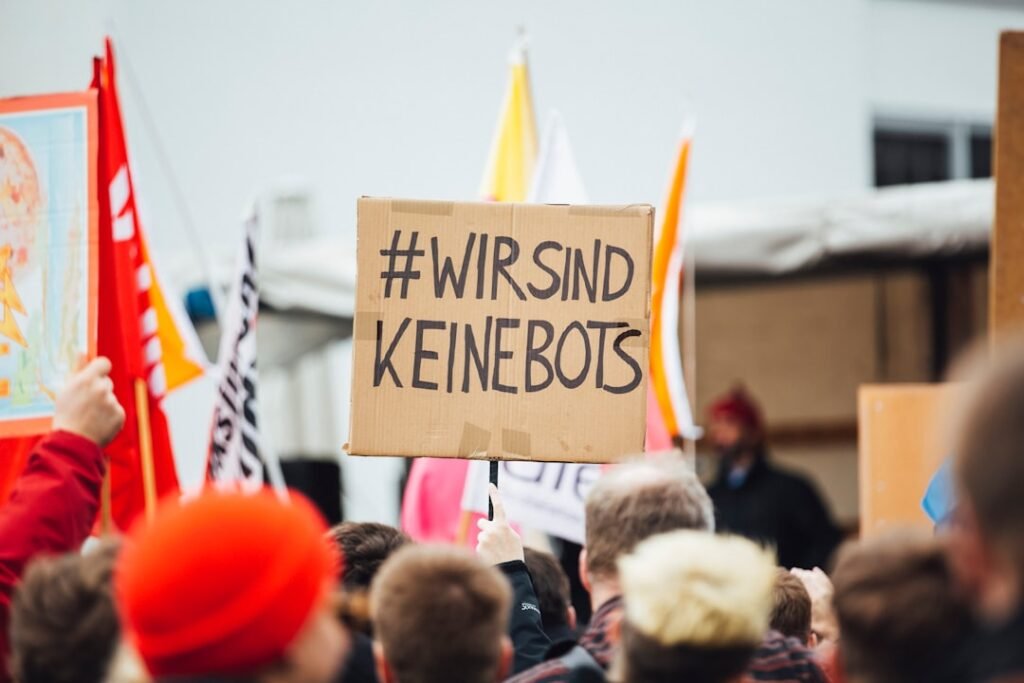
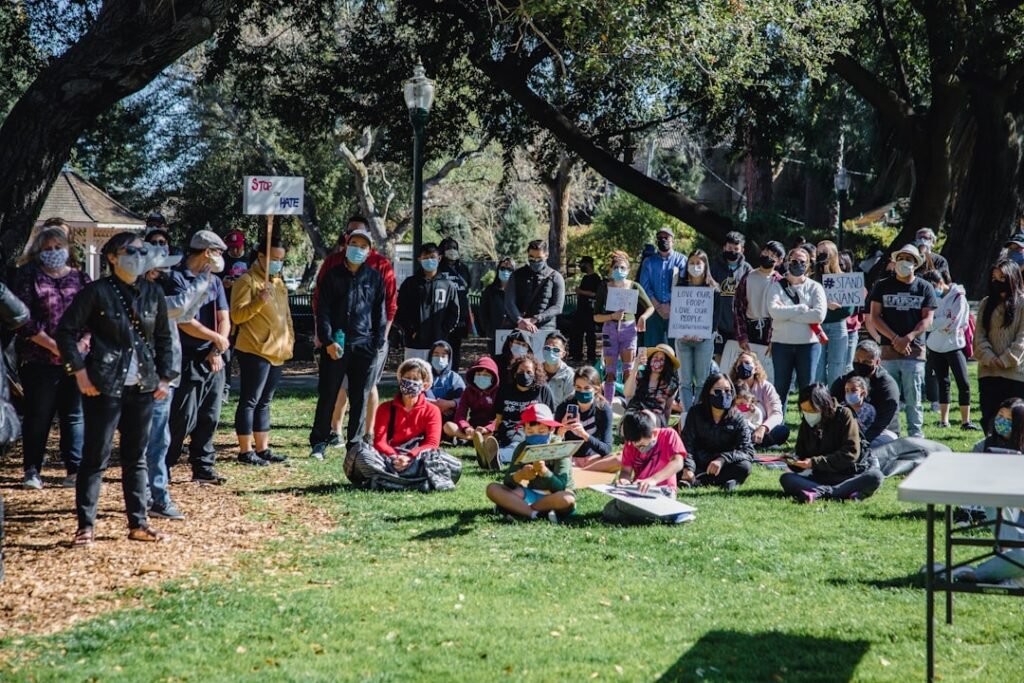
Community engagement is vital when it comes to data centers. Local residents often feel sidelined in decisions affecting their environment. Lawyers play a crucial role in representing these communities, ensuring their voices are heard. They can advocate for public hearings and provide legal counsel on environmental impact assessments.
The involvement of lawyers in community advocacy can lead to more balanced outcomes. By representing local interests, they can help negotiate terms that mitigate negative effects. This can result in agreements that benefit both data center operators and the communities they impact.
Future Trends in Data Centers and Law
As the landscape for data centers continues to evolve, so will the legal frameworks that govern them. Future trends indicate a greater focus on sustainability and energy efficiency. This shift will likely result in more stringent regulations and an increased need for legal expertise.
Lawyers specializing in technology law, environmental law, and real estate law will see their services in demand as these trends emerge. The interplay between technology and law creates a dynamic environment where lawyers can thrive.
Conclusion: The Unforeseen Opportunities in Data Centers
Data centers may face ongoing controversy, but they also pave the way for new opportunities within the legal profession. As communities grapple with the implications of these facilities, lawyers are perfectly positioned to provide essential services. Whether it’s navigating compliance issues, representing community interests, or tackling data privacy concerns, the demand for legal expertise remains strong. In this climate, the relationship between data centers and the legal profession will only grow more significant.
Source: news source