




































































































































































































































































































































































































































































































































































































































































































































































































































































































































































































































































































































































































































































































































































































































































































































































































































































































































































































































































































































































































































































































































































































































































































































































































































































































































































































































































































































































































































































































Simon Harmer Discusses England’s Shortage of World-Class Spin Bowlers

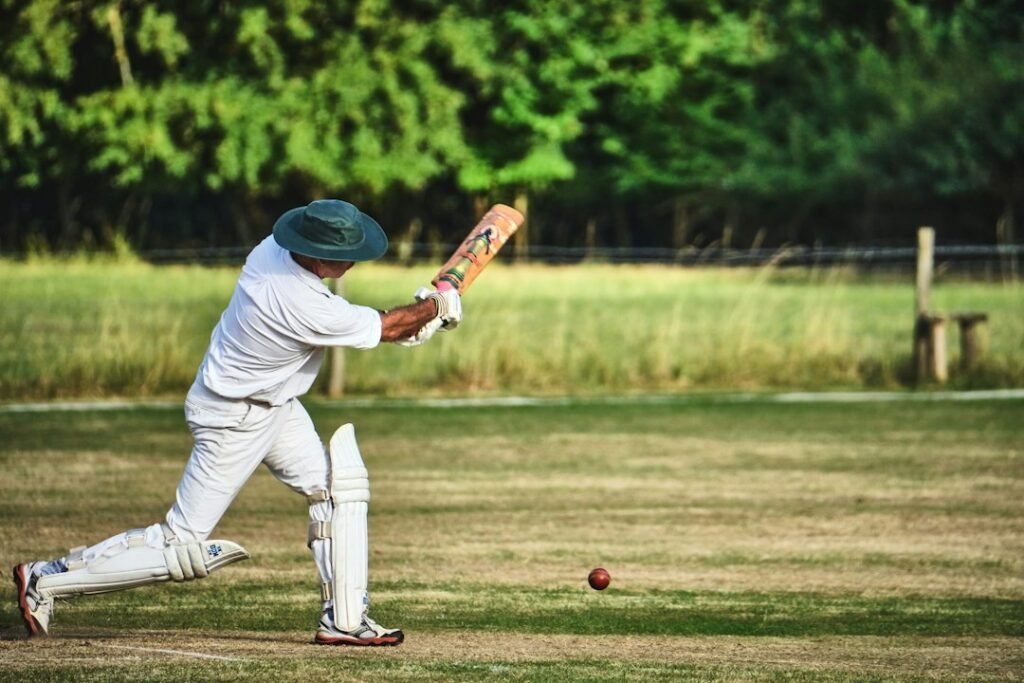
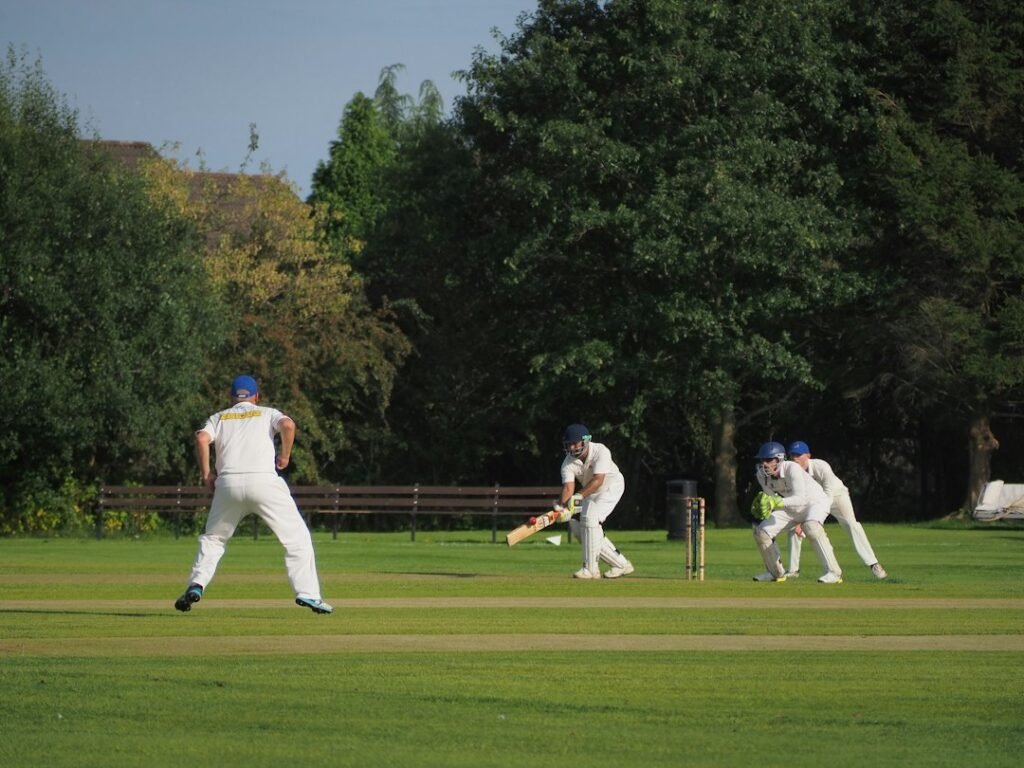
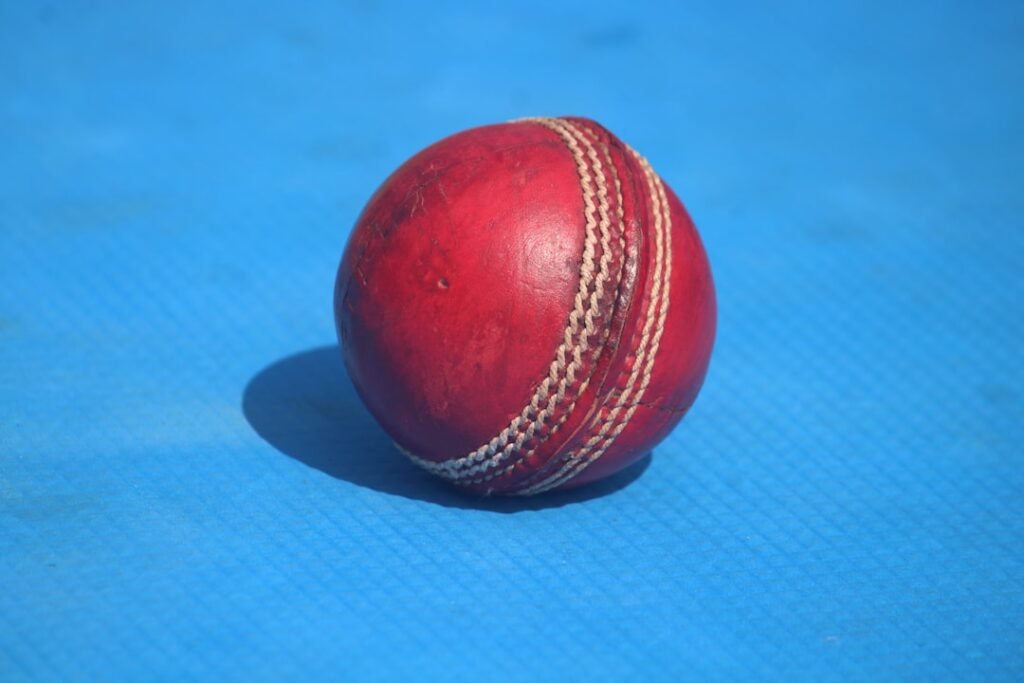
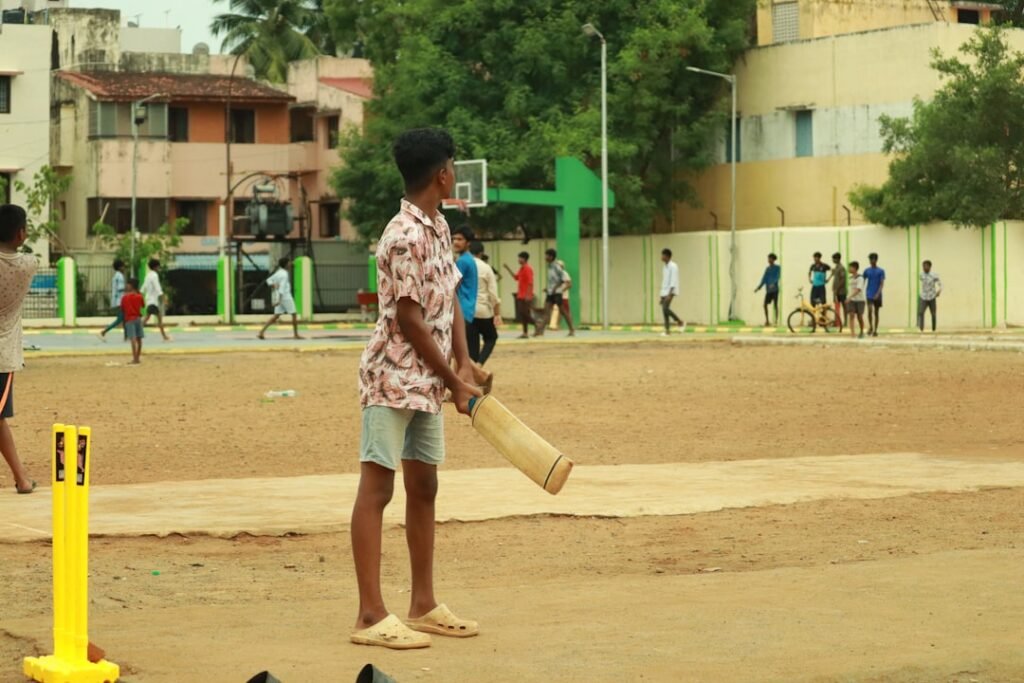
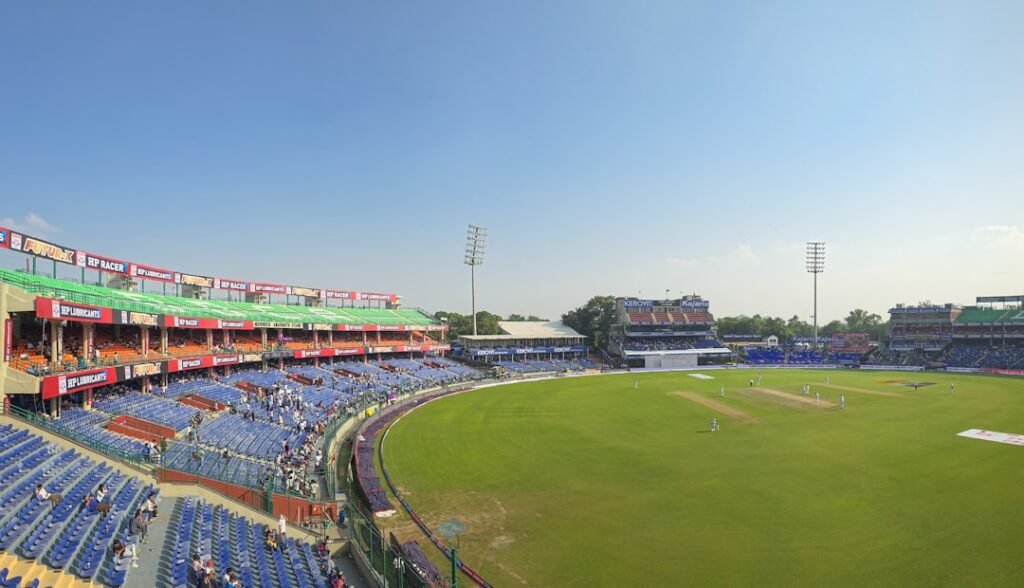
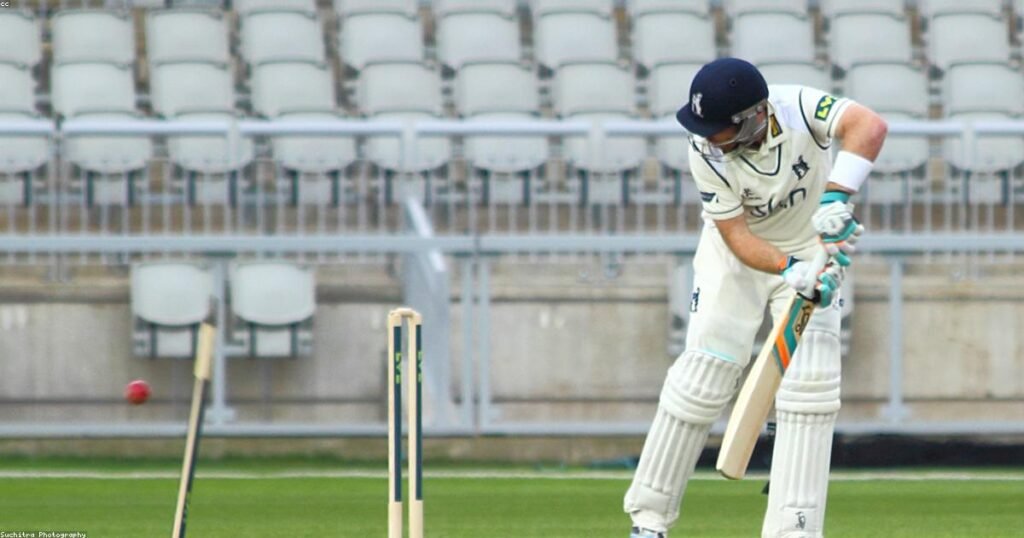
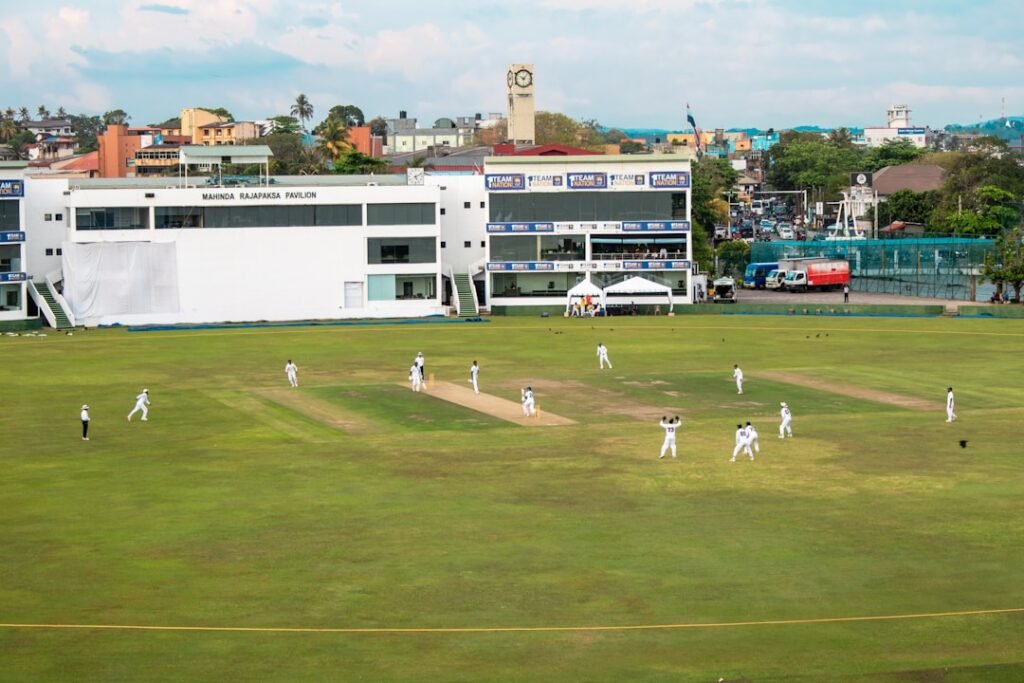
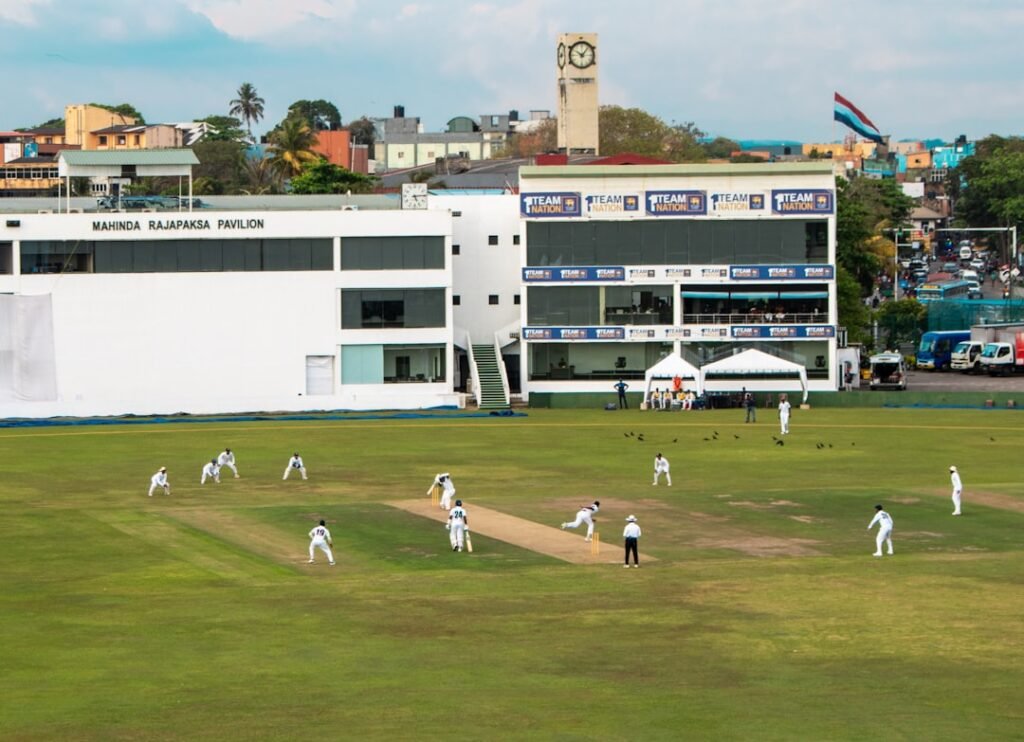
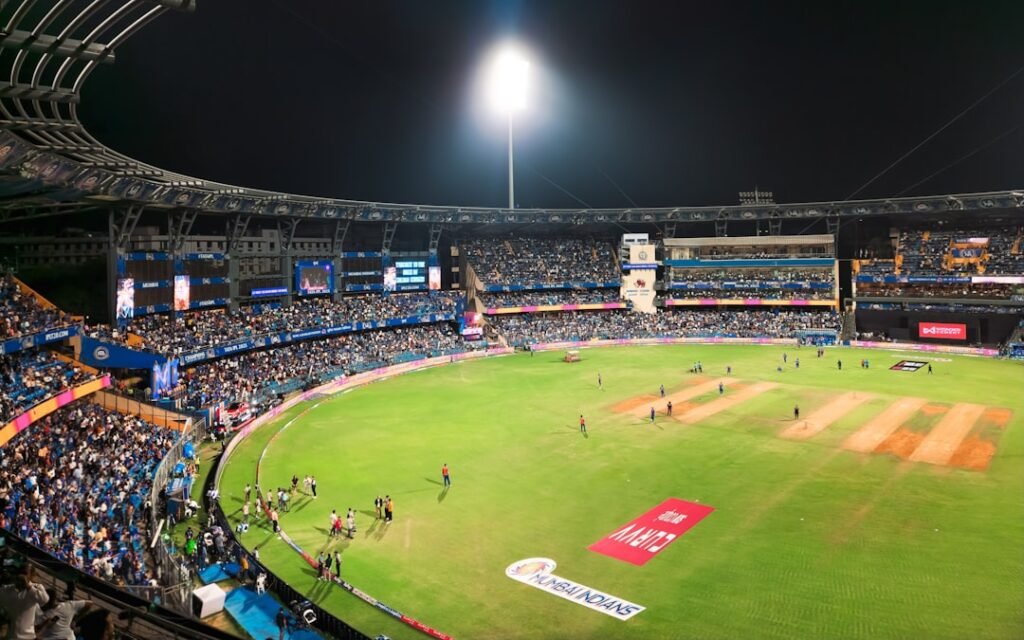
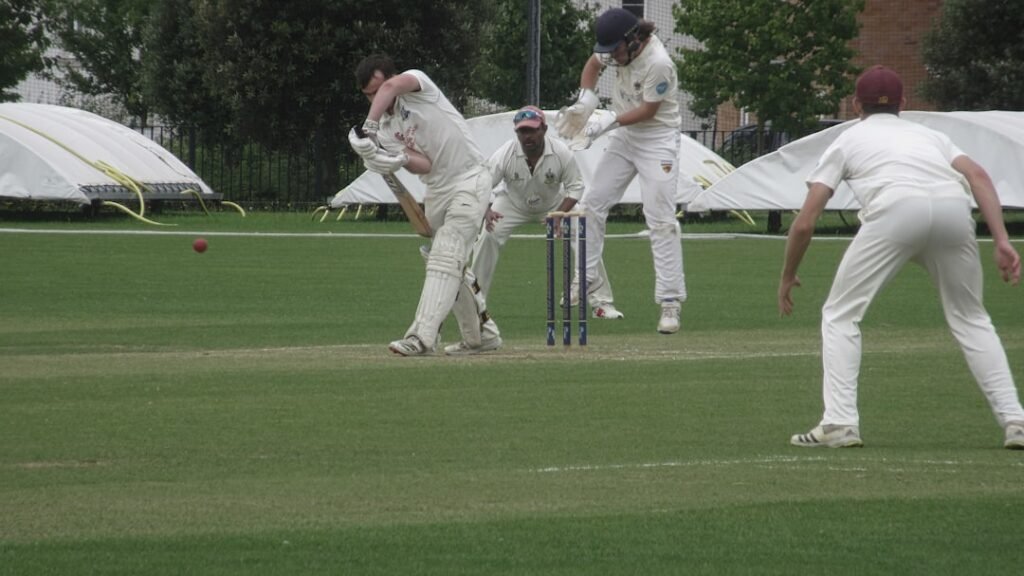
Simon Harmer, a notable figure in the cricketing world, has recently addressed the concerning shortage of world-class spin bowlers in England’s cricket landscape. His insights shed light on the various factors contributing to this gap and the implications it has for the national team. Harmer’s observations are crucial for understanding the future of spin bowling in England, especially as the game evolves globally.
Understanding the Shortage of Spin Bowlers in England
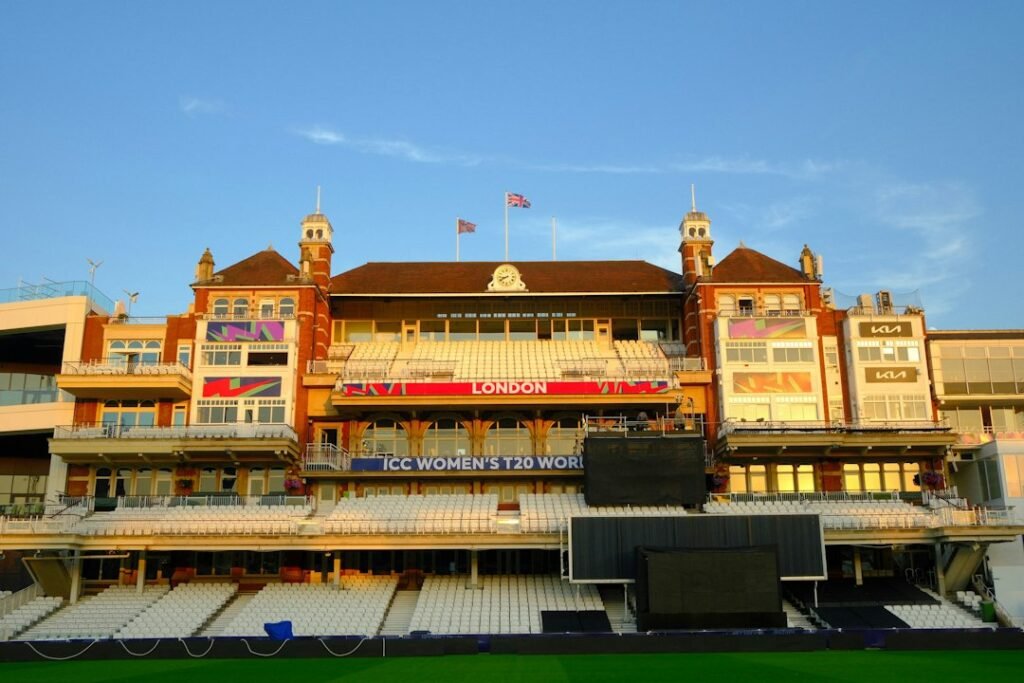
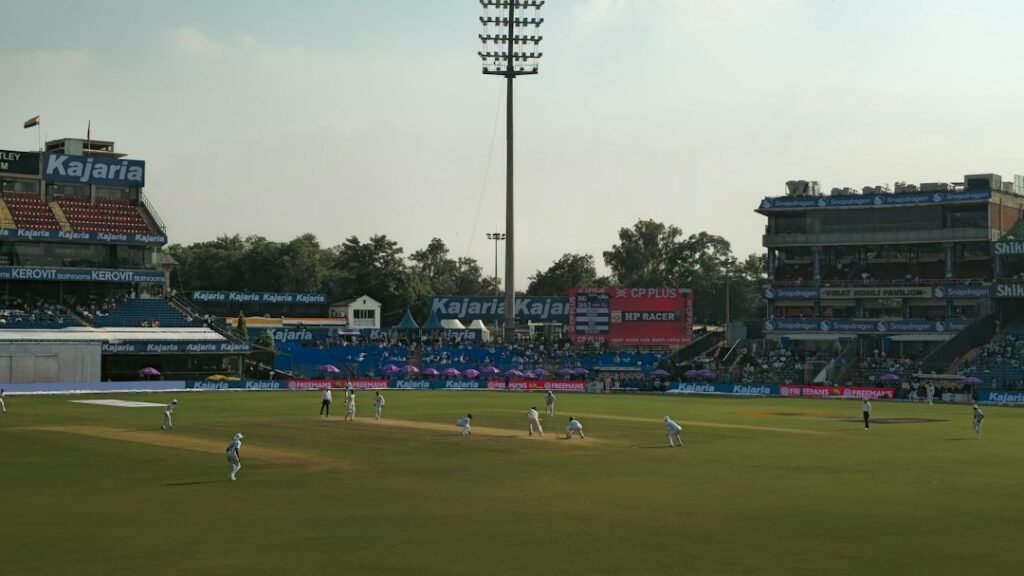
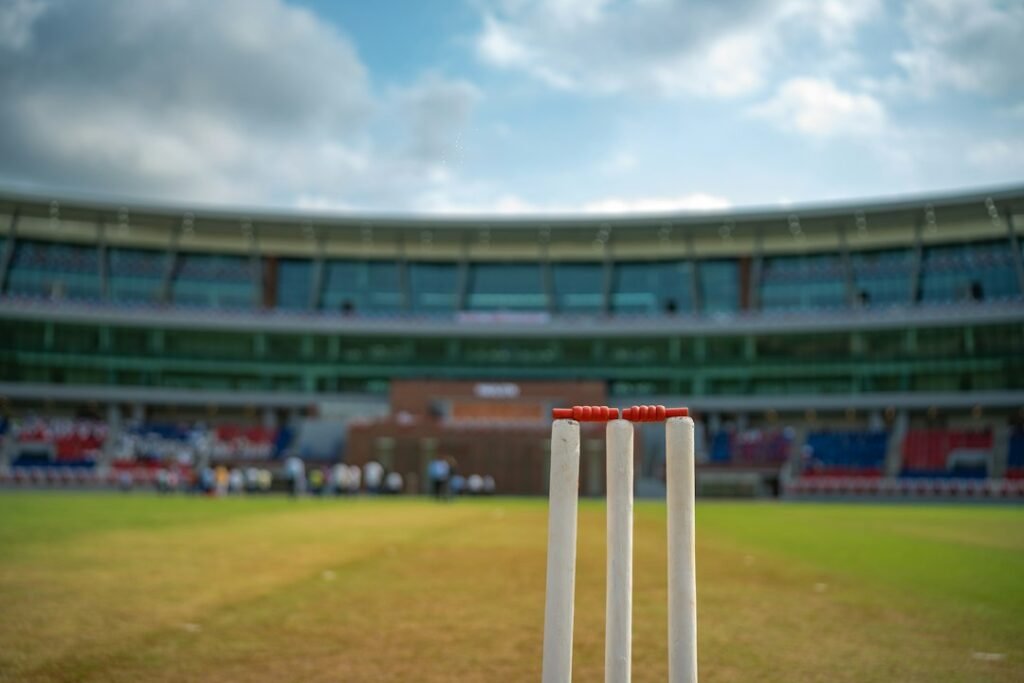
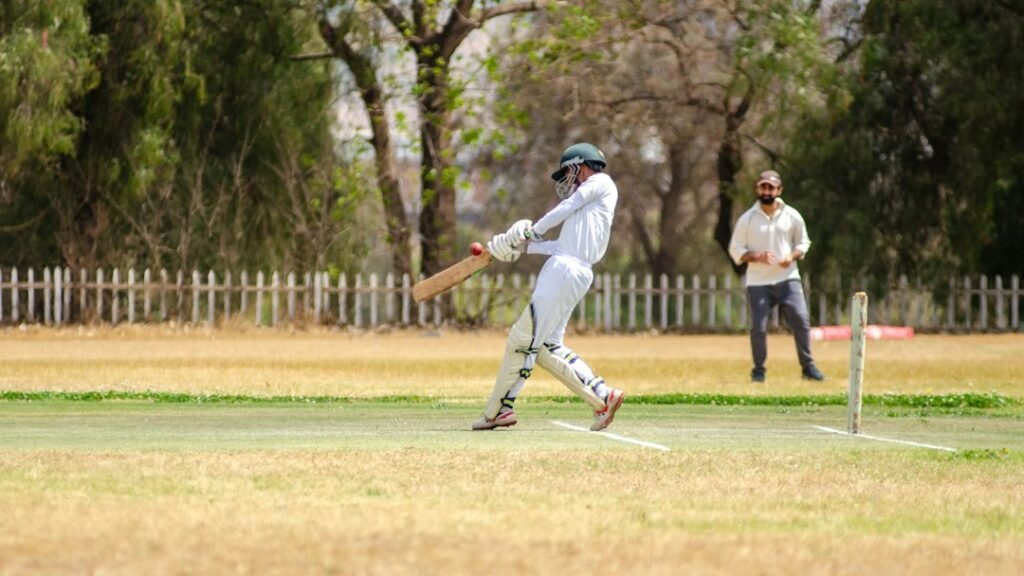
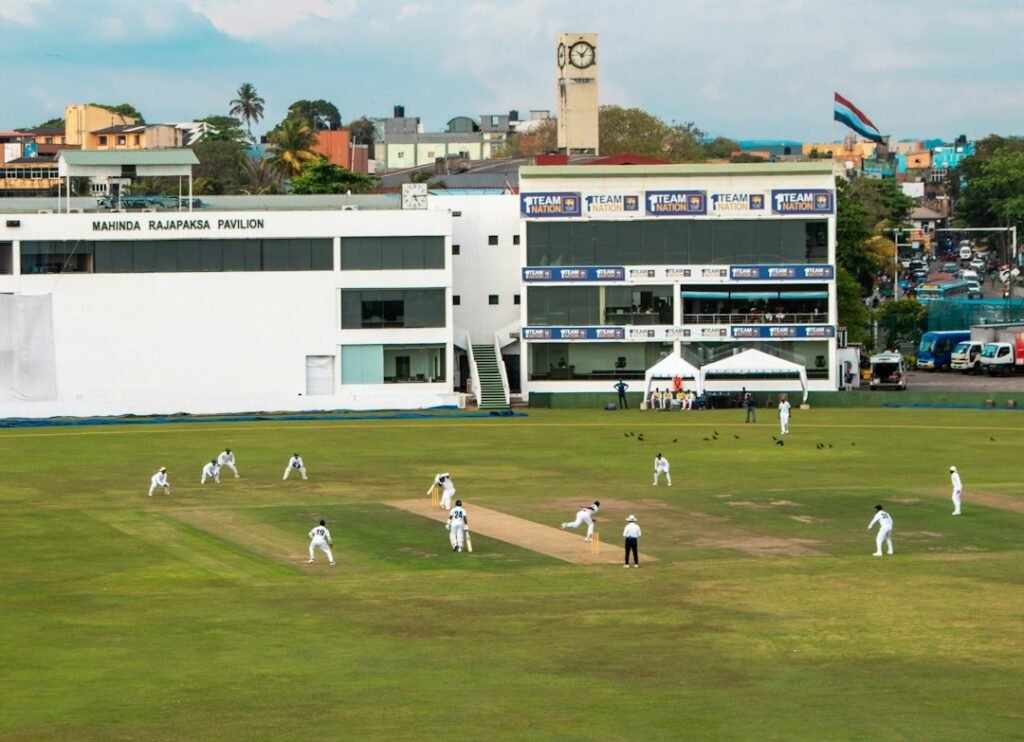
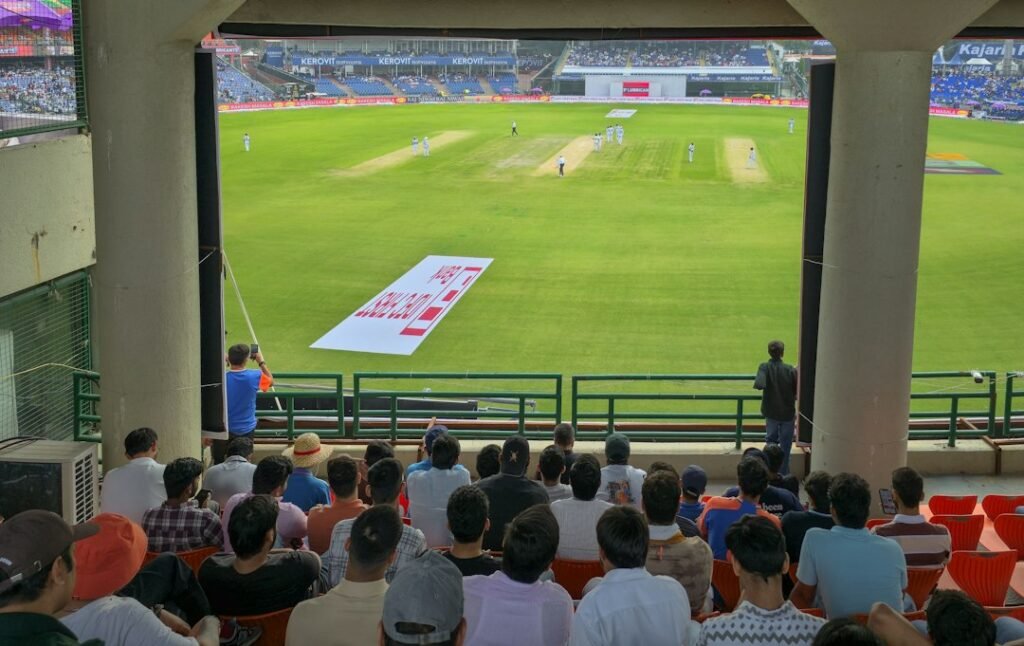
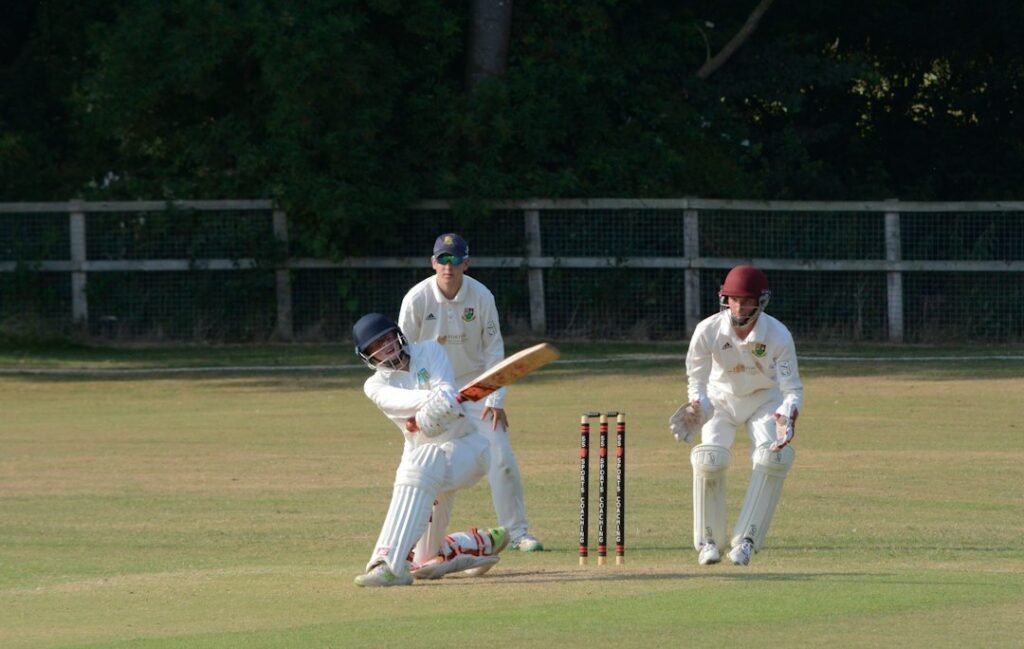
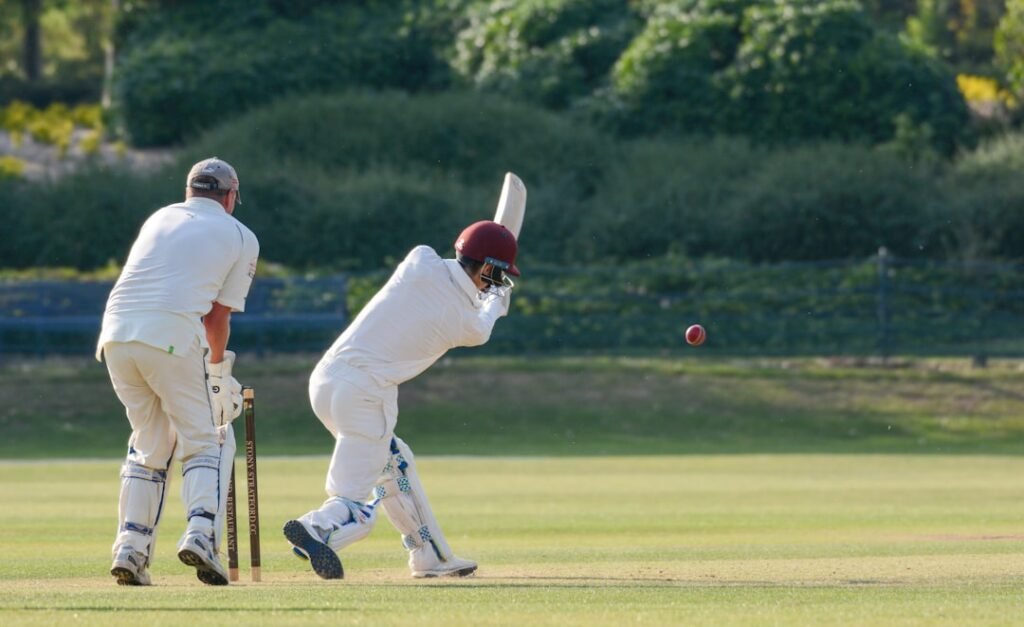
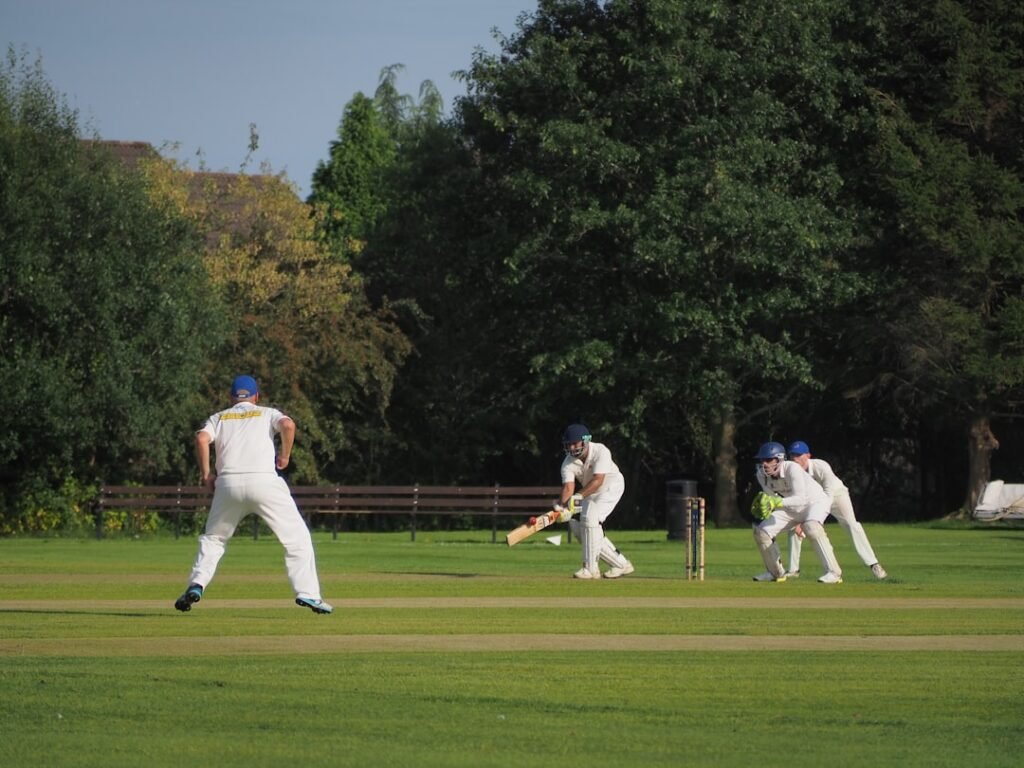
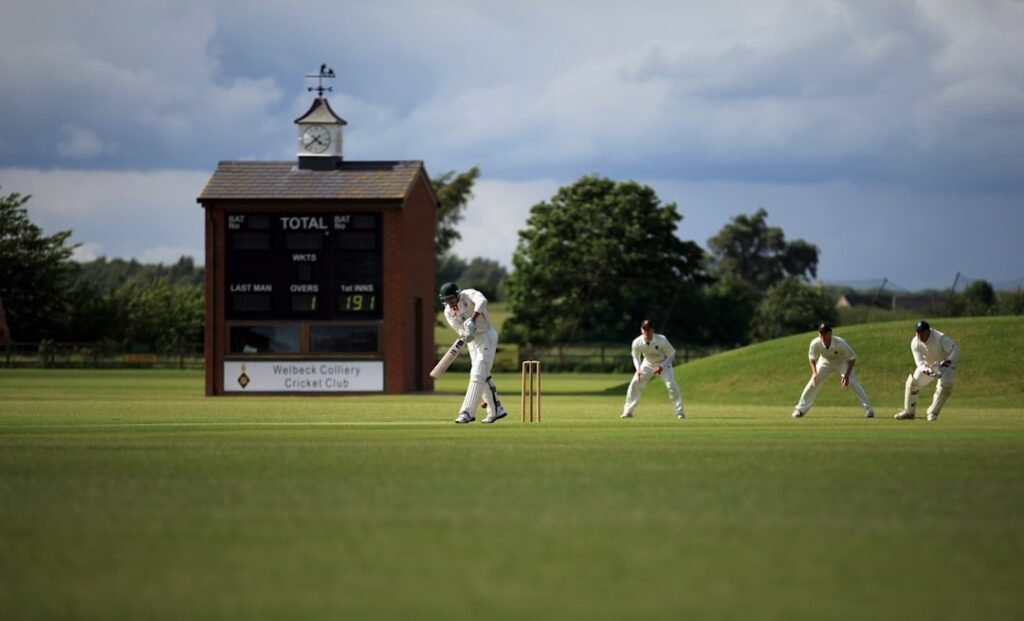
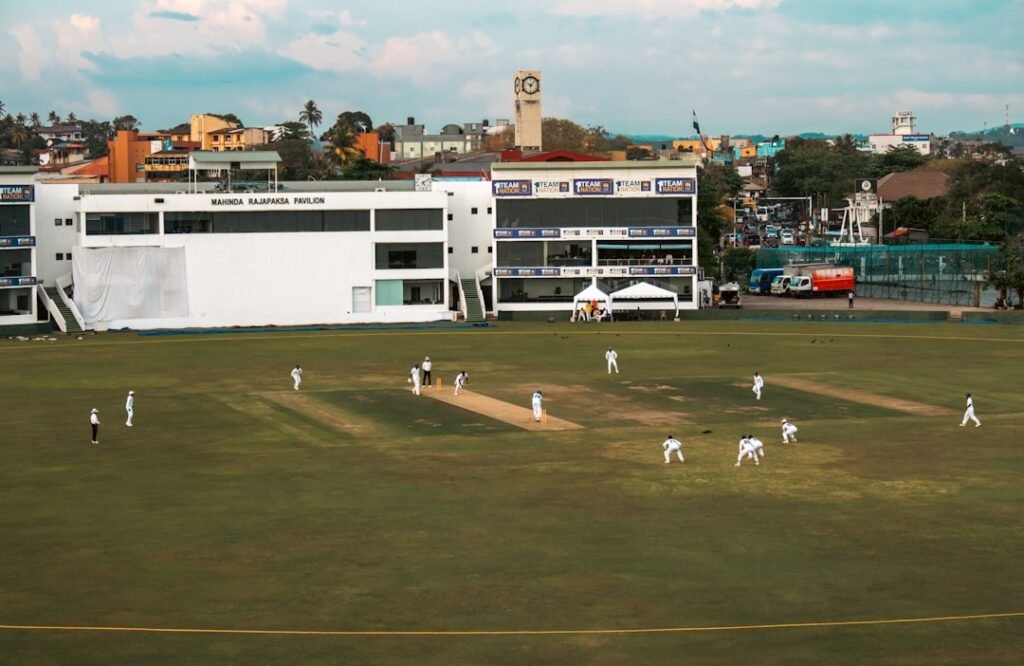
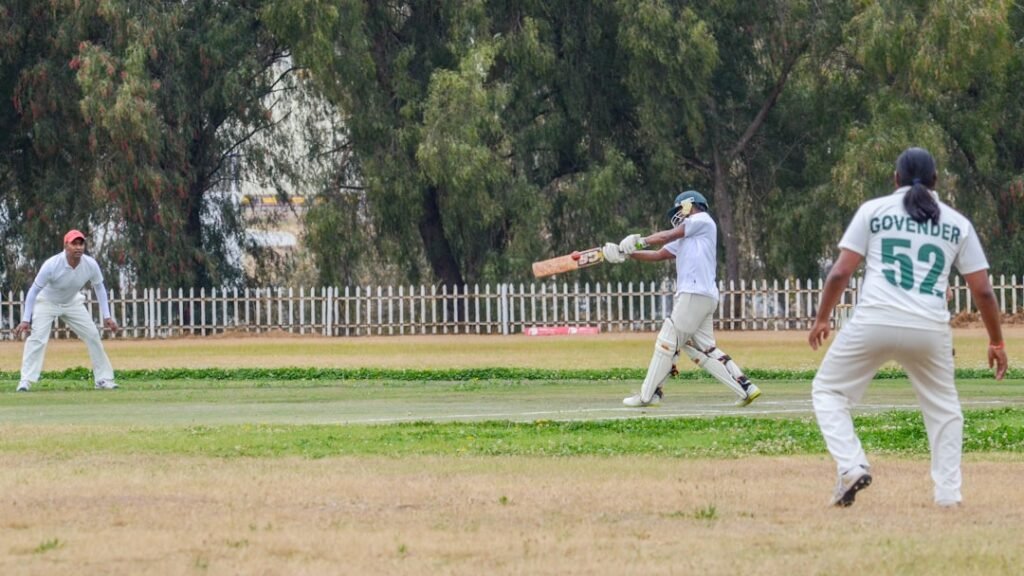
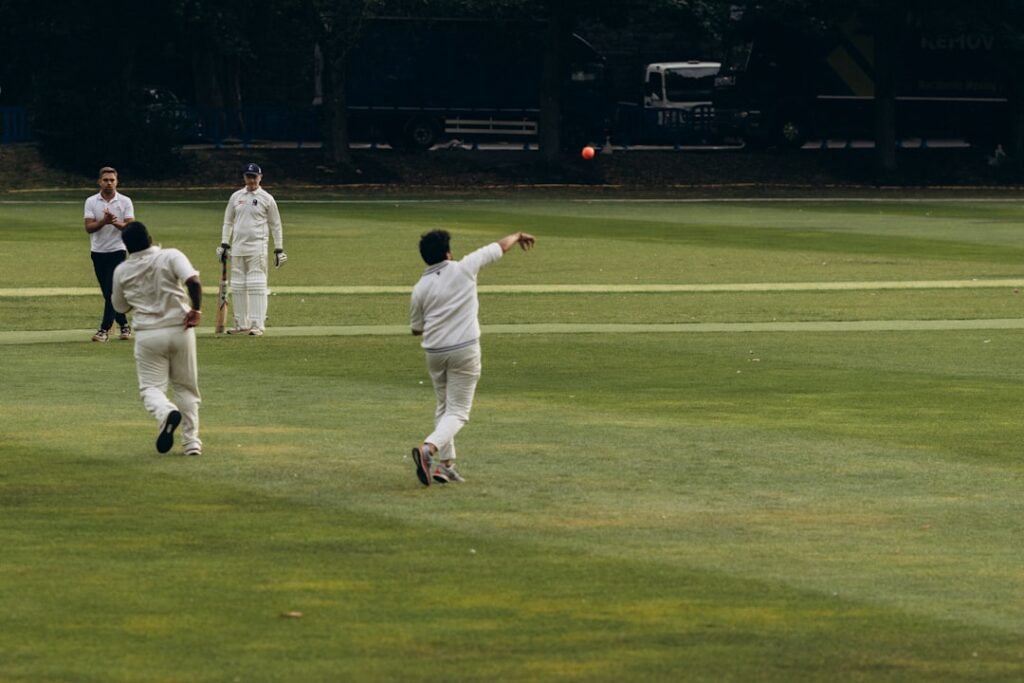
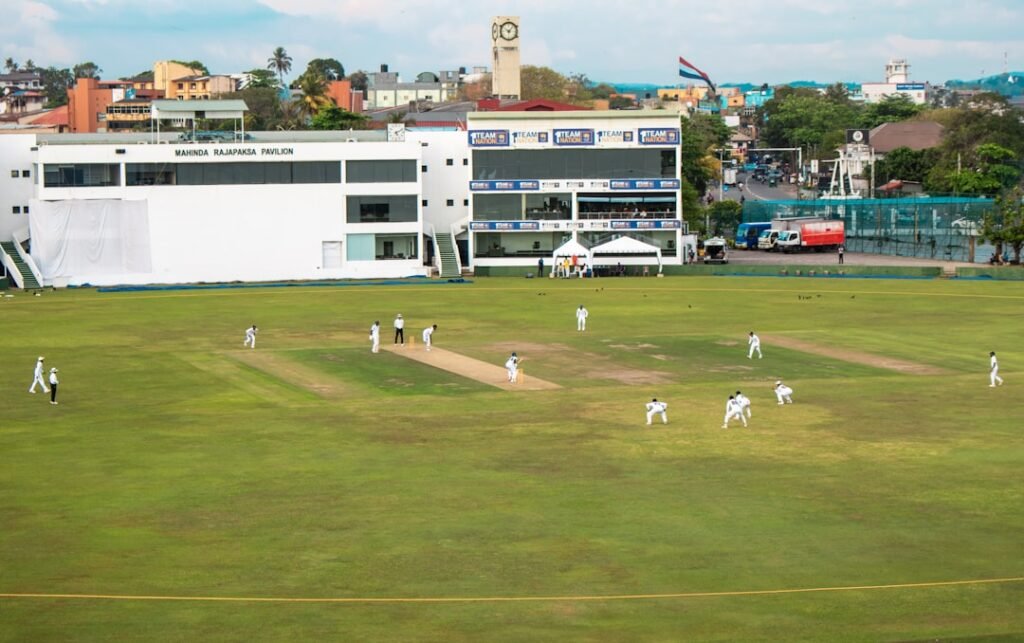
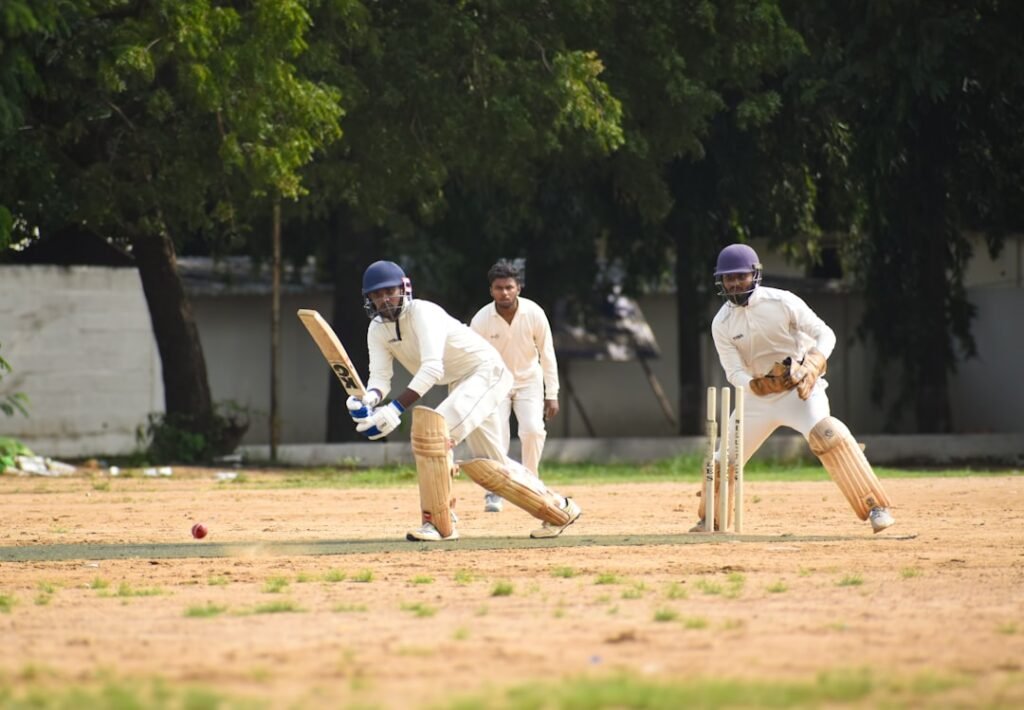
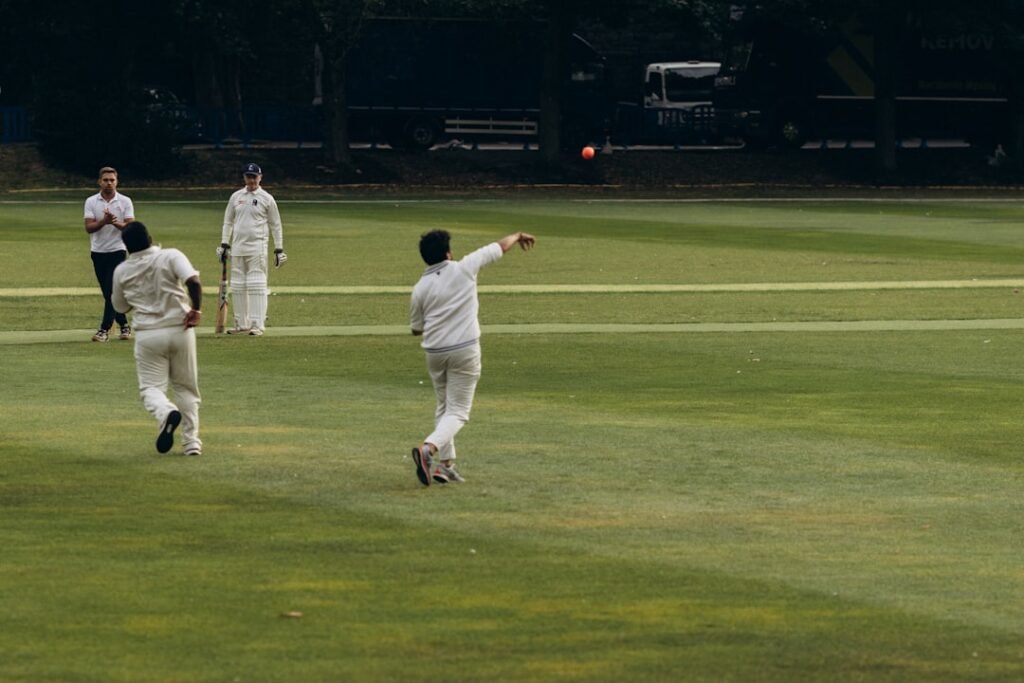
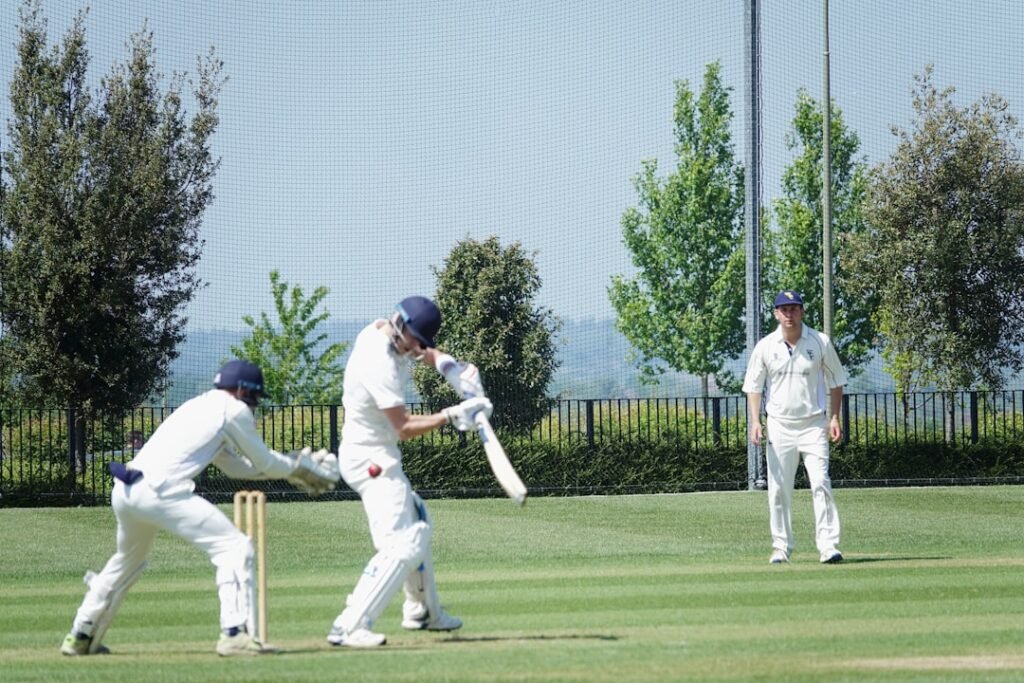
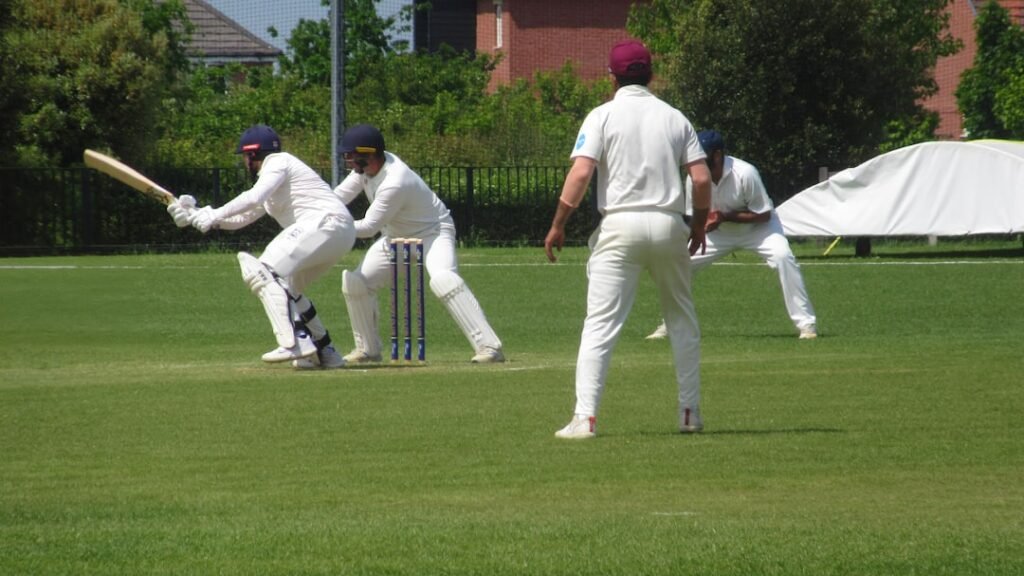
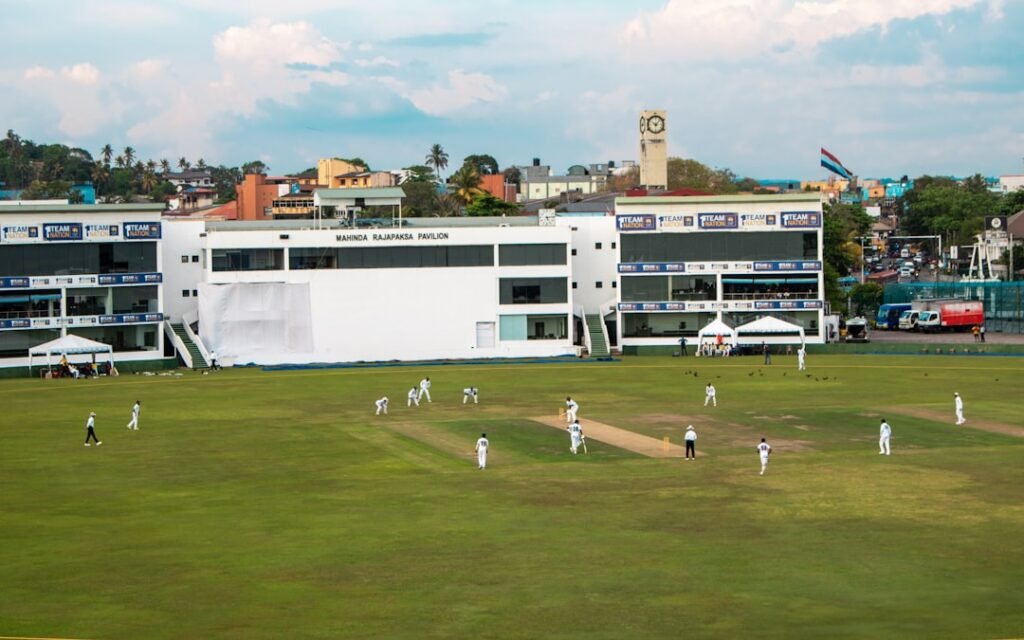
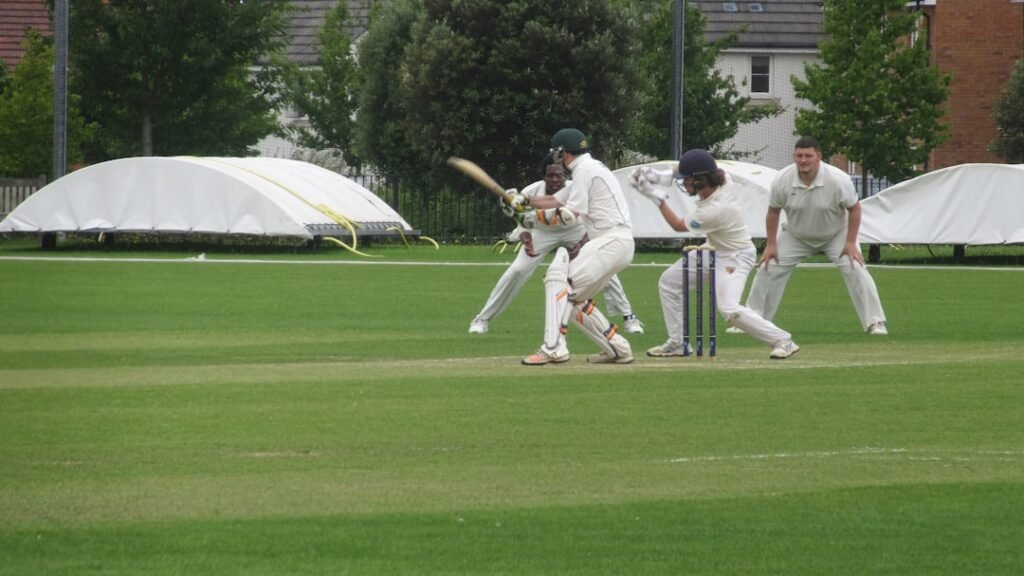
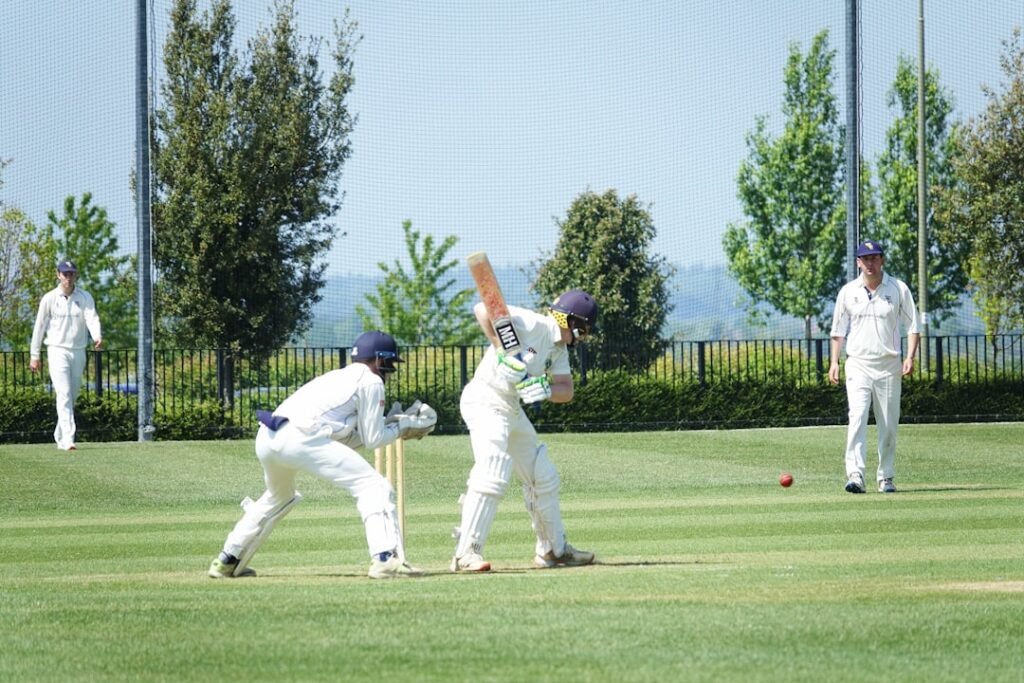
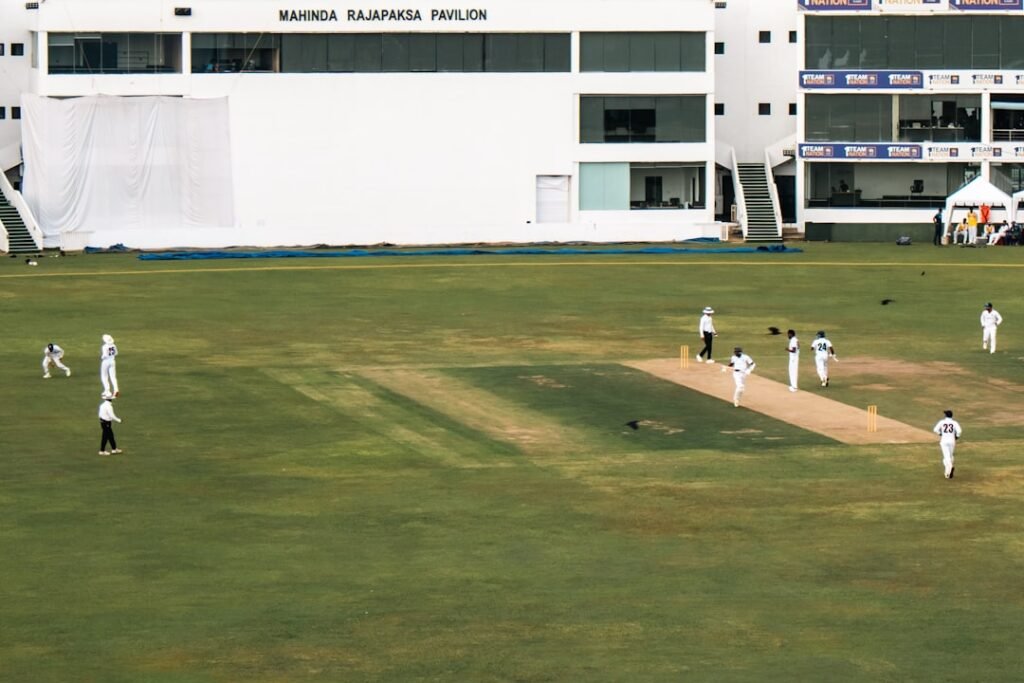
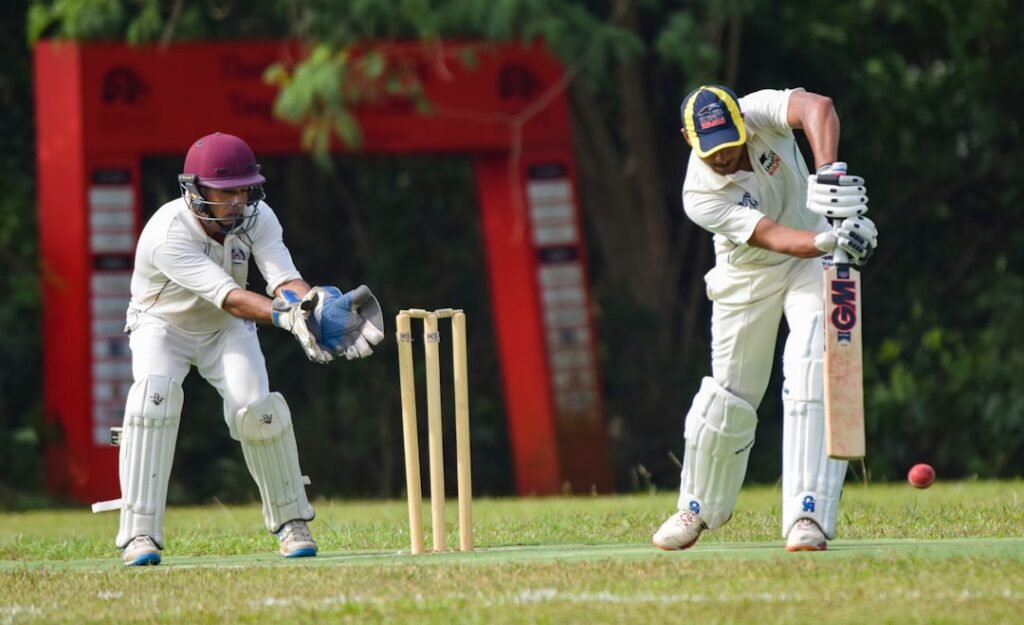
In a sport dominated by pace bowlers, the role of spinners has often been undervalued, particularly in England. Harmer highlights several reasons behind the lack of world-class spin bowlers emerging from the country. One key factor is the traditional pitch conditions in England, which tend to favor fast bowlers over spinners.
Pitch Conditions and Climate Affecting Spin Bowling
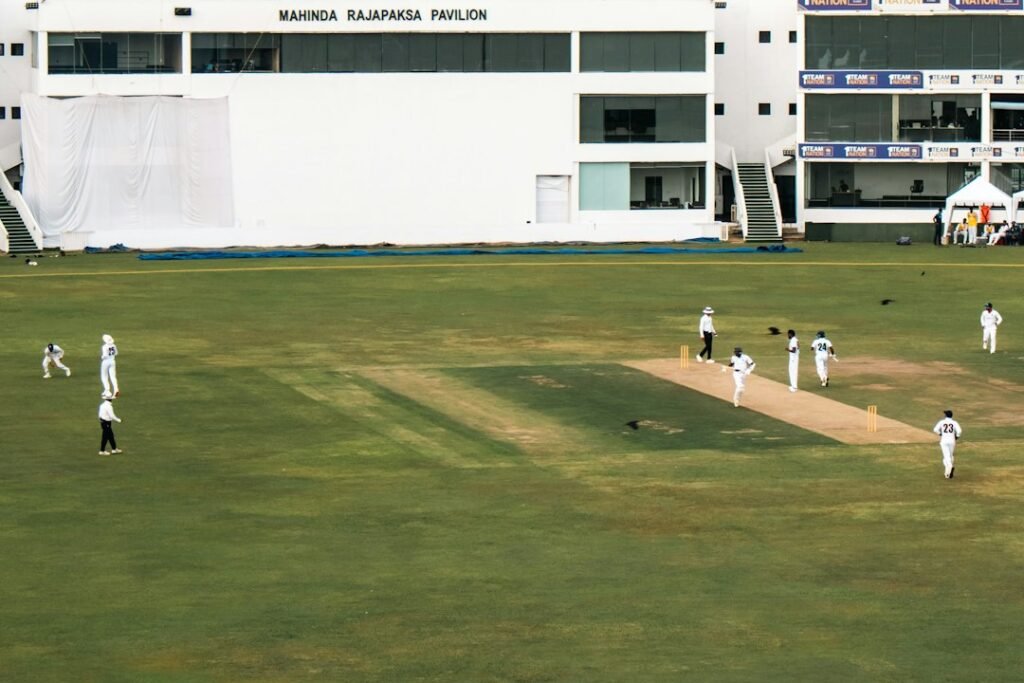
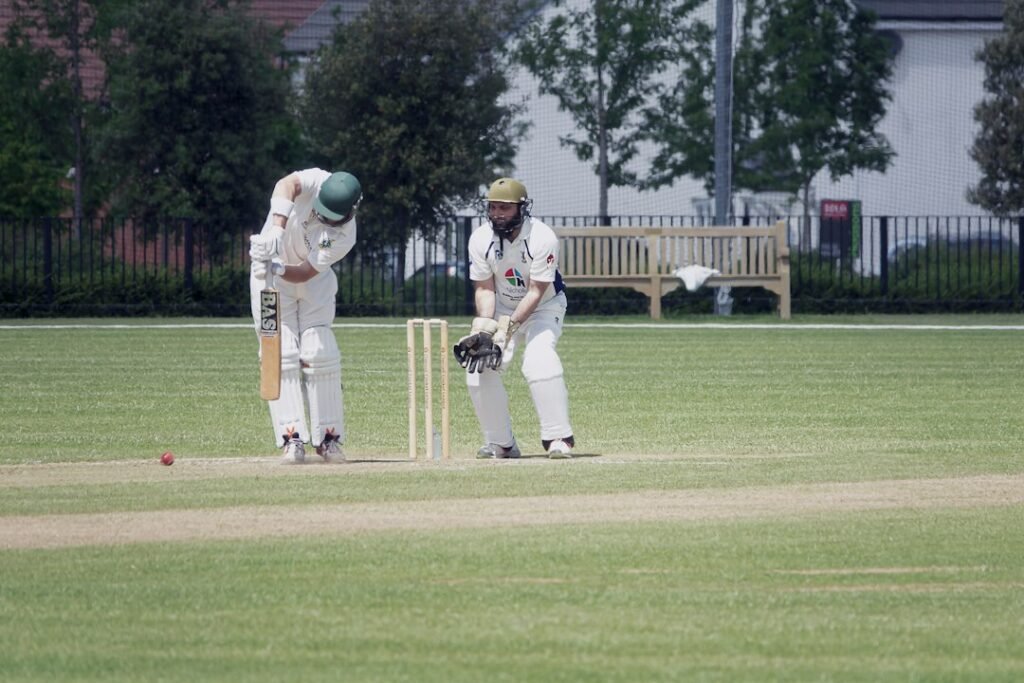
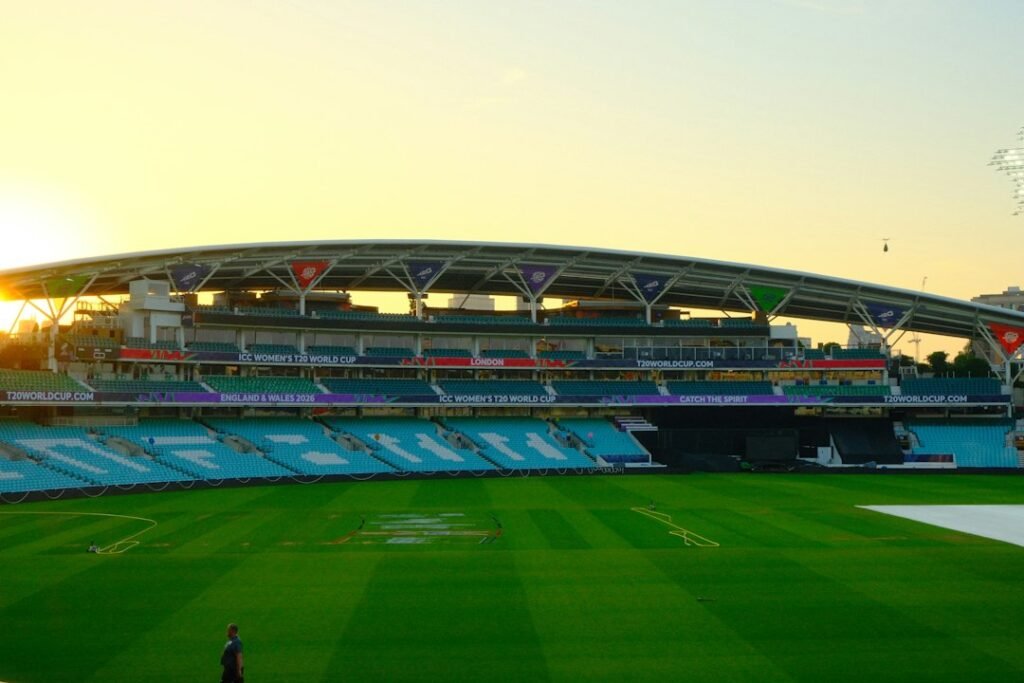
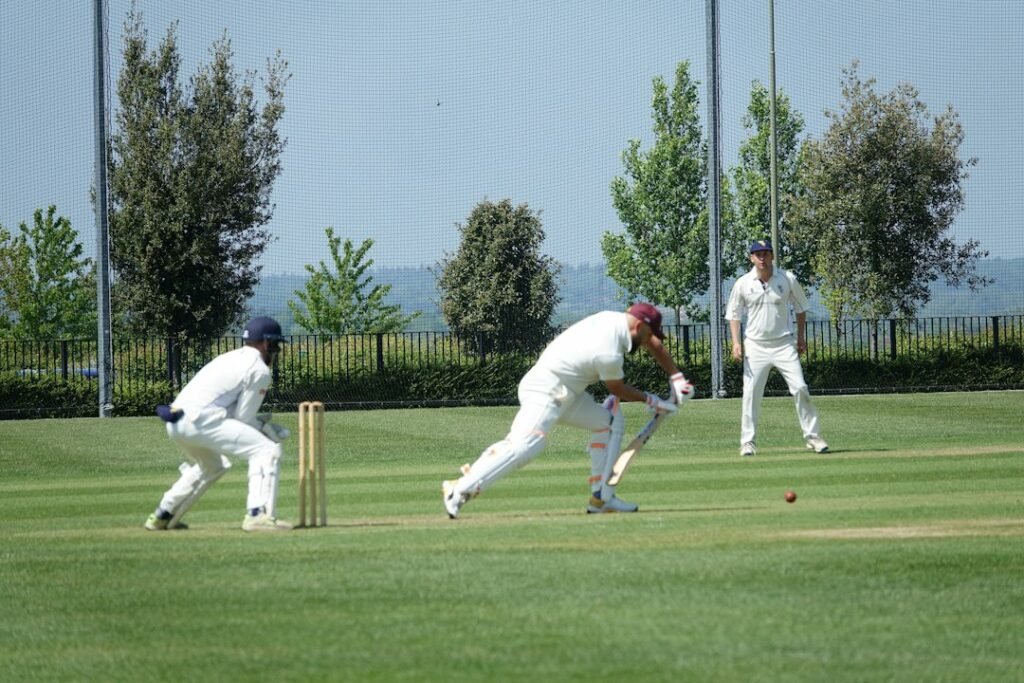
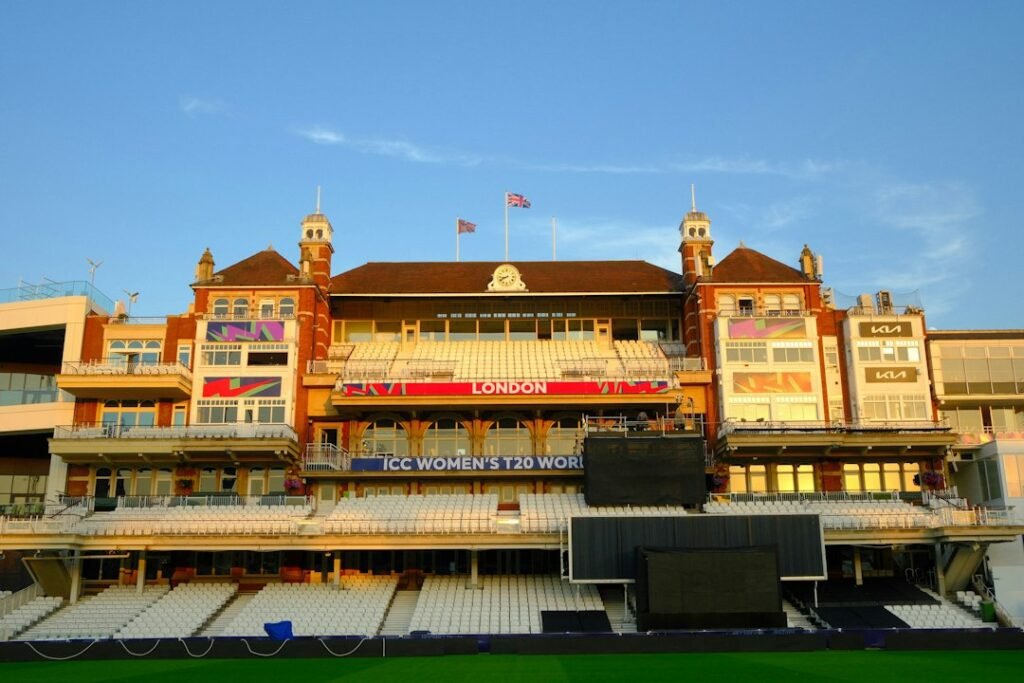
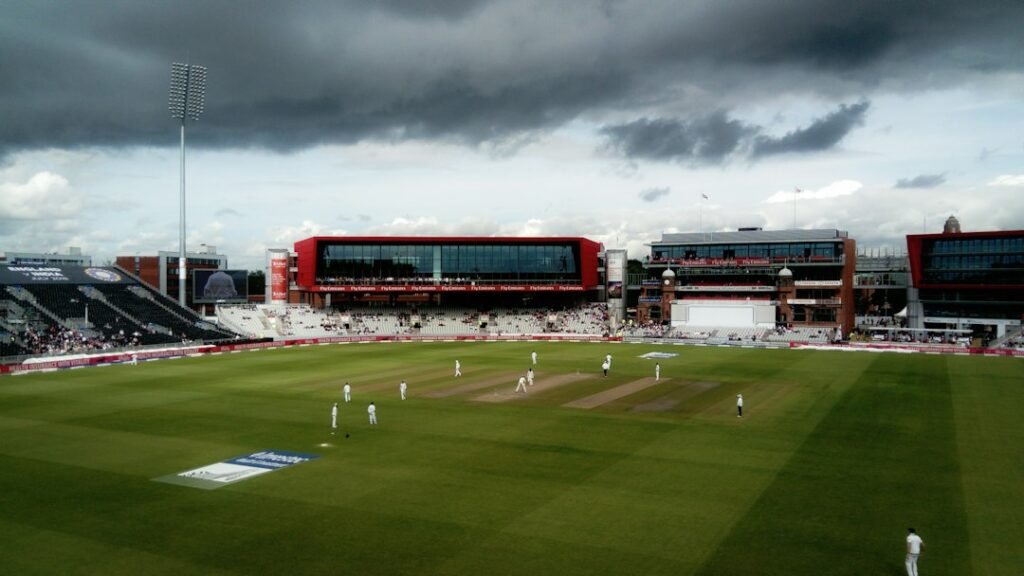
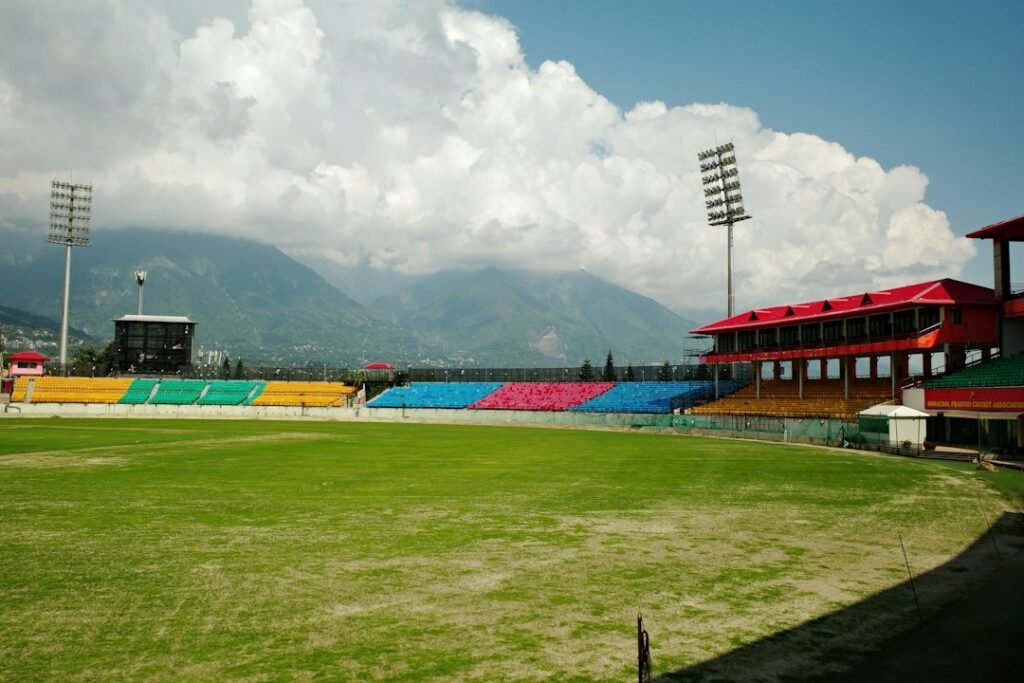
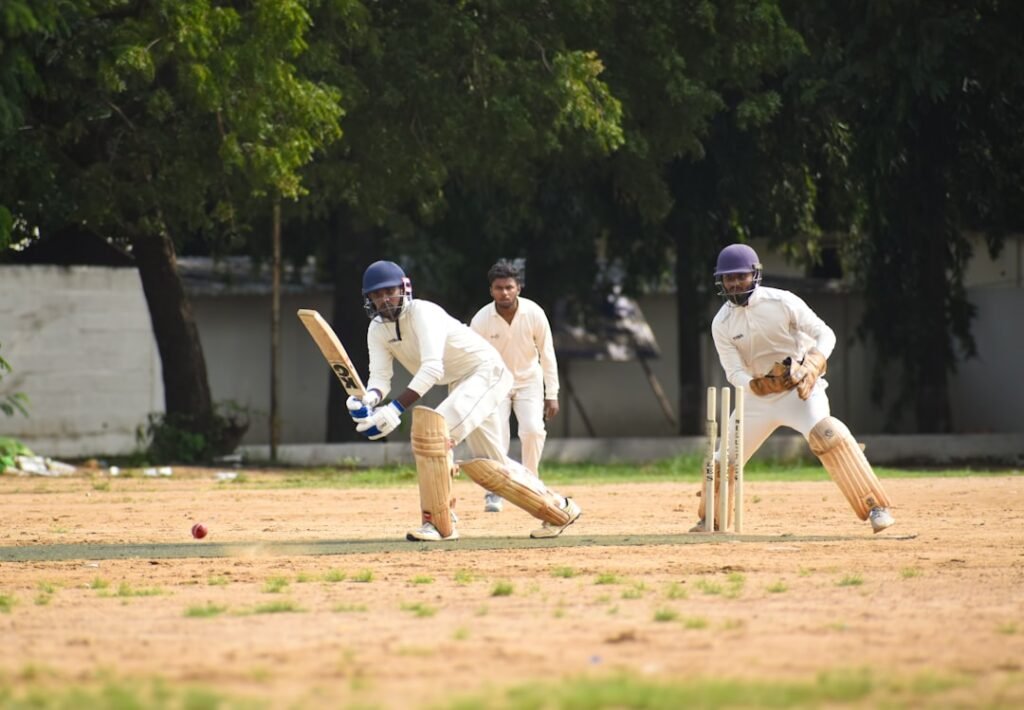
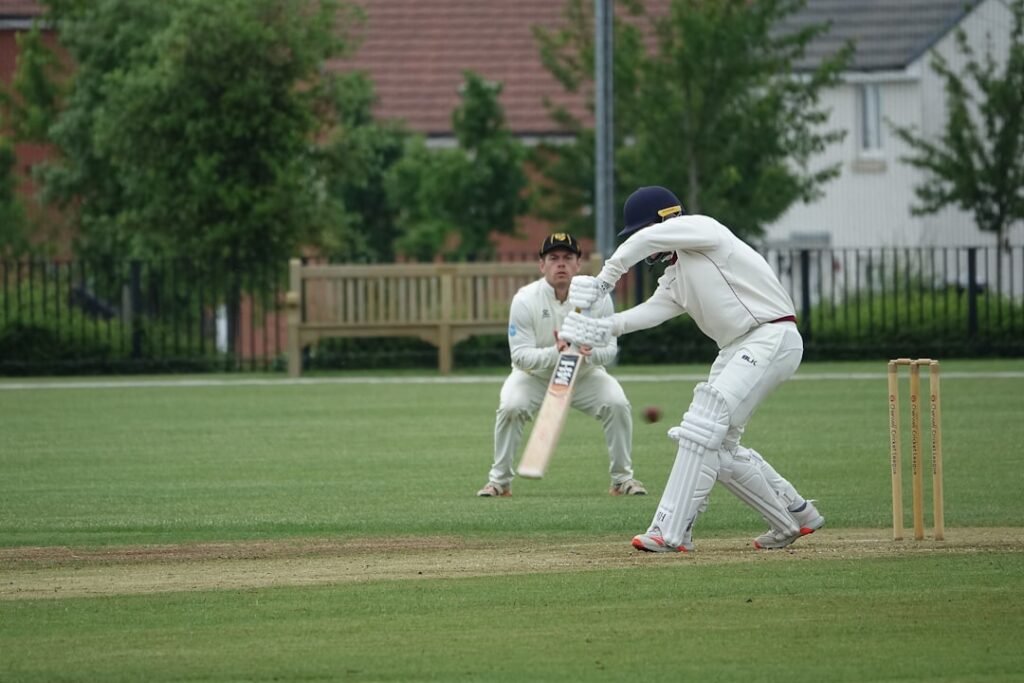
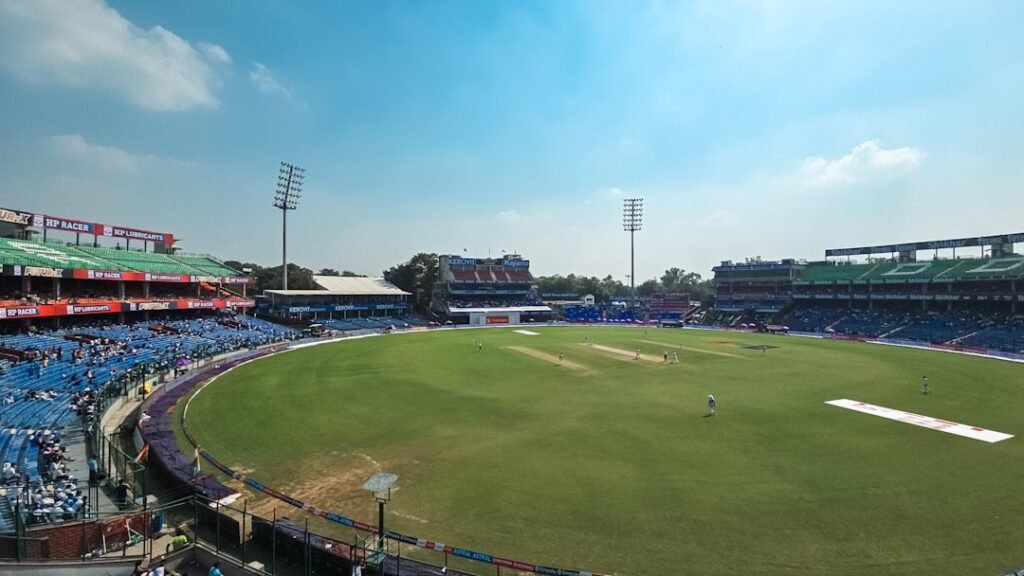
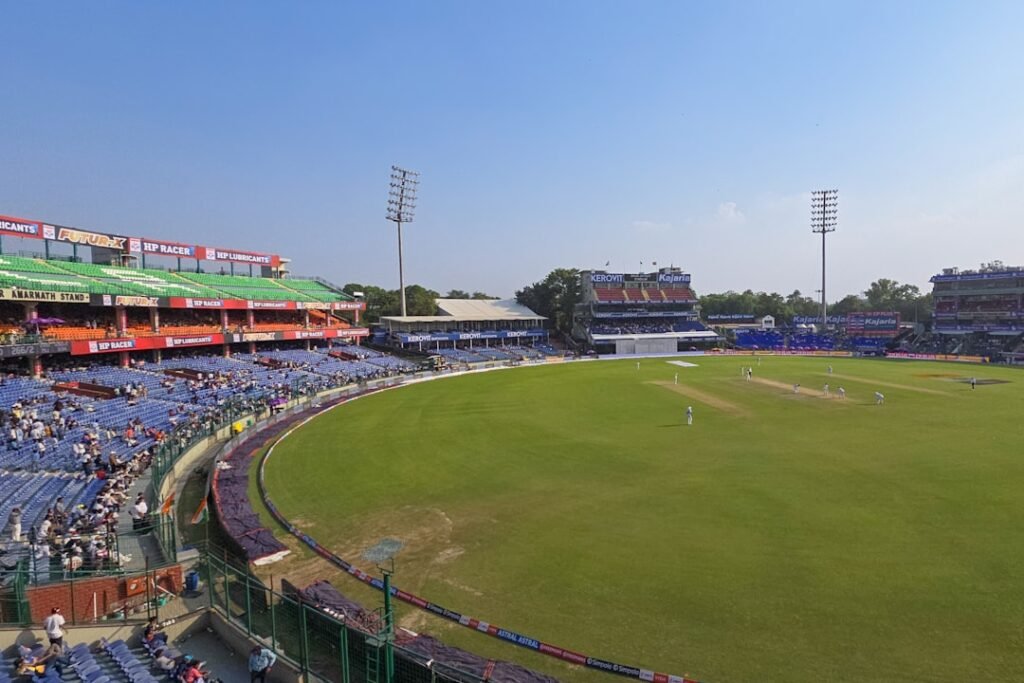
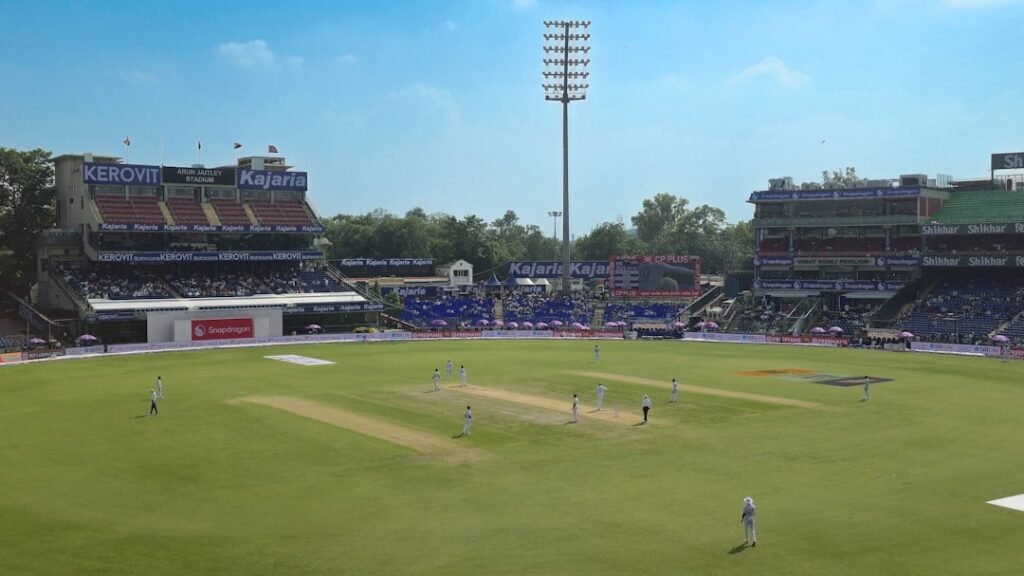
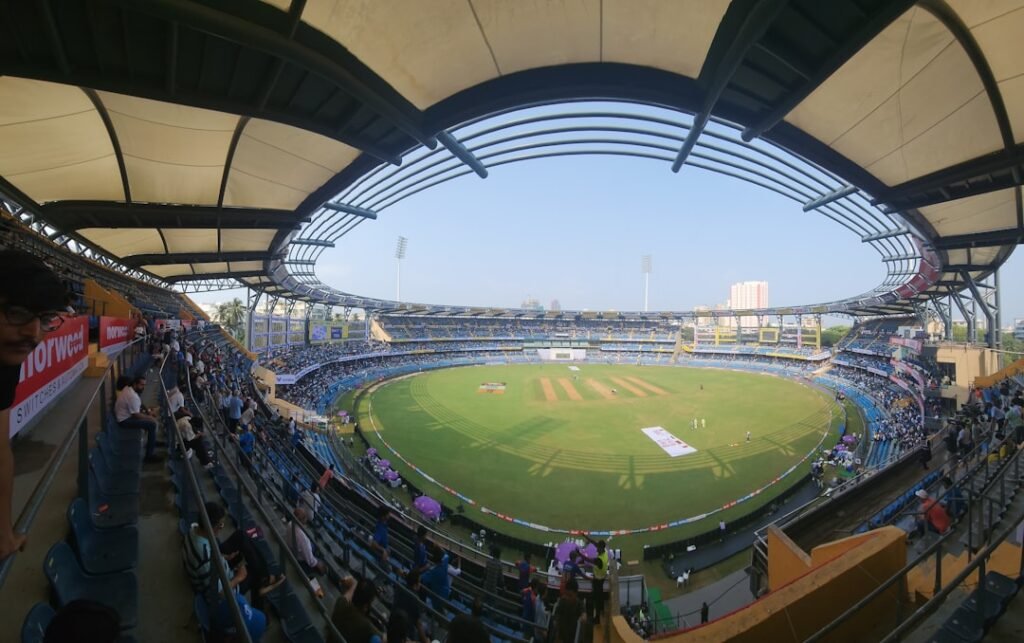
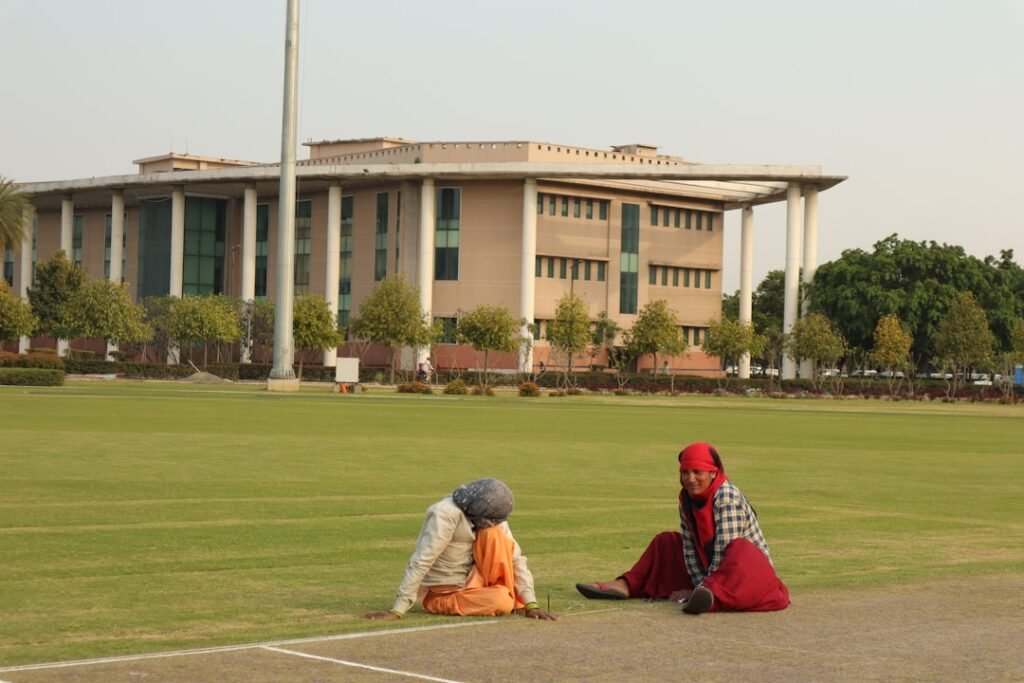
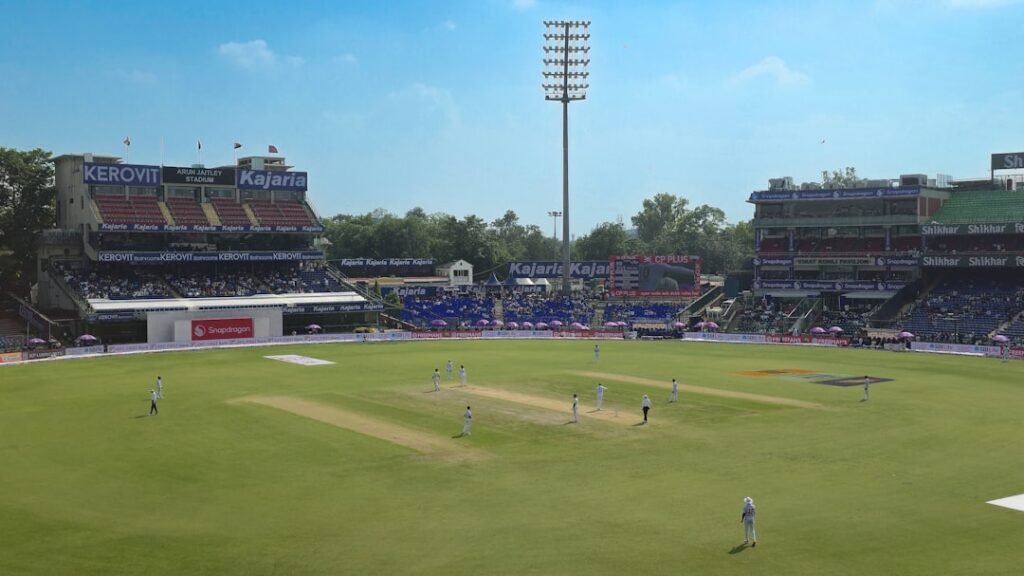
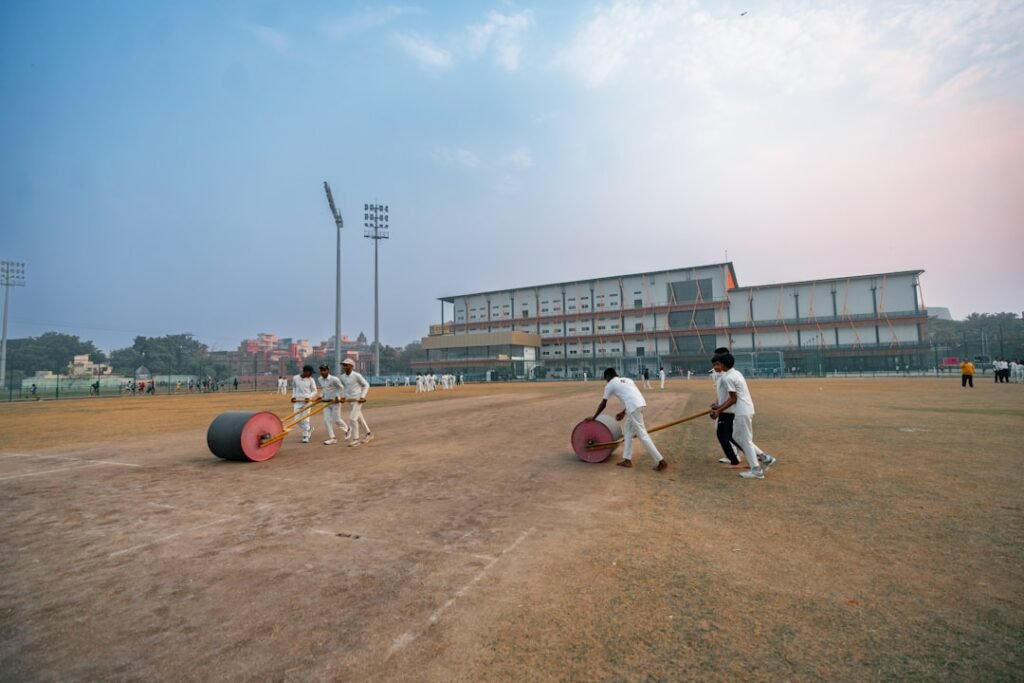
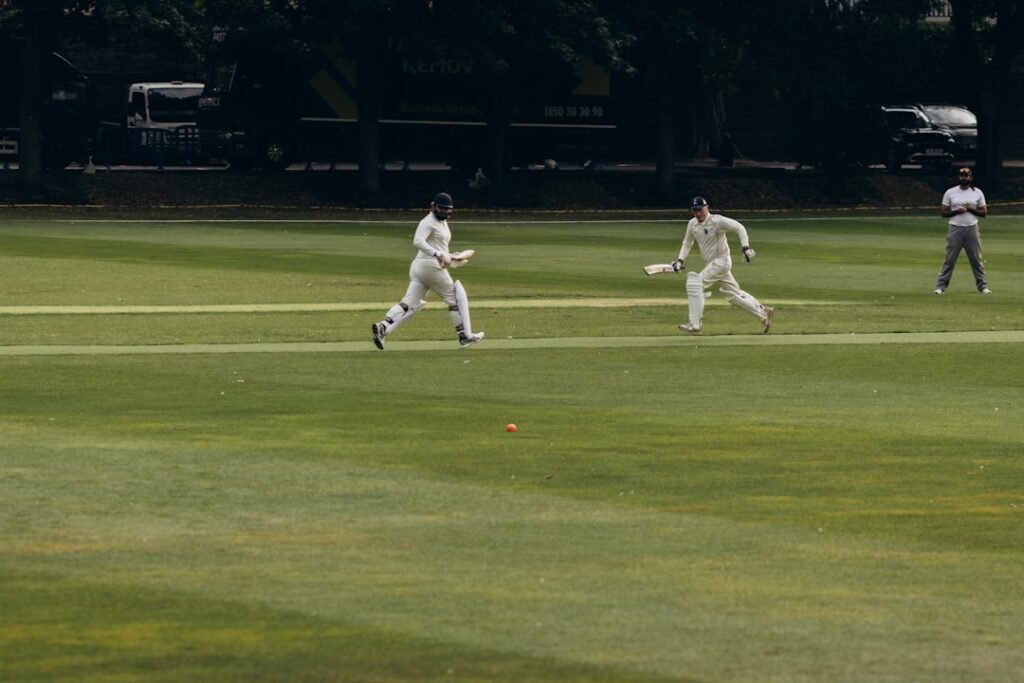
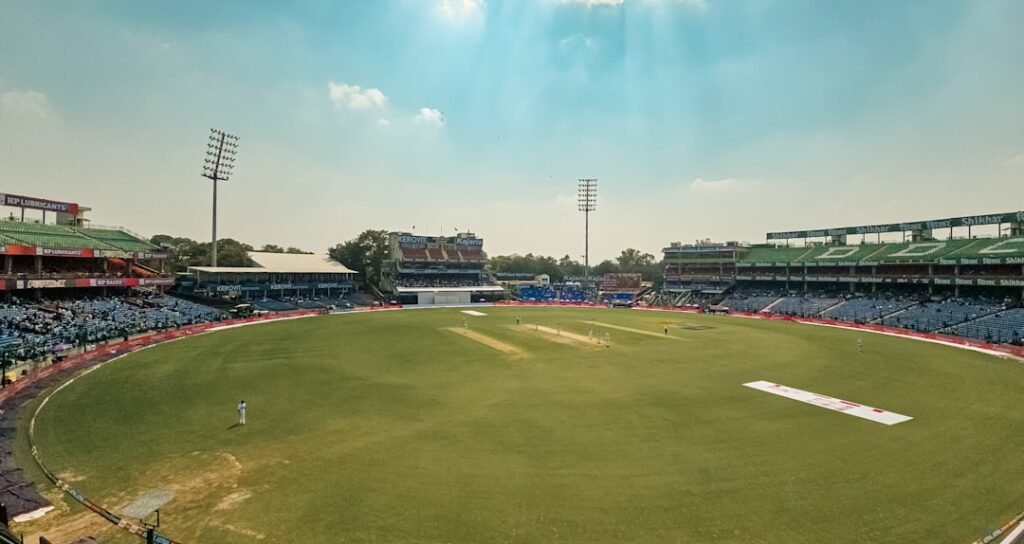
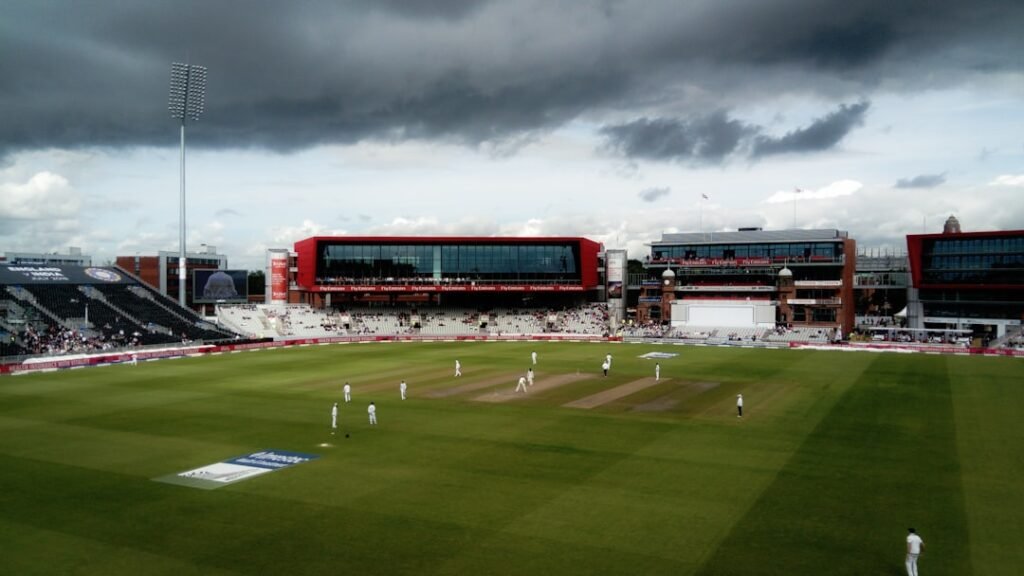
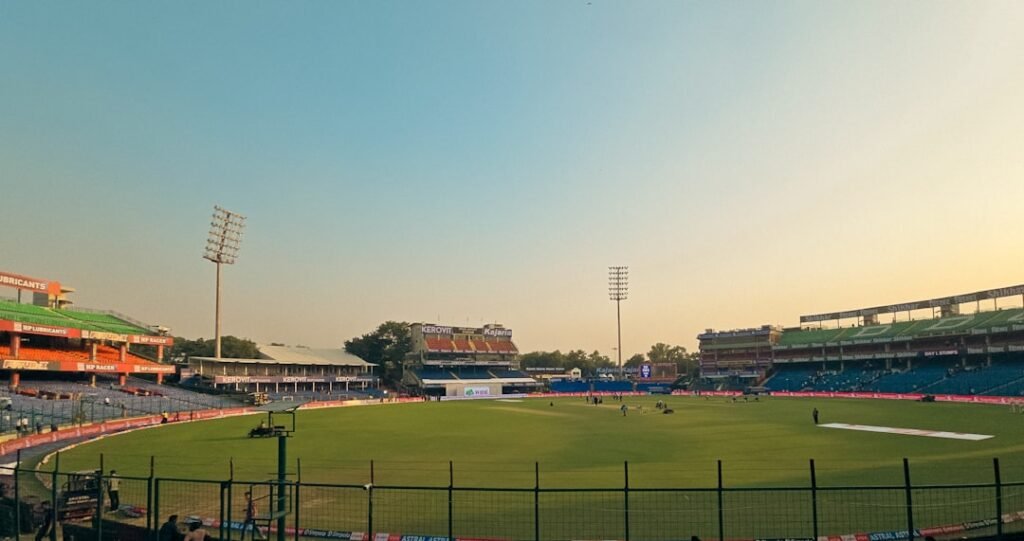
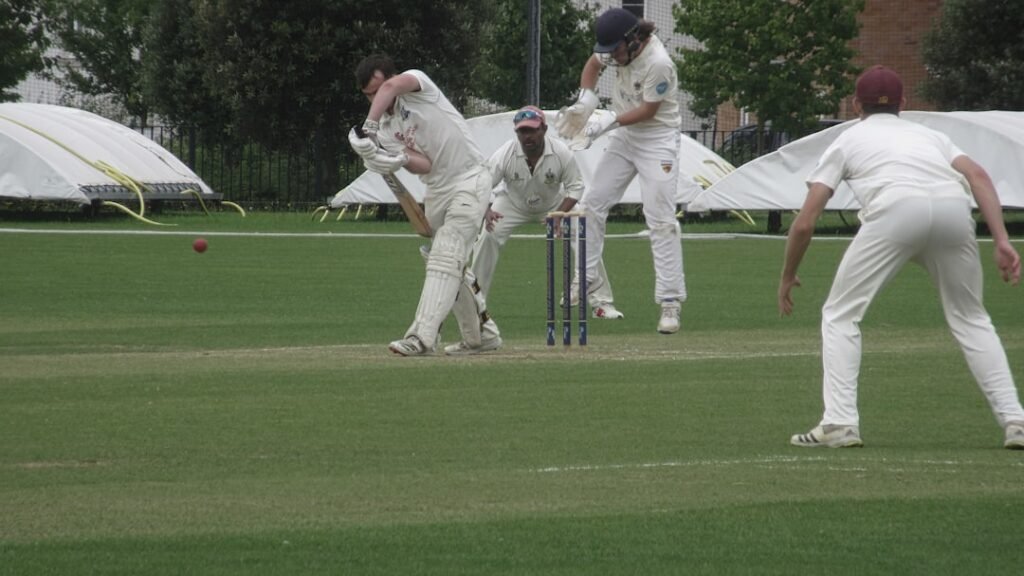
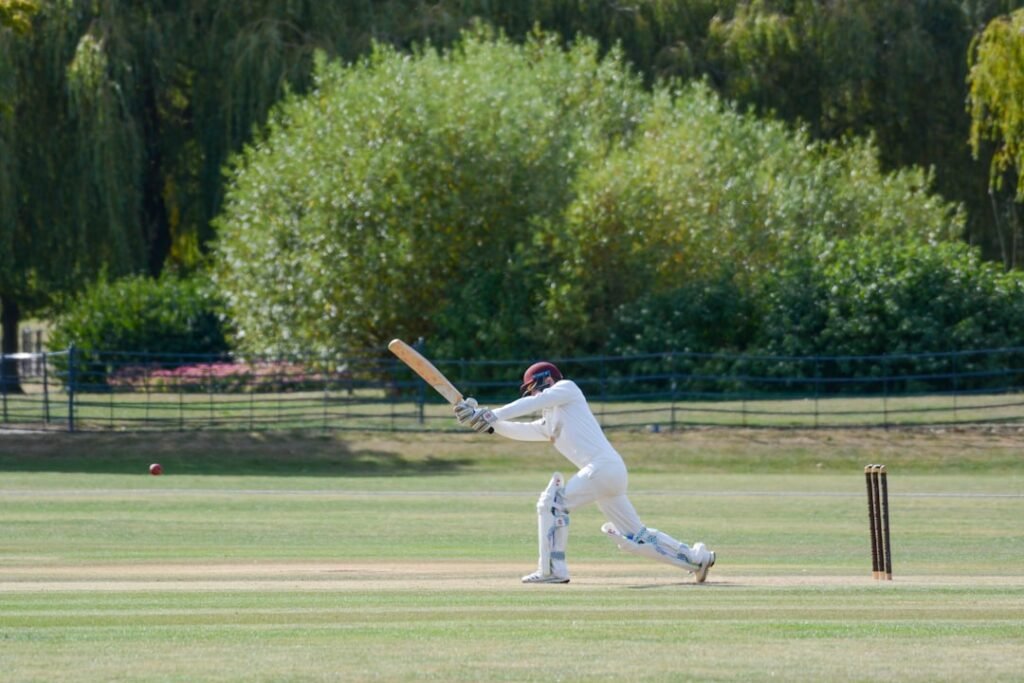
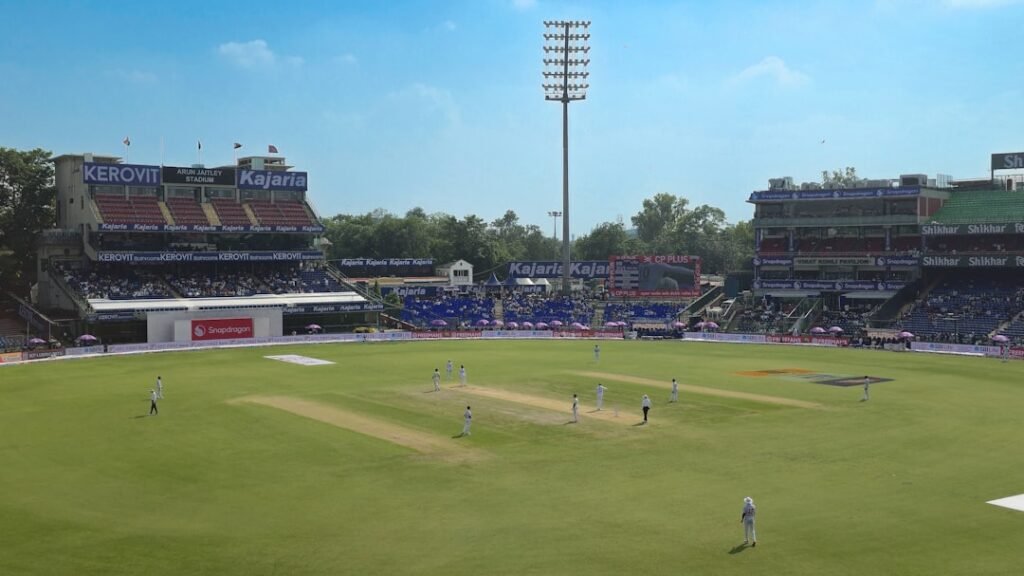
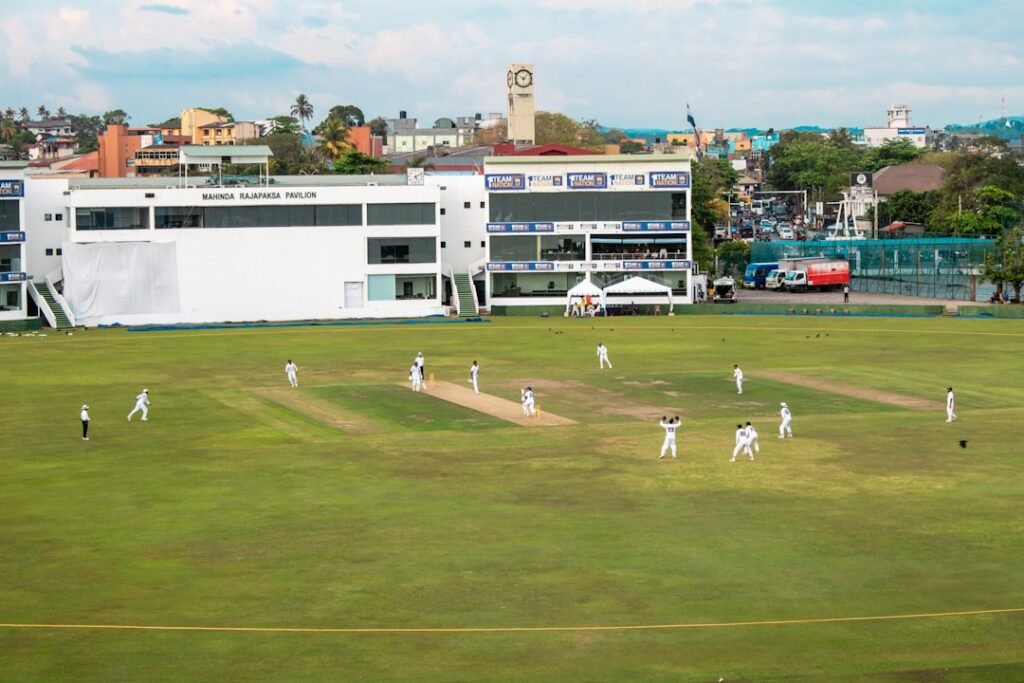
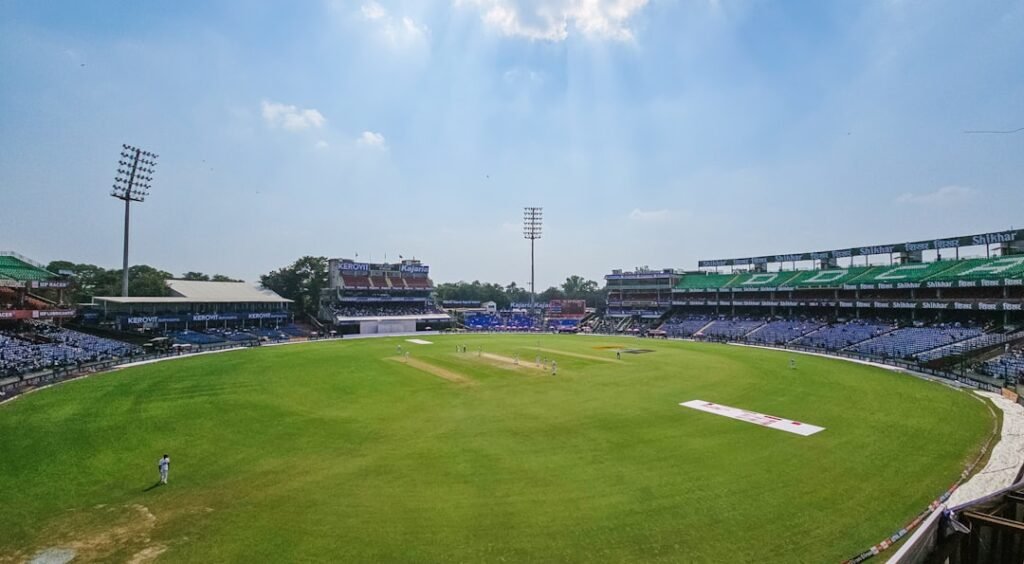
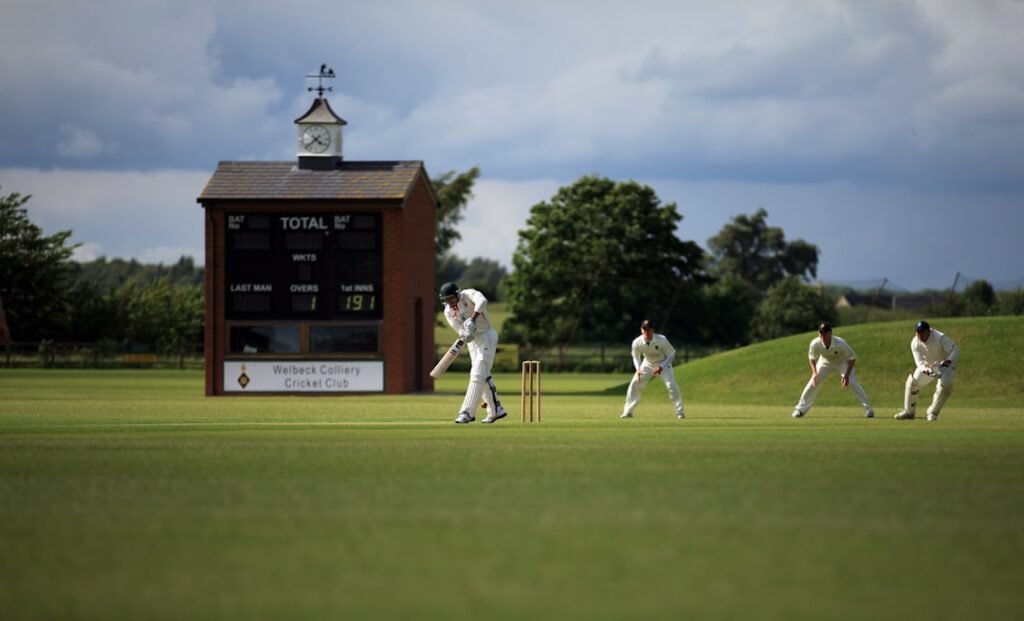
The English climate and pitch conditions are less conducive to spin bowling. Spin-friendly surfaces are rare, and this impacts the development of young bowlers. Harmer articulates that current pitches often do not provide the turn and bounce required to nurture world-class spin talent.
- Pitch type: English pitches are typically flat and favor seamers.
- Weather conditions: The damp weather does not help spinners thrive.
- Coaching focus: There is a stronger emphasis on pace bowling in training programs.
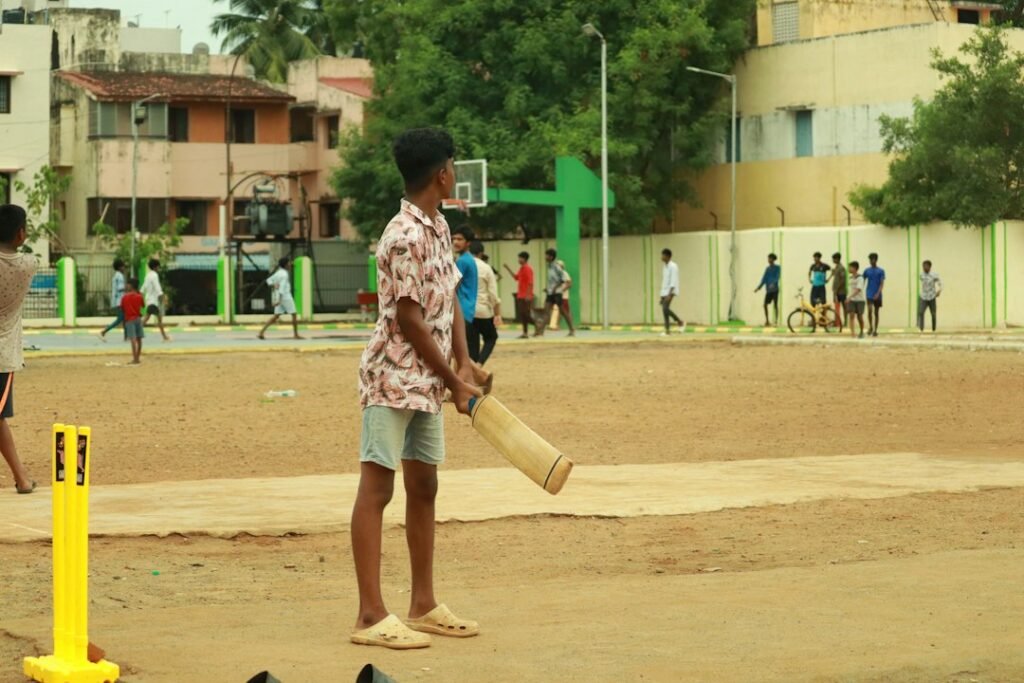
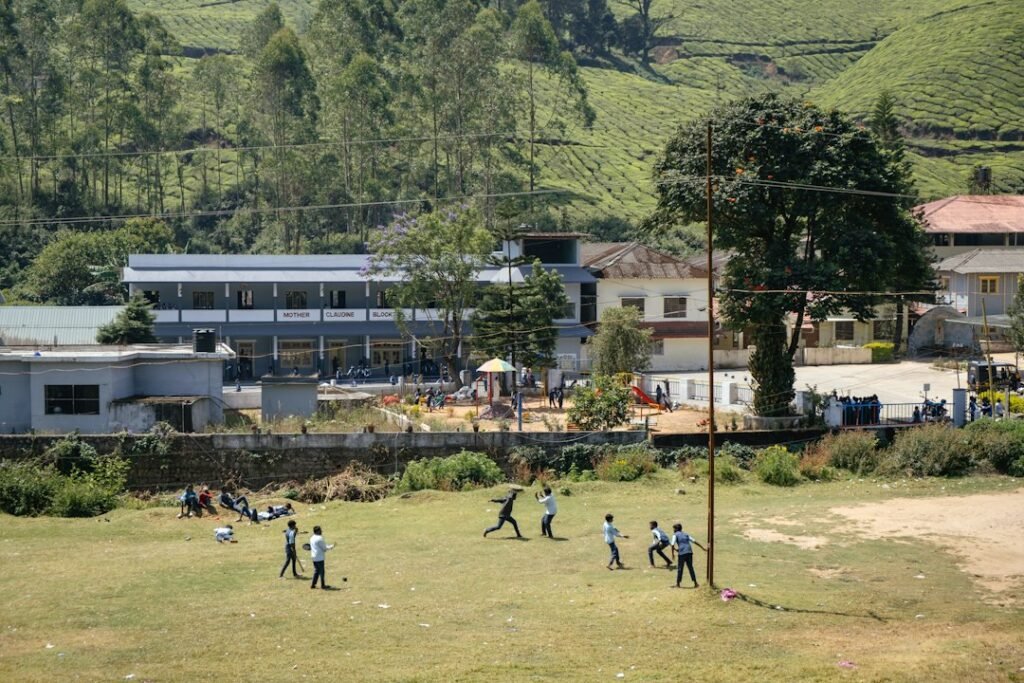
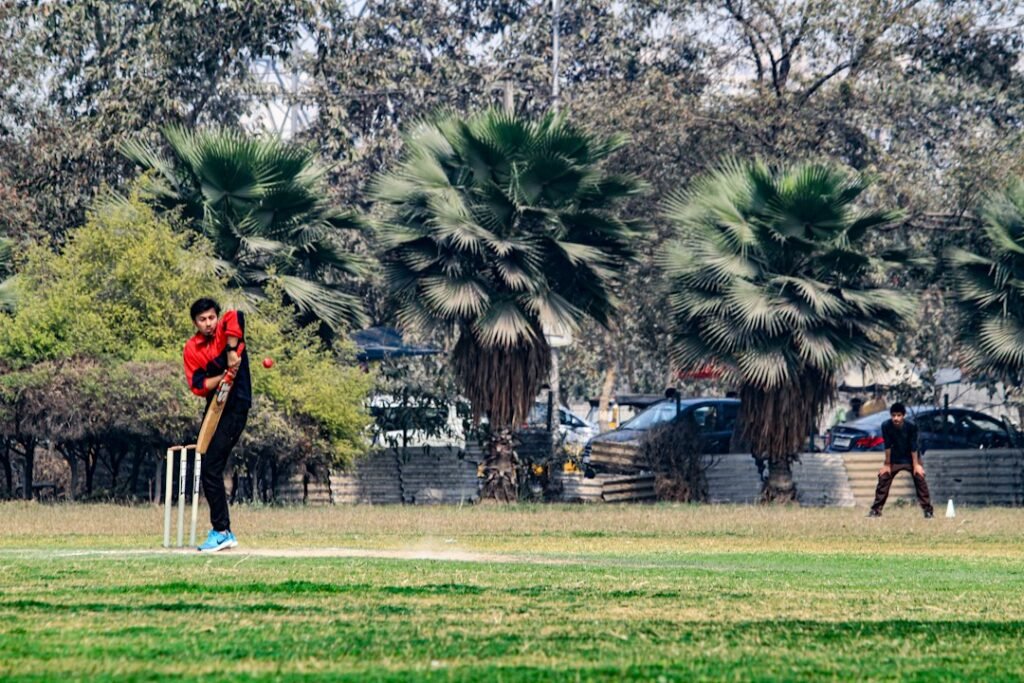
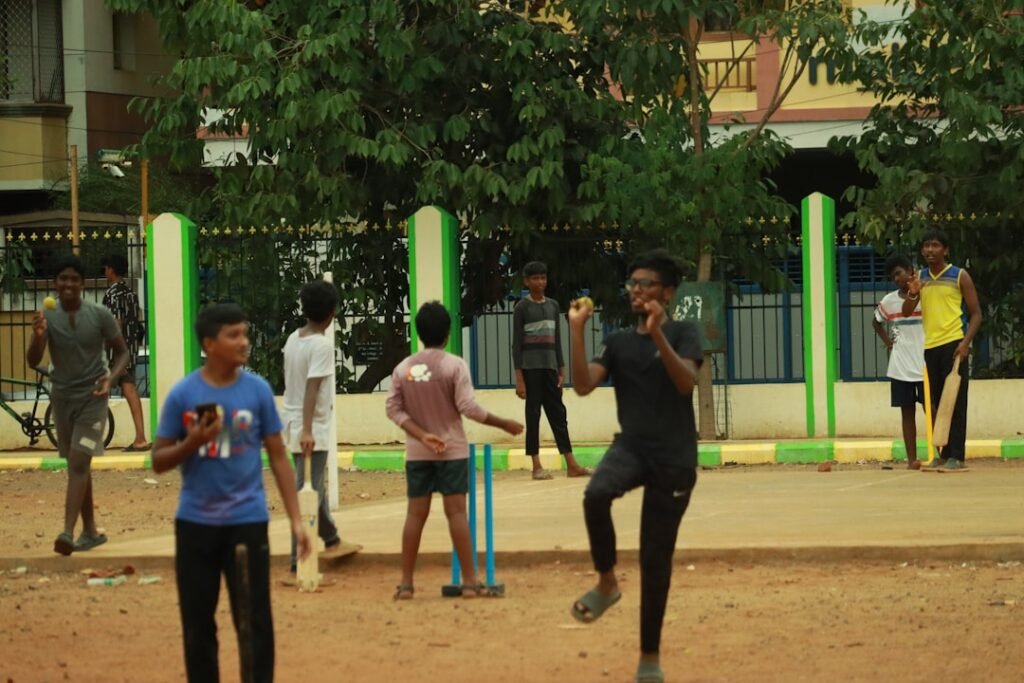
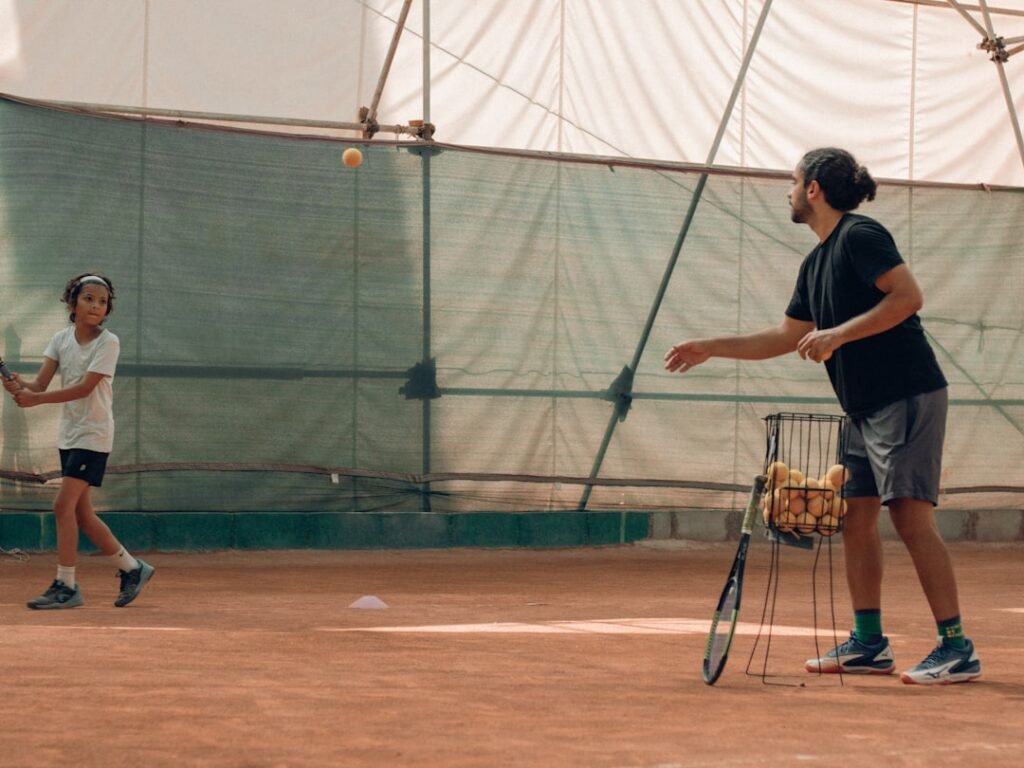
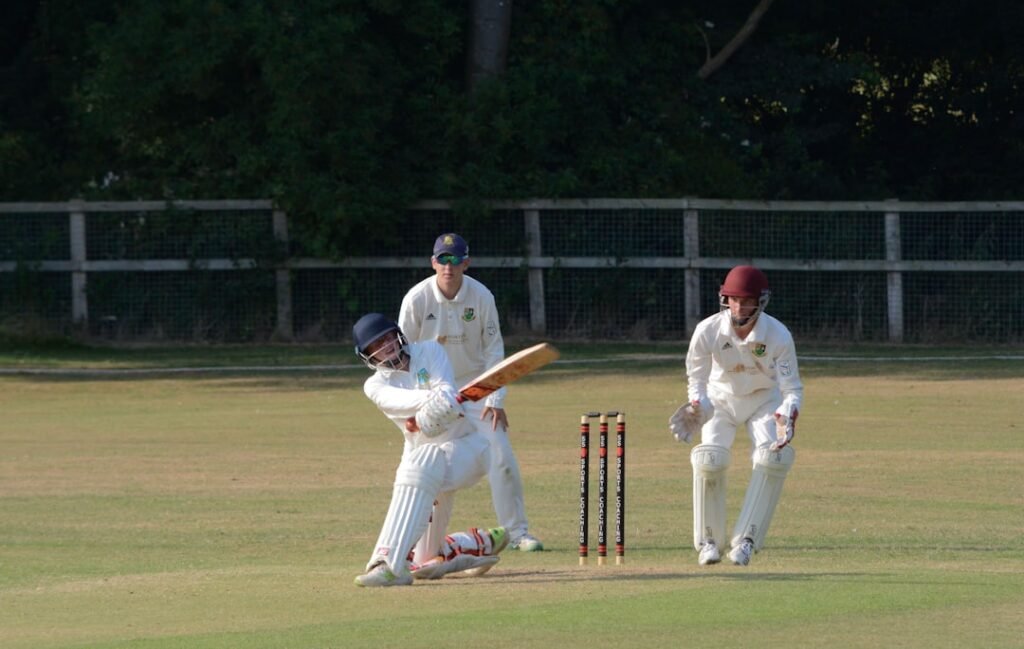
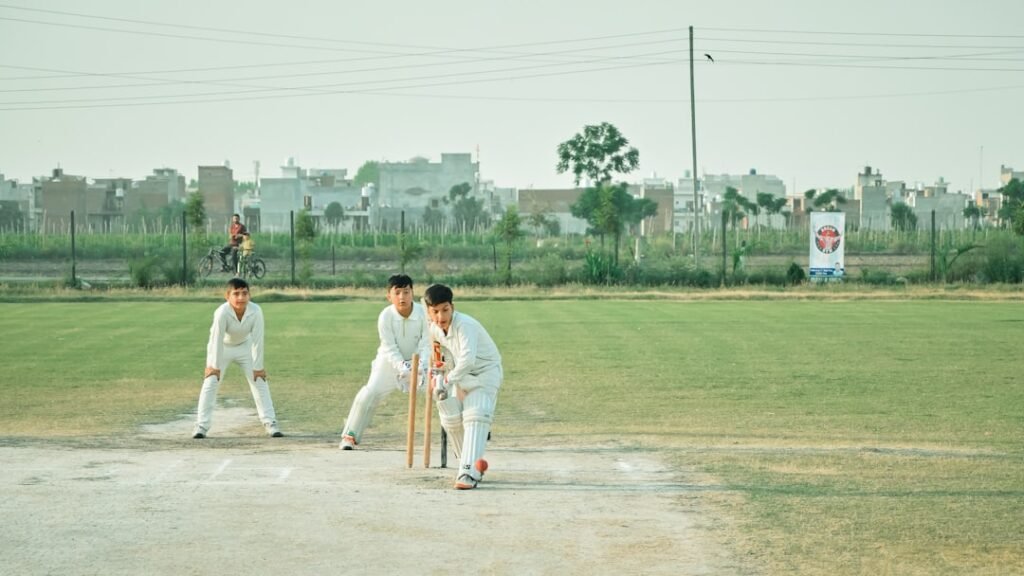
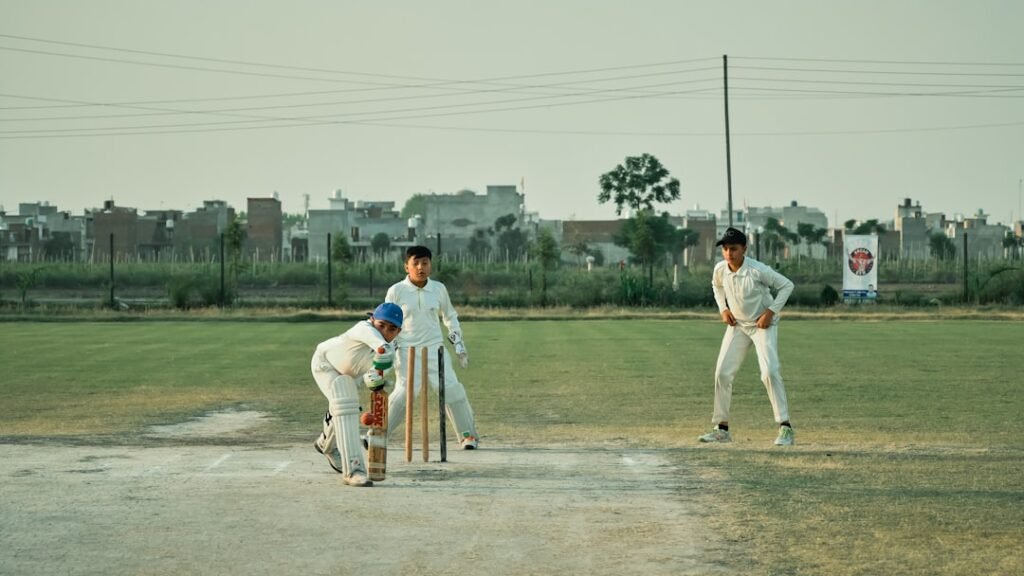
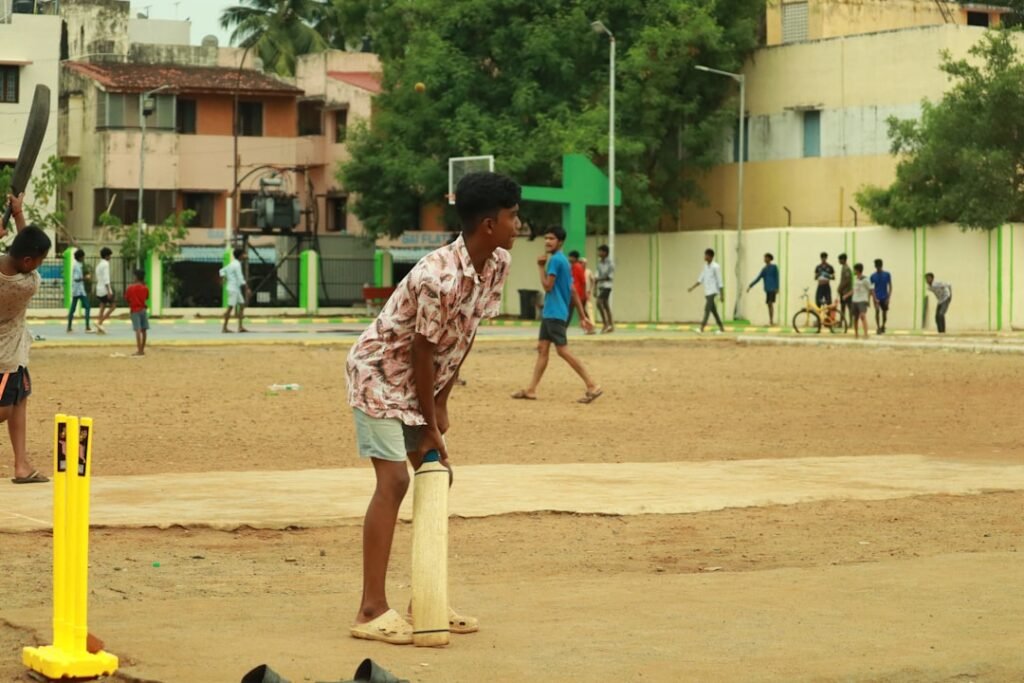
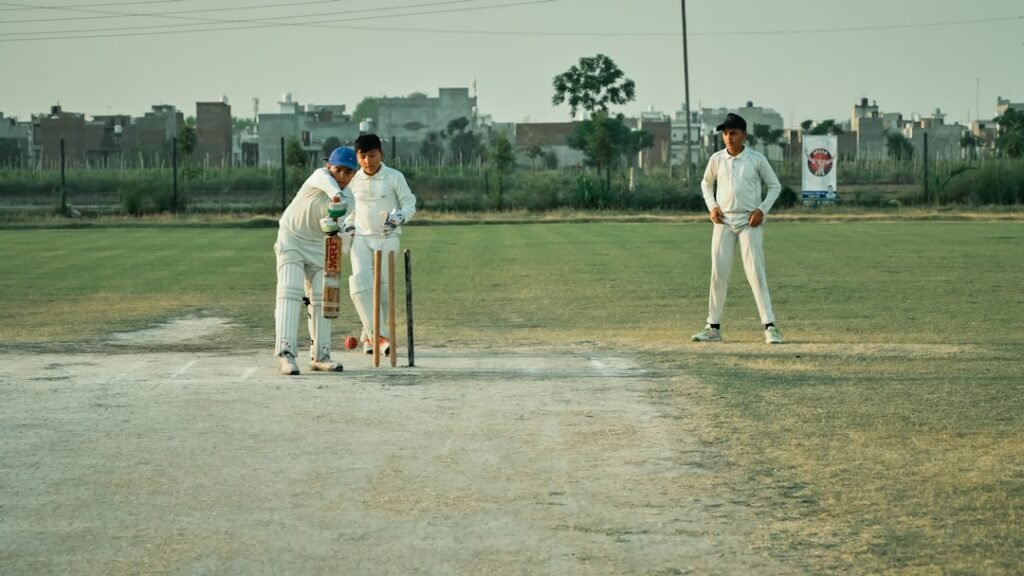
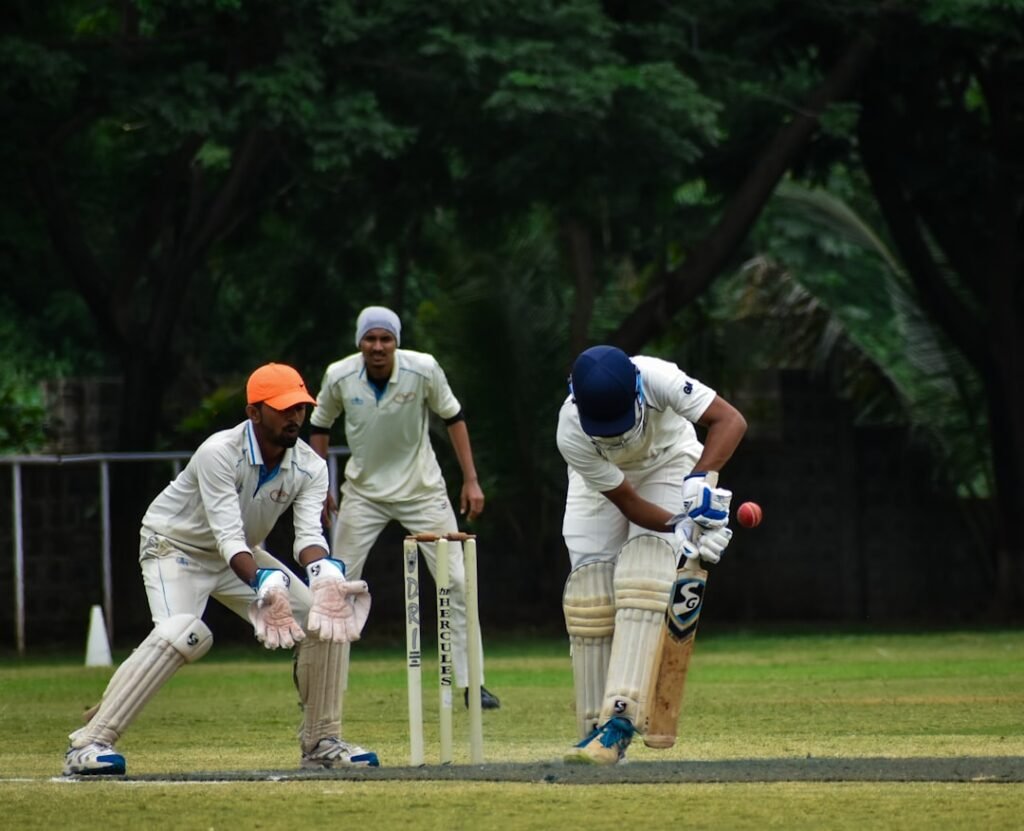
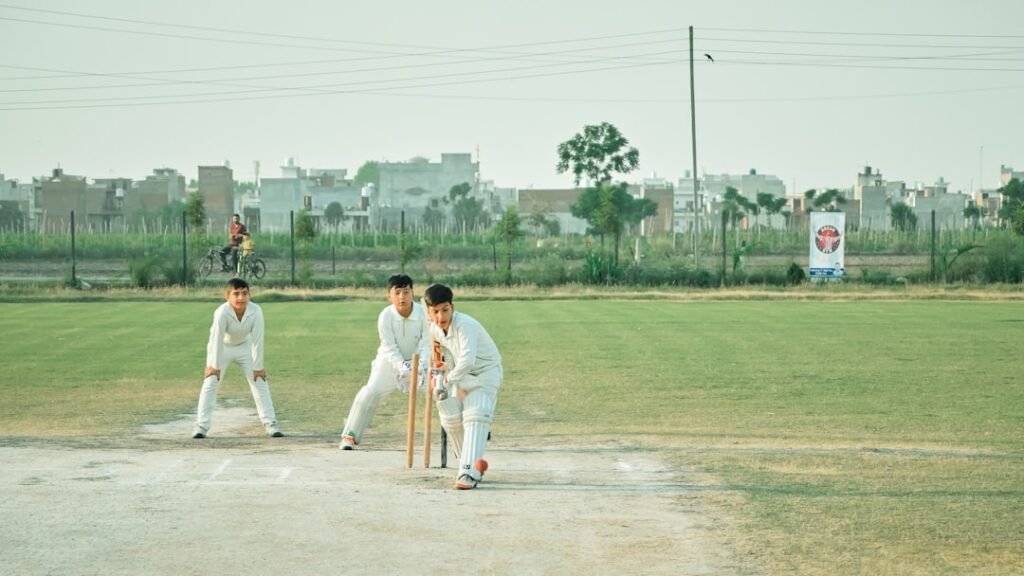
Moreover, Harmer points out that the youth system in England has not prioritized teaching spin bowling techniques. Coaches often push young players towards fast bowling because it is seen as more rewarding and easier to practice on local pitches.
The Need for a Cultural Shift in Coaching
This raises the question of how England can adapt its coaching strategies to foster a new generation of spin bowlers. Harmer believes that there should be a cultural shift in cricket coaching to emphasize the importance of spin bowling.
Incorporating Spin in Training Programs
To cultivate future spin bowlers, Harmer suggests:
- Integrating spin bowling techniques into early coaching programs.
- Encouraging players to practice on different pitch types.
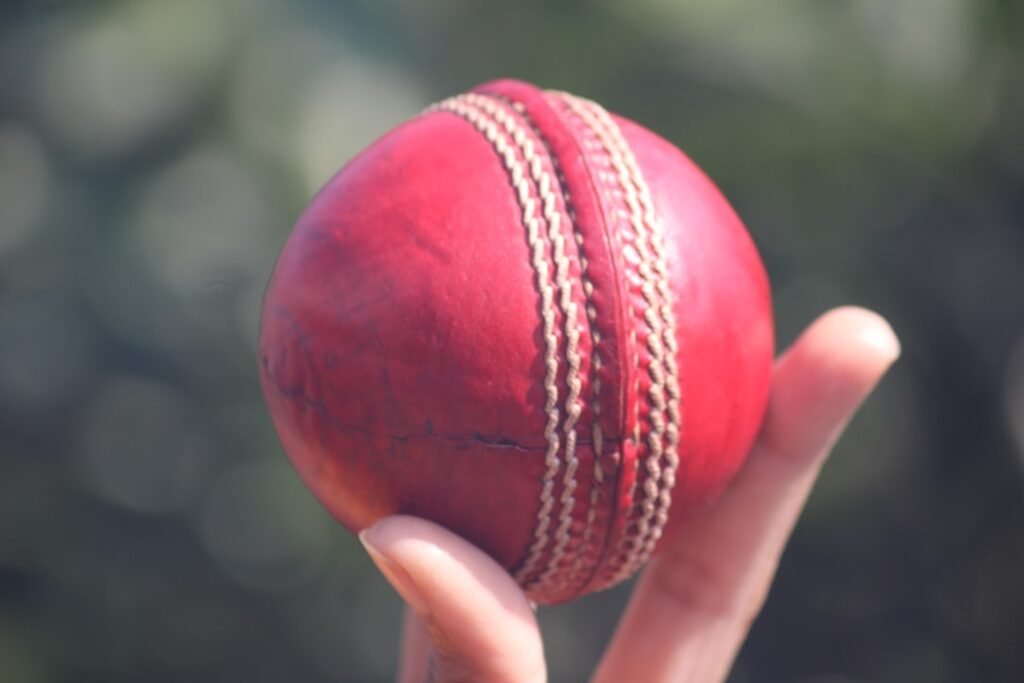
- Providing resources for aspiring spinners to learn the art of spin bowling.
These changes are essential to ensure that young cricketers develop a comprehensive skill set that includes spin bowling. The national team benefits significantly from having a diverse bowling attack, especially in crucial matches.
Global Trends in Spin Bowling
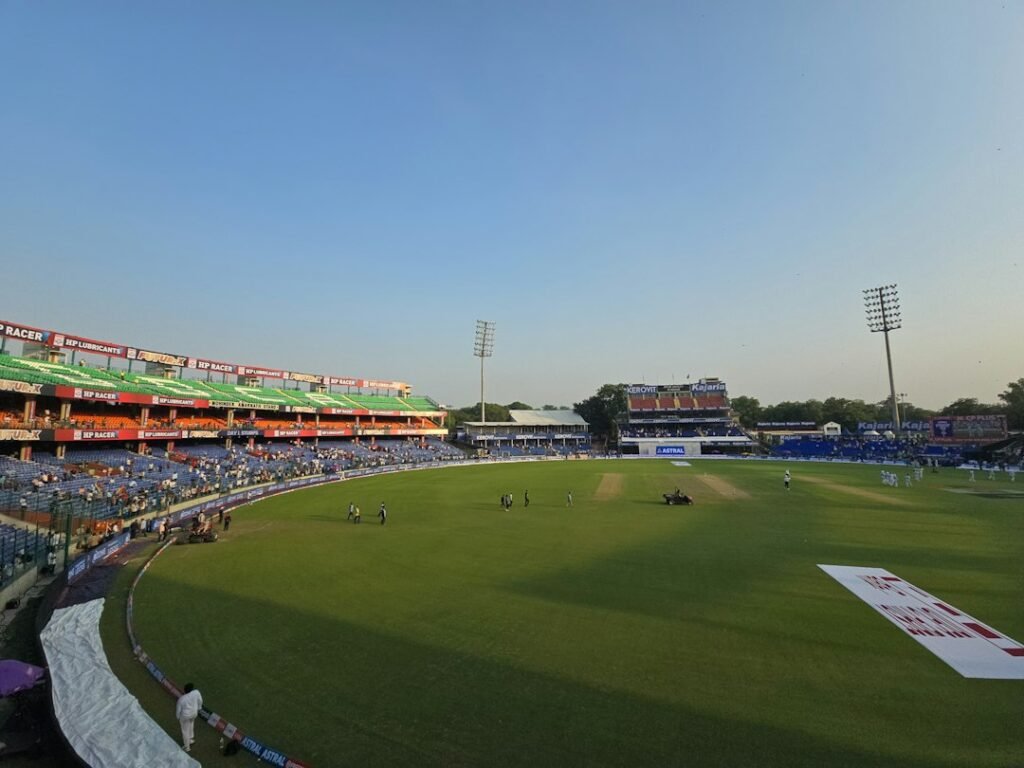
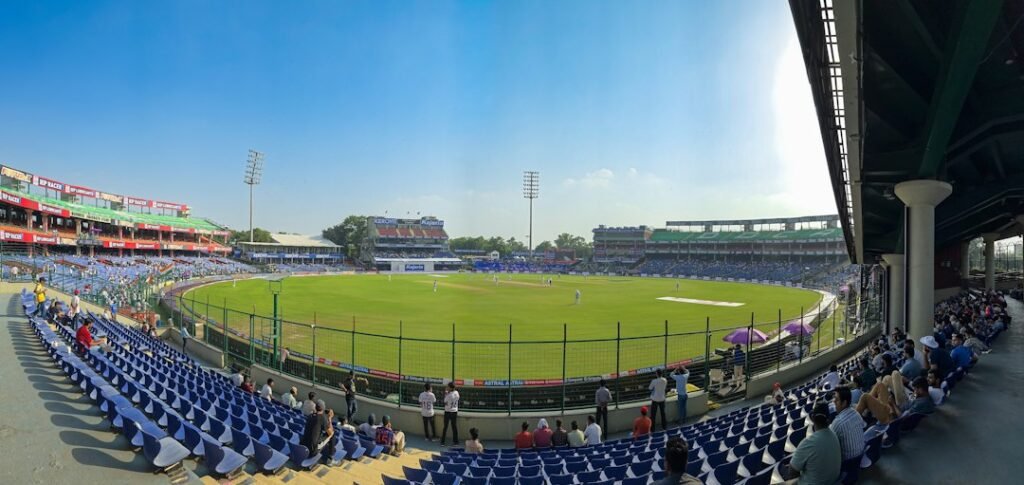
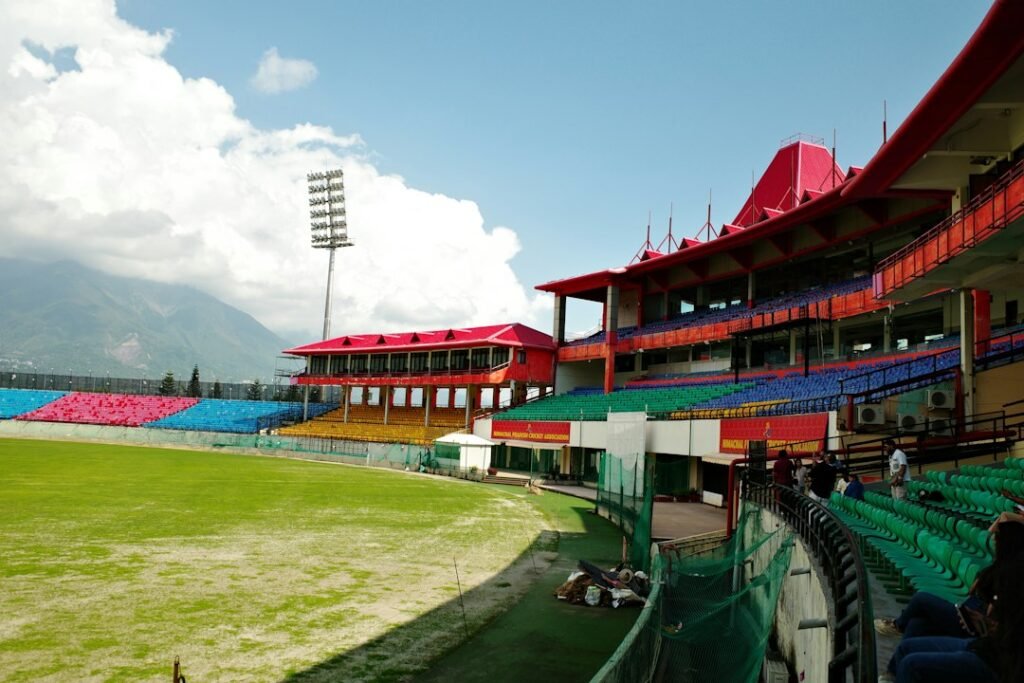
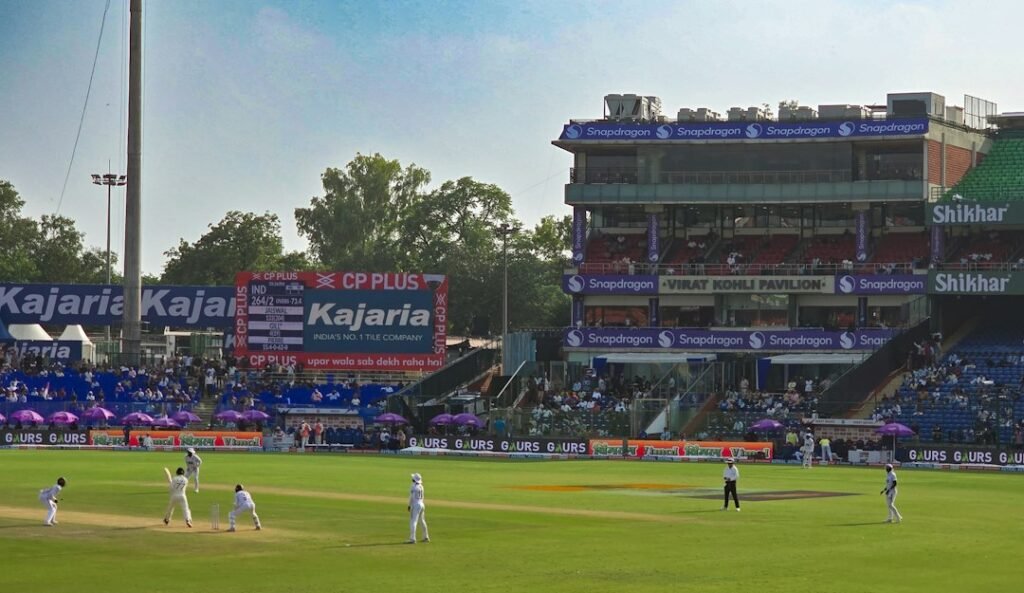
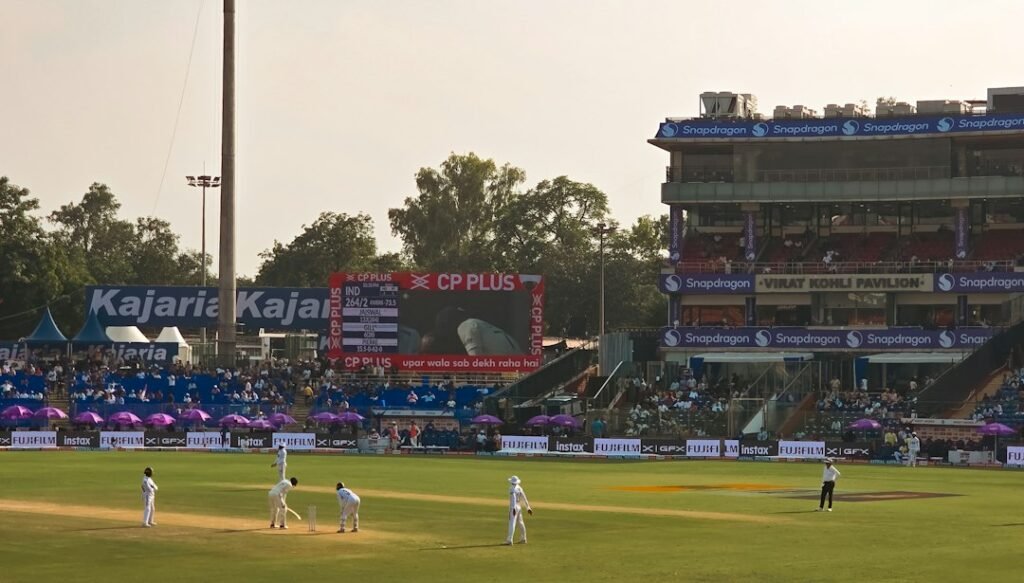
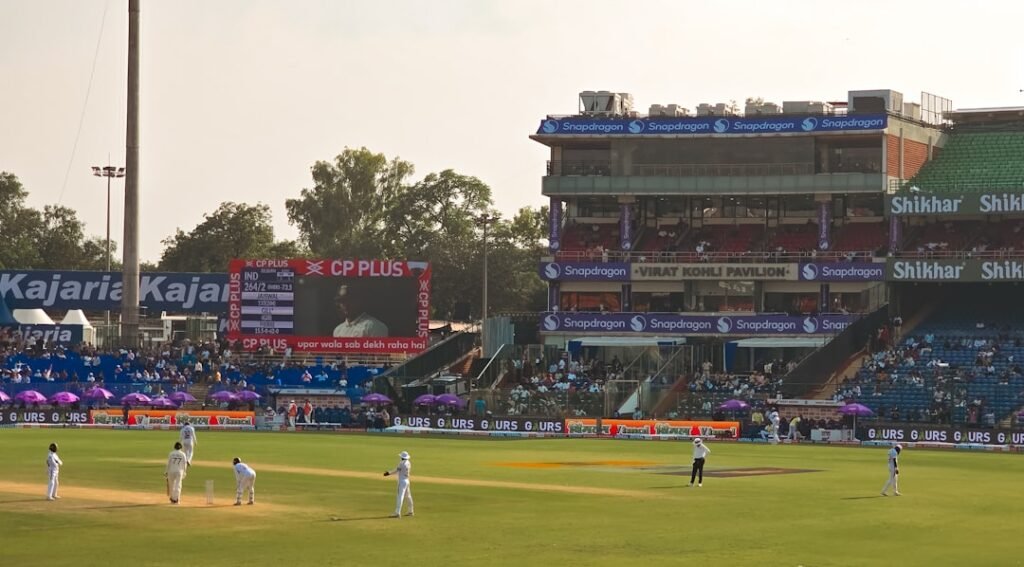
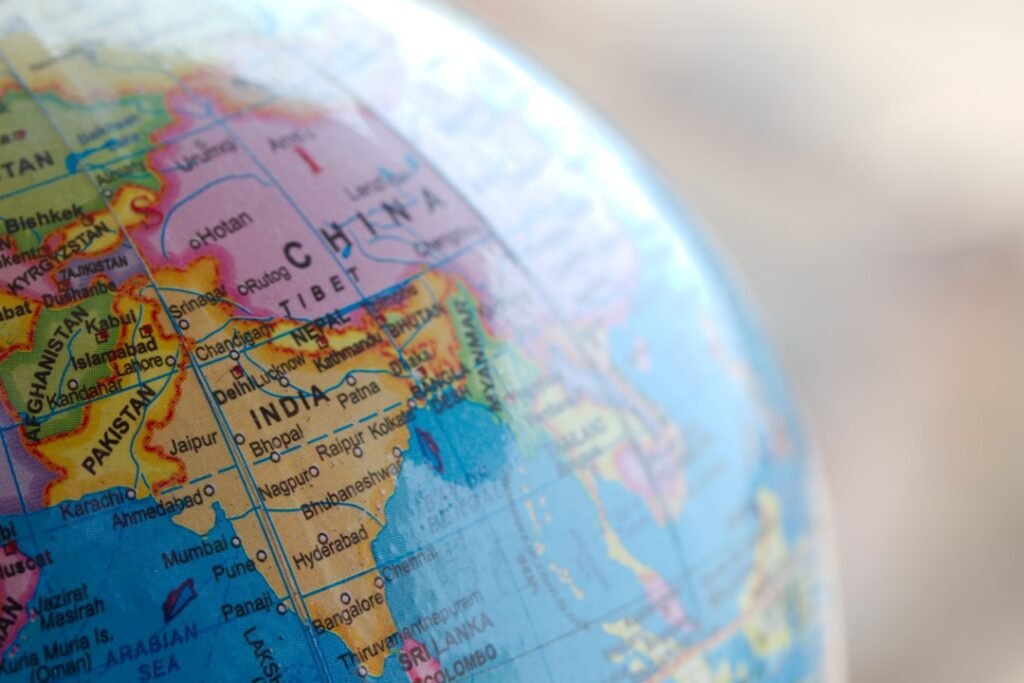
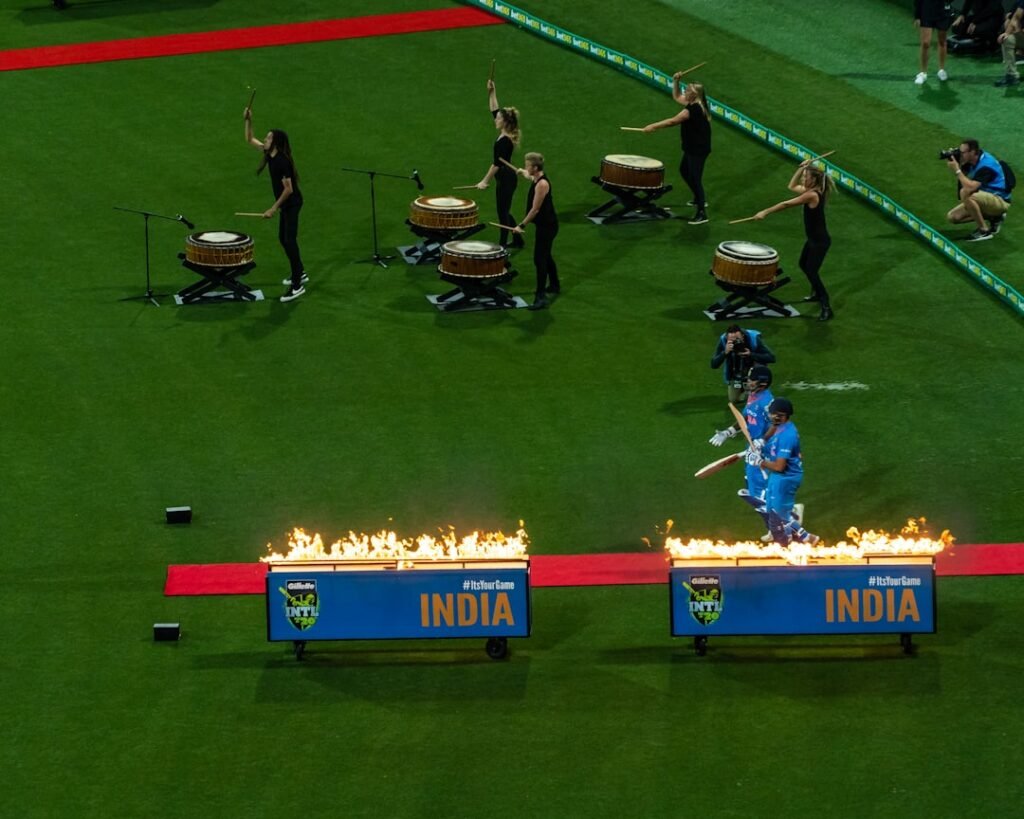
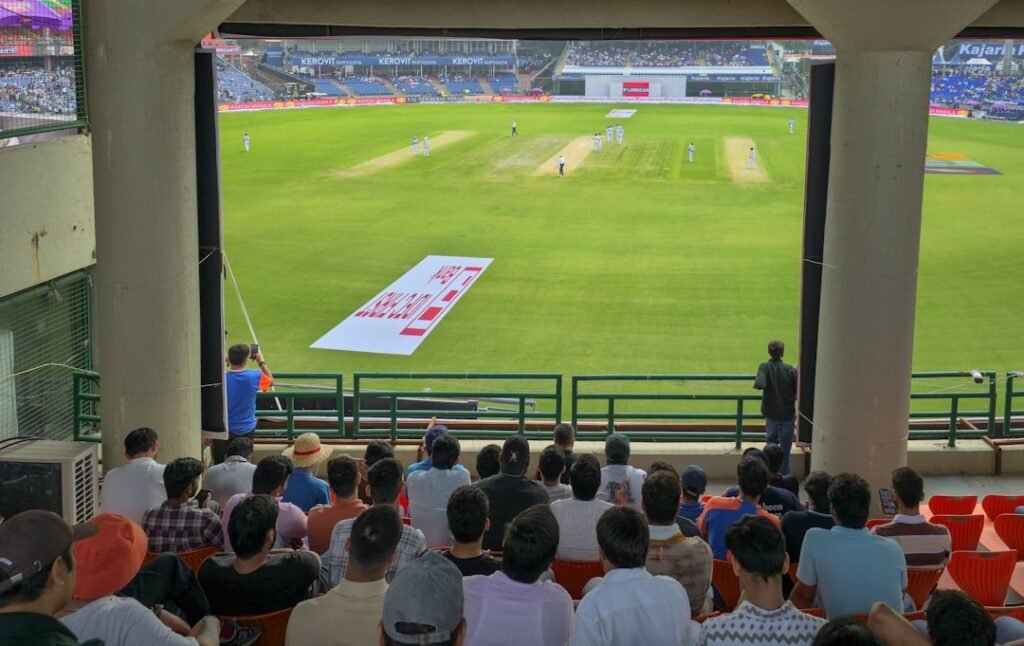
Harmer’s discussion reflects a larger global trend in cricket. Countries like India and Australia have successfully developed world-class spin bowlers by creating conducive environments and investing in specialized coaching. England can learn from these examples to improve its spin bowling prospects.
Comparative Analysis with Other Cricket Nations
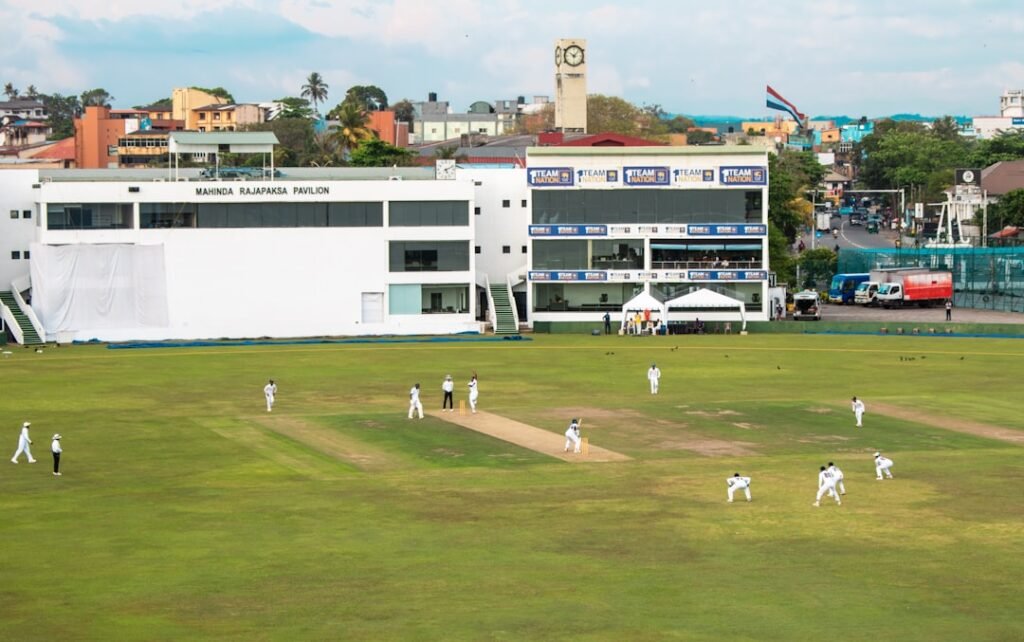
When comparing the spin bowling talent from various countries, it becomes clear that England has room for improvement:
- India: Produces top-tier spinners like Ravichandran Ashwin.
- Australia: Continues to develop effective spinners like Nathan Lyon.
- Pakistan: Known for its rich history of spin bowling talent.
These nations have invested in nurturing spin talent from a young age, emphasizing the need for England to follow suit.
Conclusion: The Future of Spin Bowling in England
In conclusion, Simon Harmer’s insights into the lack of world-class spin bowlers in England reveal significant challenges and opportunities. The need for improved pitch conditions, a cultural shift in coaching, and a focus on youth training programs are crucial steps in enhancing spin bowling in England. If these changes are implemented, the future of English cricket could see a resurgence of world-class spin talents, making the national team more competitive on the global stage.
Source: news source