

































































































































































































































































































































































































































































































































































































































































































































































































































































































































































































































































































































































































































































































































































































































































































































































































































































































































































































































































































































































































































































































































































































































































































































































































































































































































































































































































































































































































































































































































































































































































































































































































































































































































































































































































































































































































































































































































































































Canada’s Military Adopts Palantir Software Amid Concerns

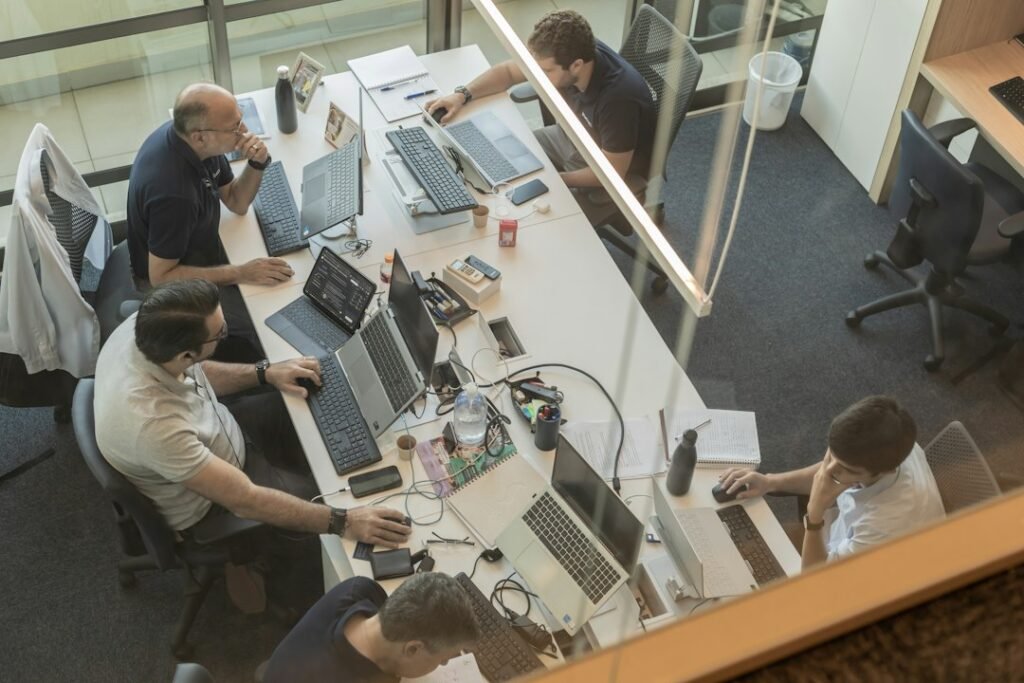
Canada’s military has begun implementing Palantir Technologies’ software to enhance its data analysis capabilities. This decision, announced on Monday, raises concerns regarding data privacy and operational risks within national defense operations. The Canadian Armed Forces aim to improve intelligence gathering and decision-making through the advanced analytics platform.
Defense Minister Anita Anand emphasized the importance of modernizing military technology. “The integration of Palantir software will allow our forces to better analyze vast amounts of data and ultimately support our mission effectiveness,” she stated during a press briefing.
Critics argue that the use of such technology could lead to potential overreach in surveillance and data misuse. Privacy advocates have expressed worries about the implications of using commercial software in military contexts, particularly regarding civilian data protection.
Palantir, founded in 2003, specializes in data integration and analysis, often used by government agencies and private enterprises. The software is known for its ability to process large datasets, which can aid in strategic military operations but may also pose risks if not managed properly.
The Canadian Armed Forces are expected to conduct thorough assessments to mitigate risks associated with data handling and privacy. As military operations increasingly rely on technology, the balance between enhanced capabilities and ethical considerations continues to be a critical focus.
The government has committed to transparency and accountability in the use of Palantir software, detailing protocols to safeguard sensitive information. The military plans to provide regular updates on the implementation process and its implications for operational security.
This move aligns with a growing trend among nations to leverage advanced technologies in defense. However, as governments adopt such technologies, they face mounting scrutiny over privacy concerns and the potential for unintended consequences.
Source: news source