


























































































































































































































































































































































































































































































































































































































































































































































































































































































































































































































































































































































































































































































































































































































































































































































































































































































































































































































































































































































































































































































































































































































































































































































































































































































































































































































































































































































































































































































































































































































































































































































































































































































































































































































Taliban Imposes Ban on Cricket Coverage in Kandahar Radio Stations
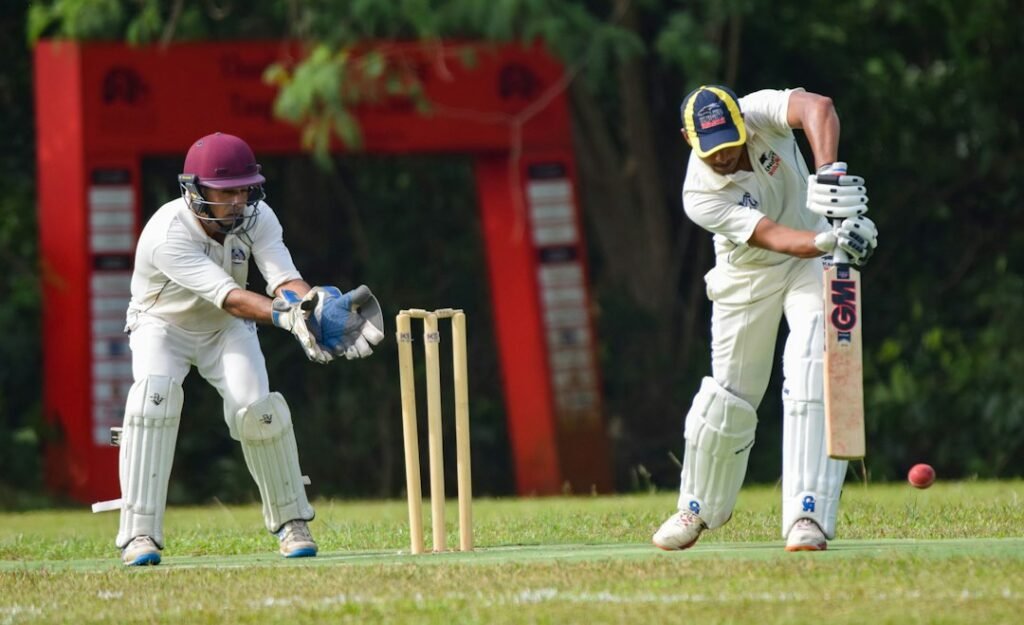
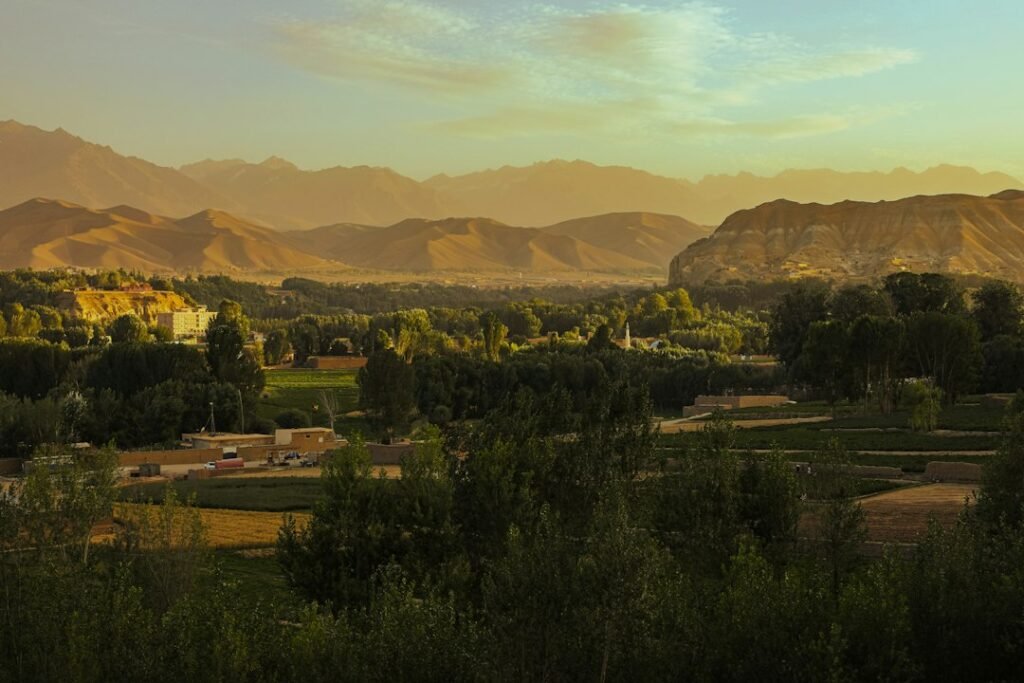
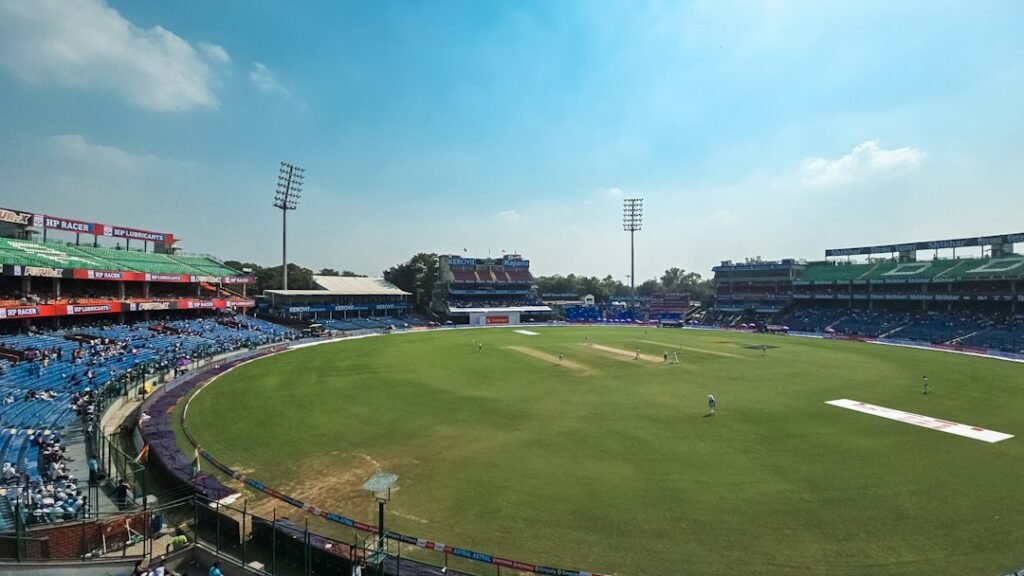
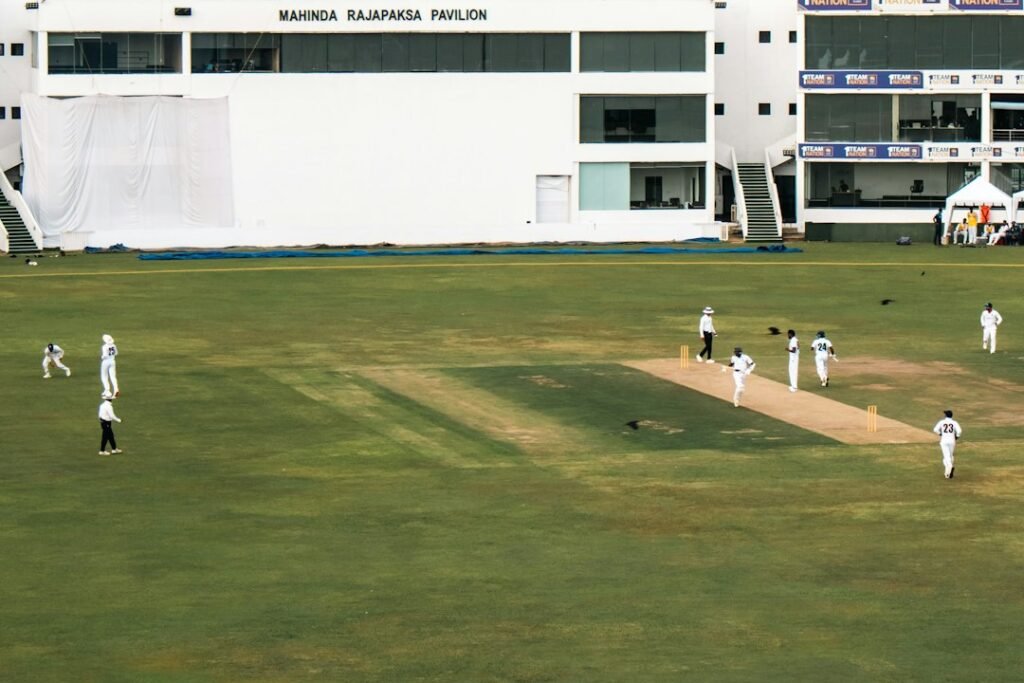
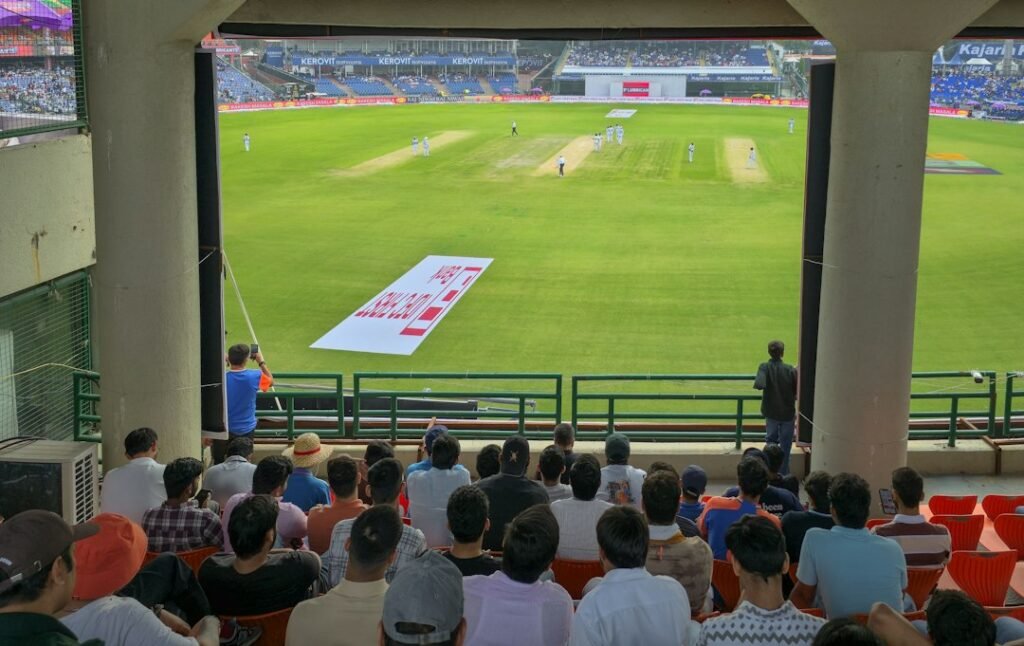
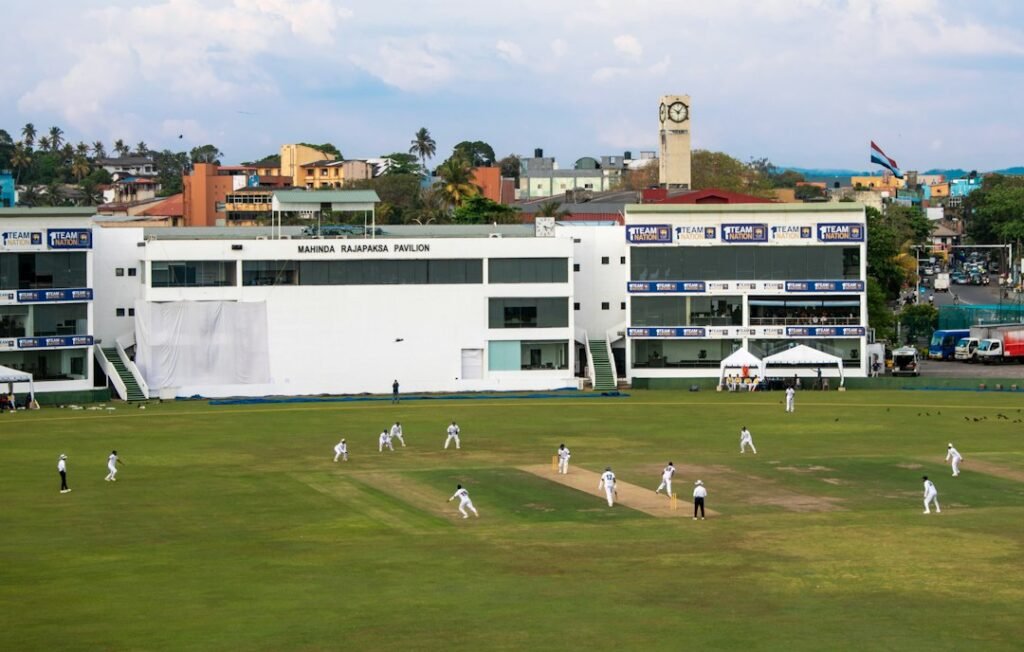
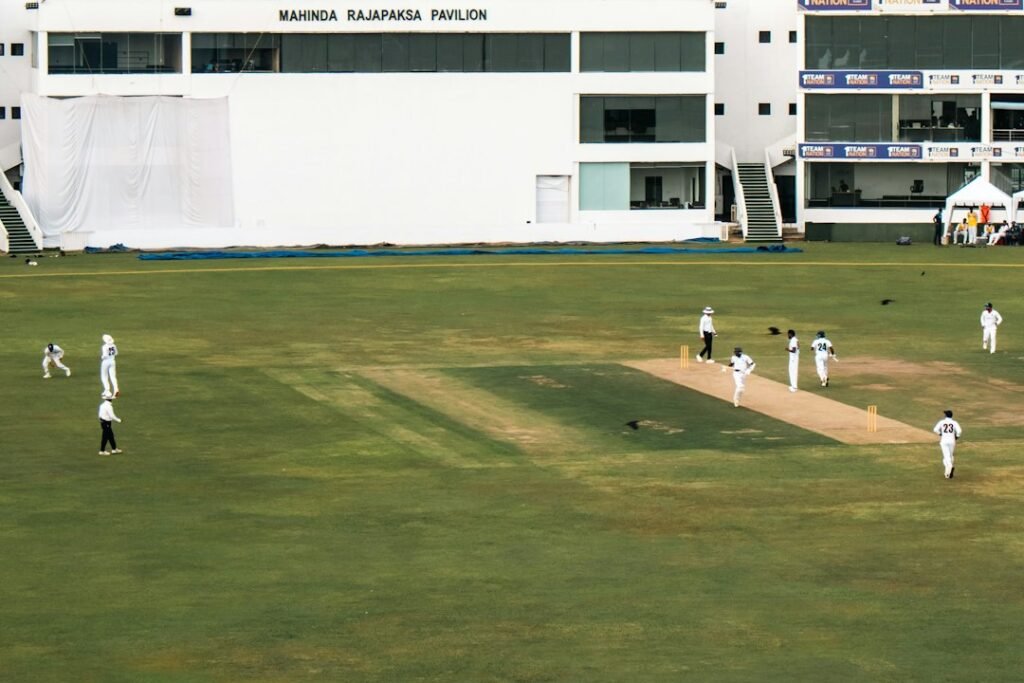
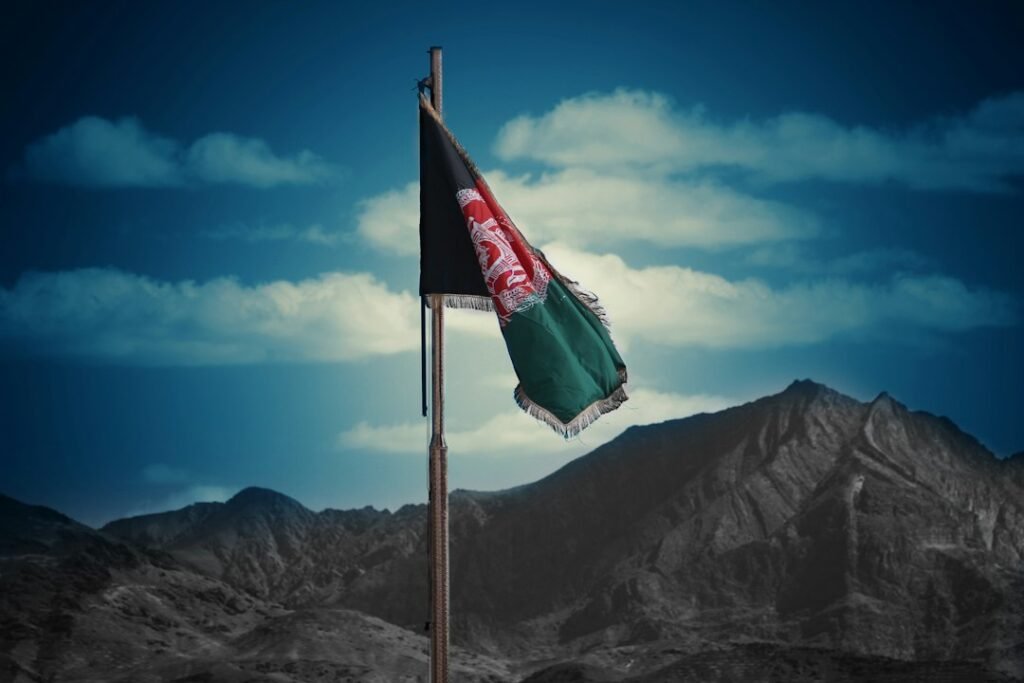
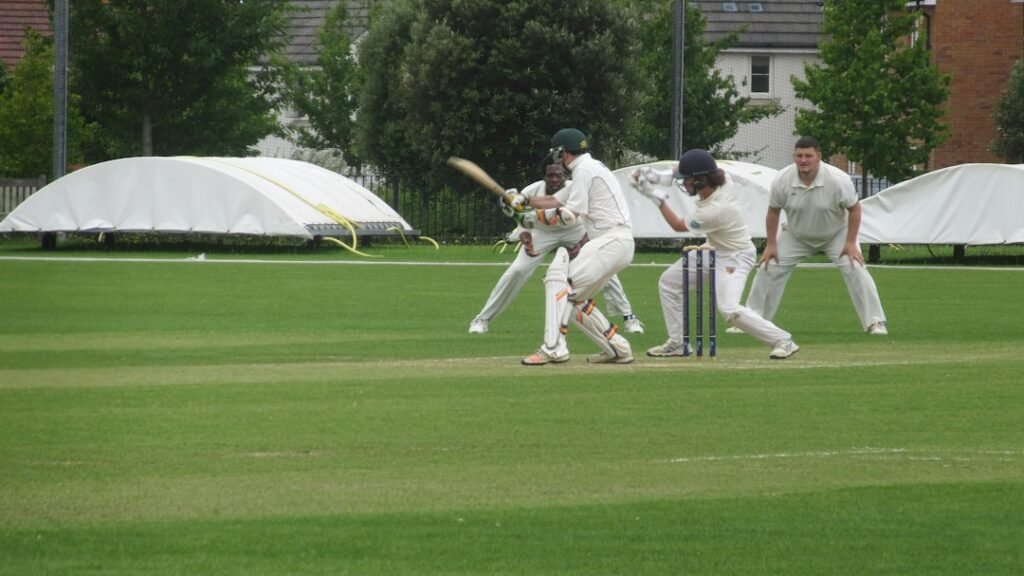
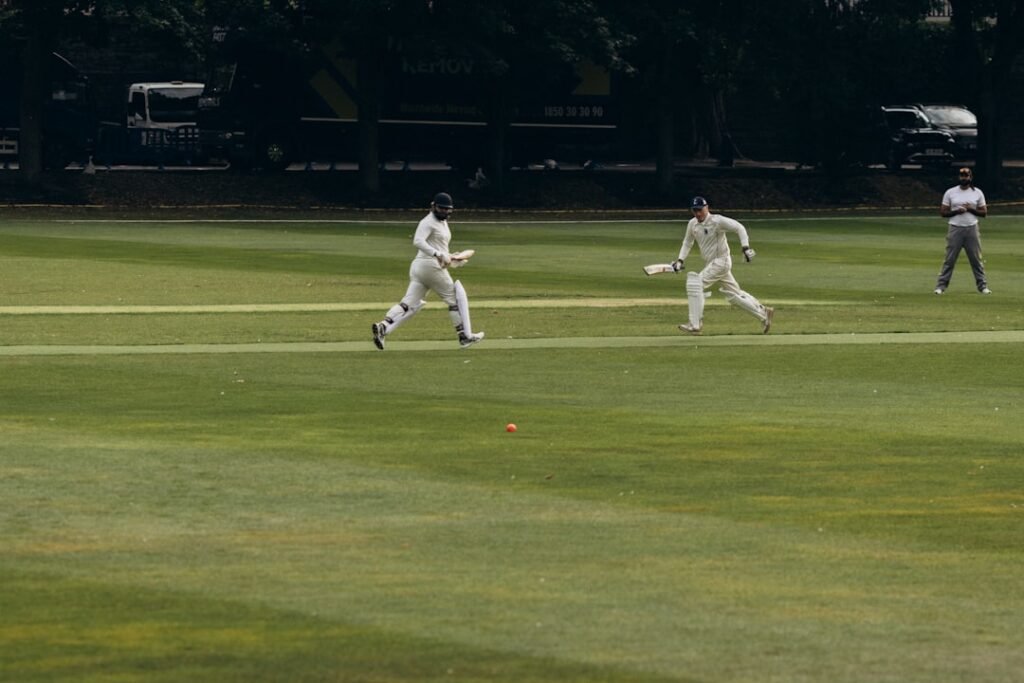
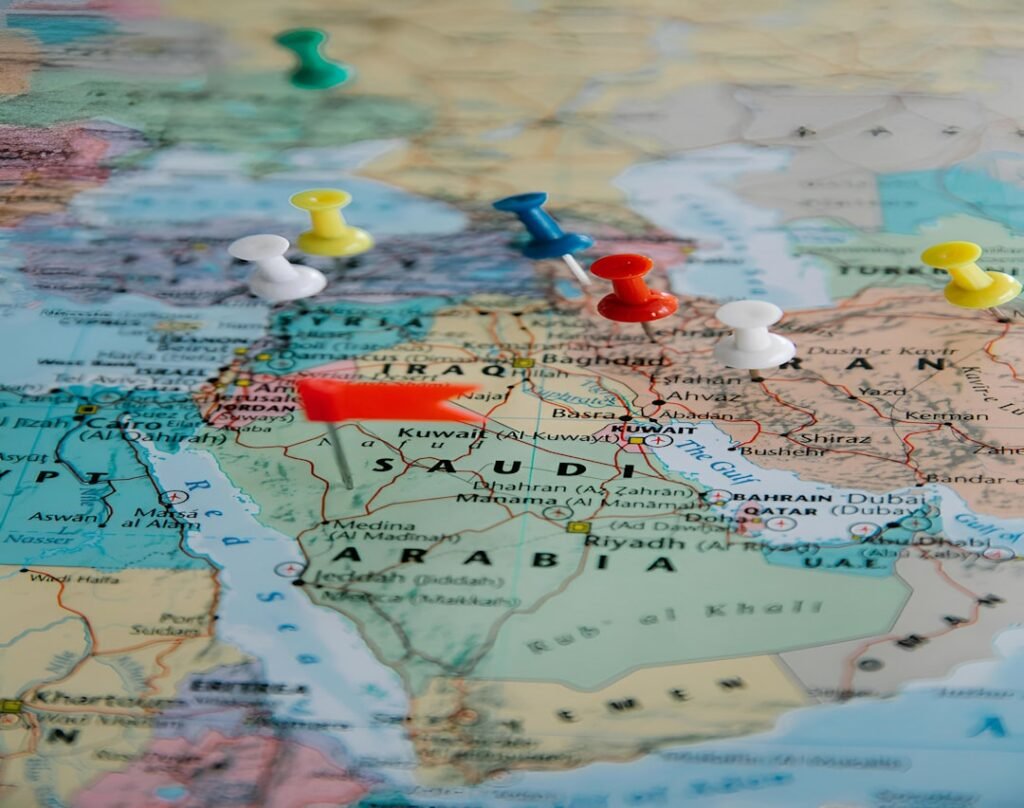
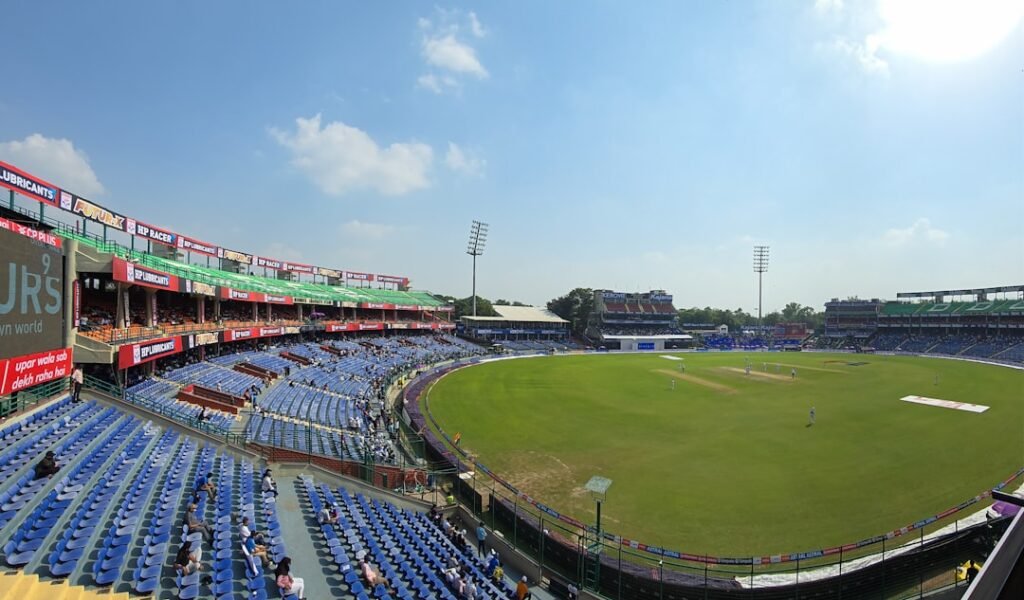
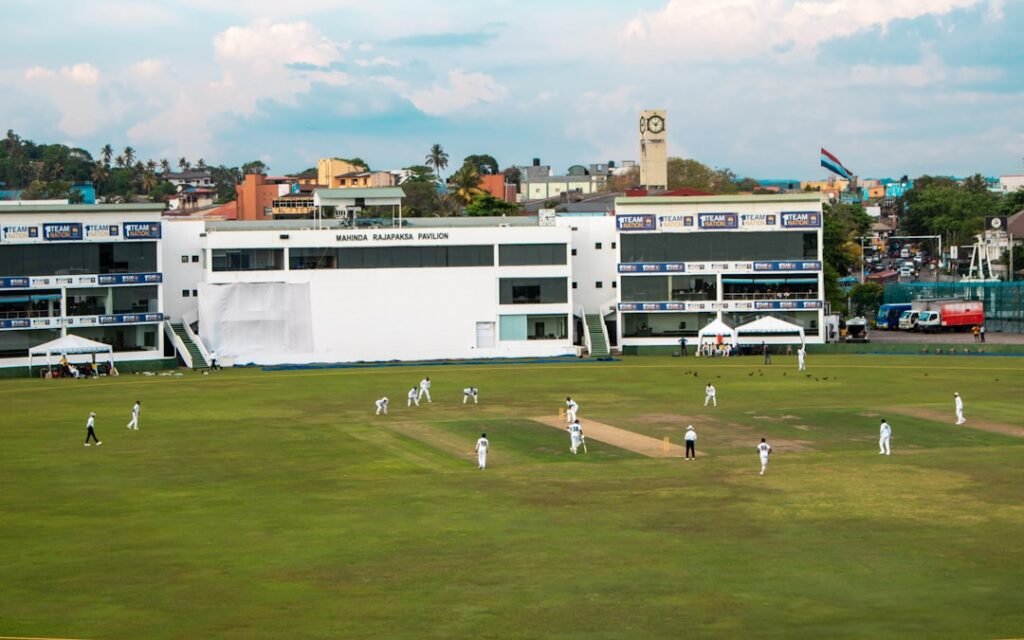
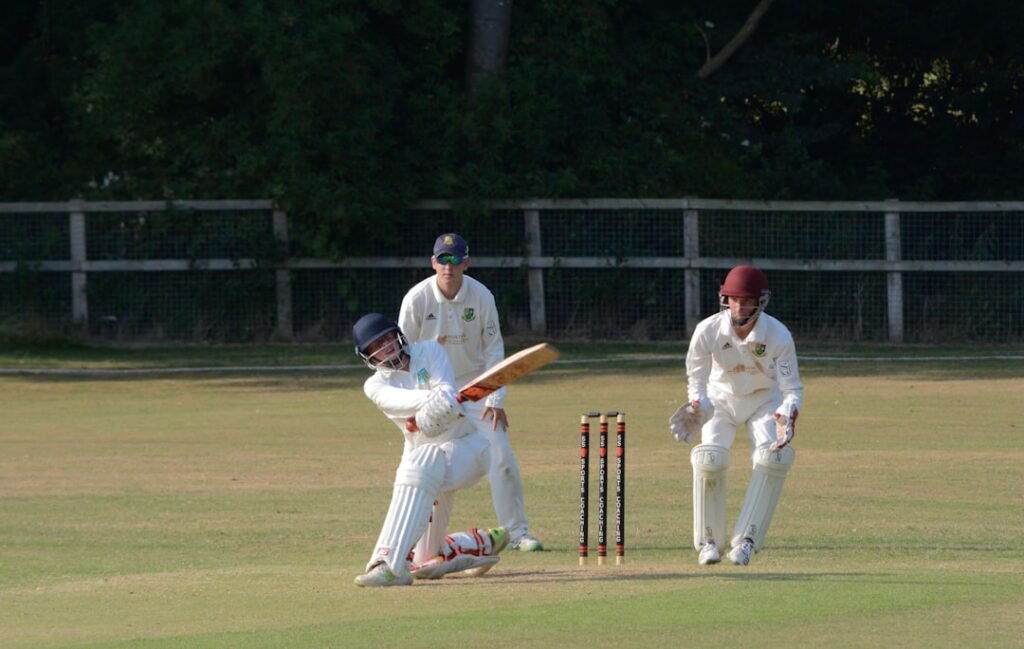
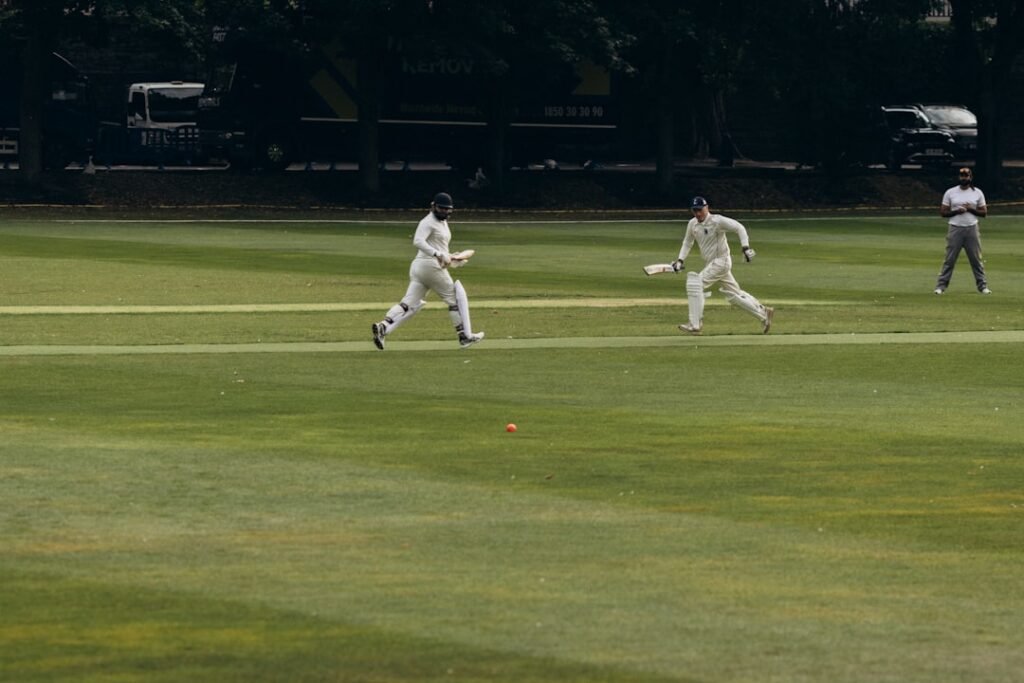
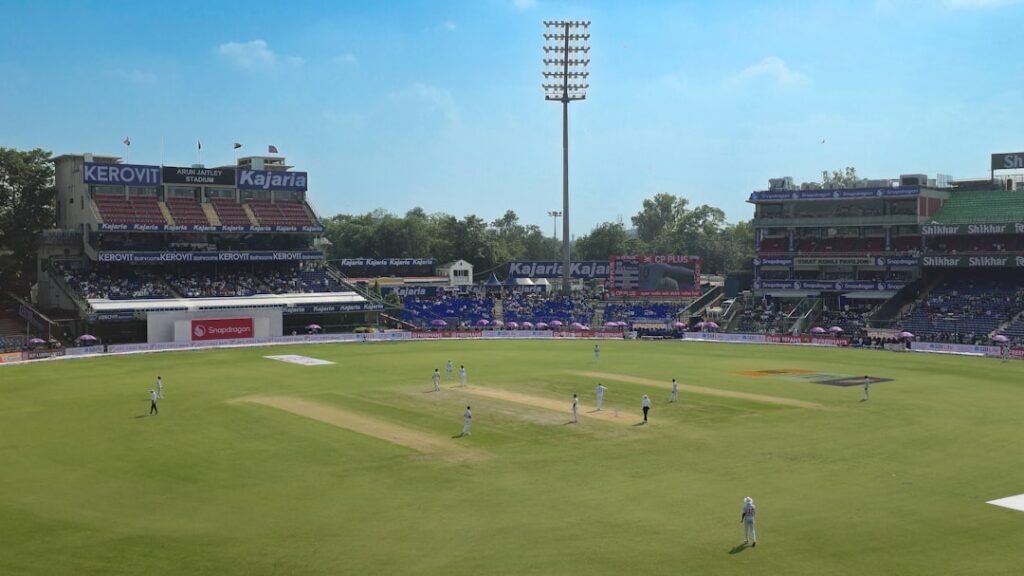
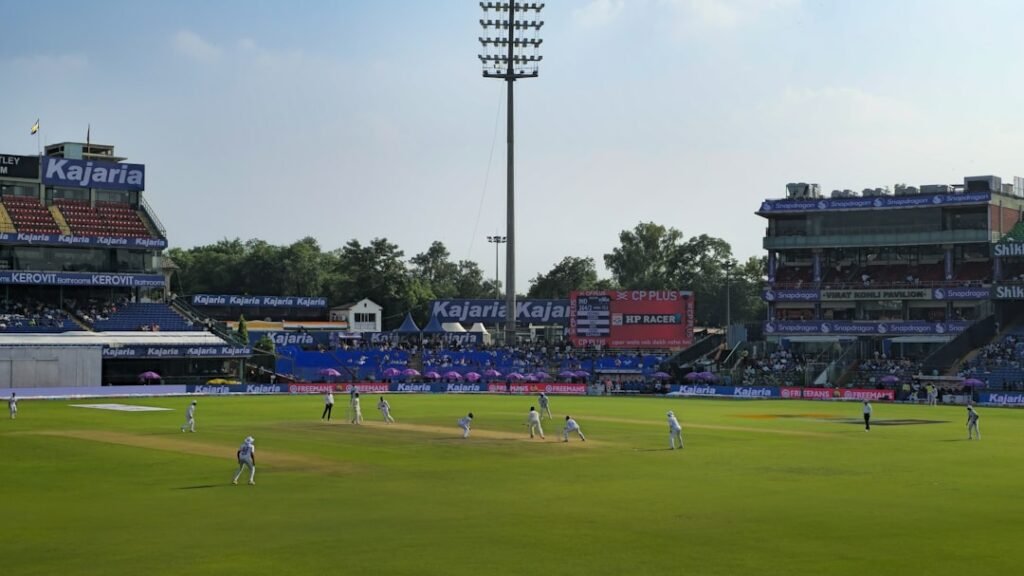
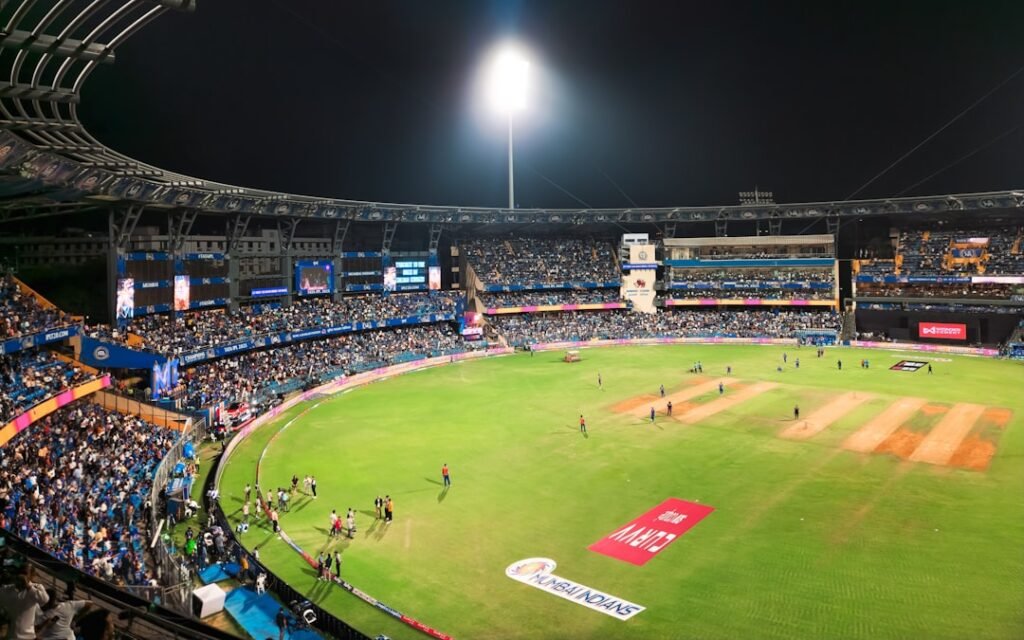
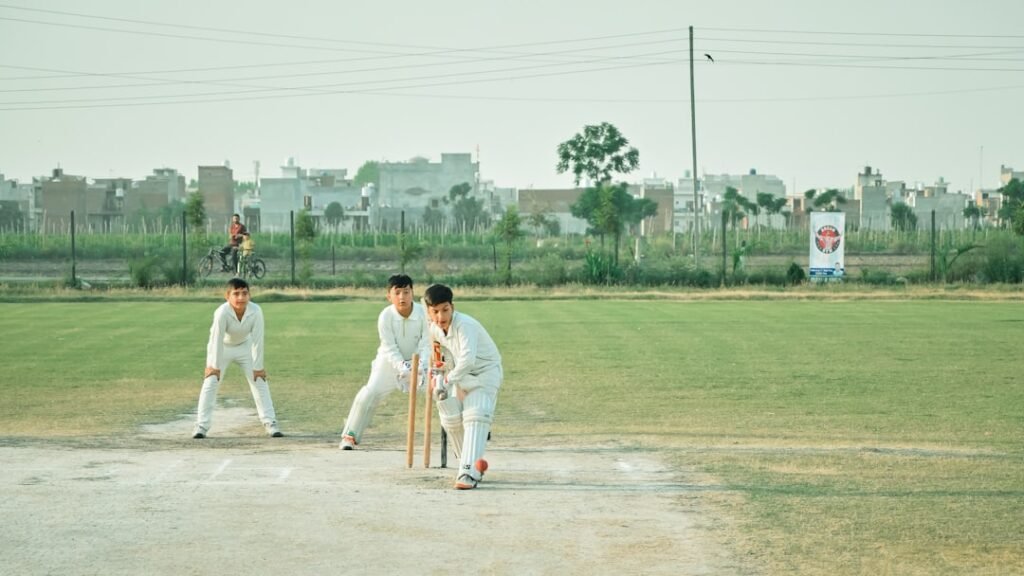
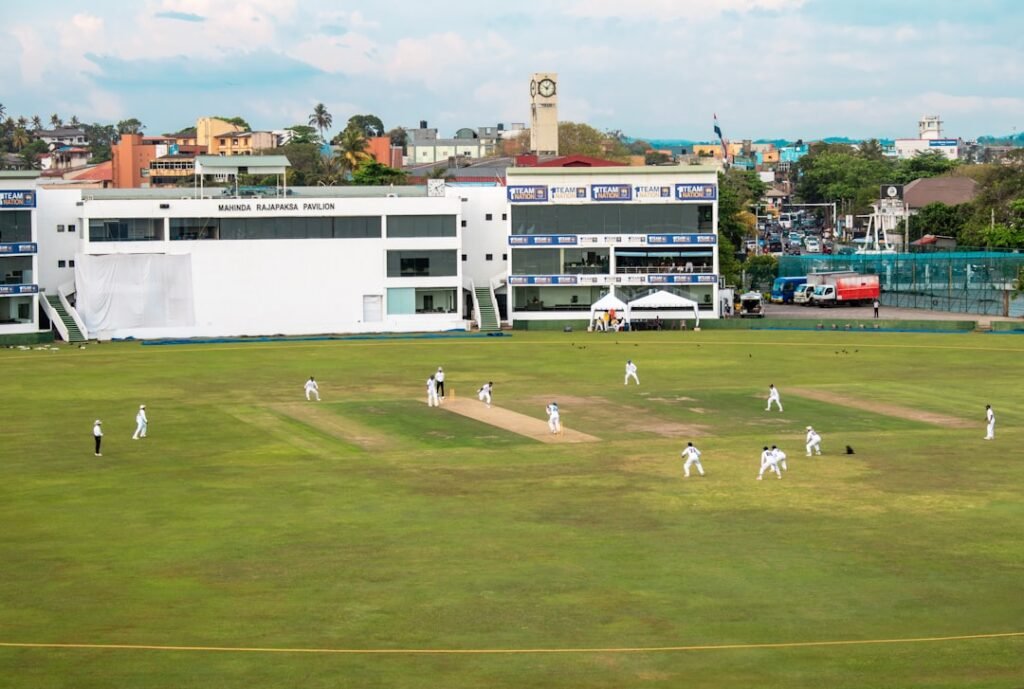
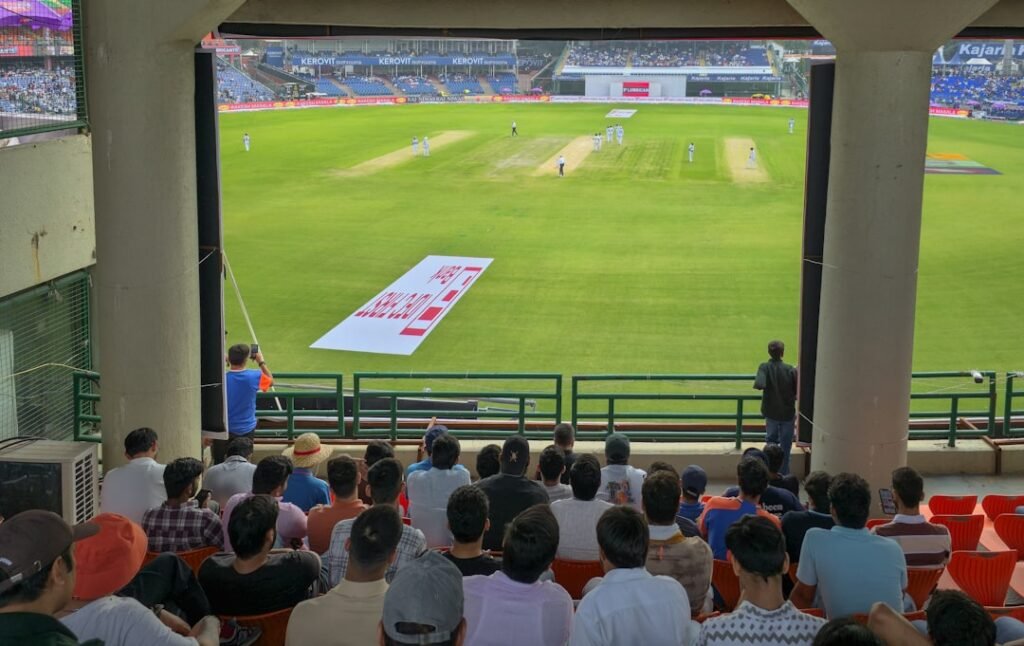
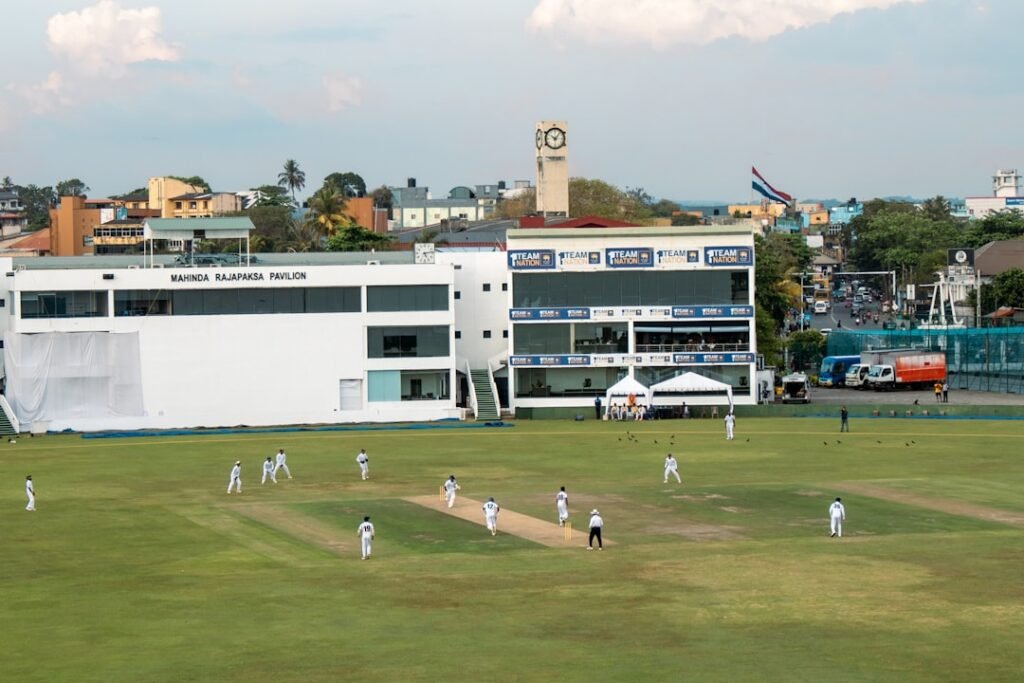
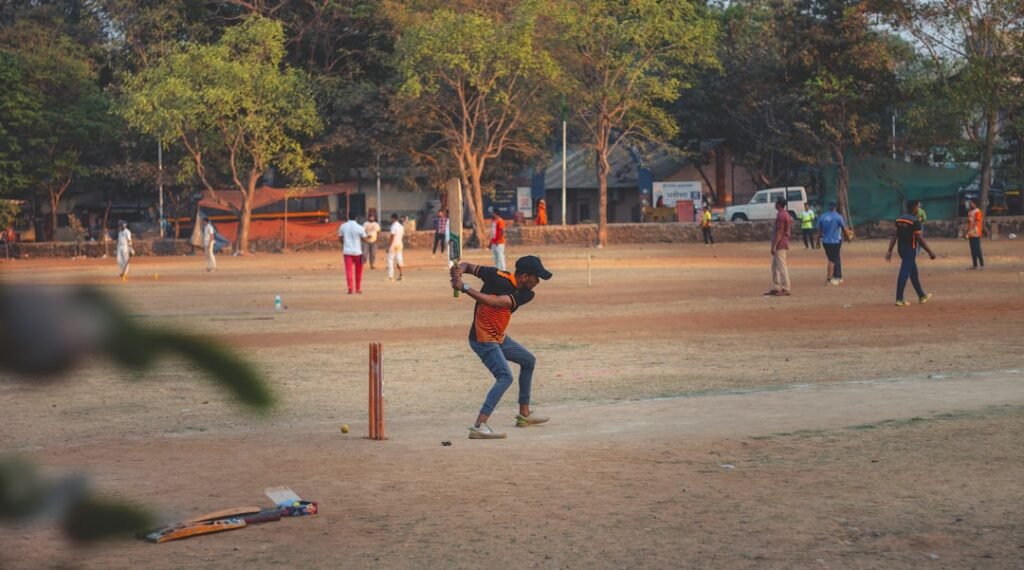
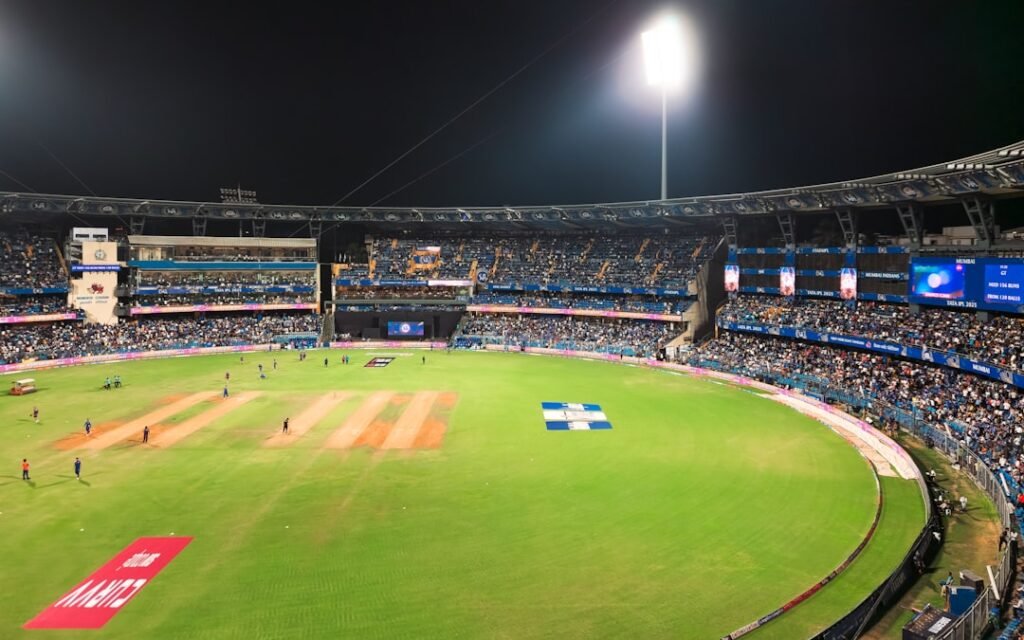
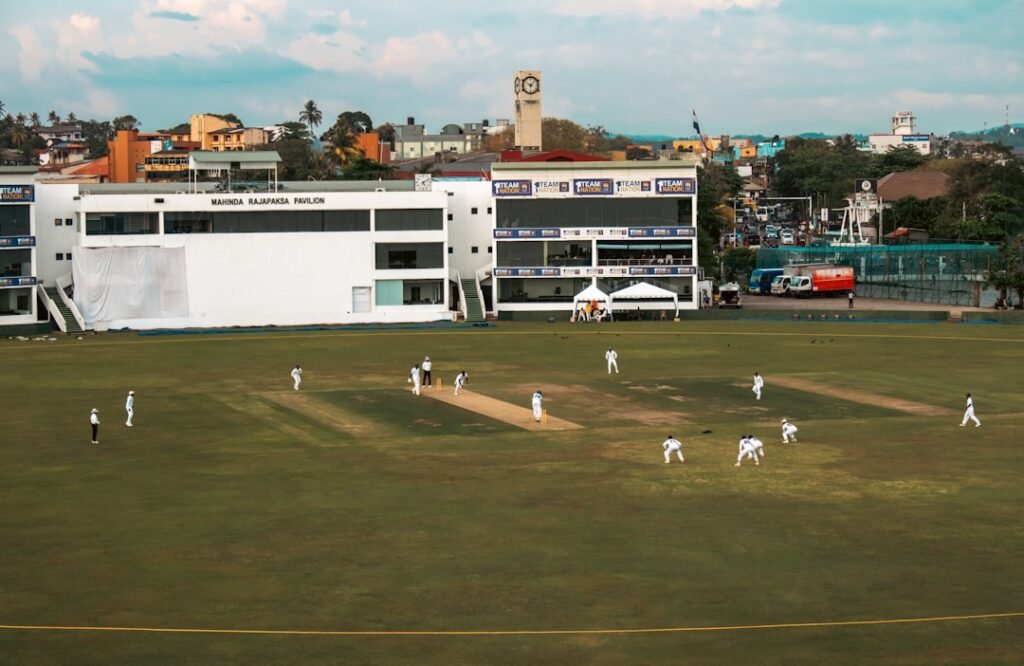
The Taliban has made headlines once again with its recent decision to impose a ban on cricket coverage in radio stations across Kandahar province. This move comes amid ongoing debates about freedom of expression and cultural practices in Afghanistan. The ban on cricket coverage underscores the Taliban’s strict regulations on media and entertainment, raising concerns among citizens who view cricket as a vital part of their national identity.
Understanding the Taliban’s Ban on Cricket Coverage
The ban on cricket coverage is part of the Taliban’s broader efforts to control information and media in regions under their rule. The group’s leadership has focused on promoting a conservative interpretation of Islamic values, which often conflicts with popular cultural practices such as sports, particularly cricket.
Impact on Local Communities
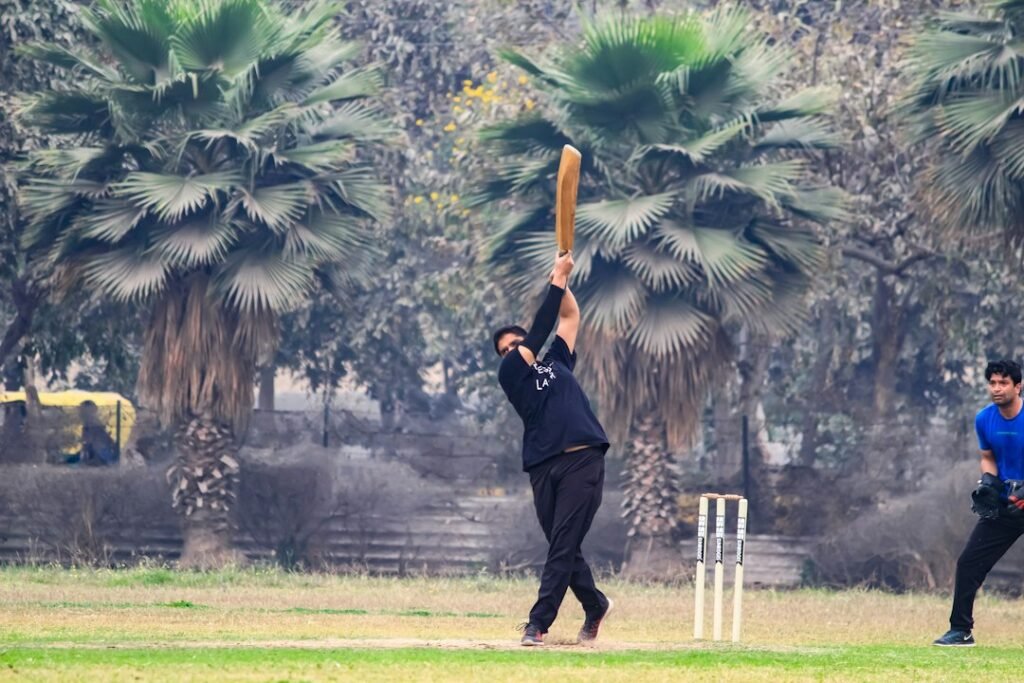
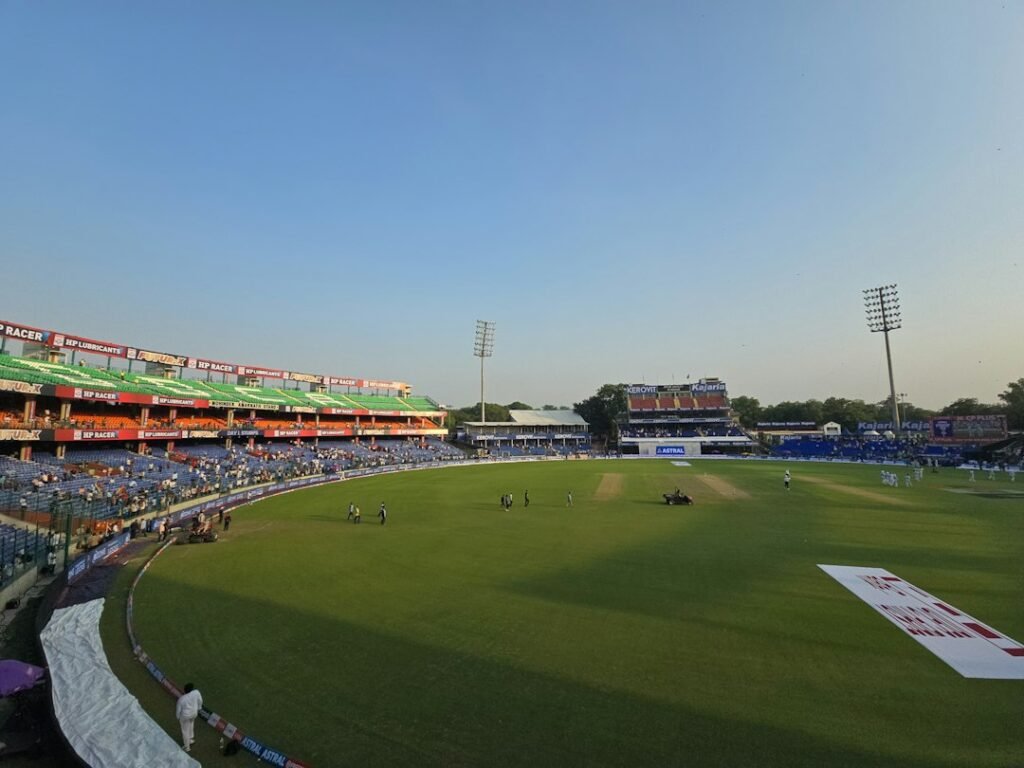
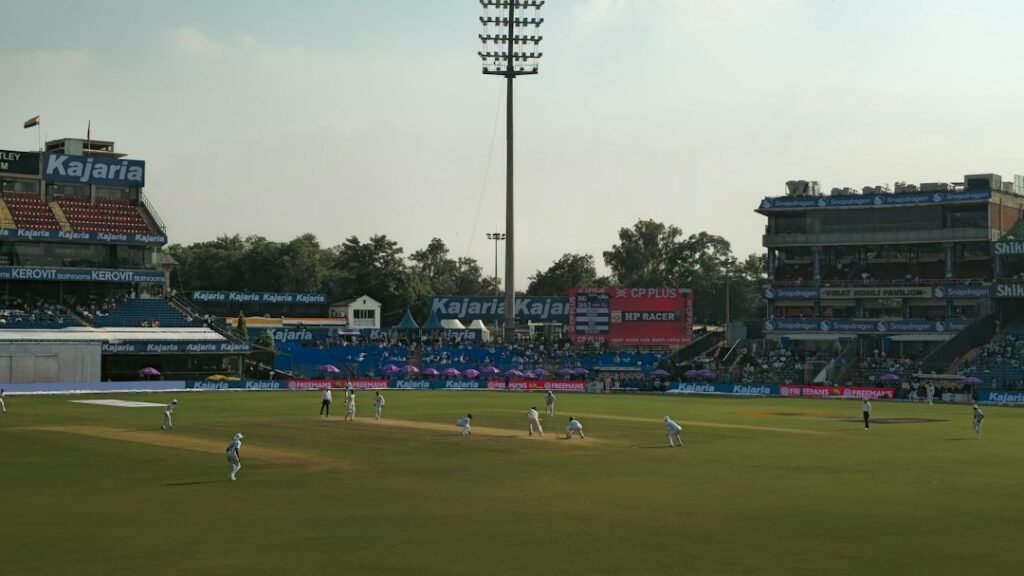
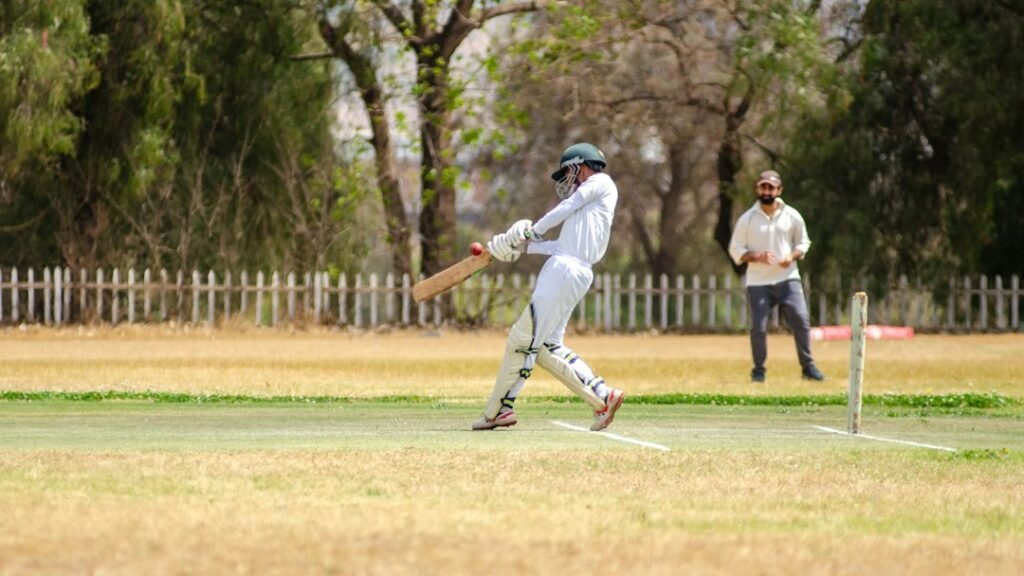
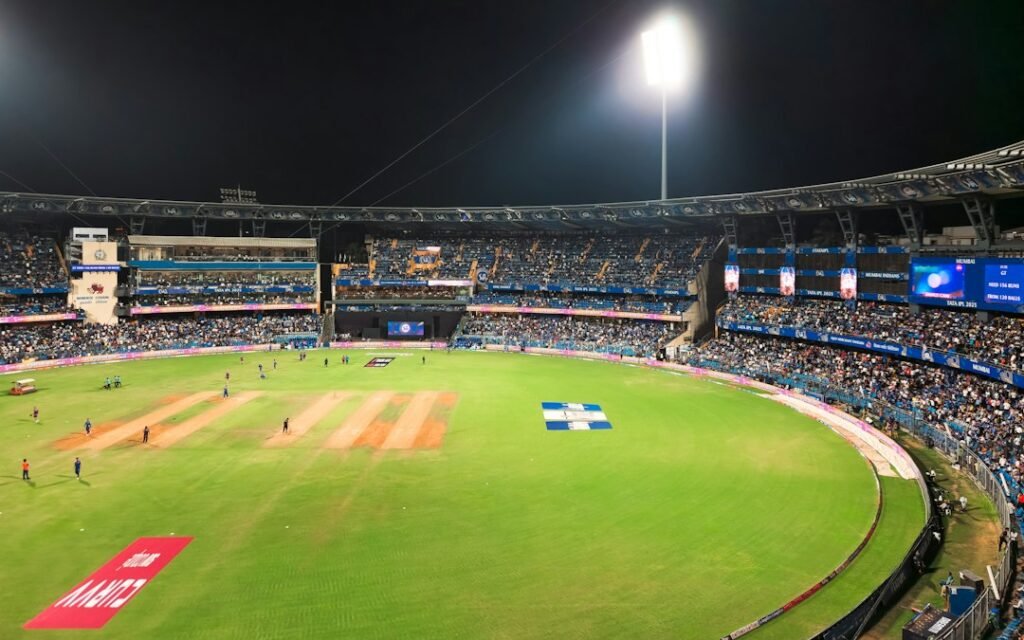
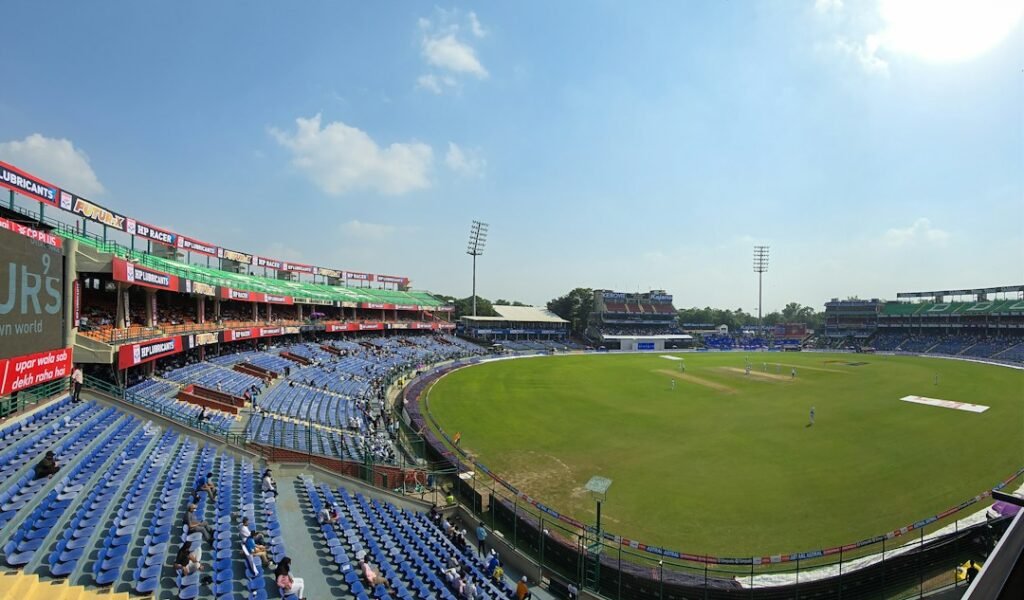
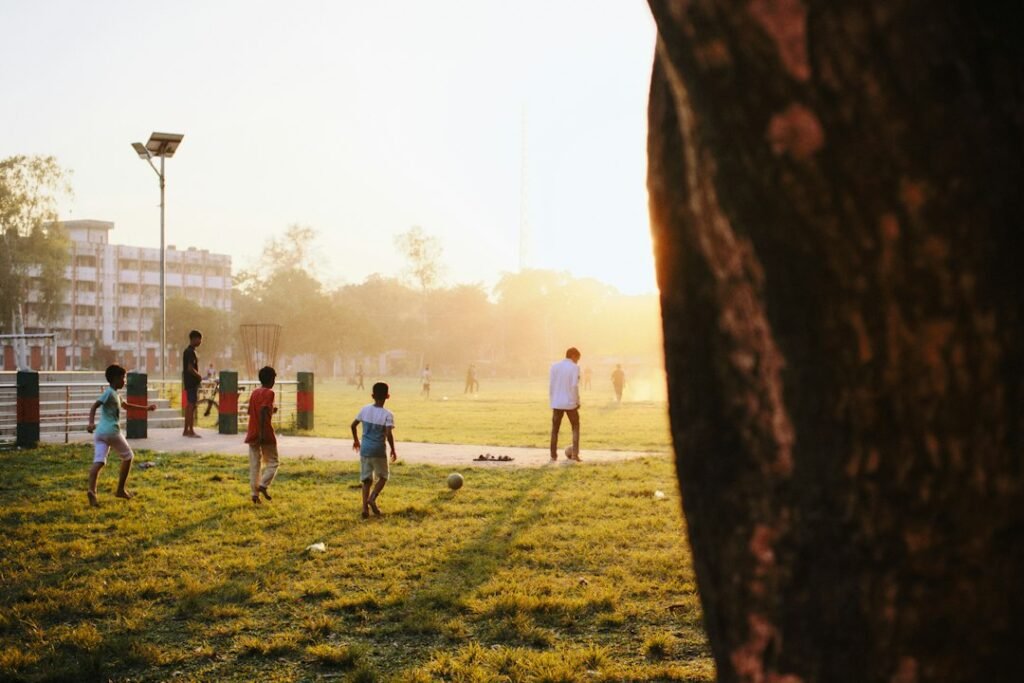
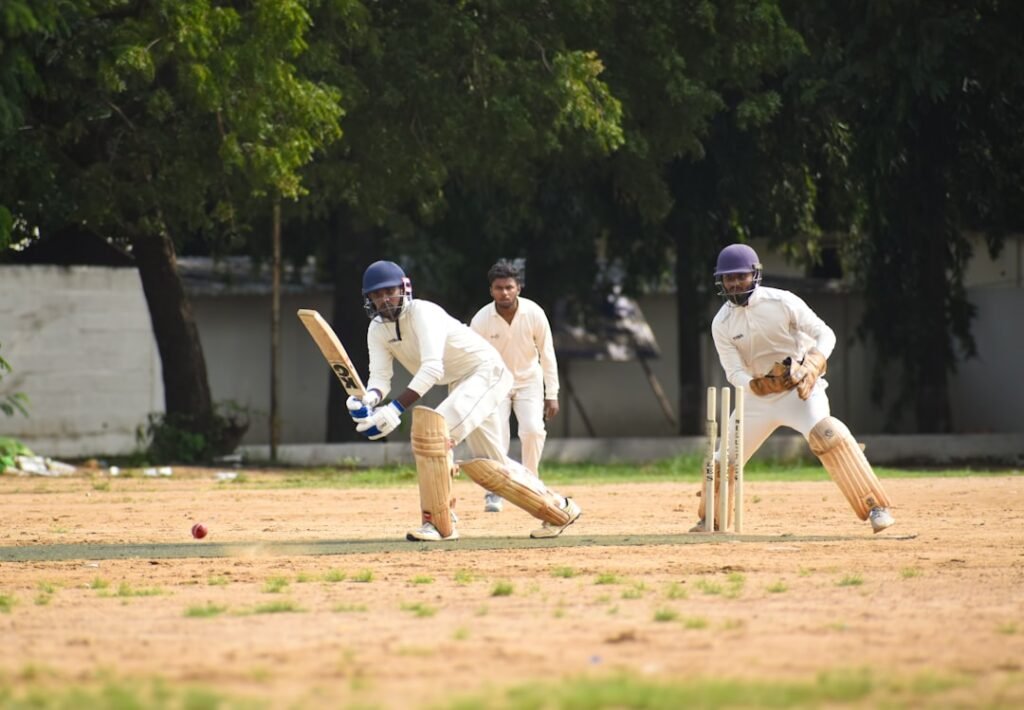
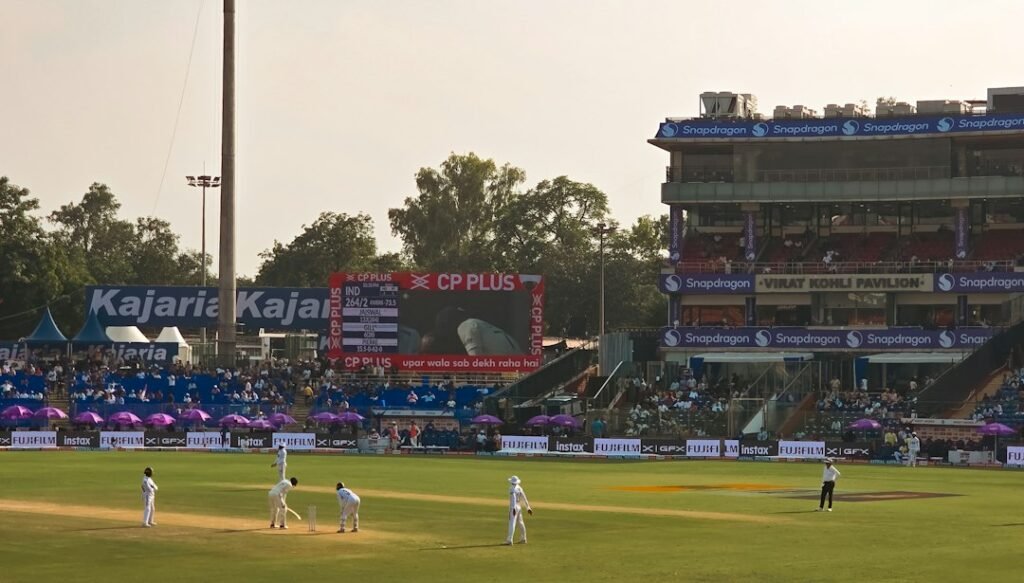
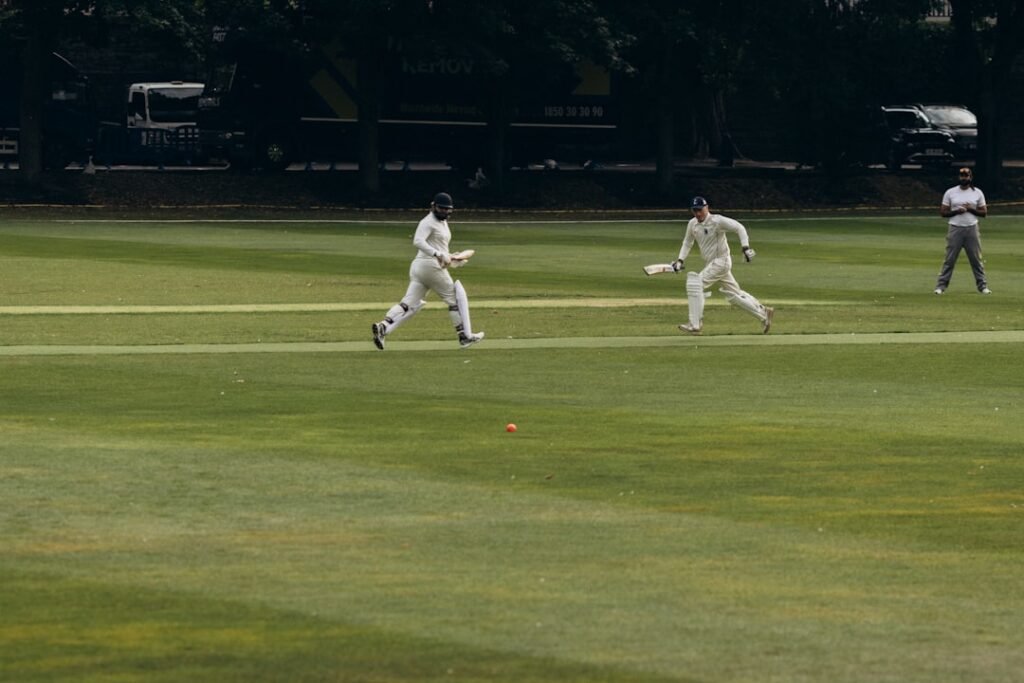
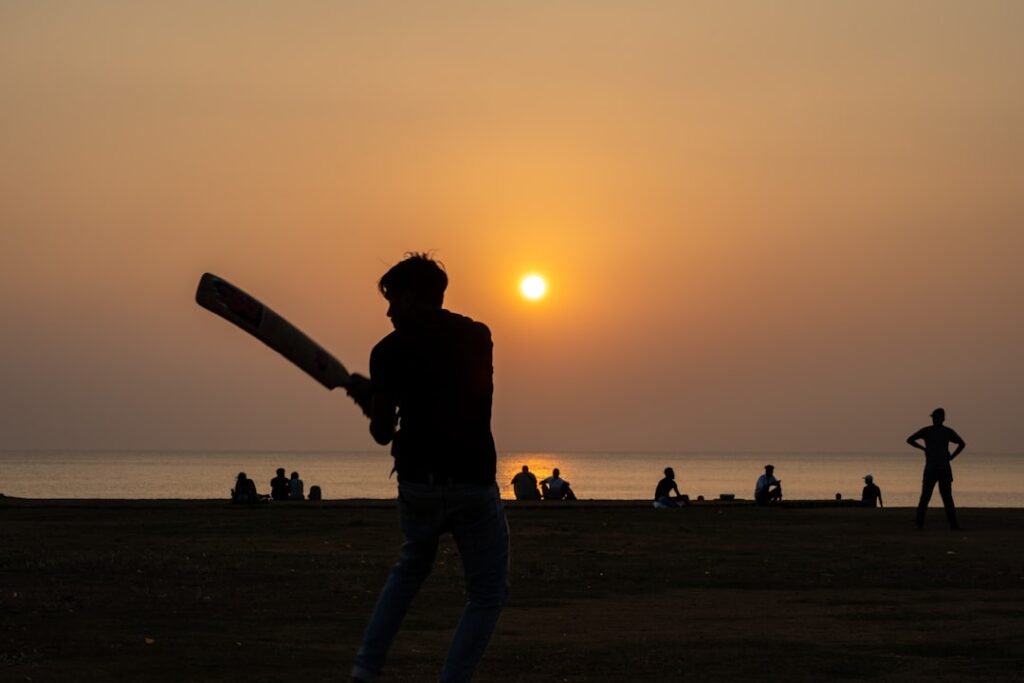
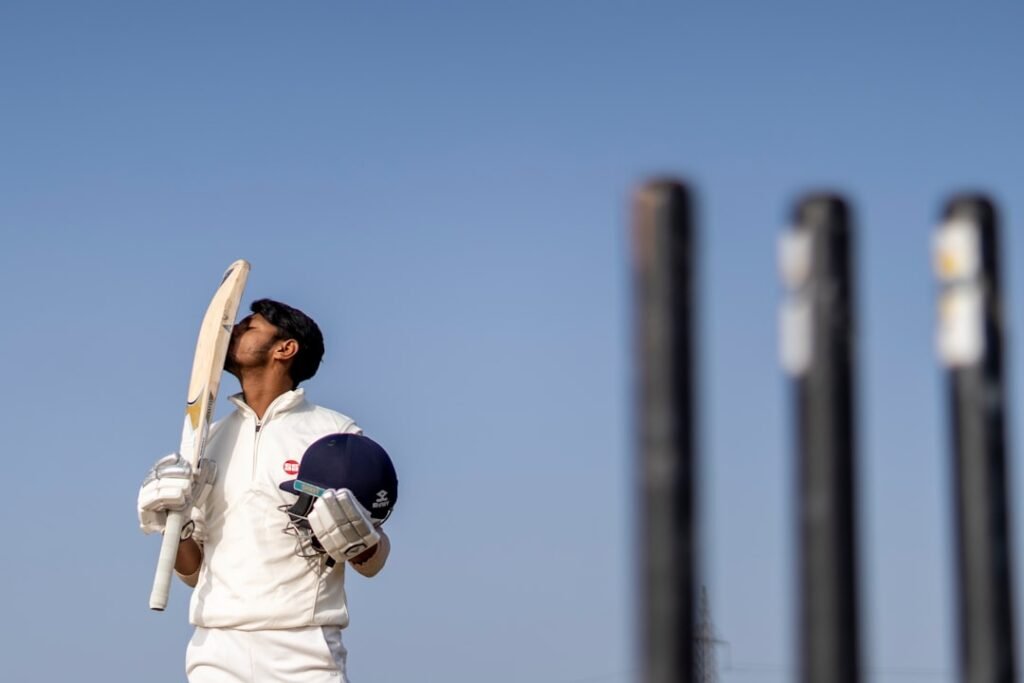
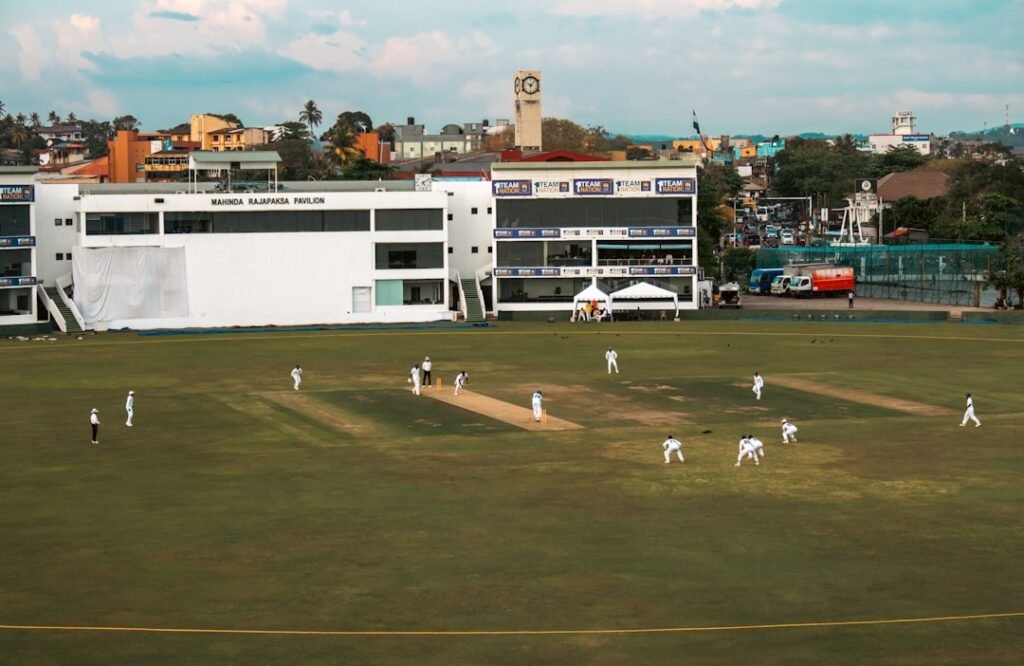
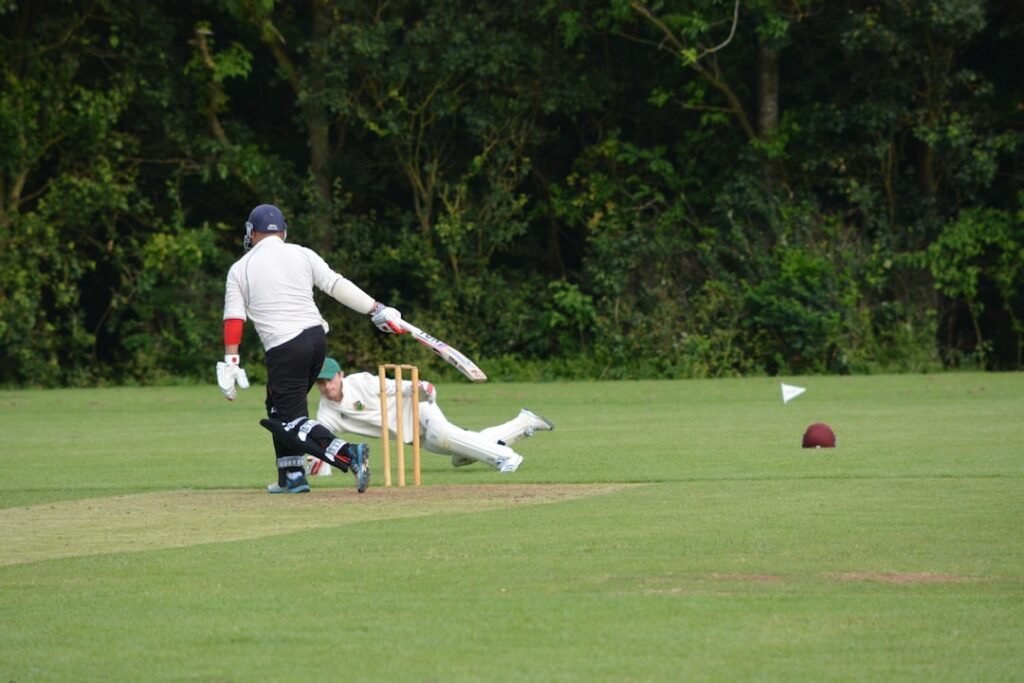
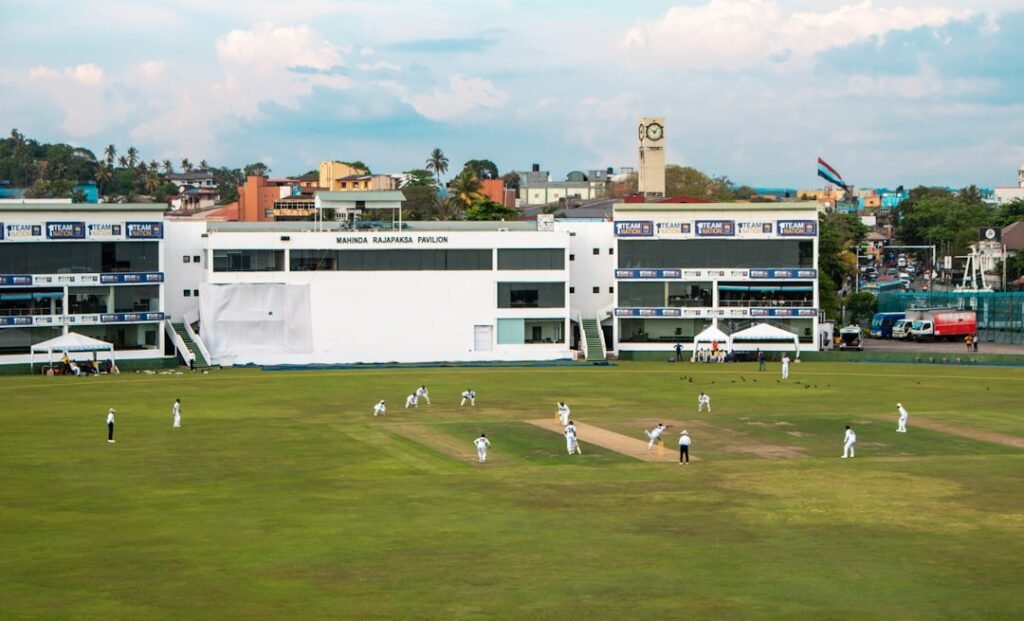
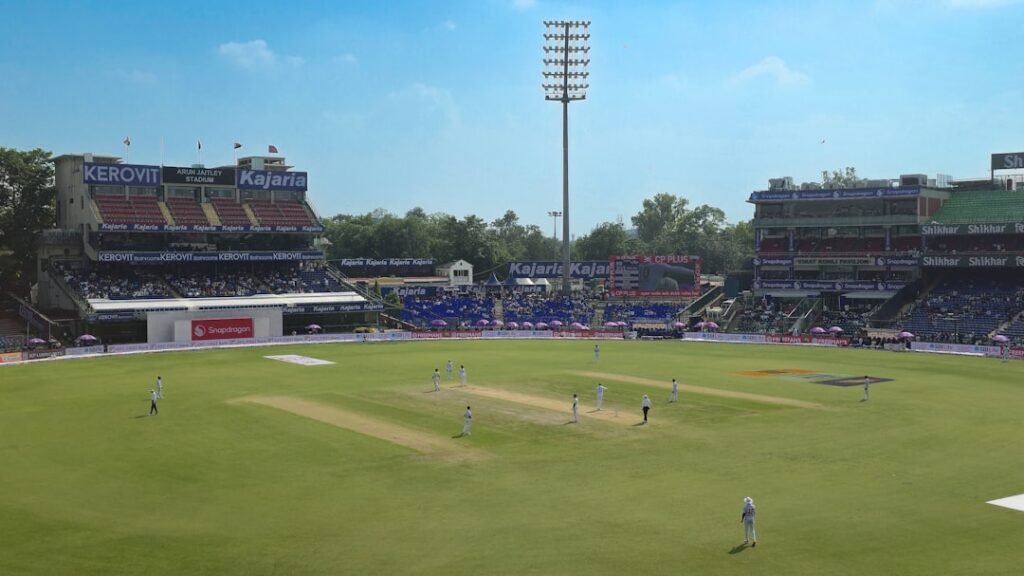
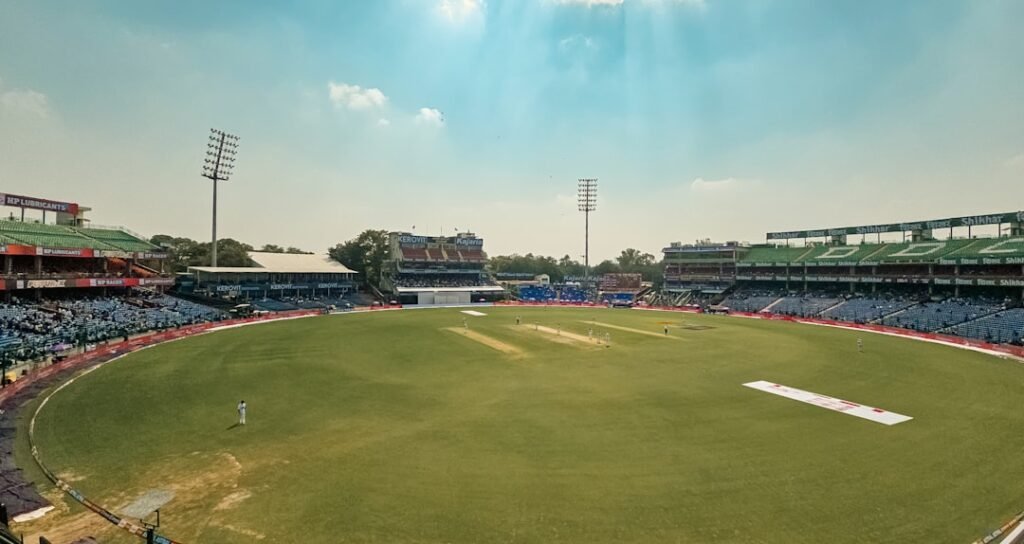
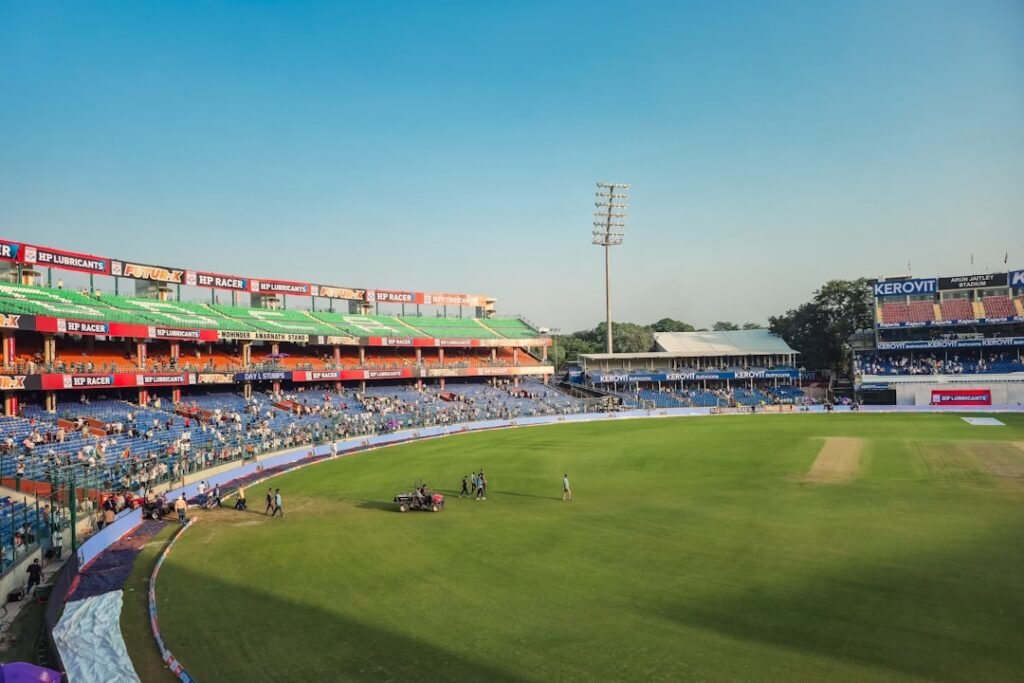
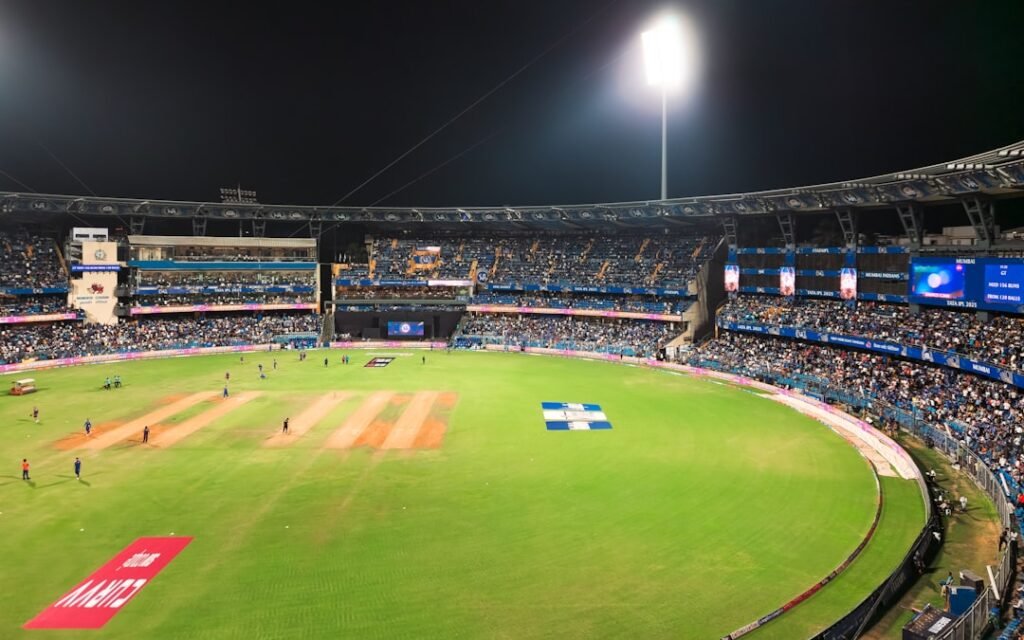
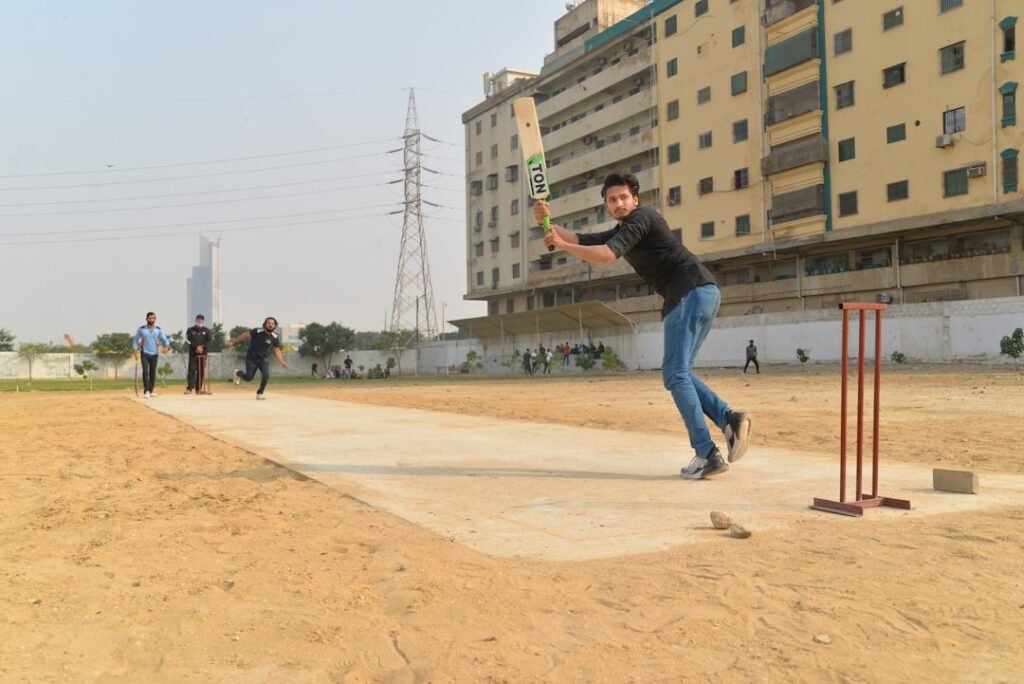
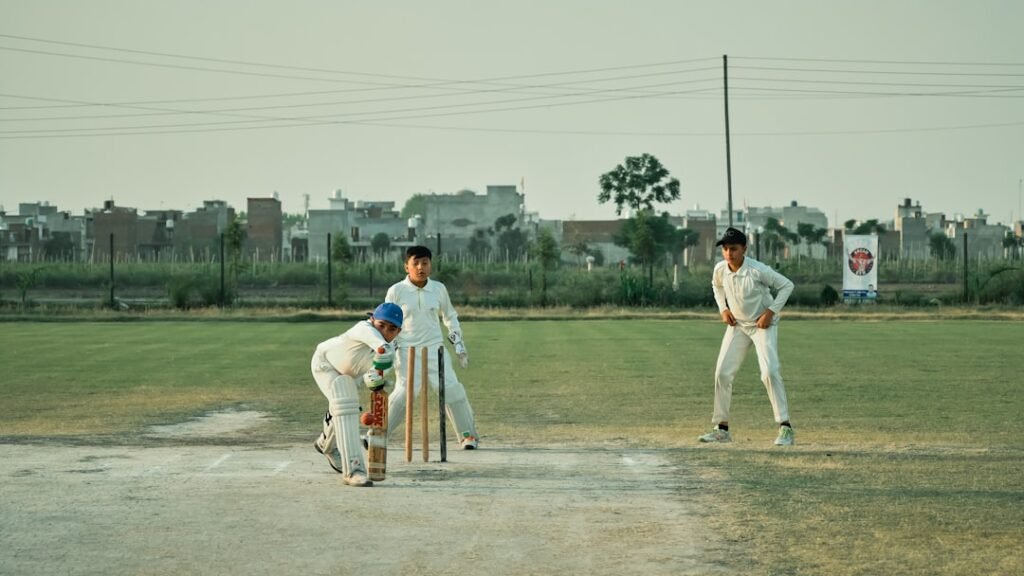
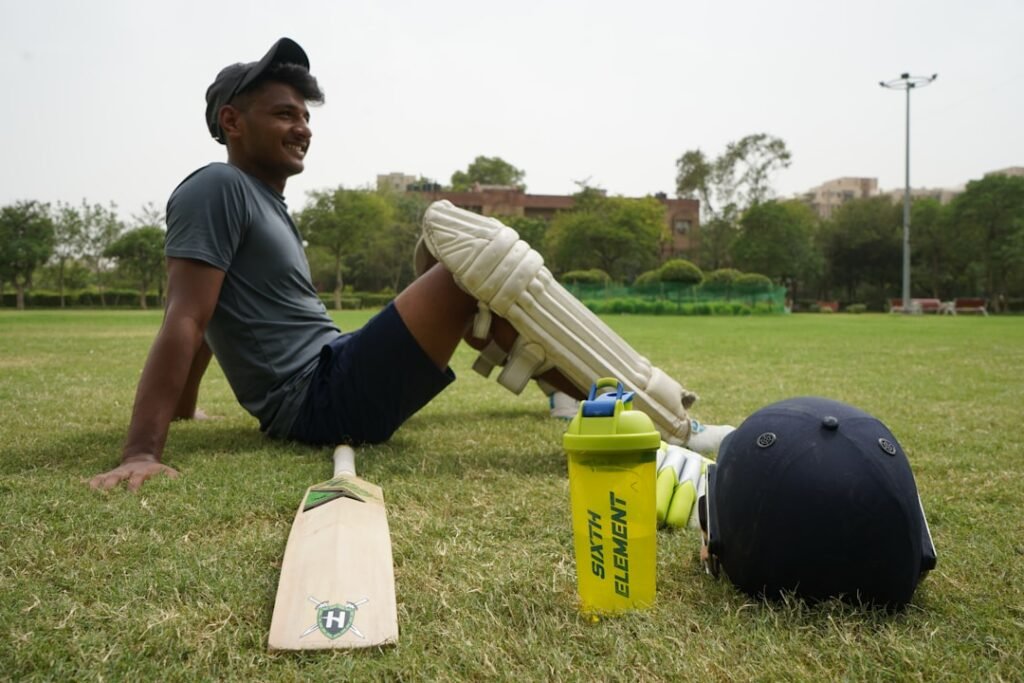
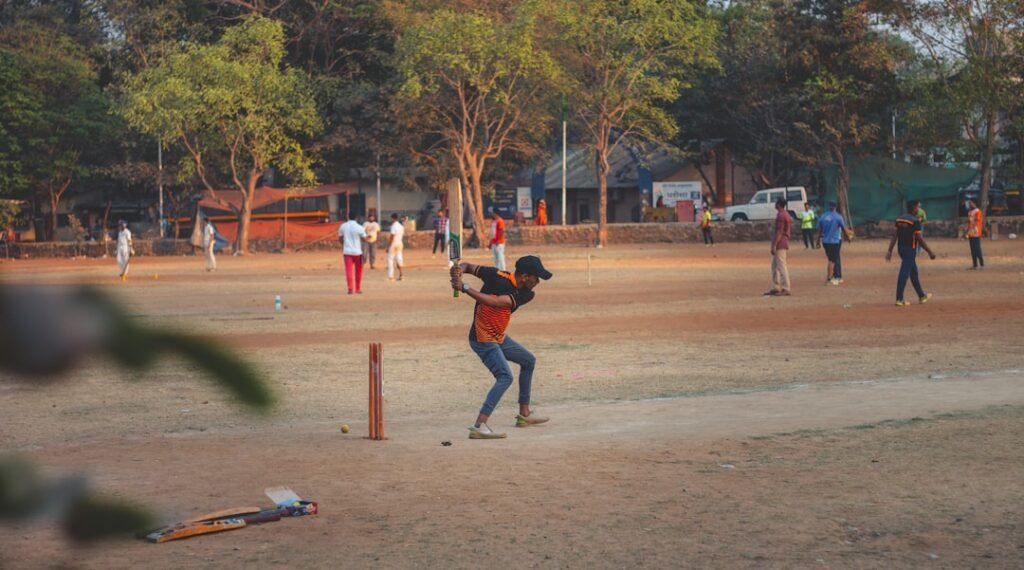
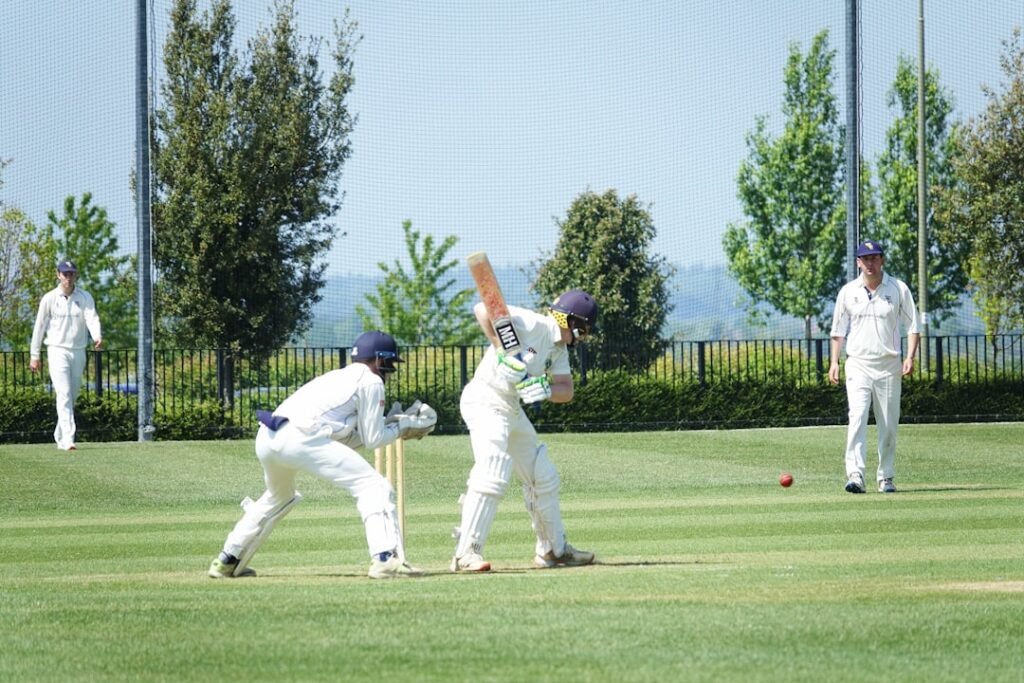
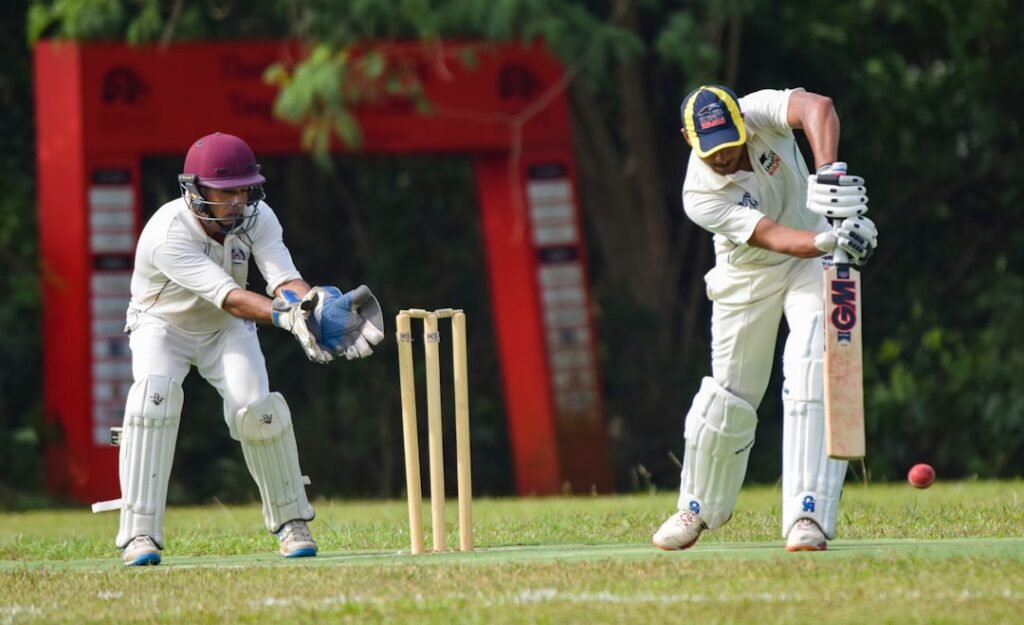
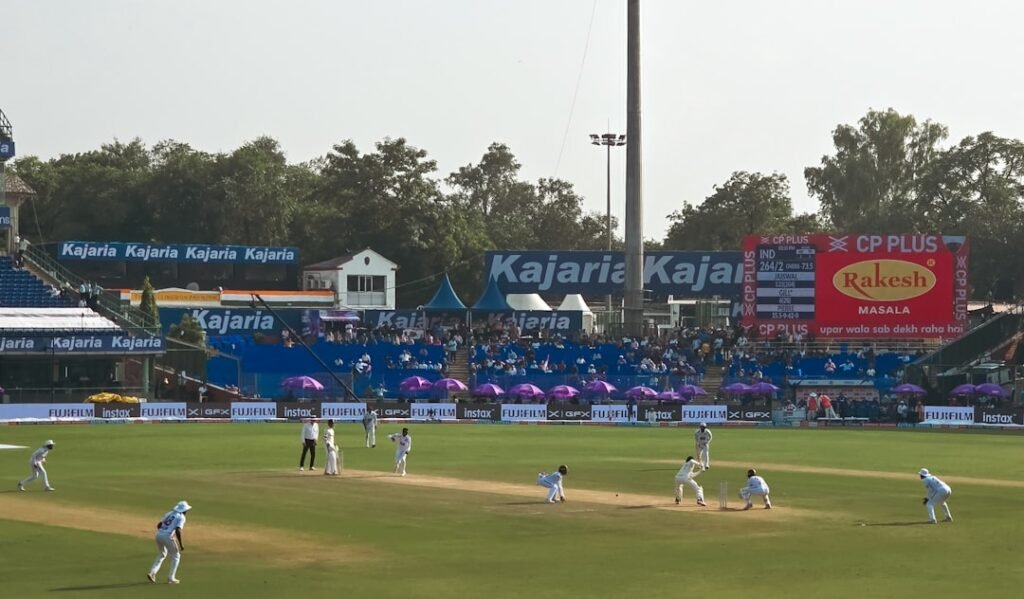
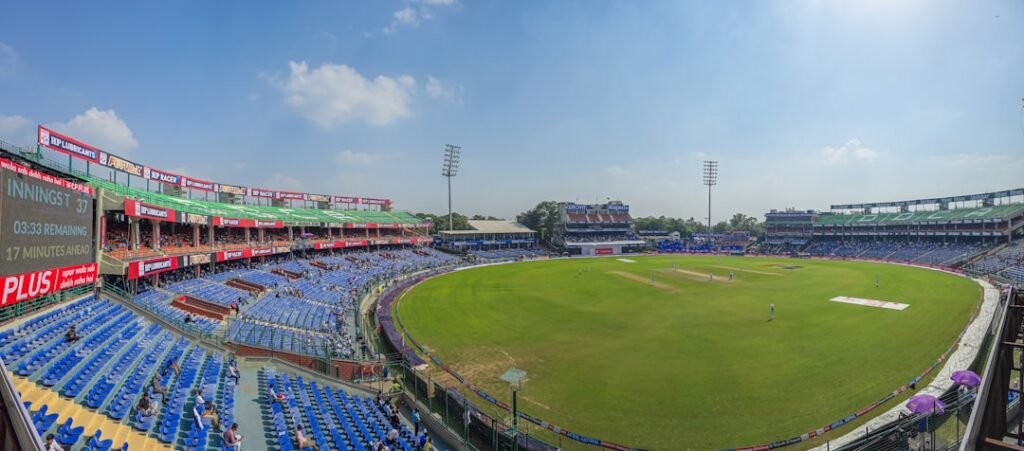
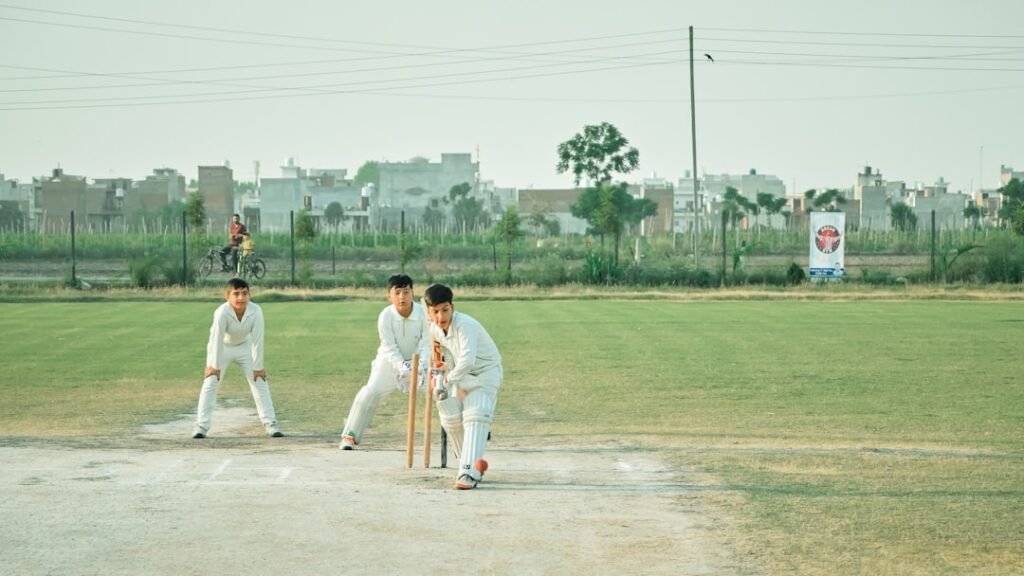
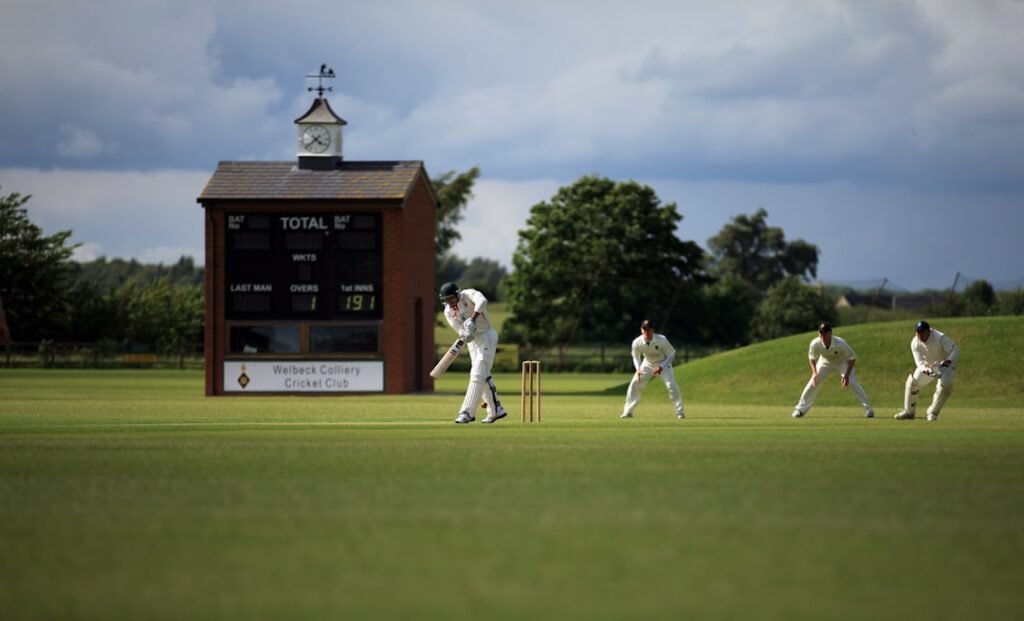
Cricket is not just a game in Afghanistan; it holds significant cultural importance for many residents. The Taliban’s ban affects local communities in several ways:
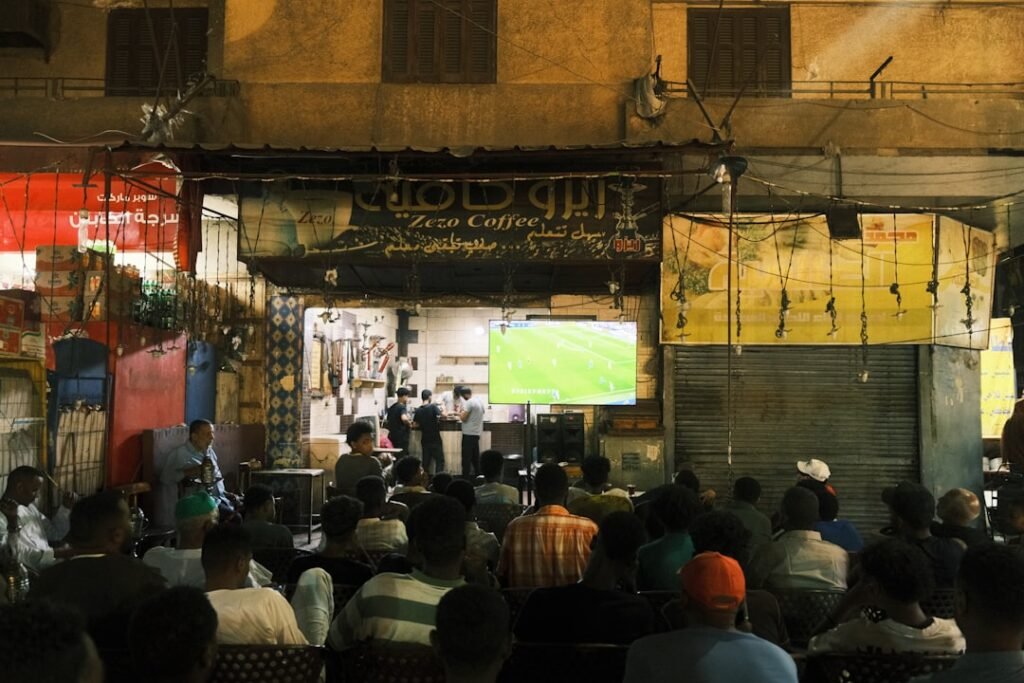
- Loss of Connection: Many fans rely on radio broadcasts to stay updated on their favorite teams and players, especially in rural areas where access to television is limited.
- Cultural Isolation: The ban restricts the community’s engagement with a beloved sport that fosters unity and national pride.
- Economic Effects: Local businesses that thrive on cricket-related merchandise may suffer due to reduced interest and visibility of the sport.
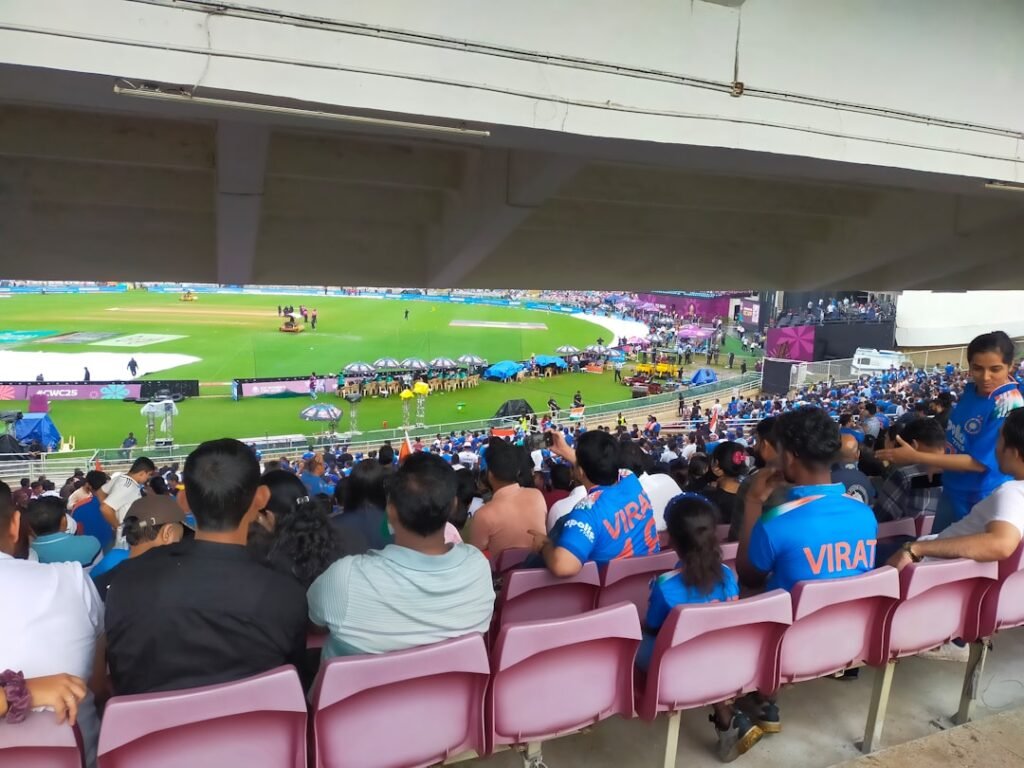
This decision has sparked widespread disappointment among fans, as cricket matches often bring joy and a sense of community. The Taliban’s restrictive policies not only dampen the spirit of the game but also contribute to a growing sense of isolation among the populace.
The Broader Context of Media Restrictions
The ban on cricket coverage is part of a larger pattern of media suppression by the Taliban. Since regaining control in August 2021, the group has implemented numerous regulations that limit journalists’ freedoms and restrict coverage of various topics. This includes sports, music, and even discussions about women’s rights.
Reasons Behind the Ban
Several factors contribute to the Taliban’s decision to ban cricket coverage:
- Ideological Beliefs: The Taliban’s leadership adheres to a stringent interpretation of Sharia law, which often disapproves of entertainment that deviates from their values.
- Control Over Information: The Taliban seeks to maintain a firm grip on the narrative within Afghanistan, often viewing popular culture as a potential threat to their authority.
- Fear of Public Sentiment: The group is wary of any movement that could rally public support against their regime, and sports can often unify people across different backgrounds.
This ban serves as a reminder of the challenges faced by media outlets attempting to operate freely in Afghanistan. Journalists and broadcasters find themselves navigating a treacherous landscape where following their passions comes with significant risks.
Looking Forward: The Future of Cricket in Afghanistan
Despite the Taliban’s ban on cricket coverage, the future of the sport in Afghanistan remains uncertain. Fans continue to show resilience, finding ways to support their teams through underground networks and social media channels. However, the lack of official coverage can stifle the growth of cricket as a sport and diminish its status on the international stage.
Potential Solutions and Next Steps
To address the challenges posed by this ban, several steps could be taken:
- Advocacy for Media Freedoms: Both local and international organizations must advocate for the protection of media rights in Afghanistan.
- Utilizing Digital Platforms: Fans and broadcasters can leverage social media to share updates, insights, and commentary on cricket.
- Community Engagement: Communities could organize events that celebrate cricket outside the purview of Taliban regulations.
As discussions continue around sports and fundamental rights in Afghanistan, it’s vital for the global community to support the voices of those affected by such bans. Only through collective efforts can the spirit of cricket thrive even in the face of adversity.
In conclusion, the Taliban’s ban on cricket coverage in Kandahar province is a significant development that highlights ongoing issues related to freedom of expression and cultural identity in Afghanistan. While the ban poses immediate challenges, the resilience of cricket fans and the potential for advocacy and innovation may pave the way for a brighter future for sports in the country.
Source: news source