




















































































































































































































































































































































































































































































































































































































































































































































































































































































































































































































































































































































































































































































































































































































































































































































































































































































































































































































































































































































































































































































































































































































































































































































































































































































































































































































































































































































































































































































































































































































































































































































































































































































































































































































































































































































































































The Rise of Wildfire Litigation: A Growing Industry in America

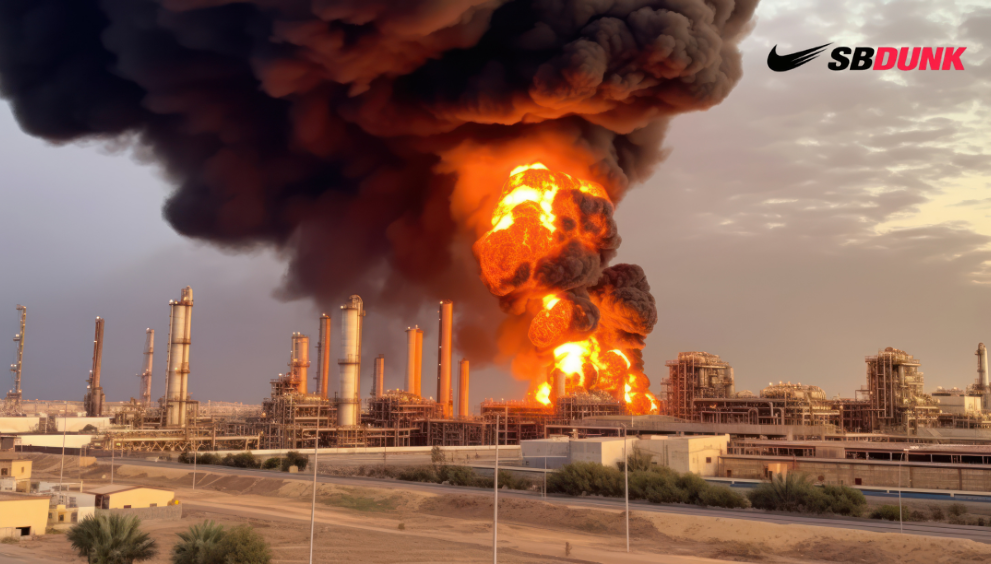
Wildfire litigation has emerged as a significant and profitable sector in America, reflecting the growing frequency and severity of wildfires. As climate change intensifies the risk of wildfires, legal battles over liability and damages have surged. This trend has created a landscape where litigation is not only common but also lucrative for various stakeholders, including law firms, insurers, and affected communities. Understanding the nuances of wildfire litigation is crucial for those impacted by these devastating events.
Understanding the Surge in Wildfire Litigation
The increase in wildfire litigation can be attributed to several factors:
- Climate Change: The impact of climate change has led to drier conditions, making wildfires more frequent and severe.
- Corporate Accountability: Many lawsuits target utility companies accused of negligence, particularly in cases where power lines are implicated in igniting fires.
- Community Advocacy: Victims of wildfires are increasingly banding together to hold responsible parties accountable, leading to a wave of class-action lawsuits.
The Role of Utility Companies in Wildfire Litigation
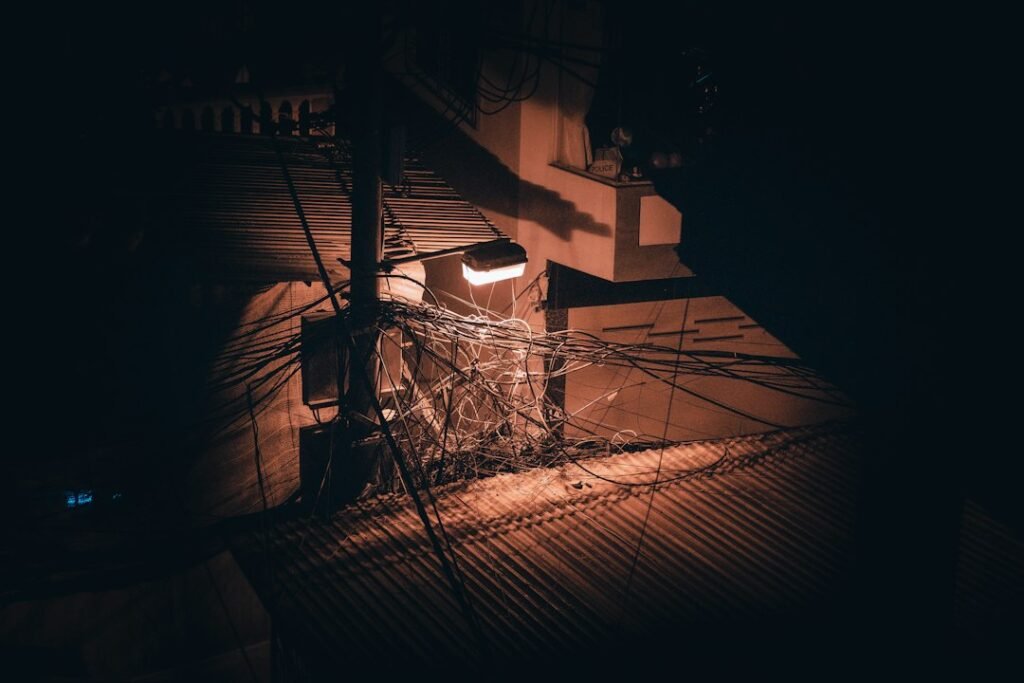
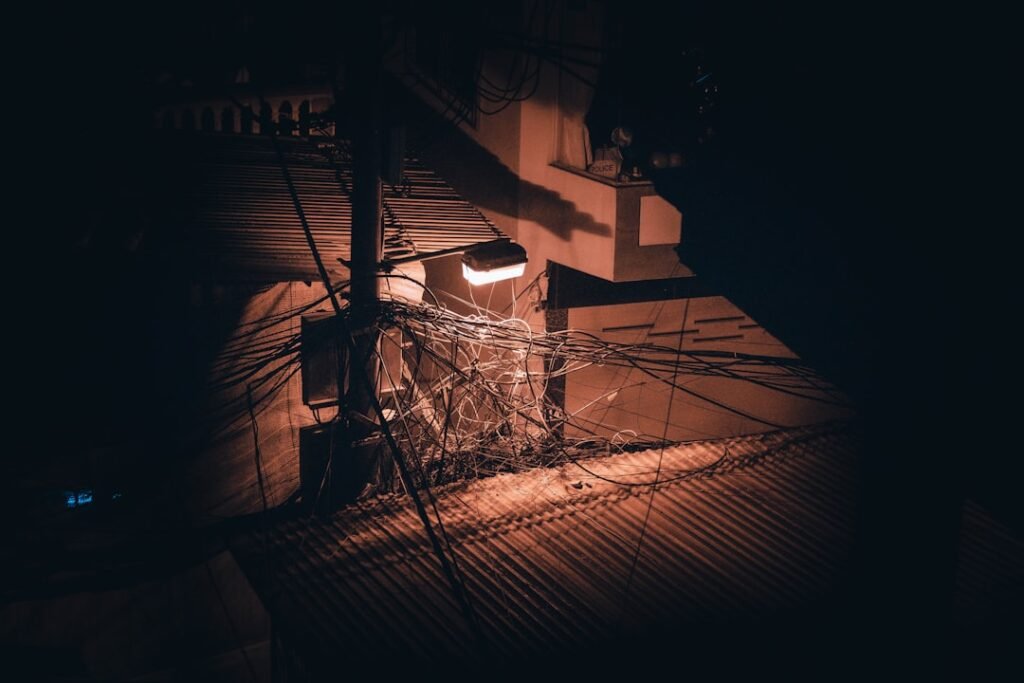
Utility companies have come under significant scrutiny in wildfire litigation. Many of the largest fires in recent years have been linked to downed power lines and other infrastructure failures. Victims argue that these companies failed to adequately maintain their equipment and provide safe services. This accountability is becoming a central theme in many lawsuits.
For instance, in California, utility giants have faced billions in claims due to the devastating wildfires attributed to their equipment. Shareholder pressure and regulatory scrutiny are causing these companies to rethink their approaches to wildfire prevention and response.
Legal Strategies in Wildfire Lawsuits
The legal framework surrounding wildfire litigation is complex. Lawyers representing victims often employ various strategies to build their cases, including:
- Gathering Evidence: Collecting data from fire reports, eyewitness accounts, and expert testimonies to establish negligence.
- Utilizing Expert Witnesses: Hiring fire behavior experts and engineers to demonstrate how specific actions led to catastrophic outcomes.
- Class Actions: Organizing affected communities to file collective lawsuits, increasing the pressure on defendants.
These strategies not only amplify the voices of victims but also enhance the chances of winning substantial settlements or verdicts. The financial stakes are high, making wildfire litigation a contentious battleground.
The Economic Impact of Wildfire Litigation
The economic ramifications of wildfire litigation extend beyond the courtroom. Large settlements can significantly impact utility companies, leading to changes in policies and practices. This shift may include increased funding for safety measures and infrastructure improvements.
Additionally, the rise of wildfire litigation has spurred growth in the legal industry, with firms specializing in environmental and wildfire-related cases emerging across the country. As more victims seek justice, the demand for legal representation continues to grow, solidifying wildfire litigation as a major business sector.
Challenges in Wildfire Litigation
Despite the potential for financial gain, wildfire litigation is fraught with challenges:
- Proving Negligence: Plaintiffs must establish that defendants acted recklessly or failed to fulfill their duty of care.
- Insurance Complications: Insurers may resist payouts, complicating the process for victims seeking compensation.
- Regulatory Hurdles: Navigating state and federal regulations can be complex, which may deter some claims.
These challenges can make wildfire litigation a lengthy and arduous process, requiring strategic planning and resources from both victims and their legal teams.
Future Trends in Wildfire Litigation
As climate change continues to escalate the risks of wildfires, the trend toward increased litigation is likely to grow. Advocacy for stronger regulations and corporate responsibility is expected to become more pronounced. Additionally, advancements in technology, such as satellite monitoring and predictive modeling, may play a role in shaping future cases.
With a heightened awareness of the implications of wildfires, stakeholders from all sectors are recognizing the importance of addressing this issue proactively. Legal frameworks may evolve, providing new avenues for accountability and compensation.
Conclusion: The Ongoing Evolution of Wildfire Litigation
In summary, the rise of wildfire litigation reflects a broader societal shift toward accountability and risk management in an increasingly fire-prone world. As communities mobilize against those responsible for devastating fires, the economic landscape of this litigation will continue to evolve. Understanding the mechanisms at play in wildfire litigation is essential for both victims and the companies involved. The future may hold new challenges, but the movement toward justice for wildfire victims is undeniably growing.
Source: news source