































































































































































































































































































































































































































































































































































































































































































































































































































































































































































































































































































































































































































































































































































































































































































































































































































































































































































































































































































































































































































































































































































































































































































































































































































































































































































































































































































































































































































































































































































































































































































































































































































































































































































































































































































































































































































































































































































































































































































































































































Taiwan Takes Emergency Steps Amid AI Sell-Off Impact on Chip Market

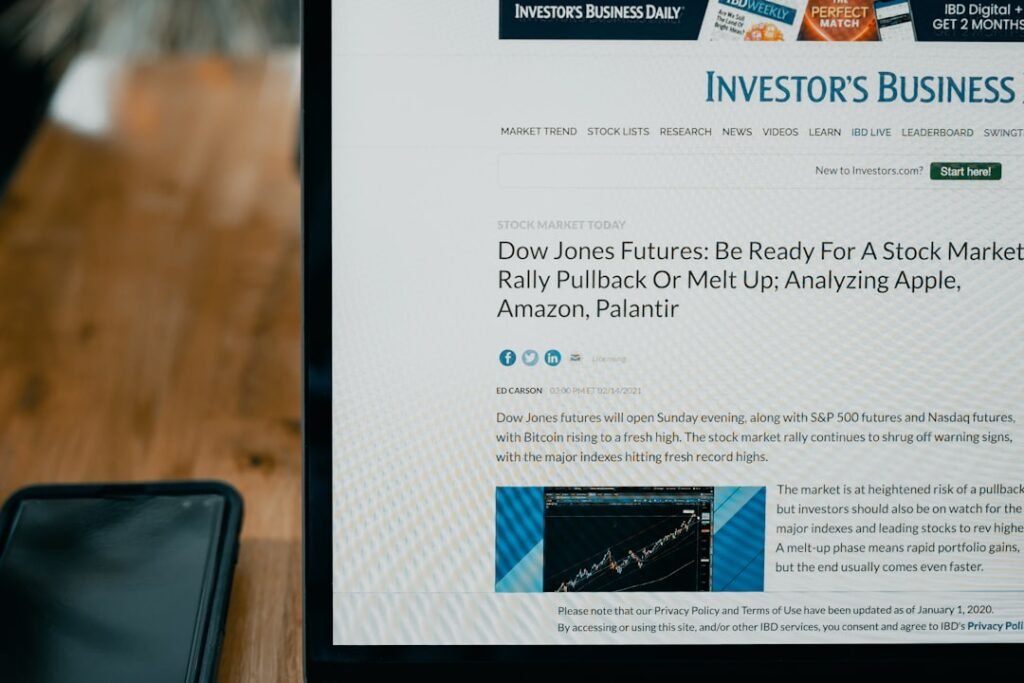
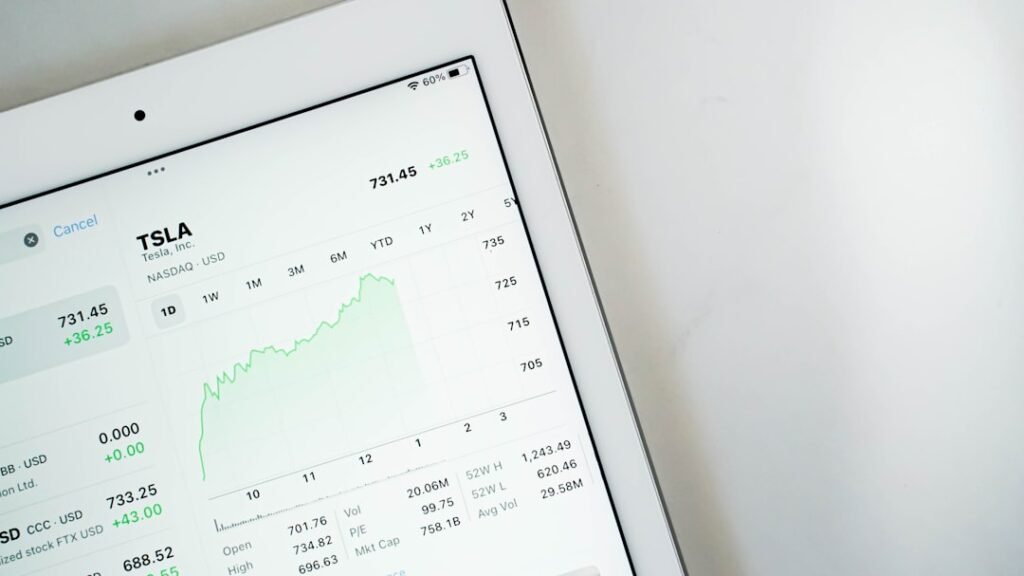
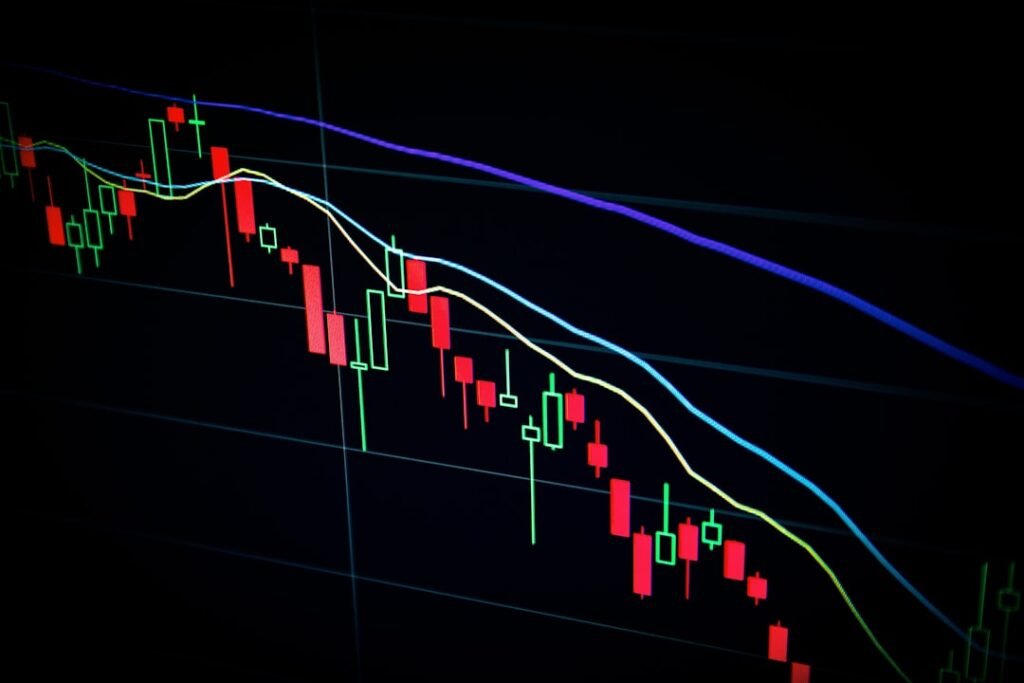
In light of the recent **AI sell-off**, Taiwan is implementing emergency measures to stabilize its chip-heavy market. The semiconductor industry is crucial to Taiwan’s economy, and the fluctuations triggered by artificial intelligence investments have caused significant concern among investors and officials alike.
The rise in AI technology has created a volatile environment for the semiconductor sector. As demand for chips soared, companies ramped up production. However, the recent sell-off indicates a retraction in AI investments, leading Taiwan to reassess its strategies.
Understanding the Impact of the AI Sell-Off on Taiwan’s Economy
Taiwan’s economy is closely tied to its semiconductor industry. With companies like TSMC (Taiwan Semiconductor Manufacturing Company) leading the charge, any disruption can ripple throughout the nation. As the AI sell-off deepens, these companies face unprecedented challenges.
Emergency Measures Taken by Taiwan
To address the situation, Taiwan is rolling out a series of emergency steps aimed at stabilizing the chip market. These include:
- Enhancing liquidity support for semiconductor companies
- Providing incentives to encourage domestic investment
- Implementing stricter regulations on foreign investments in the chip sector
- Facilitating partnerships between local businesses and global tech firms
These measures are designed to instill confidence among investors and ensure that the semiconductor market remains robust despite external pressures. The hope is that these actions will mitigate the effects of the AI sell-off and keep the industry on a stable growth trajectory.
The Role of Government in Stabilizing the Chip Market
The Taiwanese government recognizes that proactive intervention is essential. As the largest chip producer globally, the stability of Taiwan’s semiconductor industry directly influences global tech supply chains.
By taking swift action, the government aims to:
1. Secure jobs in the semiconductor sector
2. Protect critical infrastructure from foreign economic shifts
3. Foster innovation and maintain Taiwan’s competitive edge in technology
The effects of the AI sell-off extend beyond immediate market fluctuations; they encompass long-term implications for Taiwan’s economic health and technological advancement.
Taiwan’s Semiconductor Industry at a Glance
Taiwan’s semiconductor industry is known for its innovation and resilience. Here’s what makes it a cornerstone of the global market:
– **Leading Edge Technology**: Taiwan is home to advanced manufacturing technologies.
– **Major Players**: Companies like TSMC and MediaTek are at the forefront, driving advancements.
– **Supply Chain Integration**: Taiwan’s chips power a wide array of global devices, from smartphones to AI systems.
Given these factors, stabilizing the semiconductor market is not just a national priority but a global necessity.
Future Outlook for Taiwan’s Chip Industry
Looking ahead, the **AI sell-off** presents both challenges and opportunities for Taiwan. The government’s response will shape the semiconductor landscape for years to come. If successful, these emergency measures could position Taiwan to emerge even stronger as the tech sector evolves.
Investors and industry experts are closely monitoring Taiwan’s actions, as the decisions made in this critical period will have lasting effects.
Conclusion
In conclusion, Taiwan is taking decisive steps to address the impacts of the **AI sell-off** on its chip-heavy market. By implementing emergency measures aimed at stabilizing the semiconductor sector, Taiwan aims to safeguard its economic future and maintain its pivotal role in the global technology landscape. The outcome of these interventions will be crucial in determining not only the fate of Taiwan’s economy but also the broader implications for the global semiconductor industry.
Source: news source