





































































































































































































































































































































































































































































































































































































































































































































































































































































































































































































































































































































































































































































































































































































































































































































































































































































































































































































































































































































































































































































































































































































































































































































































































































































































































































































































































































































































































































































































































































































































































































































































































































































































































































































































































































































































































































































































































































































































































































































































































































































Key First Impressions People Notice Upon Meeting You

Research has shown that individuals form judgments about others within seconds of meeting. These first impressions can significantly influence future interactions and relationships. Various factors contribute to how people perceive one another, often impacting personal and professional dynamics.
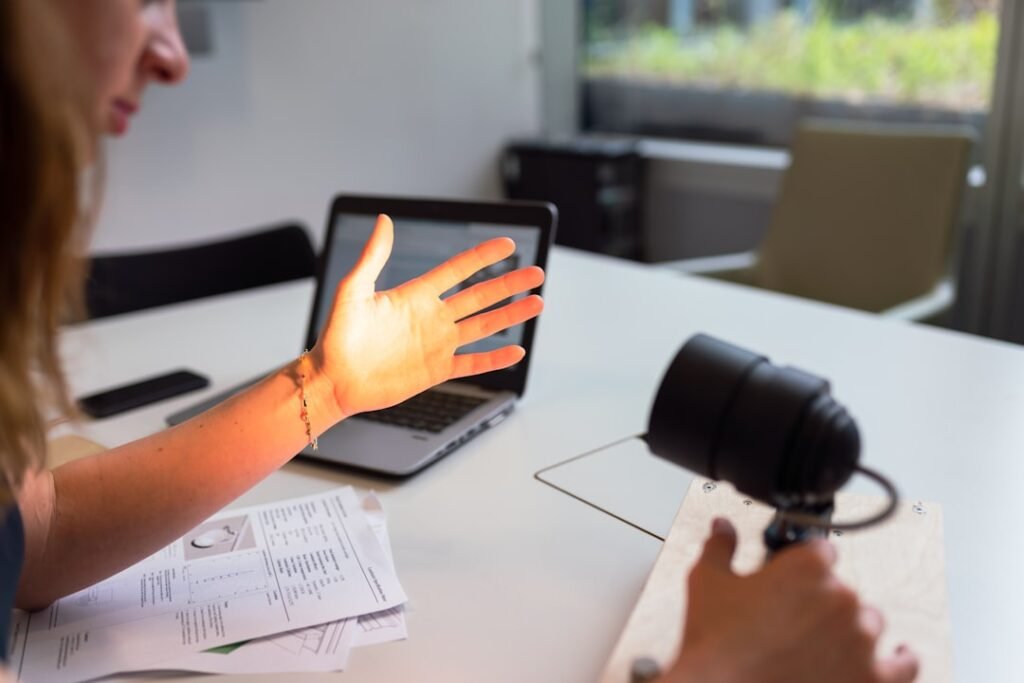
According to experts, one of the most noticeable aspects is body language. Non-verbal cues, such as posture and eye contact, can convey confidence and openness. “The way you carry yourself can speak volumes before you even say a word,” said communication specialist Dr. Jane Smith.
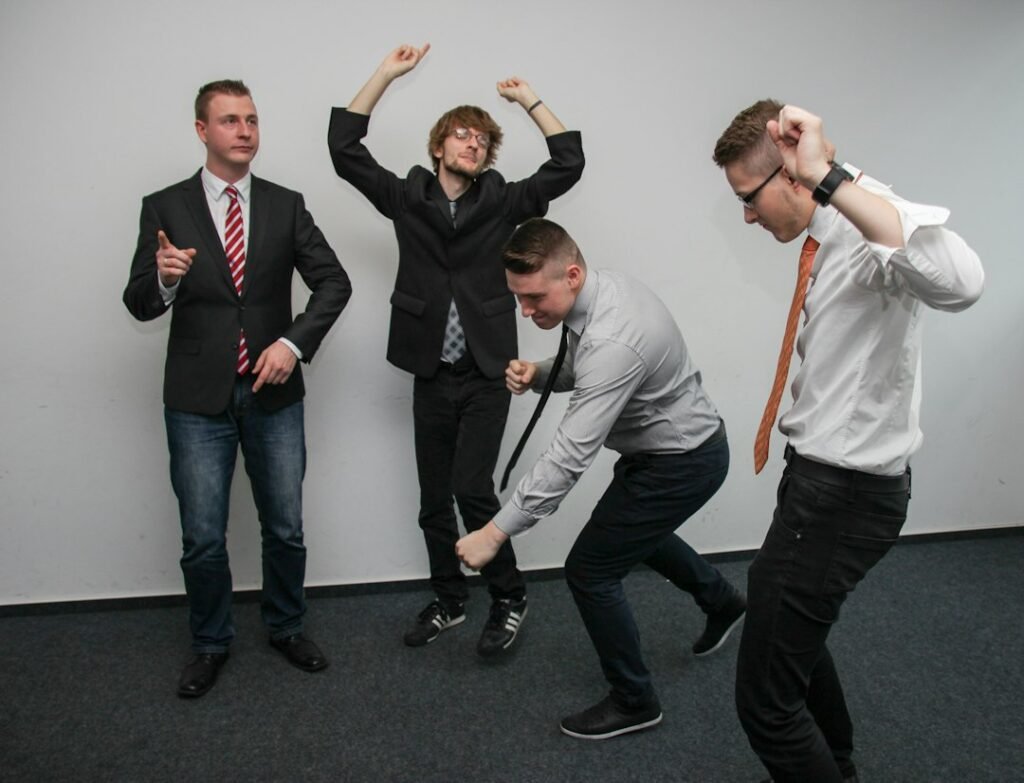
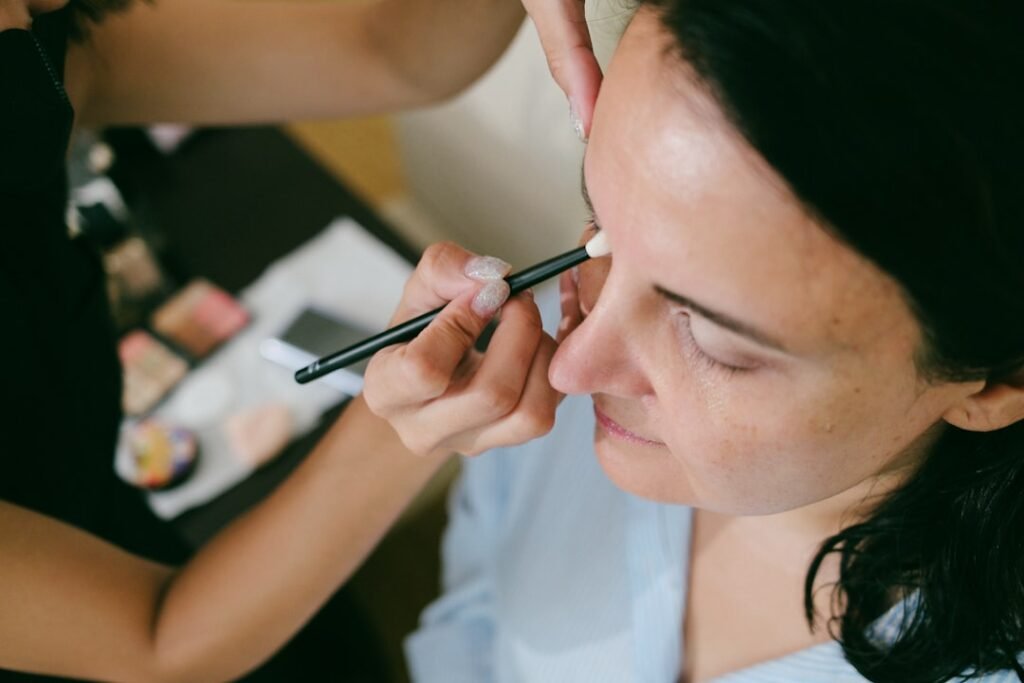
Another critical element is grooming and attire. Observers often assess personal style and cleanliness, which can reflect an individual’s attention to detail. “Dressing appropriately for the occasion can make a strong positive impression,” noted fashion consultant Mark Johnson.
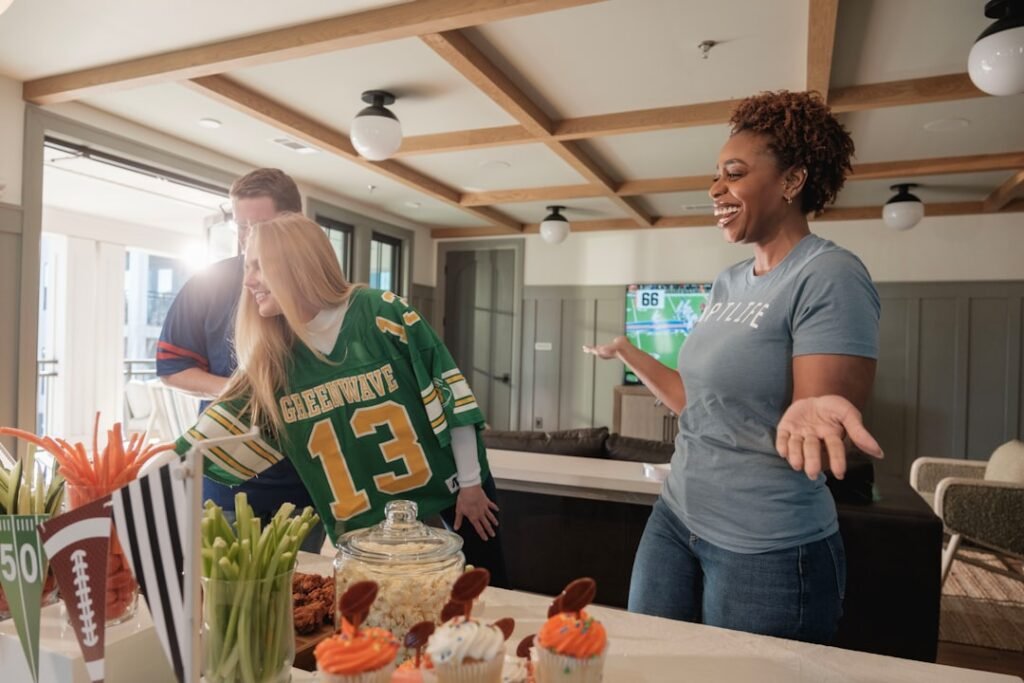
Facial expressions also play a crucial role. A genuine smile can create warmth and approachability, while a lack of expression may suggest disinterest or discomfort. Experts highlight the importance of matching expressions to the context of the meeting.
Moreover, the tone of voice and manner of speaking influence perceptions. Clear, confident speech can project authority and competence. Conversely, a hesitant tone may lead others to question one’s confidence.
Active listening is another factor that can shape first impressions. Showing genuine interest in the other person fosters a connection. “Engaging fully in conversation can establish immediate rapport,” said relational psychologist Dr. Emily Chen.
Personal habits, such as fidgeting or making excessive gestures, can also impact how one is perceived. These actions may distract from the intended message and create a perception of nervousness or anxiety.
Lastly, the context in which the meeting occurs can affect impressions. Environments such as networking events versus casual settings can lead to different expectations and interpretations of behavior.
Understanding these elements can help individuals navigate initial encounters more effectively. First impressions are often lasting, making awareness of these factors essential for fostering positive interactions.
This research underscores the importance of first meetings in both personal and professional contexts. With only seconds to make a favorable impression, individuals are encouraged to be mindful of their presentation.
Source: news source