






































































































































































































































































































































































































































































































































































































































































































































































































































































































































































































































































































































































































































































































































































































































































































































































































































































































































































































































































































































































































































































































































































































































































































































































































































































































































































































































































































































































































































































































































































































































































































































































































































































































































































































































































































































































































































































































































































































































































































































































How Leadership Conduct Affects Team Morale: Insights from an Ex-VP of HR at Microsoft

The way leaders conduct themselves has a profound impact on team morale. This truth is underscored by my experience as the ex-VP of HR at Microsoft. In today’s fast-paced corporate environment, understanding this relationship is critical for achieving organizational success. Leaders must recognize that their behavior sets the tone for the entire team.
Understanding the Connection Between Leadership and Team Morale
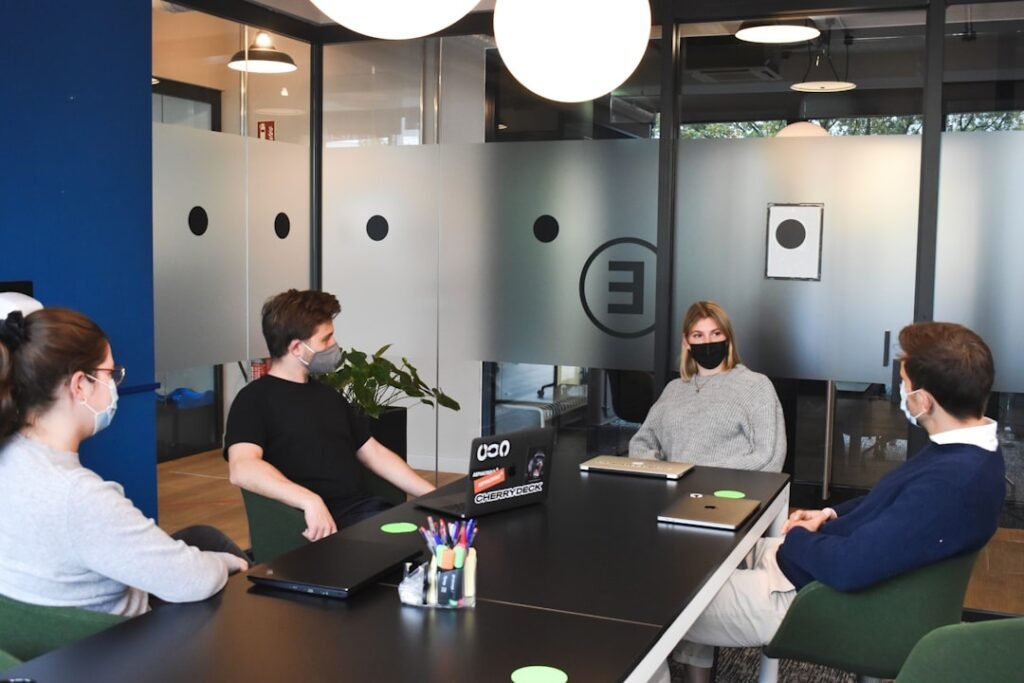
Strong leadership is essential for fostering positive team dynamics. When leaders display supportive and respectful behavior, they create an environment where employees feel valued and motivated. However, when leaders fail to reflect these qualities, it can lead to a decline in morale.
Here are some key points to consider about leadership conduct and its effects on team morale:
- Communication Style: Open and transparent communication fosters trust.
- Recognition: Regular acknowledgment of achievements boosts employee confidence.
- Empathy: Understanding individual team member needs increases collaboration.
- Decision-Making: Involving the team in decisions enhances their sense of ownership.
- Work-Life Balance: Encouraging balance leads to higher productivity and satisfaction.
Each of these elements can significantly influence how team members feel about their work environment. Poor leadership conduct can undermine these key factors, leading to reduced morale and motivation.
The Impact of Leadership Conduct on Team Dynamics
When corporate leaders are unaware of the implications of their actions, they inadvertently create obstacles for their teams. Leadership conduct can manifest in various ways, such as through body language, tone of voice, and overall attitude. A leader who displays frustration or disengagement can quickly demoralize a team.
Conversely, leaders who exhibit enthusiasm, support, and resilience can inspire their teams. It is essential for leaders to conduct regular self-assessments and solicit feedback to understand how their actions are perceived by employees. This practice not only improves morale but also encourages a culture of accountability and growth.
Building a Positive Work Environment Through Leadership
To enhance team morale, leaders should adopt a proactive approach to their conduct. Here are some actionable strategies for leaders to consider:
- Promote Open Communication: Create channels for feedback and discussion.
- Encourage Team Collaboration: Facilitate teamwork through collective goals.
- Provide Support: Be available for guidance and encouragement.
- Lead by Example: Exhibit the behavior you wish to see in your team.
- Maintain Transparency: Share both successes and challenges with the team.
By implementing these strategies, leaders can actively shape a positive work environment where employees feel engaged and motivated.
The Long-Term Benefits of Positive Leadership Conduct
The benefits of strong leadership conduct extend beyond immediate team morale. A positive atmosphere can lead to higher retention rates, improved productivity, and enhanced employee satisfaction. Teams that feel supported are more likely to innovate and contribute to the company’s success.
Moreover, a reputation for strong leadership can attract top talent, as prospective employees look for workplaces where they will thrive. In a competitive job market, companies that prioritize effective leadership conduct position themselves as attractive employers.
Conclusion: The Importance of Leadership Conduct in Shaping Team Morale
In conclusion, the conduct of leaders plays a pivotal role in shaping team morale. By embracing open communication, offering support, and leading by example, leaders can create an environment where employees feel valued and motivated. As an ex-VP of HR at Microsoft, I’ve witnessed firsthand how effective leadership can transform teams and drive success.
To ensure sustained organizational growth, leaders must remain conscious of their behavior and its impacts. Investing in leadership development is essential for cultivating a thriving workplace culture.
Source: news source